
2026 Smithco Dump Trailers For Sale in Colorado
Shop 2026 Smithco dump trailers in Colorado, including side dump and tri-axle configurations with air ride, AR450 tubs, and heavy-duty cylinders.
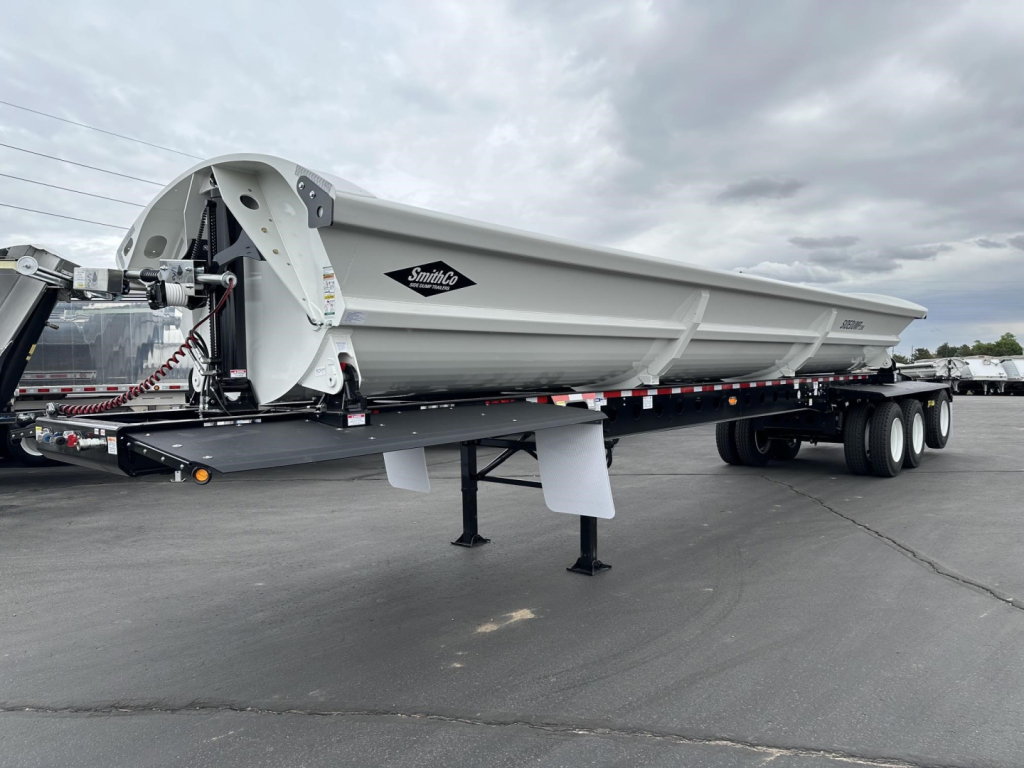
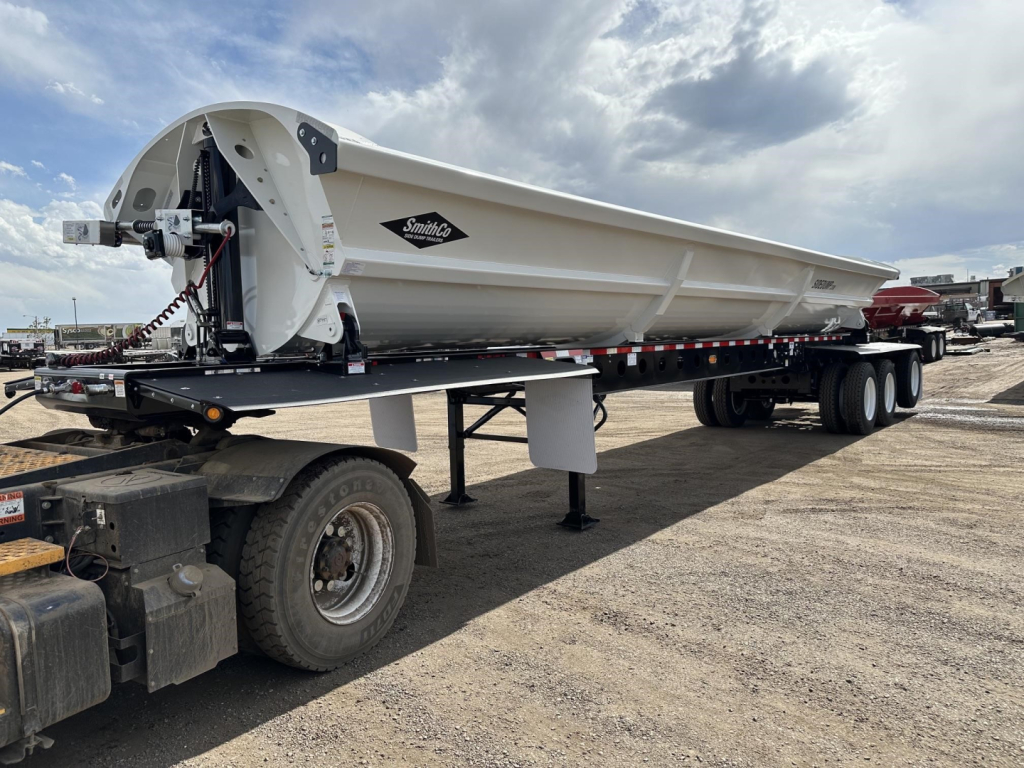
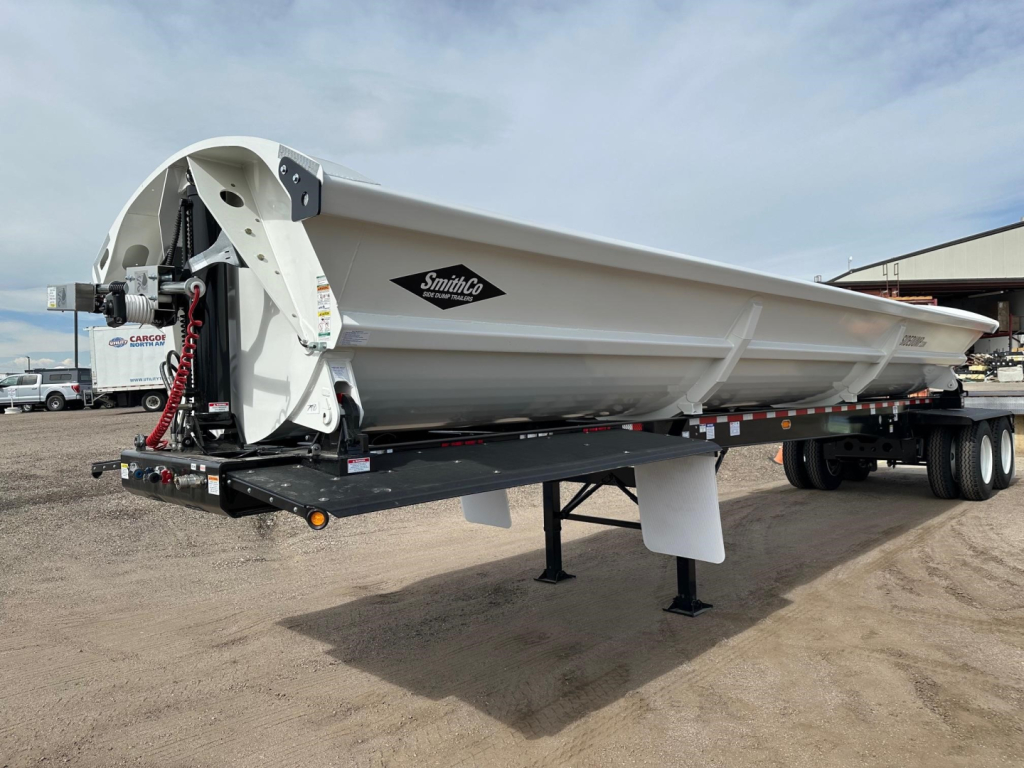
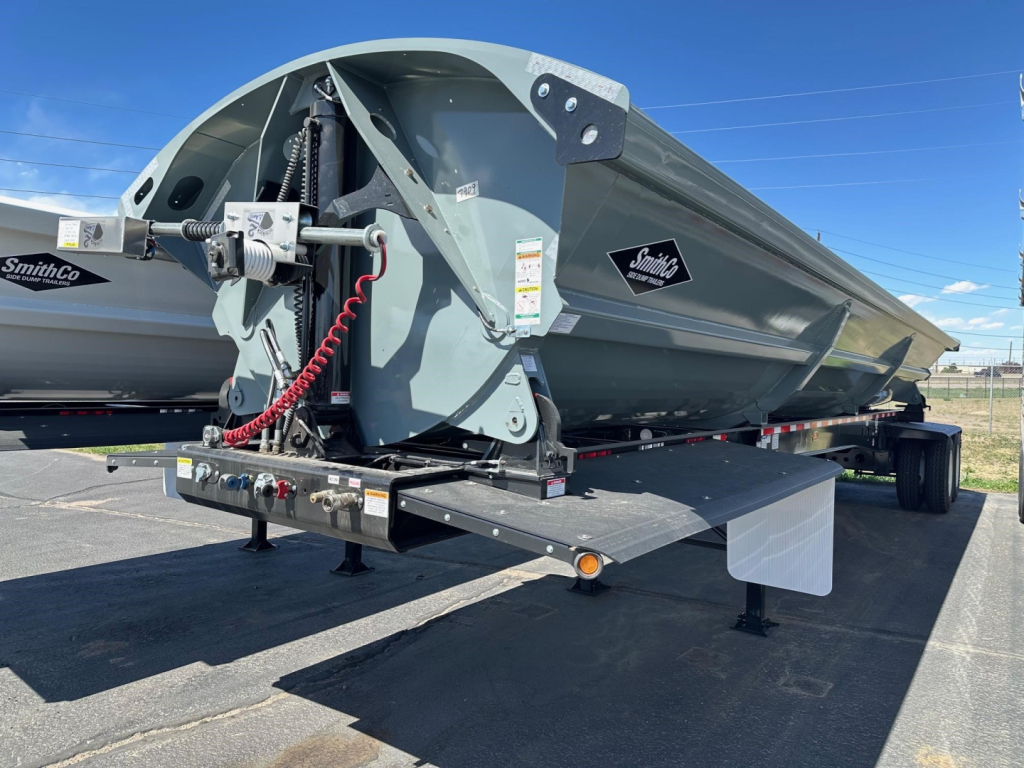
Selling a 2026 smithco dump trailer? List your 2026 smithco dump trailer for sale and reach thousands of commercial buyers.
2026 Smithco Dump Trailers in Colorado
The most important buying decisions usually start with tub construction, axle layout, and suspension. In this category, common configurations include 40-foot tandem axle and 47-foot tri-axle side dumps, often with air ride suspension and, on some specs, a rear lift axle to help balance payload and tire wear. AR450 steel rock tubs are a strong fit for abrasive material and repeated loading from excavators or loaders. Half-round tubs generally promote cleaner discharge and reduce material hang-up, while heavy-duty 6-inch cylinders, dual pivot arrangements, dump valves, and 2-way valve systems are the kind of details buyers look at closely when comparing cycle speed, stability, and long-term durability.
Colorado applications put extra focus on suspension performance, tare weight, and braking confidence. Air ride can help protect the trailer and improve ride quality on rough county roads and construction routes, while closed tandem and tri-axle layouts affect bridge compliance, turning behavior, and how the trailer tracks on soft or broken surfaces. Tire size such as 11R24.5, steel wheels, front and rear fenders, and 2-speed landing gear are standard practical items, but the more valuable spec questions involve how the trailer is expected to load, haul, and dump every day. A heavy-duty push block matters if the trailer will see scraper support or push assistance, and onboard scale gauges or mechanical scales can help operators manage payload consistency without relying solely on external scales.
Buyers comparing 2026 Smithco dump trailers should pay close attention to tare weight versus legal payload, cylinder and pivot design, tub steel thickness, liner needs, tarp system design, and the serviceability of air and hydraulic components. Electric rollover tarps and tarp lockout switches are especially relevant for safety and compliance on highway runs. If the trailer will spend most of its life hauling shot rock, millings, sand, or wet clay, the best spec is the one that matches material type, loading method, and route conditions rather than simply choosing the longest tub or highest axle count. Smithco side dumps are typically selected by fleets that value fast unload times, stability during discharge, and a trailer structure built for repetitive construction and aggregate duty.
Frequently Asked Questions about 2026 Smithco Dump Trailers in Colorado
What is the advantage of a Smithco side dump trailer compared with a traditional end dump?
A side dump trailer discharges material by rolling the tub to the side instead of raising the body vertically. That design generally offers better stability during unloading, especially on uneven jobsites, in crosswinds, or in areas with overhead clearance limits. For aggregate, demolition, and road construction work, side dumps also tend to deliver faster cycle times because the operator can unload quickly and return the tub to transport position with less concern about body height.
What materials are 2026 Smithco dump trailers commonly used to haul?
This category is typically used for rock, sand, gravel, asphalt millings, dirt, demolition debris, road base, and other bulk construction materials. AR450 steel rock tubs are especially useful when the trailer will handle abrasive or high-impact loads such as shot rock or broken concrete. Buyers hauling sticky material like wet clay should also evaluate tub shape, discharge performance, and tarp setup because those factors affect how cleanly the load releases.
Should I choose a tandem axle or tri-axle Smithco side dump?
A tandem axle trailer can be a strong fit when maneuverability, lower tare weight, and simpler maintenance are priorities. A tri-axle configuration can make sense when the operation needs different weight distribution, additional capacity support, or a lift axle setup for changing payload and road conditions. The right choice depends on local bridge laws, permit considerations, haul distance, and the type of material being moved, not just the trailer length alone.
Why does air ride matter on a dump trailer?
Air ride suspension can improve ride quality, reduce shock transfer into the trailer frame and tub, and help the trailer track more consistently on rough roads. For fleets running mixed pavement and jobsite surfaces, air ride may also help protect components and improve driver control compared with harsher suspension setups. It is especially relevant when the trailer sees long highway miles between pits, plants, and jobsites.
What specs deserve the closest attention when buying a side dump trailer?
The most important specs are usually tub material and shape, cylinder size, pivot design, axle configuration, suspension type, tare weight, and scale options. Buyers should also review landing gear, tarp system design, tire and wheel package, and whether the trailer includes features such as a dump valve, push block, lift axle, or pressure regulator. These details determine how well the trailer matches the intended payload, route, and jobsite conditions over the long term.