
Smithco Dump Trailers For Sale
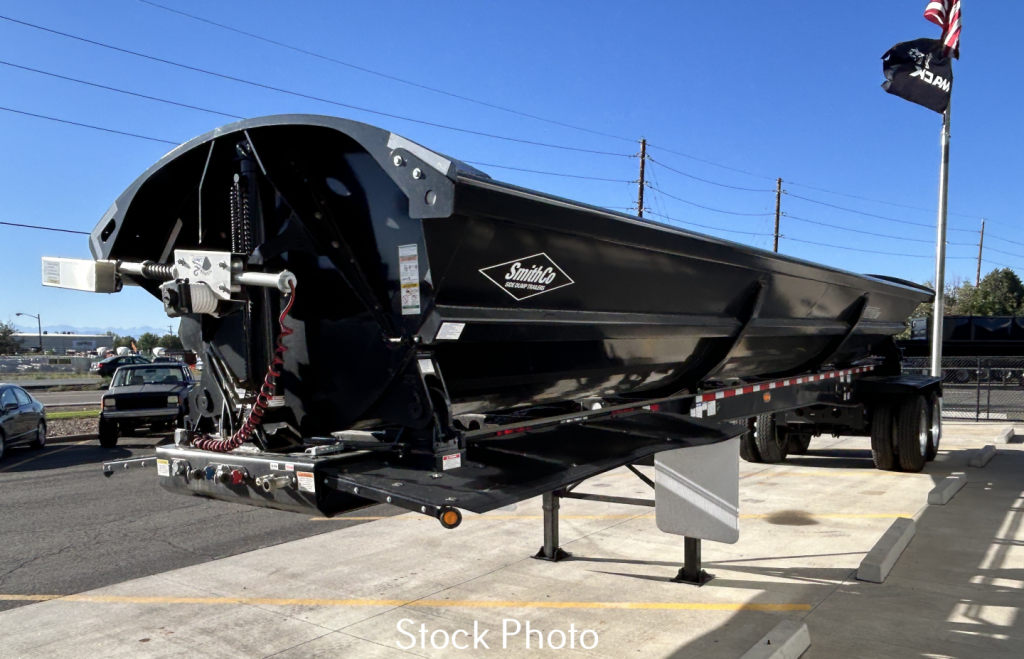
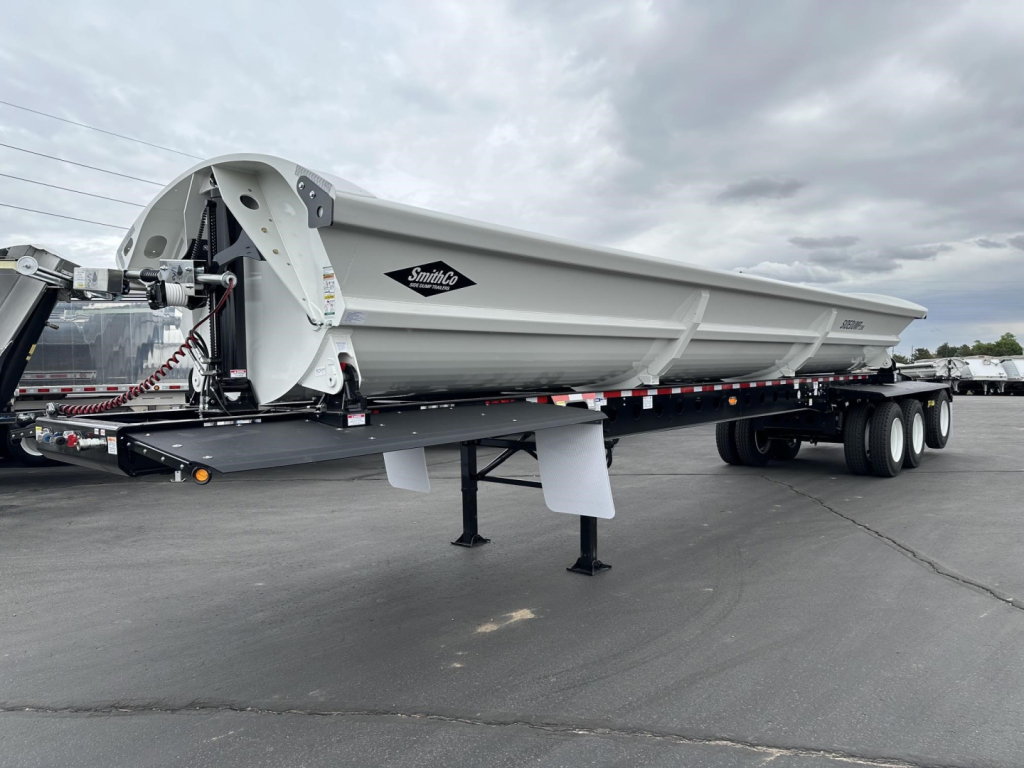
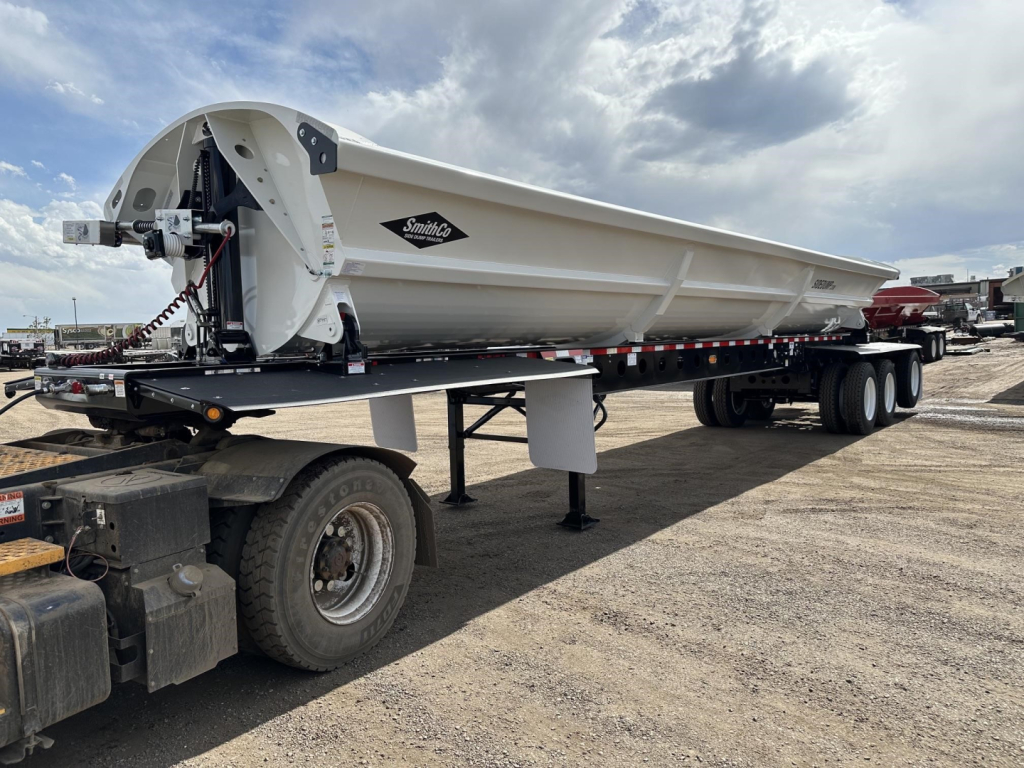
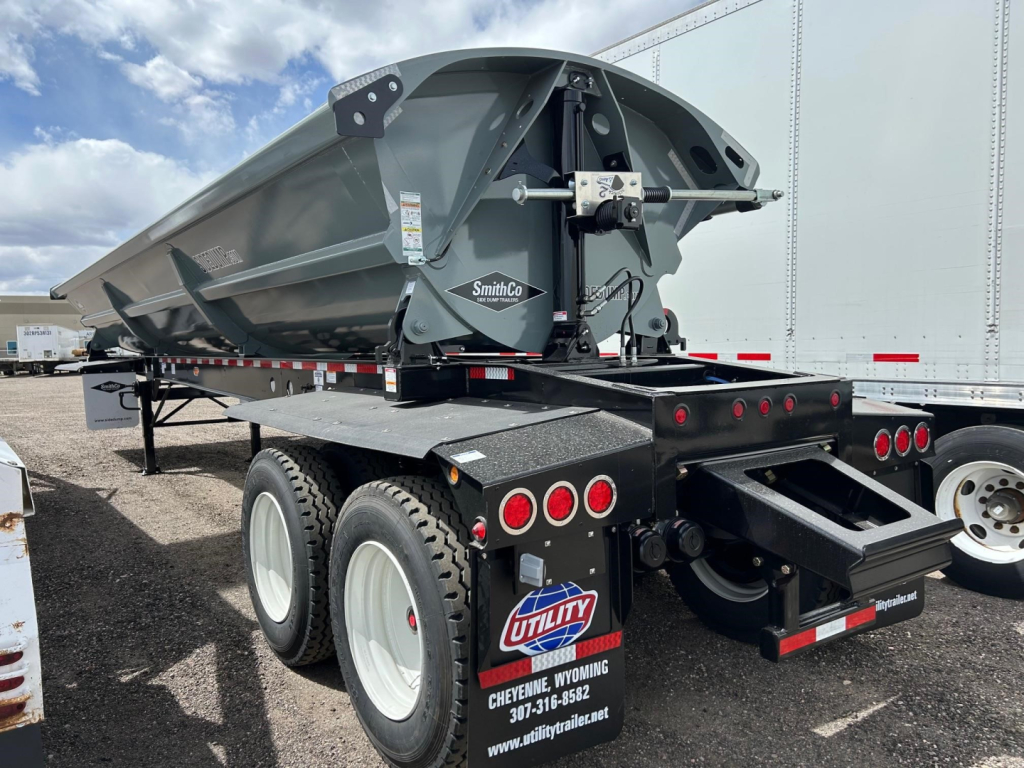
Browse Smithco dump trailers, including side dump configurations, with specs on length, axle setup, suspension, body material, and tarp systems.
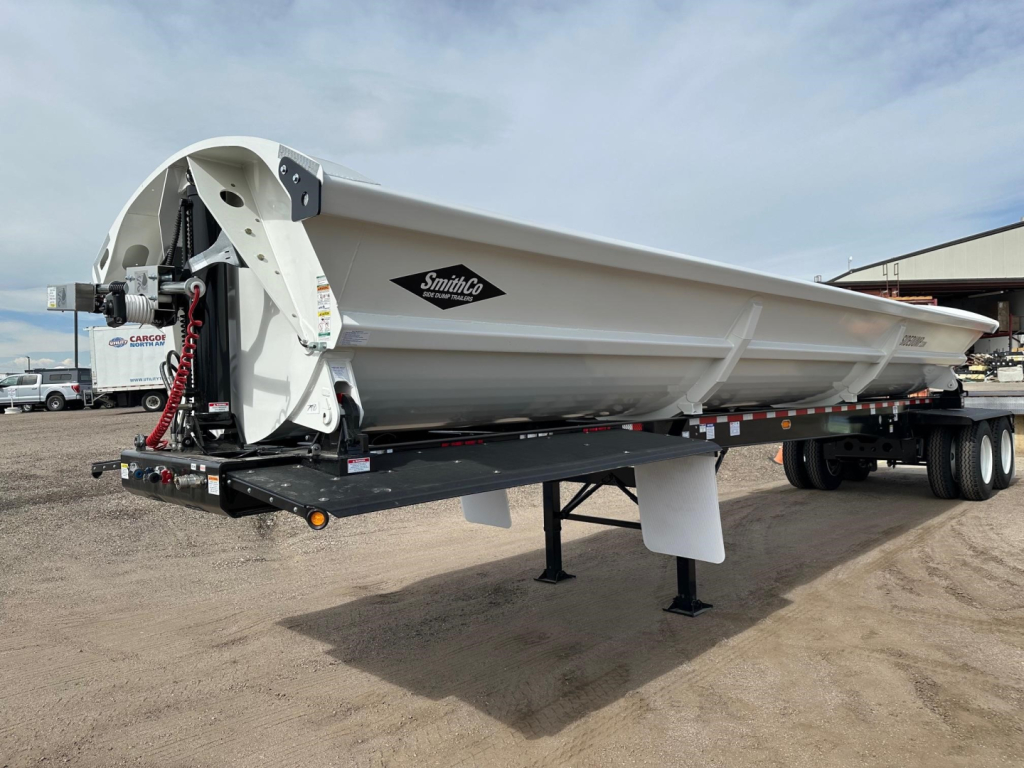
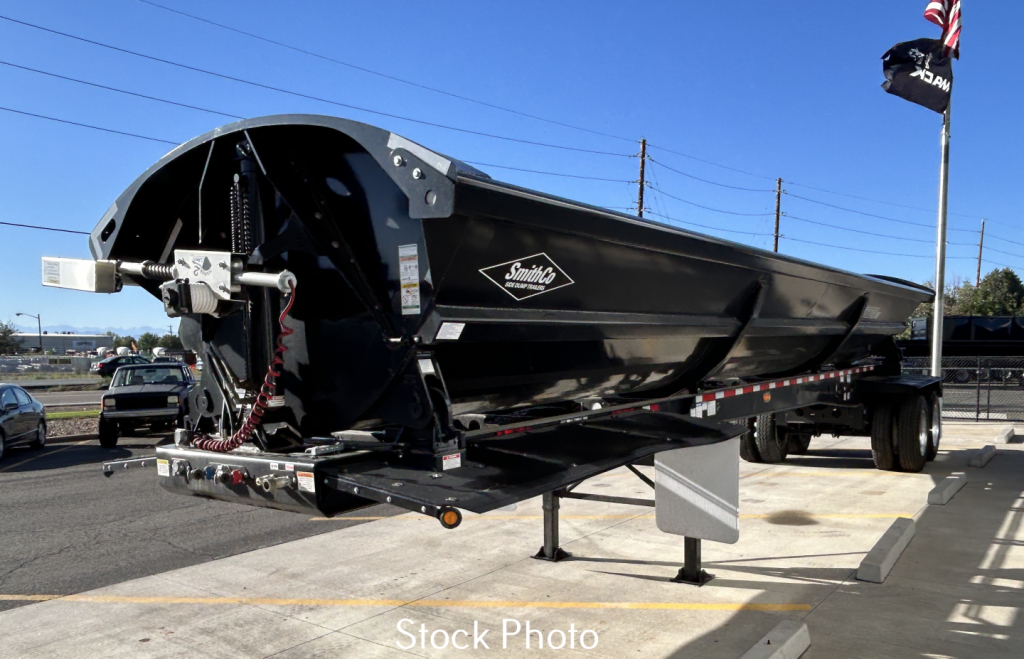
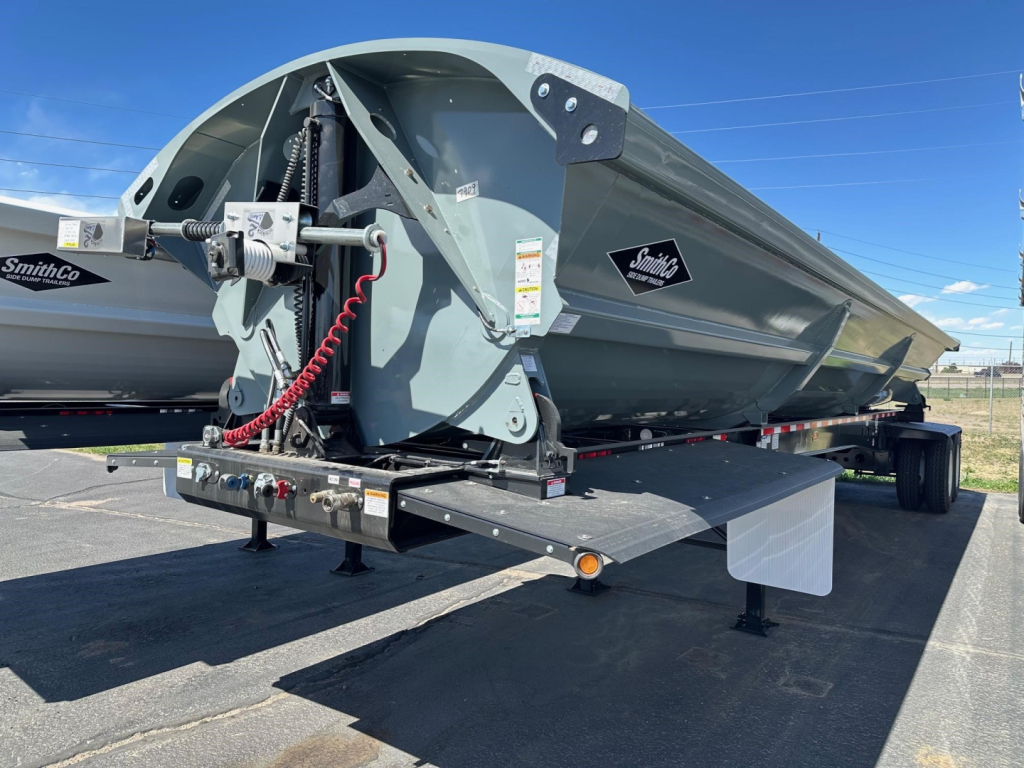
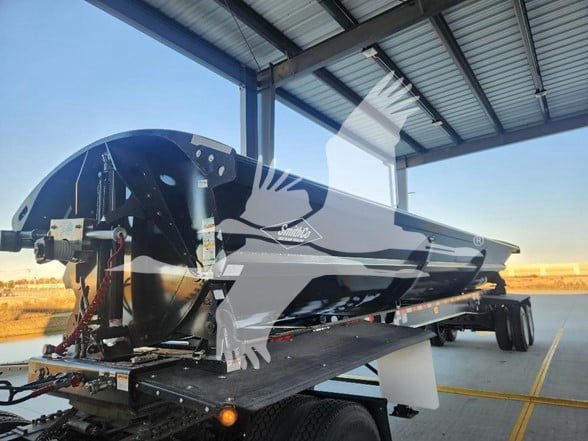

Selling a smithco dump trailer? List your smithco dump trailer for sale and reach thousands of commercial buyers.
Smithco Dump Trailers
A buyer comparing Smithco dump trailers should start with body construction, axle layout, suspension, and tire package. Steel bodies remain the standard for abrasive material and demanding construction use, though they add tare weight compared with aluminum designs. Tandem axle configurations are common in this class, often paired with air ride or Ridewell suspension for a balance of load stability and road manners. Tire size, wheel material, and axle rating all affect payload, service cost, and regional compatibility. It also makes sense to check for practical operating features such as electric tarp systems, lockout switches, hydraulic control valves, liquid-filled air gauges, and remote grease points for the fifth wheel area, since these details can improve uptime and day-to-day ease of use.
For side dump buyers, tub geometry and discharge control are just as important as headline specs. A well-matched side dump trailer should unload quickly without hanging material, and it should maintain predictable balance through the dump cycle. Trailer length and side wall design influence capacity and maneuverability, so the right choice depends on whether the work is highway material hauling, site development, road building, feedlot work, or municipal cleanup. Fixed axle trailers are common and straightforward to maintain, but suspension condition, hinge wear, hydraulic integrity, and frame straightness deserve close attention on used units.
Smithco has long been associated with dump trailer designs built for heavy vocational use, so buyers typically focus on structural condition and application fit. Crossmember condition, floor wear, cylinder performance, tarp operation, brake life, and signs of cracking around stress points all tell more than model year alone. For fleets running in mud, rock, or uneven ground, a dump trailer that is easy to clean out and easy to service can save real money over time. The best Smithco dump trailer is usually the one with the right body material, suspension spec, and discharge style for the material being hauled every day.
Frequently Asked Questions about Smithco Dump Trailers
What are Smithco dump trailers commonly used for?
Smithco dump trailers are commonly used for hauling aggregate, sand, gravel, dirt, demolition debris, manure, and other bulk materials in construction, road work, agriculture, and site development. Many buyers in this category are specifically looking at side dump applications because side unloading can be faster and more stable than a traditional end dump in certain jobsite conditions. The intended material type matters because abrasive or heavy loads generally push buyers toward steel construction and heavier-duty suspension and tire packages.
What should I inspect first on a used Smithco dump trailer?
The first inspection points should be the tub or body, frame rails, hinge points, hydraulic system, suspension, brakes, and floor condition. Look closely for cracking around high-stress areas, evidence of prior weld repair, uneven tire wear, cylinder leaks, and any signs the trailer does not dump smoothly or squarely. On side dump models, discharge operation and balance through the dump cycle are critical, since problems in those areas can affect safety as well as productivity.
Why do many Smithco dump trailers use steel bodies?
Steel bodies are common because they hold up well in severe-duty hauling with rock, scrap, demolition material, and other abrasive loads. Steel typically offers strong impact resistance and long service life in punishing applications, though it usually comes with more tare weight than aluminum. Buyers who prioritize durability over maximum payload often prefer steel, especially in construction and quarry work where trailer bodies take repeated abuse.
What specs matter most when comparing Smithco side dump trailers?
The most important specs usually include overall length, width, axle configuration, suspension type, body material, tire size, and wheel setup. A common configuration in this category is a 40-foot tandem axle trailer with a 102-inch-wide steel body and air ride suspension. Buyers should also compare practical features like electric tarp systems, hydraulic controls, grease access points, and gauge packages because those details affect loading efficiency, unloading control, and maintenance time.
Are side dump trailers safer than end dumps?
Side dump trailers can offer a stability advantage in certain unloading situations because the body discharges to the side instead of lifting high in the air like an end dump. That can reduce rollover exposure on uneven or soft ground, although safe operation still depends on terrain, load distribution, operator technique, and trailer condition. The real advantage is application-based, so buyers should match the dump style to the jobsite environment rather than assuming one design is automatically safer in every situation.