
Aldura Trailers For Sale in Colorado
Have aldura trailer to sell? List it here to reach thousands of buyers.
Aldura Trailers in Colorado
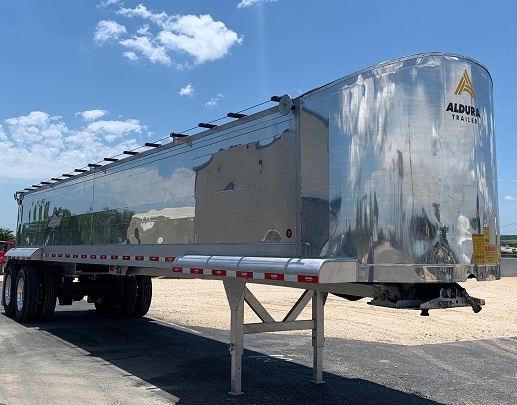
On the dump side, Aldura aluminum end dumps are built to maximize cubic capacity without pushing empty weight too high. Common specs include 39-foot bodies, tandem axle layouts, 30,000-lb suspension ratings, lift axles, and HYVA telescopic cylinders. Buyers should pay close attention to body material and thickness, floor structure, gate design, and liner choices. A 5454 H34 aluminum body with a 3/16-inch floor and UHMW liner is a common combination for balancing weight and durability in sand, gravel, asphalt millings, and similar material. In mountain and Front Range work, suspension spec, axle spread, brake package, and overall height all deserve a close look, especially if the trailer will see uneven jobsite entrances or high-cycle paving and aggregate routes.
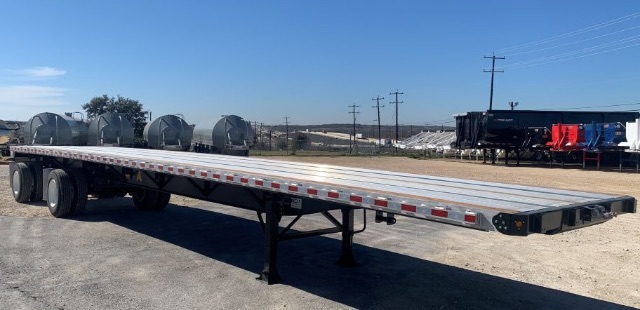
Aldura flatbed trailers in this class are typically 48-foot combo flats with steel main structure and aluminum components to save weight while keeping deck strength where it counts. Buyers comparing flatbeds should focus on kingpin setting, loaded ride height, crossmember spacing, side rail design, winch layout, and deck composition. A combo flat with fabricated I-beams, 12-inch crossmember spacing, aluminum decking, and Apitong nailer boards fits a broad range of freight from building materials and machinery to palletized loads and steel. If securement flexibility matters, look for enough winches, spool and pocket spacing, and a deck arrangement that matches your freight mix instead of relying on add-ons later.
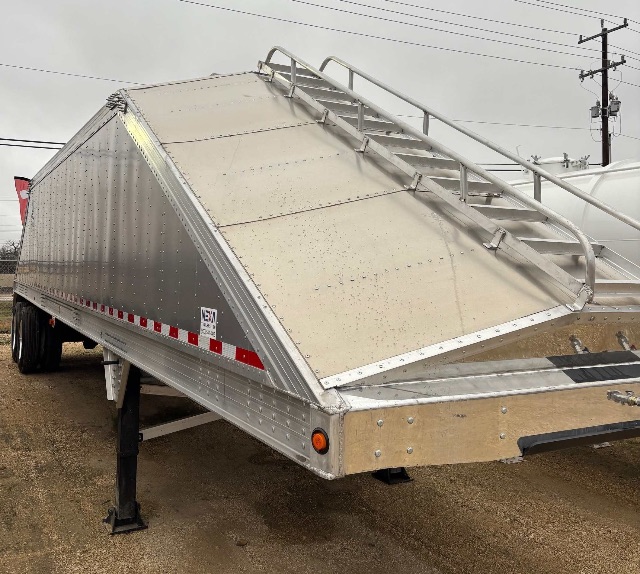
For bulk commodity work, Aldura hopper trailers and bottom-drop sand trailers are aimed at operators moving sand, grain, and other free-flowing material. Aluminum construction helps preserve payload, while details like gate size, discharge design, suspension capacity, and brake spec affect cycle time and service life. A 40-foot aluminum hopper with 30,000-lb air suspension, 49-inch axle spread, and manual top and bottom gates is a typical vocational spec for regional haul work. Across the Aldura line, the main buying decision comes down to matching trailer tare weight, structural design, axle package, and discharge or deck setup to the commodity you actually haul. A trailer that is slightly heavier but better reinforced in the right places often pencils out better than a lighter trailer that is mismatched for the job.
Frequently Asked Questions about Aldura Trailers in Colorado
What types of trailers does Aldura commonly build?
Aldura is commonly seen in vocational and commodity-hauling trailer segments such as aluminum end dump trailers, combo flatbed trailers, and aluminum hopper or bottom-drop trailers. That mix covers construction material hauling, general freight, and bulk commodities like sand or grain. The brand is typically associated with practical specs that emphasize usable payload, aluminum construction, and straightforward serviceability.
Are Aldura aluminum trailers a good choice for payload-sensitive operations?
Yes. Aluminum construction is a major advantage when payload is critical because it helps reduce tare weight compared with heavier all-steel designs. That matters in dump and hopper applications where every pound of empty trailer weight can cut into legal payload. Buyers still need to compare floor thickness, subframe design, liner options, and reinforcement, because the lightest trailer is not always the best trailer if the commodity is abrasive or the route includes rough jobsite conditions.
What should I look for when comparing an Aldura end dump trailer?
Focus on body length, cubic yard capacity, body and floor thickness, cylinder brand and size, gate type, liner material, suspension rating, and whether the trailer includes a lift axle. Also verify overall height, axle spread, wheel and tire package, and brake system. For aggregate and paving work, structural details such as subframe design, floor supports, and tailgate sealing can make a meaningful difference in durability and unload performance.
What matters most on an Aldura flatbed trailer?
The key points are deck construction, crossmember spacing, side rail strength, securement layout, and kingpin setting. Buyers should also check ride height, overall empty weight, suspension type, axle rating, and the number and placement of winches, pockets, and spools. A combo flatbed is often chosen because it balances strength and tare weight, which helps when hauling mixed freight that needs both flexibility and legal payload.
How do I choose between an Aldura hopper trailer and an end dump?
The decision starts with the material and the unloading environment. A hopper or bottom-drop trailer is better for free-flowing commodities that need controlled discharge, such as grain, sand, or similar bulk product unloaded through gates. An end dump is better suited to aggregate, demolition material, and jobs where a raised-body dump cycle is more practical. Buyers should consider site conditions, rollover risk, bridge laws, payload goals, and how quickly the trailer needs to load, unload, and return to service.