
Aldura Trailers For Sale
Have aldura trailer to sell? List it here to reach thousands of buyers.
Aldura Trailers
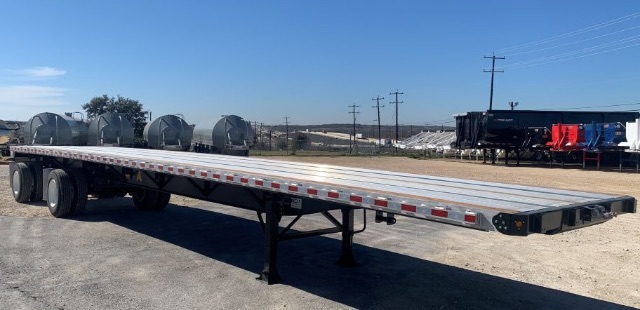
On the flatbed side, Aldura combo flatbeds are typically set up in the 48-foot by 102-inch class with tandem axles, fabricated main beams, aluminum side rails, and aluminum decking with Apitong nailer strips. Common buyer checkpoints include kingpin setting, coupler height, crossmember spacing, winch layout, spool and stake pocket spacing, and suspension brand. A trailer in this class is often expected to balance weight savings with practical securement features, so details like winches, rub rail access, dock bumpers, sealed harness lighting, and standard 11R22.5 rubber matter as much as published GVWR.
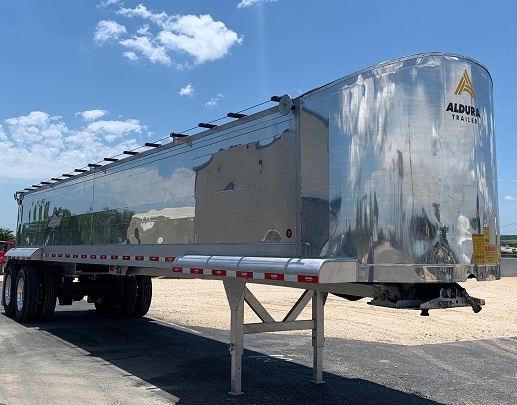
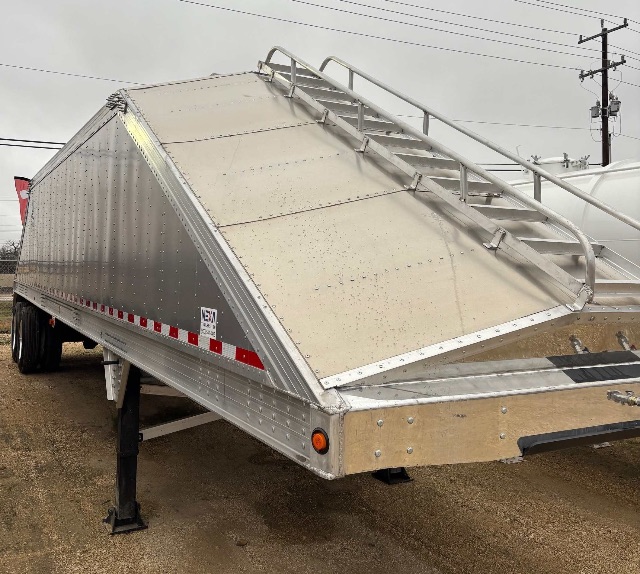
For bulk commodity work, Aldura hopper trailers and aluminum end dumps are aimed at operators hauling sand, grain, feed, fertilizer, and construction materials. Hopper-bottom models are often selected for clean gravity discharge and fast unload cycles, while end dumps are better suited for demolition, scrap, aggregate, and other loads that do not require hopper flow. Key specs to compare are cubic yard capacity, wall and floor thickness, gate opening dimensions, subframe design, suspension rating, axle spread, fifth wheel height, and overall trailer weight. On end dumps, buyers should also pay attention to cylinder brand and size, liner material, gate style, tarp system, and lift axle configuration, since those directly affect stability, unloading efficiency, and maintenance cost.
Aldura trailers are generally worth comparing on tare weight, material grade, and running gear rather than on price alone. Aluminum construction can improve payload and corrosion resistance, but buyers should still inspect weld quality, crossmember integrity, coupler wear, brake components, and suspension condition with the same discipline used on any commercial trailer purchase. Matching the trailer to the commodity is the real decision point. A combo flatbed fits diversified open-deck freight, a hopper fits free-flowing bulk product, and an aluminum end dump fits high-volume dump applications where light weight and quick cycle times drive profitability.
Frequently Asked Questions about Aldura Trailers
What types of trailers does Aldura commonly build?
Aldura is commonly associated with flatbed trailers, aluminum hopper-bottom trailers, and aluminum end dump trailers. These categories cover a wide range of freight tasks, from open-deck cargo and machinery to sand, grain, aggregate, and other bulk materials. The exact configuration matters more than the nameplate, so buyers should compare the trailer type to the freight they haul most often and then review structural specs, tare weight, suspension, and discharge design.
Are Aldura trailers typically aluminum or steel?
Many Aldura trailers are built with aluminum or combination construction. Aluminum is popular because it reduces empty weight and resists corrosion, which can improve payload and long-term appearance. Combination designs, such as a steel frame with aluminum components, can provide a useful balance between durability and weight savings. The right choice depends on the application, road conditions, and how hard the trailer will be loaded and unloaded over time.
What should I look for in an Aldura flatbed trailer?
On an Aldura flatbed, the important details usually include trailer length and width, kingpin setting, loaded deck height, beam design, crossmember spacing, deck material, securement layout, and suspension rating. Buyers should also check for practical freight-handling features such as winches, stake pockets, spool spacing, nailer strips, dock protection, and sealed lighting. These details affect how easily the trailer handles mixed freight and how efficiently drivers can secure loads in daily use.
What matters most when comparing an Aldura hopper or end dump trailer?
For hopper and end dump trailers, the main comparison points are cubic yard capacity, GVWR, trailer weight, wall and floor thickness, axle and suspension ratings, gate design, and unloading system. Hopper buyers should focus on discharge opening size, gate operation, and how well the trailer matches the flow characteristics of the commodity. End dump buyers should look closely at cylinder specifications, body construction, liner options, tarp system, and lift axle setup because those features affect unload speed, stability, and wear life.
Is a lightweight Aldura trailer always the best choice?
Not always. Lower tare weight can increase legal payload, but the lightest trailer is not automatically the best fit if the freight is abrasive, high-impact, or hauled on rough roads. A buyer should weigh payload advantage against body thickness, frame strength, suspension quality, and long-term durability. The best trailer is the one that carries the intended commodity efficiently while holding up to the route, loading method, and duty cycle.