
2019 Trailers For Sale in Colorado
Shop 2019 trailers for sale in Colorado, including van, reefer, flatbed, and dump models with specs that fit regional hauling needs.
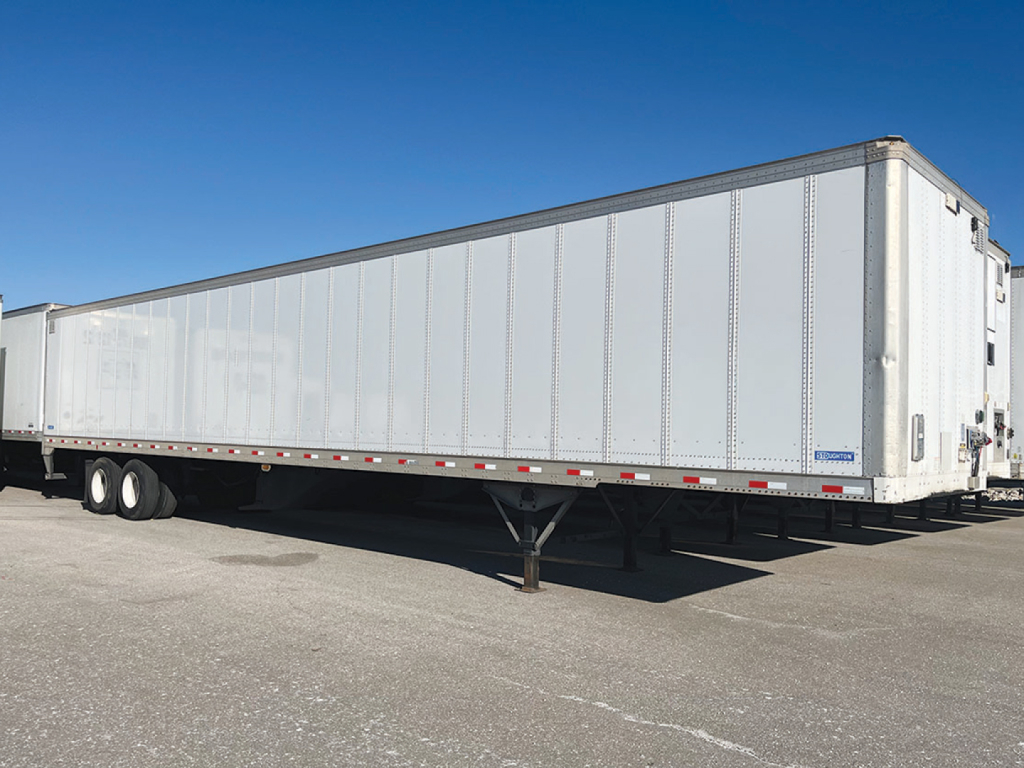
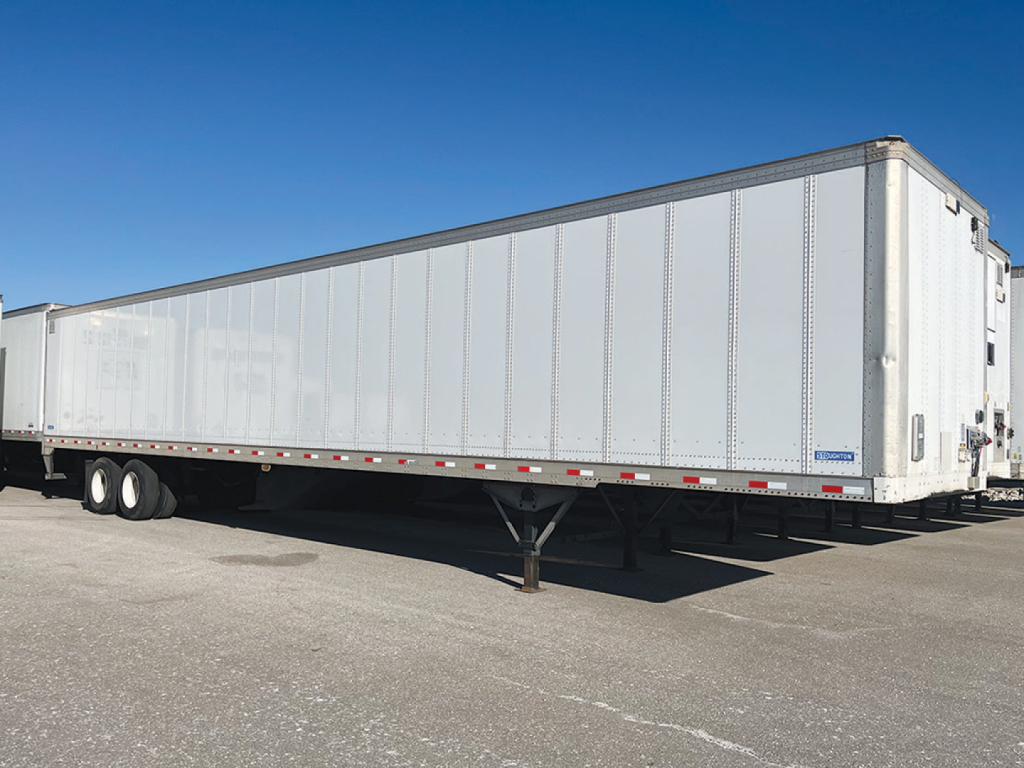
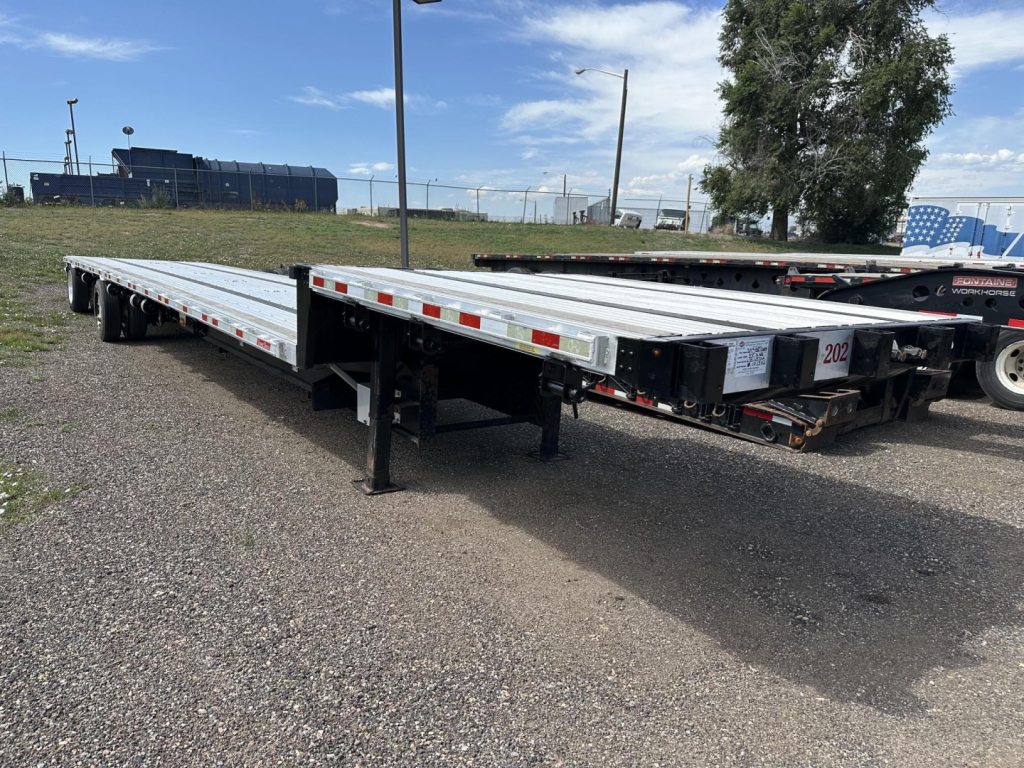
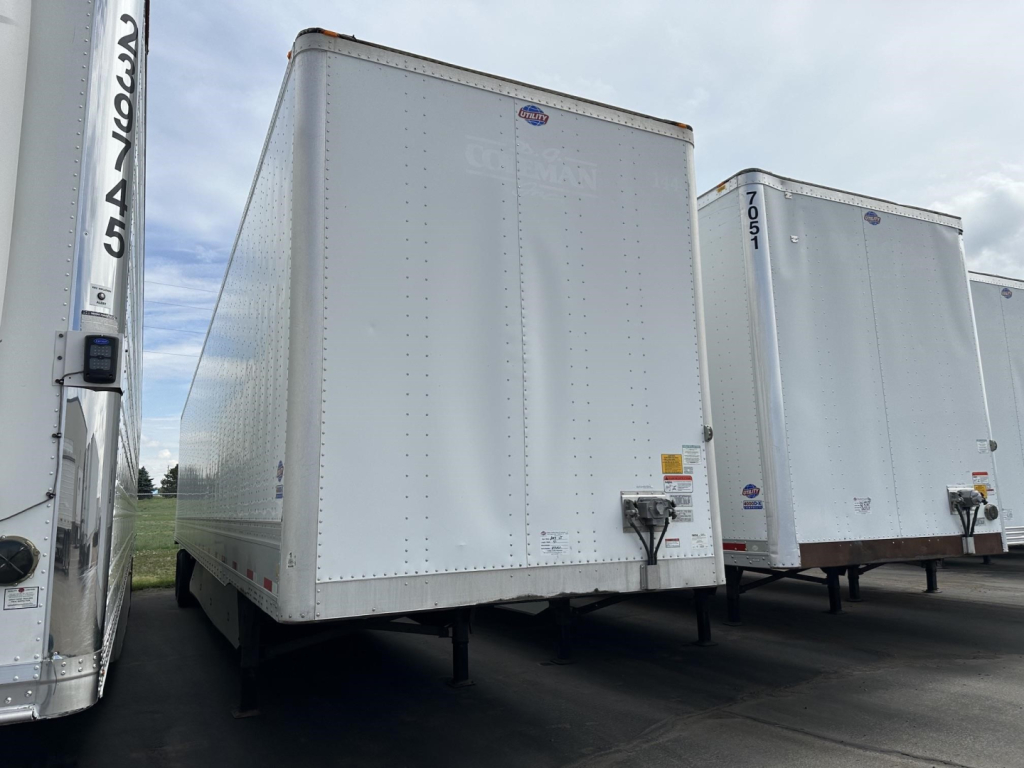
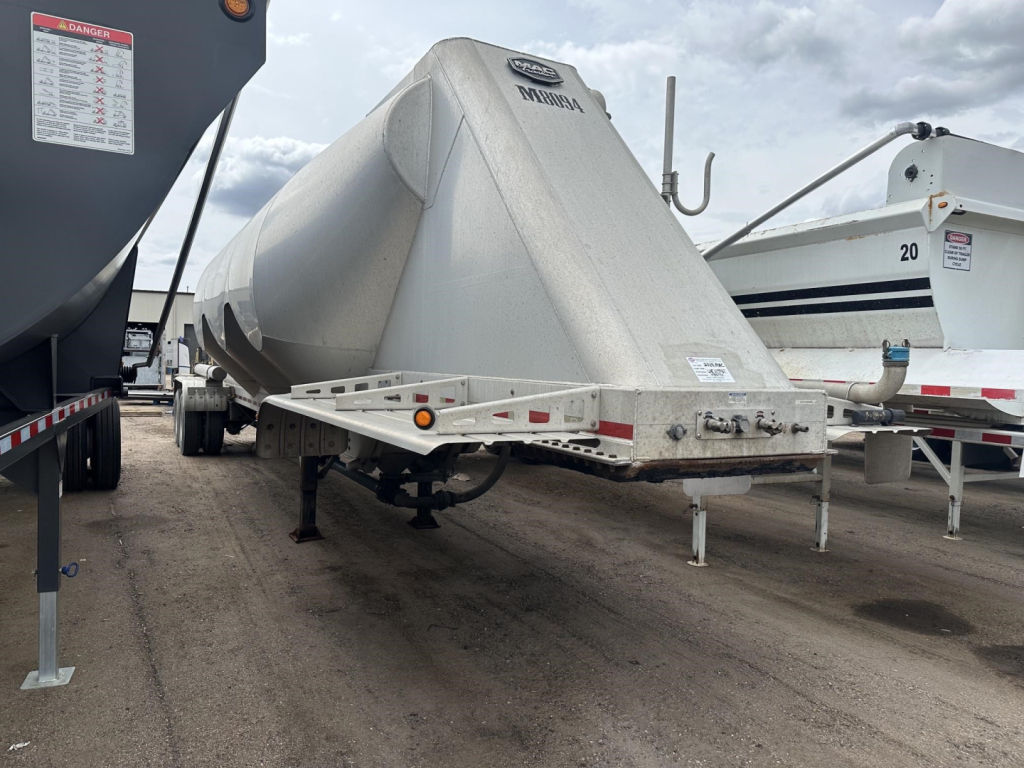
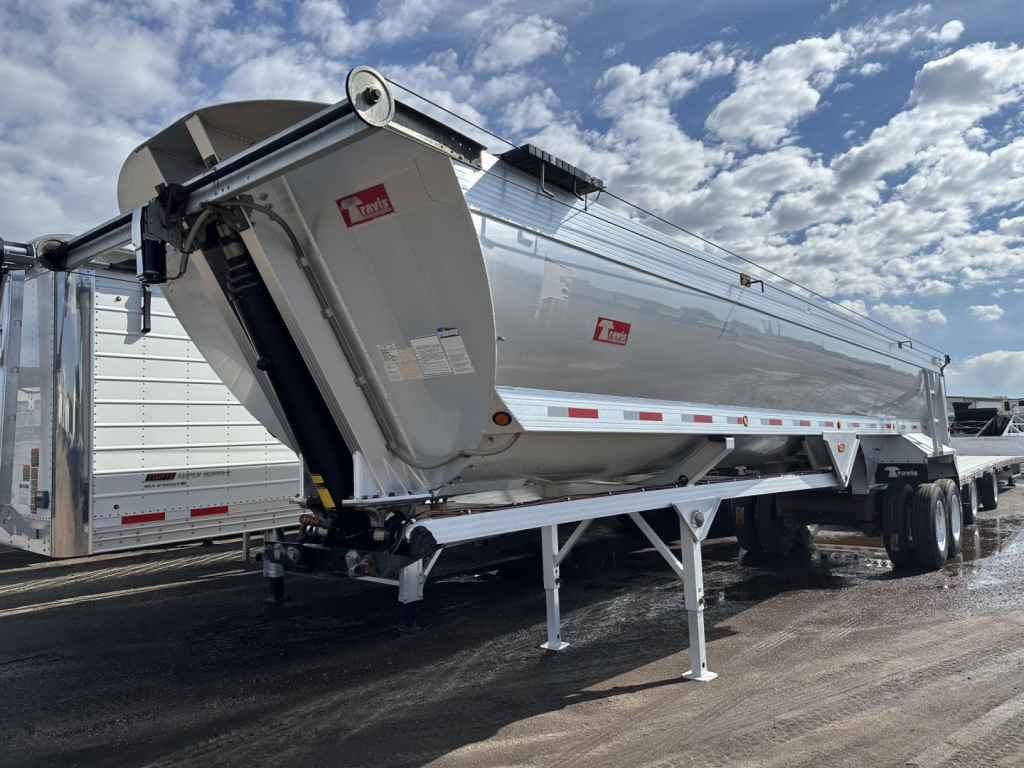
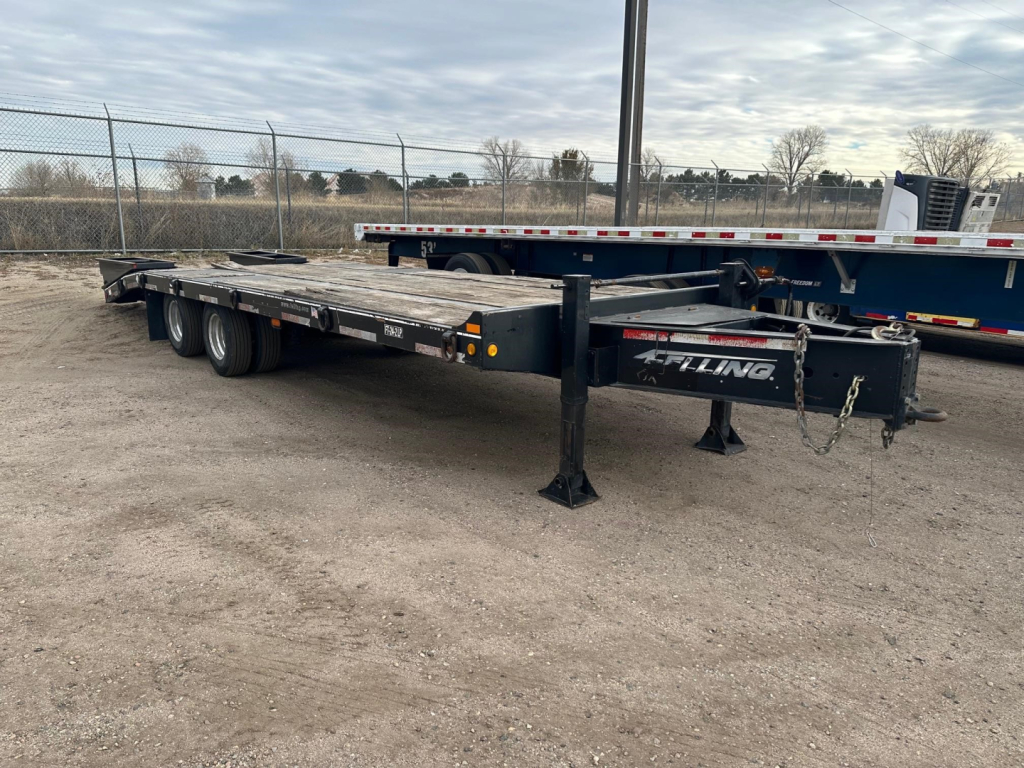
Selling a 2019 trailer? List your 2019 trailer for sale and reach thousands of commercial buyers.
2019 Trailers in Colorado
The biggest buying decision is application. For dry van work, common 2019 specs include 53-foot length, 102-inch width, swing or roll-up rear doors, wood floors, plywood lining, scuff plates, E-track, and sliding tandem axles. Reefer trailers from this year are often built around aluminum duct floors, insulated walls, bulkheads, chute systems, and Thermo King or Carrier units, and reefer hours should be reviewed just as closely as trailer condition. Flatbeds in the 2019 range are commonly 48-foot by 102-inch units with aluminum or combo construction, winch tracks, sliding winches, stake pockets, pipe spools, and coil packages. Dump trailers from this era may be frameless aluminum or frame-type steel builds, with capacity, side height, liner condition, gate style, and hoist performance being more important than cosmetics.
Colorado buyers should also consider how the trailer was used and where it spent most of its service life. Mountain hauling, aggregate work, oilfield support, and regional food distribution all put stress on different systems. On a 2019 reefer or van, inspect roof condition, door seals, crossmembers, slider box wear, brake life, and tire inflation components. On a flatbed, look for rail damage, cracked welds near concentrated load areas, floor wear, and kingpin plate condition. On a dump trailer, pay attention to tub integrity, hinge wear, cylinder performance, liner condition, and signs of twisting from uneven dumping. Corrosion is typically less severe in drier western climates than in heavy road-salt regions, but suspension wear, tire condition, and landing gear fatigue still deserve a close look.
A well-matched 2019 trailer can still fit demanding freight if the spec is right and the maintenance history is there. Buyers comparing listings should focus less on age alone and more on tare weight, payload potential, axle spread or slider setup, tire size, wheel material, brake type, and any efficiency or cargo-control equipment already installed. For Colorado operations, practical features like air ride suspension, PSI or Tire-Maxx systems, scuff protection, side skirts, coil packages, and durable flooring can make a real difference in uptime and resale. The best 2019 trailer is the one that fits the freight, the route, and the loading environment without forcing expensive rework after purchase.
Frequently Asked Questions about 2019 Trailers in Colorado
What should I check first when buying a 2019 trailer?
Start with the trailer’s intended application and structural condition. A 2019 trailer can still be a strong value, but the frame or shell, suspension, axle alignment, brake system, floor condition, and tire wear matter more than the model year alone. On reefers, verify reefer unit hours and service records. On dry vans, inspect the roof, floor, rear frame, and door hardware. On flatbeds and dumps, concentrate on frame stress, weld quality, floor or tub wear, and kingpin area condition.
Is a 2019 trailer too old for commercial fleet use?
No, not if it has the right specification and documented maintenance. Many 2019 trailers remain fully viable for regional and long-haul freight, especially when they have air ride suspension, sliding tandems, sound flooring, and good brake and tire life remaining. Buyers should judge remaining service life based on usage history, corrosion exposure, and maintenance discipline rather than age alone. A well-kept 2019 trailer can still offer years of productive service.
What trailer types are common in the 2019 market?
The 2019 market commonly includes dry vans, refrigerated trailers, flatbeds, and dump trailers. Dry vans are typically used for general freight and retail distribution. Reefers are built for temperature-controlled freight and often include duct floors, bulkheads, and chute systems. Flatbeds are used for construction materials, machinery, steel, and packaged loads that require open-deck access. Dump trailers are common in aggregate, demolition, paving, and agricultural hauling.
What matters most on a 2019 reefer trailer?
The refrigeration unit condition is a major factor, but it is only part of the evaluation. Buyers should also inspect insulation integrity, floor wear, rear doors, scuff liners, chute condition, bulkhead setup, and any tire inflation system. Reefer hours, start-run behavior, alarm history, and CARB compliance can affect operating costs and lane flexibility. A reefer trailer with a sound box and a properly maintained unit will usually hold value better than one with lower hours but poor trailer condition.
Are 2019 trailers in Colorado a good fit for mountain and regional hauling?
They can be, provided the trailer spec matches the job. Colorado operations often benefit from air ride suspension, reliable brakes, good tire condition, durable flooring, and cargo-control features suited to mixed terrain and weather. Reefer and van buyers should pay extra attention to door seals, suspension wear, and slider function. Flatbed and dump buyers should focus on frame integrity, load securement hardware, and resistance to twisting or impact damage from uneven jobsite conditions.