
Wilson Trailers For Sale in Colorado
Browse Wilson trailers for sale, including grain hopper models with aluminum construction, air ride suspensions, ag hoppers, and tarp options.
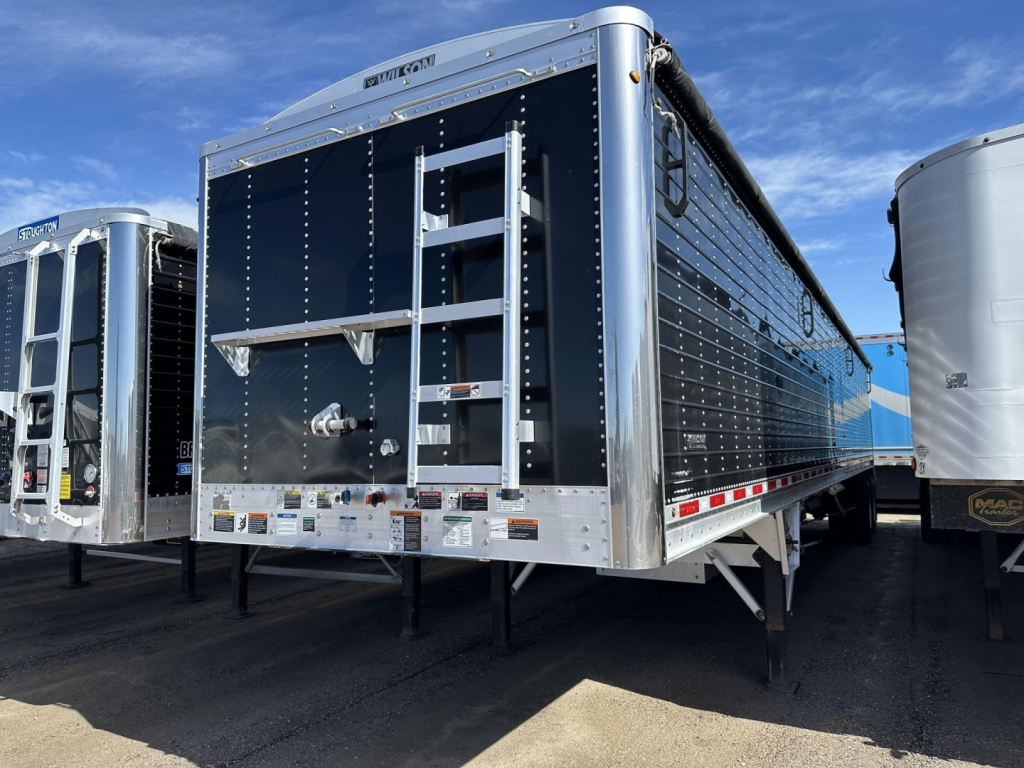
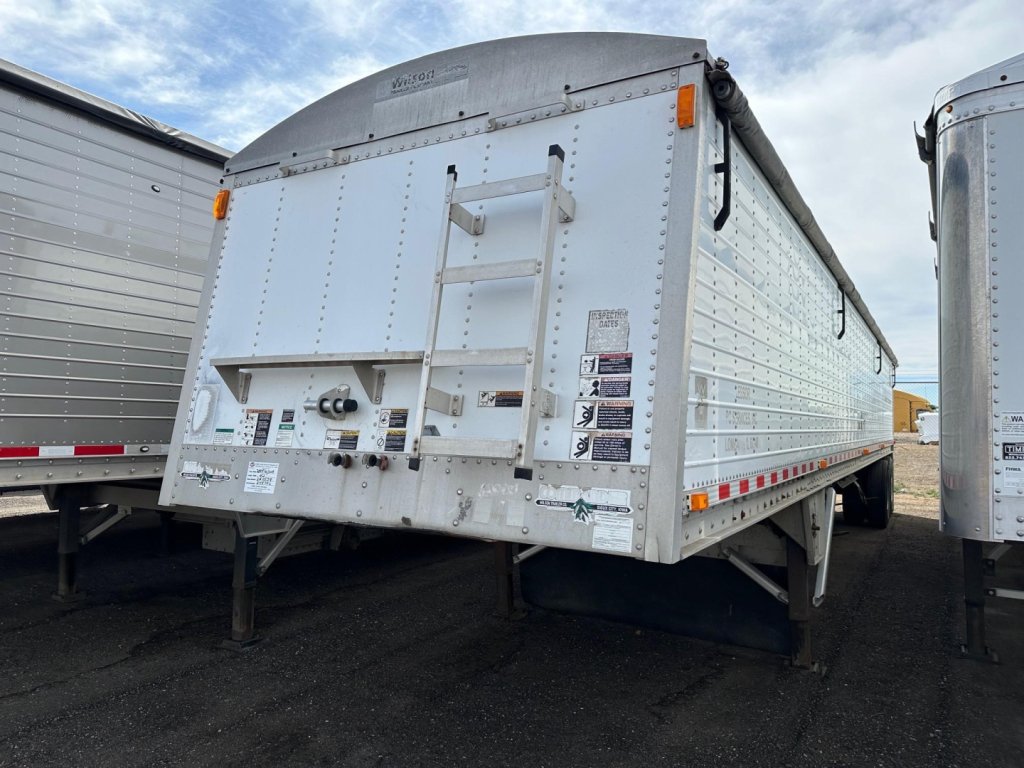
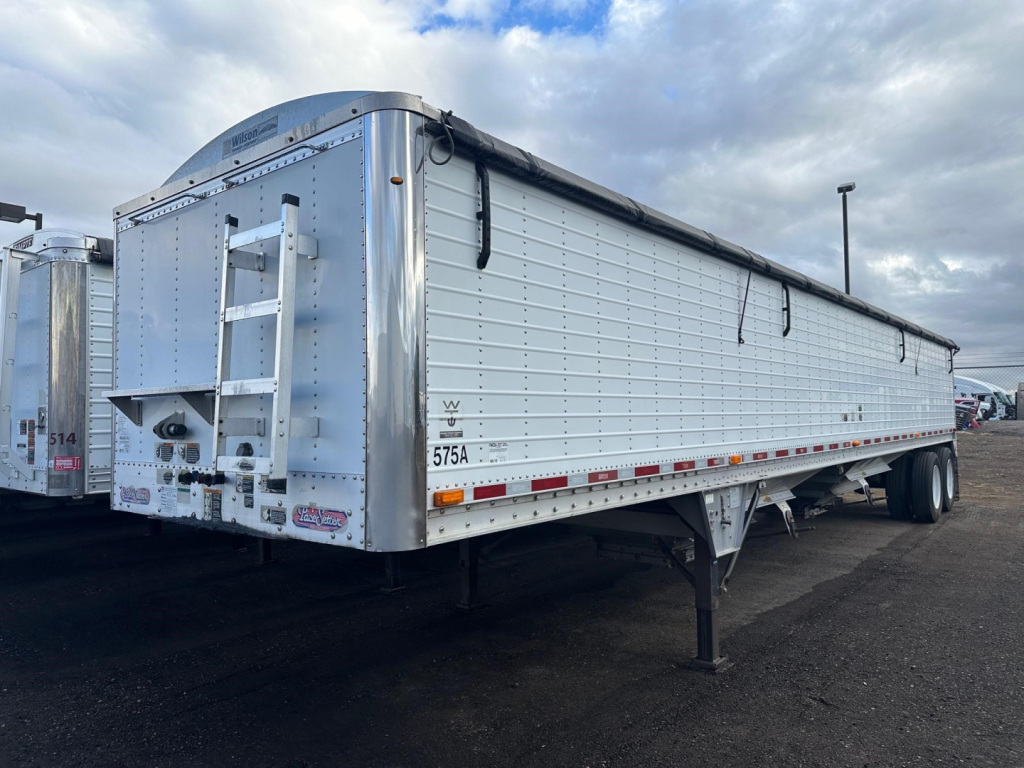
Selling a wilson trailer? List your wilson trailer for sale and reach thousands of commercial buyers.
Wilson Trailers in Colorado
A lot of the buying decision comes down to body size and hopper configuration. Common specs include 43-foot to 50-foot lengths, 96-inch width, side heights in the 72-inch to 79-inch range, tandem or tri-axle layouts, and air ride suspension. Ag hoppers and standard hopper gates each suit different loading and discharge preferences, so gate style matters if the trailer will spend time at both farm pickups and commercial elevators. Many Wilson grain hoppers are equipped with front and rear ladders, catwalks, corrugated side panels, roll tarp systems, and load scales. Electric tarps can speed up turns and reduce driver effort, while manual tarp setups remain common for buyers who want mechanical simplicity.
In Colorado, hopper trailer spec should match both harvest conditions and the roads the trailer will regularly see. A tri-axle with lift axle can make sense for heavier seasonal work or routes where axle distribution matters, while a closed tandem setup may be the better fit for lower empty weight and easier tire management. Tire size, wheel material, suspension condition, and landing gear are all worth close inspection on a used unit, but so are the details buyers sometimes miss, including trap door operation, tarp arm wear, rear frame condition, and signs of cracking around subframe and hopper mounts. If the trailer has a scale system, verify accuracy and serviceability before putting it into daily use.
Wilson hopper trailers tend to appeal to owner-operators, farm fleets, and regional bulk carriers that need a trailer that unloads cleanly and holds up through repeated seasonal cycles. Buyers comparing listings should pay close attention to side height, number of hoppers, suspension type, axle configuration, and whether the trailer has vented hoppers, polished outer wheels, stainless front corners, or a full stainless rear panel. Those details affect payload, unload speed, durability, and appearance, and they can also influence how well the trailer fits your elevator network, commodity mix, and maintenance program.
Frequently Asked Questions about Wilson Trailers in Colorado
What are the most common Wilson trailer types in this category?
The most common Wilson trailers in this category are aluminum grain hopper trailers, often used for corn, soybeans, wheat, feed, and other bulk agricultural commodities. Buyers will typically see models with tandem or tri-axle configurations, air ride suspension, two hopper bays, and side heights designed to balance cubic capacity with legal payload and route requirements.
What should I look for when buying a used Wilson grain hopper trailer?
Focus first on structural condition and operating components. Check the subframe, crossmembers, hopper supports, gate mechanisms, tarp system, suspension, wheel ends, and rear frame area for wear, repairs, or cracking. Also confirm the condition of ladders, catwalks, landing gear, and any scale equipment. On an aluminum hopper, evidence of corrosion is usually less of a concern than fatigue around high-stress points and the overall quality of previous repairs.
Is a tandem or tri-axle Wilson hopper better for grain hauling?
That depends on payload targets, bridge laws, and the lanes you run. Tandem axle hopper trailers are simpler, lighter, and often easier to maintain, which helps maximize payload. Tri-axle units can improve axle distribution and may be useful in operations where legal weight and seasonal road conditions justify the extra axle, especially if the trailer includes a lift axle for flexibility when running empty.
Why do buyers prefer aluminum Wilson hopper trailers?
Aluminum construction helps reduce trailer weight, which can increase legal payload on bulk commodity hauls. It also offers strong corrosion resistance and generally supports good resale value. For fleets and owner-operators running grain season after season, that combination of lighter weight, durability, and market acceptance makes aluminum Wilson hoppers a practical long-term choice.
How important are tarp and hopper gate options on a Wilson trailer?
They matter more than many buyers expect because they affect daily cycle time and unloading convenience. Manual roll tarps are common and straightforward to maintain, while electric tarp systems reduce driver effort and can speed up loading and unloading stops. Hopper gate style also matters because ag hoppers and standard gates can perform differently depending on the commodity, pit setup, and how quickly the trailer needs to clean out between loads.