
Wilson Trailers For Sale
Shop Wilson trailers for grain, flatbed, and drop deck hauling. Compare aluminum construction, specs, configurations, and common applications.

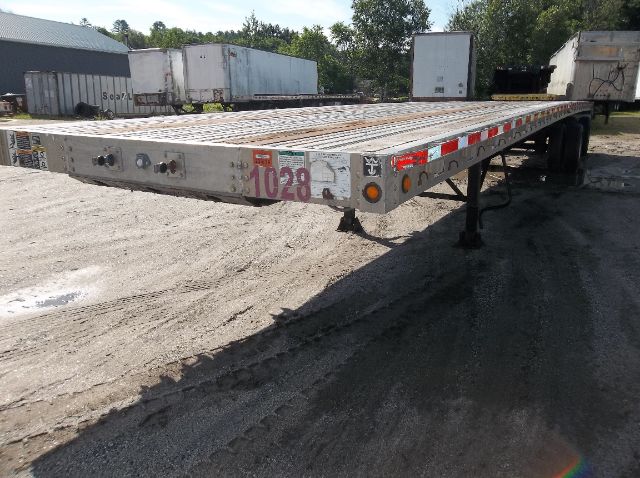

Selling a wilson trailer? List your wilson trailer for sale and reach thousands of commercial buyers.
Wilson Trailers
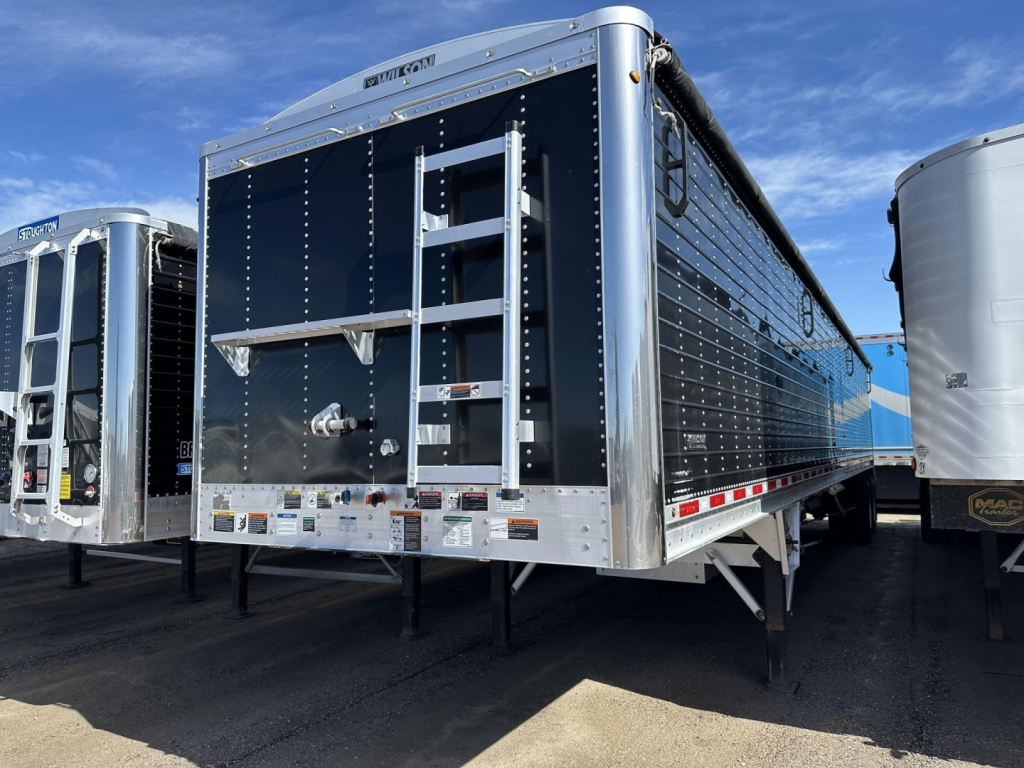
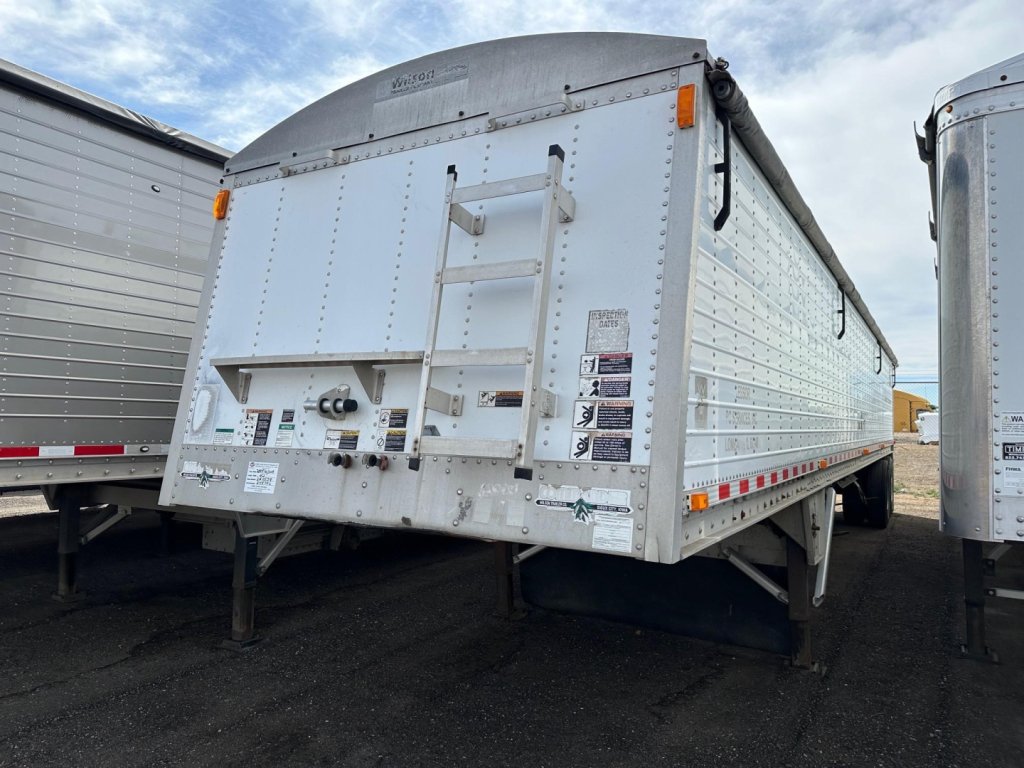
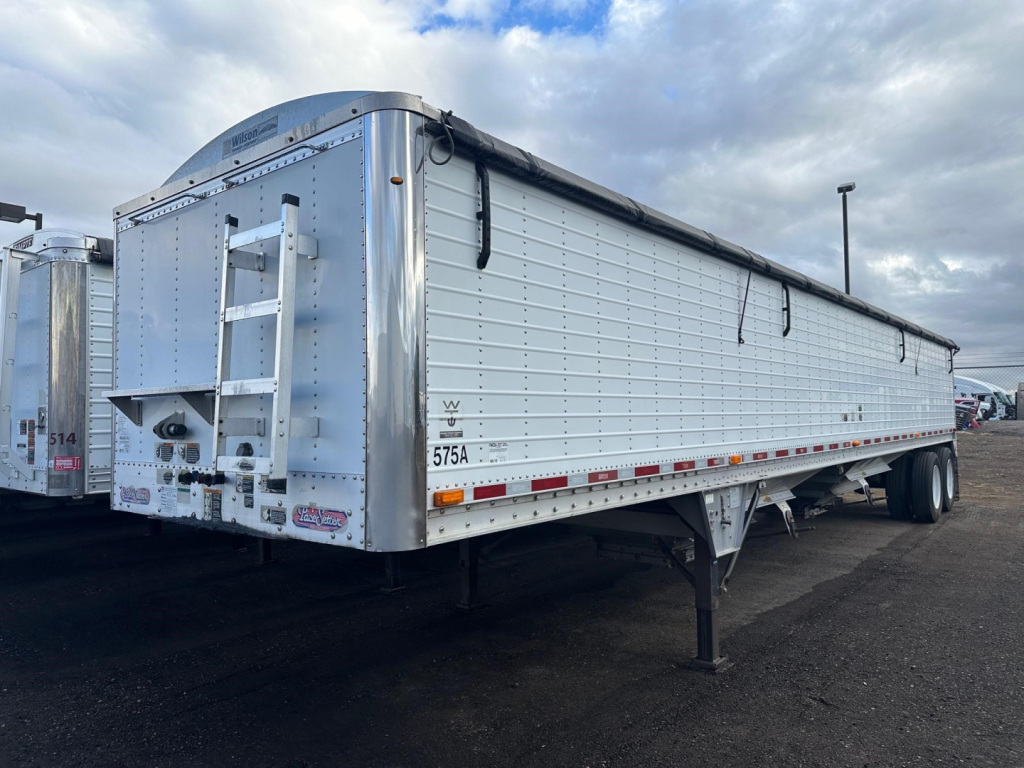
For hopper buyers, Wilson Pacesetter grain trailers are among the most recognized specs in the segment. Common details include 43-foot to 50-foot lengths, 72-inch to 79-inch side heights, ag hoppers, front and rear ladders, catwalks, and manual or electric roll tarps. Air ride suspension is common, and many units include air or liquid-filled load scale systems that help with axle weights in the field and at the elevator. Stainless front corners, stainless radius panels, corrugated side panels, and aluminum wheels are all features buyers watch closely because they affect durability, cleanout, and long-term appearance. Axle setup also matters. Tandem and tri-axle hoppers each have advantages depending on bridge laws, payload targets, and the states where the trailer runs.
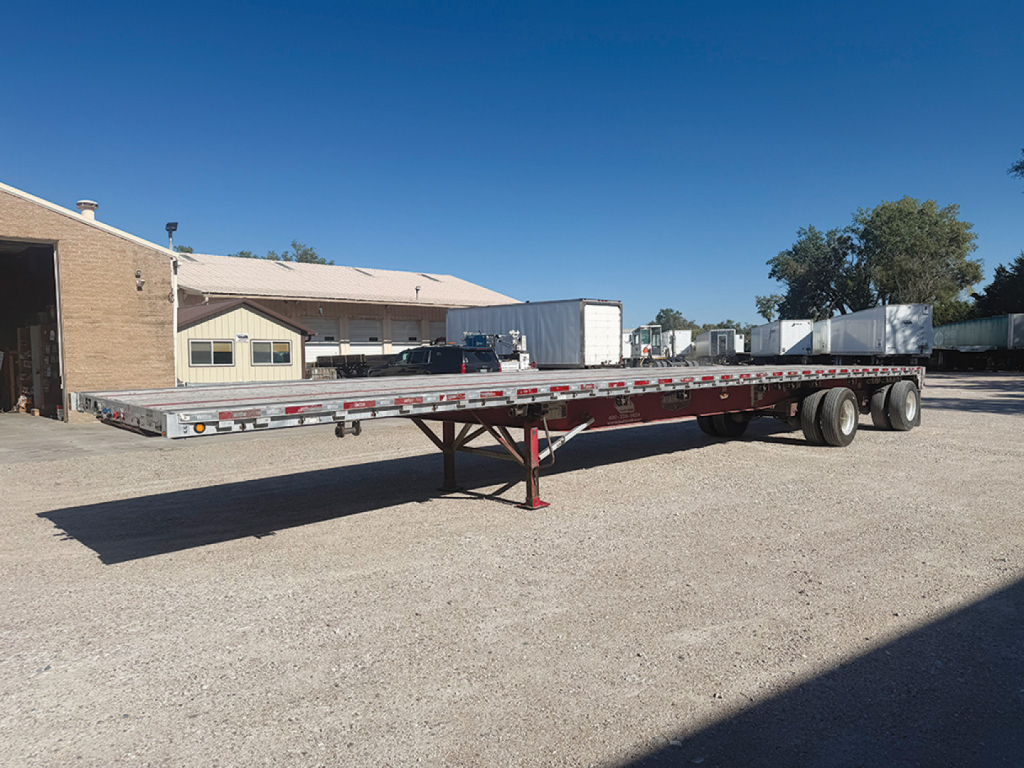
Wilson flatbeds and drop decks are typically chosen for operators who want a lighter trailer without giving up securement flexibility. Combo flatbeds are common, often in 48-foot by 102-inch spread-axle form with aluminum floors, sliding winches, side rails, and air ride suspension. Wilson drop decks, including all-aluminum models, are popular in hay, machinery, palletized freight, and taller loads that need lower deck height. Buyers should pay attention to kingpin settings, axle spread, deck length split between upper and lower deck, rear deck height, frame rating, and floor type with nailers if mixed freight is part of the work. Features like J-track, winch tracks, toolbox placement, ramp brackets, and tire size can make a real difference in daily use and loading options.
Condition matters more than age alone on a Wilson trailer. On hopper trailers, inspect trap doors, hopper assemblies, tarp system operation, subframe condition, suspension wear, and signs of cracking around stress points. On flatbeds and step decks, check the deck surface, crossmembers, fifth wheel plate area, landing gear, axle alignment, and the condition of winches, rails, and securement points. Tire size, wheel mix, brake life, and suspension type should match the freight and route profile. A well-spec'd Wilson trailer can hold value for years, but the best buy is the one whose length, axle configuration, deck setup, and tare weight fit the exact freight you plan to haul.
Frequently Asked Questions about Wilson Trailers
What types of Wilson trailers are most common on the used market?
Wilson hopper trailers are the most common, especially Pacesetter grain hopper bottoms used in agricultural hauling. Wilson flatbeds and aluminum drop decks are also widely traded, particularly among carriers hauling hay, building materials, machinery, and general commodity freight. The exact mix varies by region, but buyers most often compare hopper, flatbed, and step deck configurations when shopping this make.
Why do buyers look for Wilson aluminum trailers?
The main advantages are lower empty weight, corrosion resistance, and strong resale demand. Aluminum construction can increase legal payload compared with heavier trailer builds, which is especially important in grain, fertilizer, and bulk commodity service. It also tends to hold up well in weather and seasonal use, although buyers still need to inspect for fatigue, repaired cracks, and wear in high-stress areas.
What should I check first on a used Wilson hopper trailer?
Start with the hopper assemblies, trap doors, tarp system, suspension, and structural areas around the subframe and kingpin. Check side panels, seams, ladders, catwalk mounts, and any stainless components for damage or prior repairs. It is also important to verify side height, hopper type, axle configuration, and scale system because those details directly affect legal payload, unloading speed, and fit for your operation.
What specs matter most on a Wilson flatbed or drop deck?
The key specs are overall length, deck length breakdown, width, axle spread, kingpin setting, deck height, frame rating, and floor construction. Securement equipment is also critical, including sliding winches, winch track, J-track, tie-down points, and toolboxes. These details determine what freight the trailer can legally and efficiently haul, and they affect how easily the trailer works with your tractors and route requirements.
Are tandem or spread axle Wilson trailers better?
Neither is universally better because the right choice depends on freight, state bridge laws, and maneuverability needs. Spread axles often improve weight distribution and can be preferred on flatbeds and some drop decks, but they can add tire scrub in tight turns. Tandem setups are easier to maneuver and may fit certain regional operations better. On hopper trailers, tandem versus tri-axle decisions usually come down to payload goals and the legal requirements where the trailer runs most often.