
Wilson Hopper Trailers For Sale
Shop Wilson hopper trailers built for grain and ag hauling, with aluminum construction, air ride options, tandem or tri-axle setups.
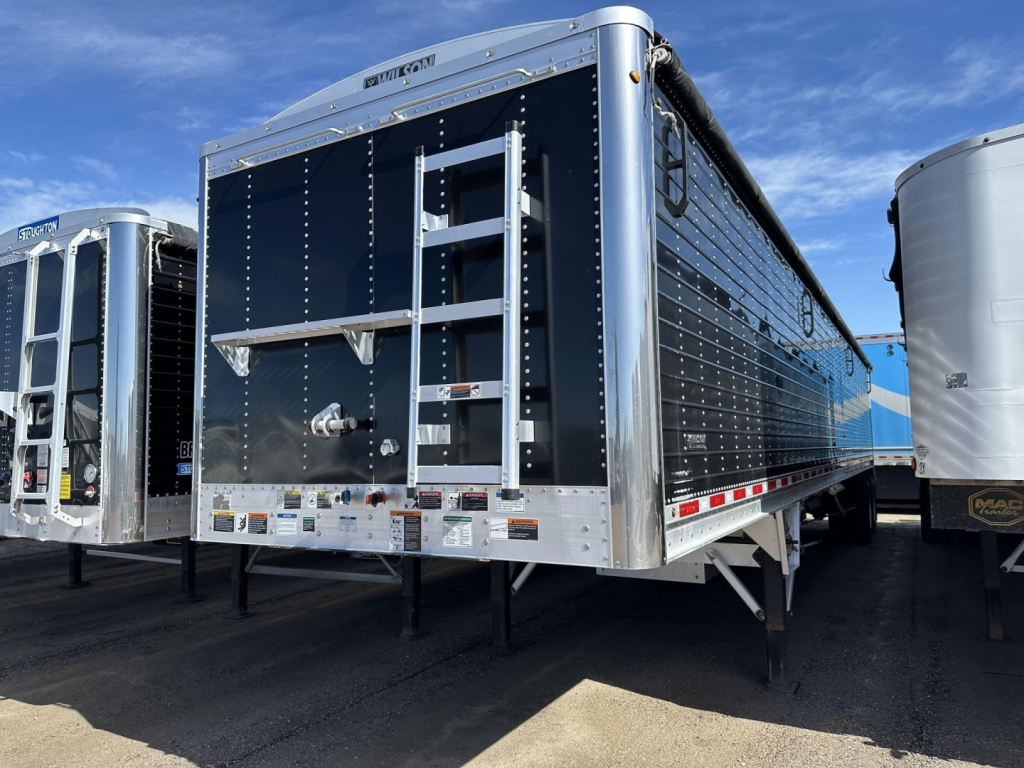
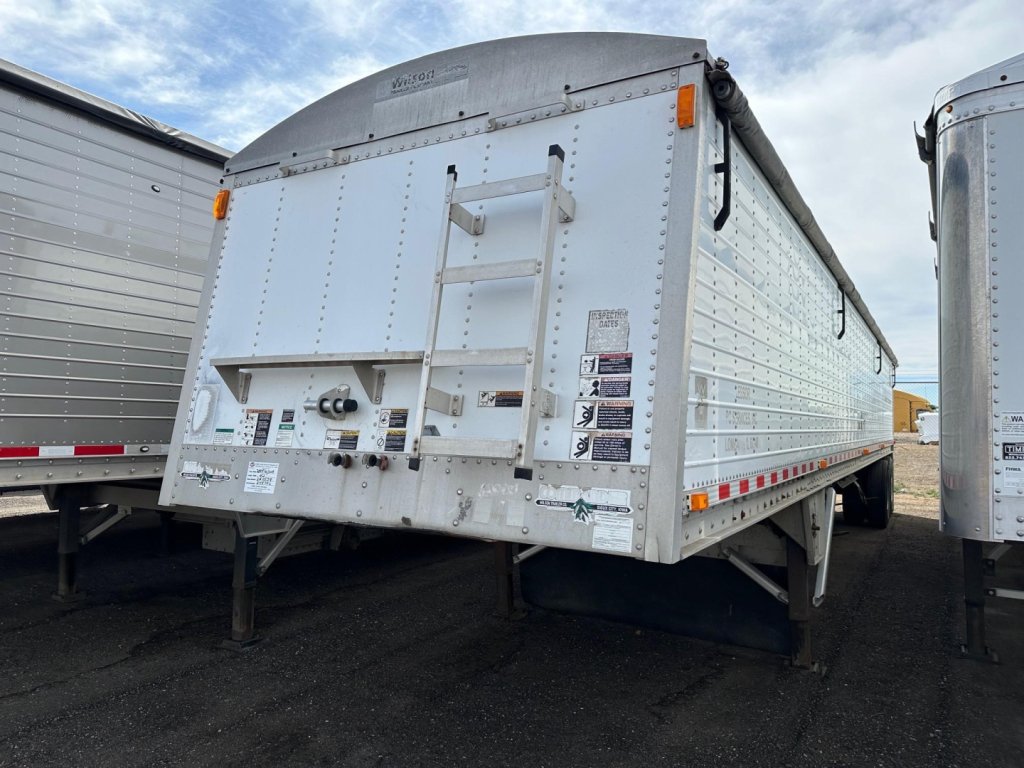
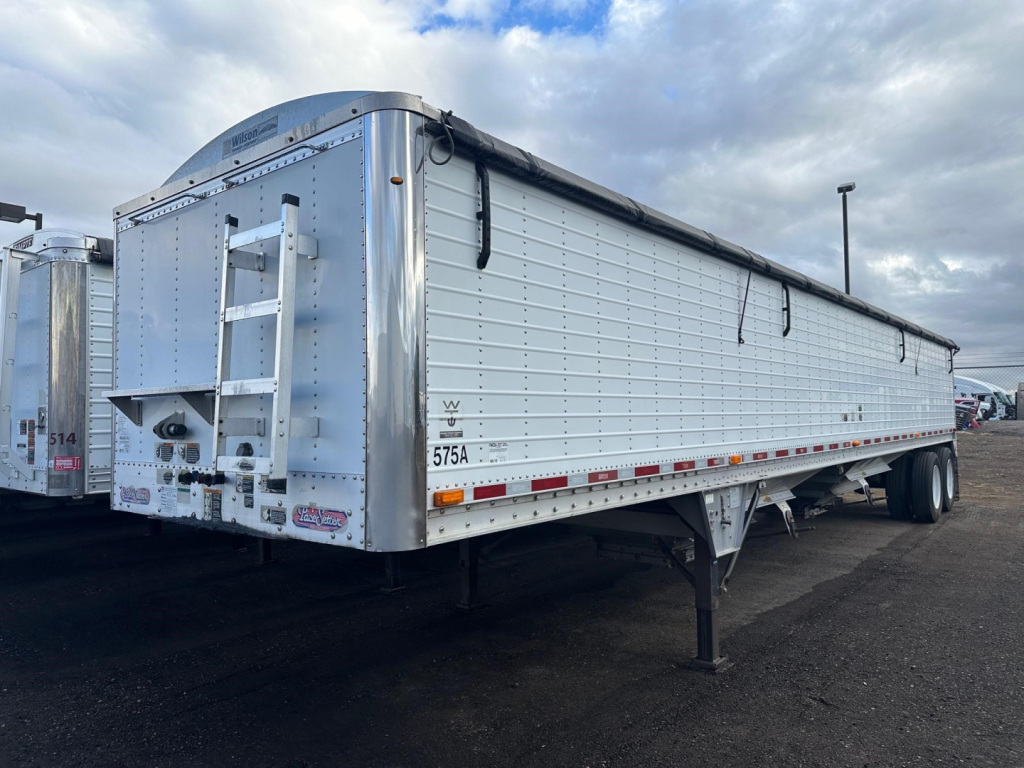
Selling a wilson hopper trailer? List your wilson hopper trailer for sale and reach thousands of commercial buyers.
Wilson Hopper Trailers
Construction details are a big part of the buying decision on a Wilson hopper. Aluminum composition helps keep tare weight down, while corrugated side panels, stainless front corners, stainless rear panels, and aluminum subframes are common features depending on the spec. Many trailers in this class have two ag hoppers or standard hoppers, front and rear ladders, catwalks, and roll tarps. Manual tarps are simple and lower cost, while electric tarps save time and reduce effort during frequent loading cycles. Air ride suspension is a common choice for ride quality and cargo protection, and wheel specs often mix polished aluminum outside wheels with steel inside wheels to balance appearance, cost, and durability.
For day-to-day use, pay attention to discharge layout, hopper gate operation, and scale equipment. Ag hoppers are popular when fast unload and commodity flow are the priority. Load scale gauges or air scale systems can add real value if you load in the field or need tighter weight control before hitting the road. Side height matters too. A 72-inch side trailer may fit some operations well, while 79-inch sides can increase volume for lighter commodities. Tire size, closed or spread tandem arrangement, lift axles on tri-axle models, vented hoppers, and knock rails can all affect how the trailer performs in regional grain markets and elevator work.
A good Wilson hopper trailer spec depends on where it runs and what it hauls. Tandem axle grain hoppers are often preferred for general farm-to-elevator work and simpler maintenance. Tri-axle configurations can make sense for operators chasing payload and bridge law flexibility. Buyers comparing used Wilson hopper trailers should look closely at gate seals, tarp condition, suspension wear, wheel-end service history, subframe condition, ladder and catwalk integrity, and any cracking around high-stress areas. When the spec matches the commodity, legal weight target, and unloading setup, a Wilson hopper trailer remains one of the most dependable choices in the aluminum grain trailer market.
Frequently Asked Questions about Wilson Hopper Trailers
What are the most common Wilson hopper trailer sizes?
Wilson hopper trailers are commonly found in 43-foot and 50-foot lengths with 96-inch width, though exact specs vary by model and application. A 43-foot tandem axle trailer is a common grain-hauling setup for general ag work, while a 50-foot tri-axle trailer is often chosen when payload distribution and bridge compliance are more important. Side heights such as 72 inches or 79 inches also play a major role because they affect cubic capacity and the type of commodity the trailer handles best.
What is the difference between a Wilson Pacesetter and other Wilson hopper models?
The Wilson Pacesetter is one of the brand's best-known aluminum grain hopper trailer lines and is widely used in agricultural hauling. It is typically valued for low tare weight, corrosion resistance, and straightforward grain trailer design. Other Wilson hopper models may vary in body design, subframe setup, axle arrangement, and intended payload or regional use, so buyers should compare actual trailer specs rather than relying only on the model name.
Is a tandem axle or tri-axle Wilson hopper trailer better?
A tandem axle Wilson hopper trailer is often the better fit for operators who want a simpler, lighter trailer for routine farm, elevator, and short-to-medium haul grain work. A tri-axle trailer can be the better choice when state weight laws, bridge formulas, or payload goals justify the added axle. The right answer depends on where the trailer operates, what commodities it hauls, and whether the extra maintenance and tire cost of a tri-axle setup is offset by legal payload advantages.
What features should I check on a used Wilson hopper trailer?
The most important items to inspect on a used Wilson hopper trailer are the hopper gates, seals, tarp system, suspension components, wheel ends, tires, brakes, and structural condition of the aluminum body and subframe. Buyers should also inspect ladders, catwalks, landing gear, and any stainless panels for damage or repairs. If the trailer has a scale system, electric tarp, or lift axle, verify that each system works correctly because those options add value only when they are fully functional.
What commodities are Wilson hopper trailers typically used for?
Wilson hopper trailers are primarily used for grain and other free-flowing bulk agricultural products such as corn, soybeans, wheat, milo, and feed ingredients. Depending on liner condition, seals, and hopper design, they may also be used for some fertilizer or other dry bulk materials, but the trailer should be matched carefully to the commodity. For most buyers, these trailers are purpose-built aluminum grain hoppers designed for fast loading, protected transport under tarp, and gravity discharge at elevators, bins, and processing facilities.