
Wilson Hopper Trailers For Sale in Colorado
Shop Wilson hopper trailers for grain and bulk commodity hauling. Compare lengths, side heights, hopper setups, tarp systems, and axle options.
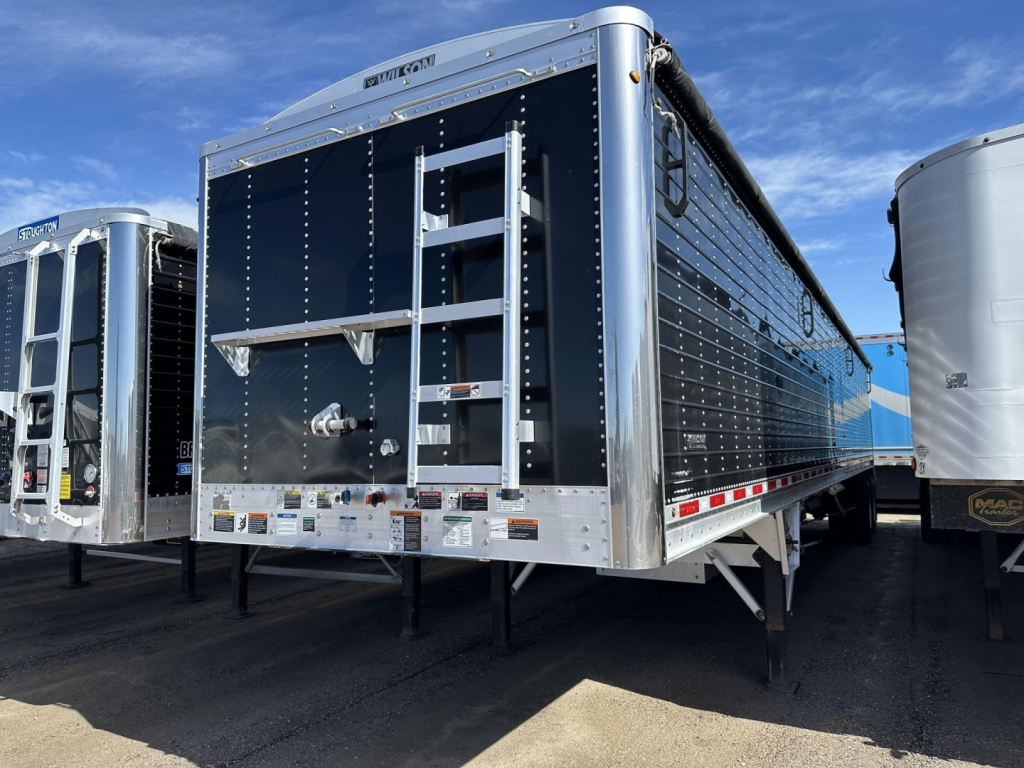
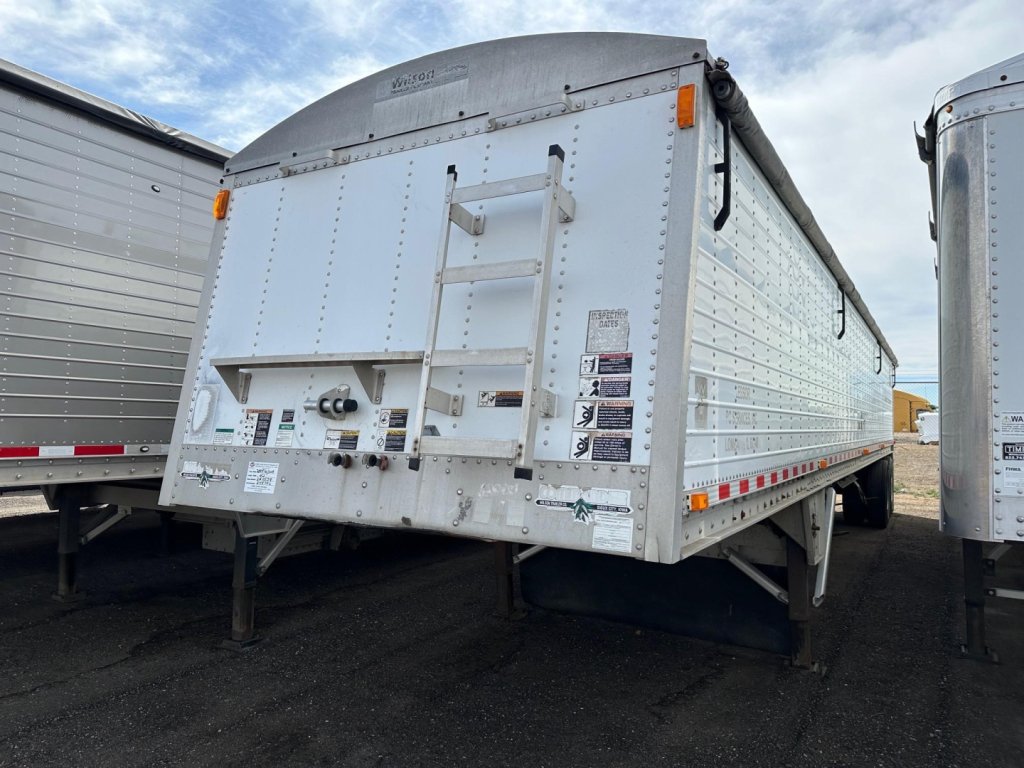
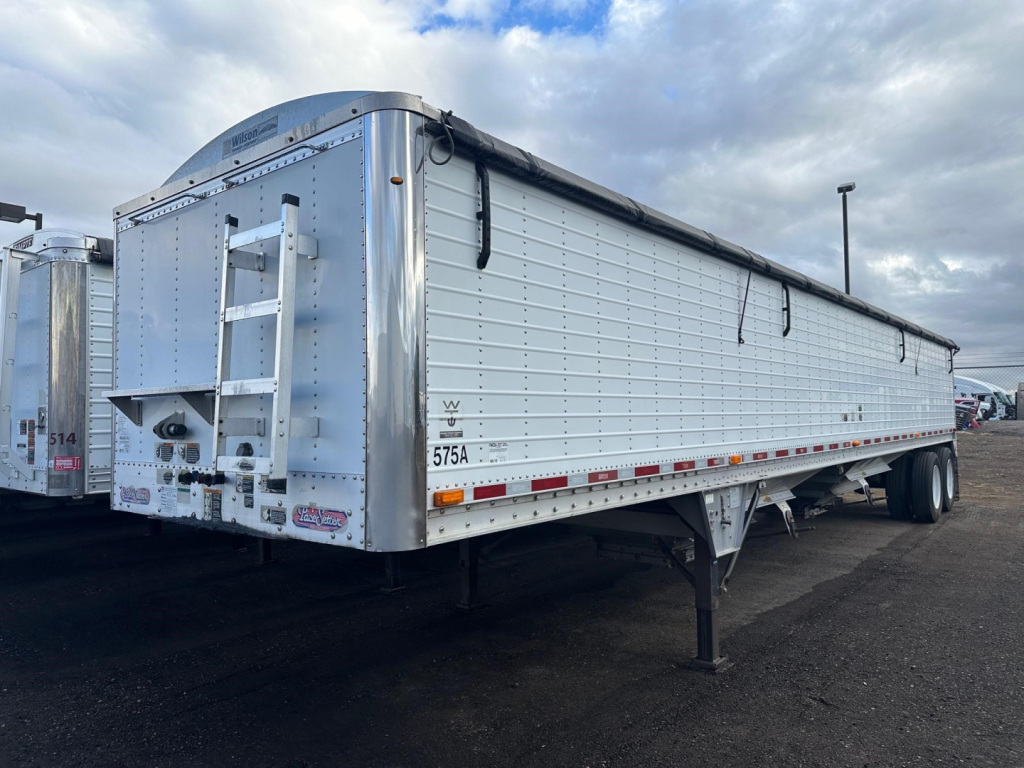
Selling a wilson hopper trailer? List your wilson hopper trailer for sale and reach thousands of commercial buyers.
Wilson Hopper Trailers in Colorado
One of the first buying decisions is matching trailer size and hopper configuration to the commodity mix. A 42-foot hopper trailer is a versatile grain setup for general farm and elevator work, while a 50-foot trailer can make sense when cubic capacity is the priority and the hauling lanes support it. Two standard ag hoppers are the norm, and details such as knock rails, trap design, and door operation affect unload speed and cleanup between loads. Side height also matters. Taller 72-inch sides increase volume, but buyers still need to weigh that against commodity density, legal gross weight, and center-of-gravity considerations on rural roads and uneven approaches.
Wilson trailers are also known for practical options that make daily use easier. Manual rollover tarps are still common and simple to maintain, while electric tarp systems save time when the trailer is loaded and unloaded multiple times a day. Front and rear ladders with catwalks are standard features many operators expect for tarp access and inspection. Stainless front corners, scale systems or scale gauges, vibrators, light package upgrades, and lift axles are all options that can change the trailer's value depending on the job. Wheel material and tire profile also deserve a close look because aluminum wheels help with weight savings, while tire size and condition affect both ride height and replacement cost.
Condition on a used Wilson hopper trailer should be judged by more than appearance. Buyers should inspect the subframe, crossmembers, suspension, kingpin area, hopper seams, trap doors, and tarp hardware for signs of hard farm use, corrosion, repairs, or bent structure. Check for cracking around high-stress points, wear at the hopper outlets, and damage from augers, loading spouts, or rough unloading sites. Air ride performance, brake condition, and axle alignment are critical on any grain trailer that sees seasonal miles and heavy gross weights. A well-kept Wilson hopper trailer can hold value for a long time, but the right trailer is the one with a spec that matches your commodity, route, and legal payload target.
Frequently Asked Questions about Wilson Hopper Trailers in Colorado
What are the most common specs on a Wilson hopper trailer?
Common Wilson hopper trailer specs include 42-foot to 50-foot lengths, 96-inch width, side heights from about 66 to 72 inches, two hopper bottoms, and air ride suspension. Many are built with aluminum construction and corrugated side panels to reduce weight while maintaining strength. Buyers will also commonly see closed tandem or tri-axle layouts, manual or electric rollover tarps, and a mix of aluminum and steel wheel setups.
Is a tandem or tri-axle Wilson hopper trailer better for grain hauling?
The better choice depends on payload targets, state regulations, and where the trailer will run. A tandem axle hopper trailer is simpler, lighter, and common for general grain hauling. A tri-axle setup can help with weight distribution and bridge compliance in certain operations, and some trailers add lift axles for flexibility. The tradeoff is more complexity, more tires and brakes to maintain, and potentially higher tare weight.
What should I inspect on a used Wilson grain hopper trailer?
Focus on the structural and operating areas first. Inspect the kingpin plate, subframe, crossmembers, suspension mounts, hopper seams, trap doors, and discharge areas for cracks, repairs, or wear. Check the tarp system, ladders, catwalk, lights, brake components, and air system. It is also smart to look closely at axle alignment, wheel-end condition, and any signs that the trailer has been overloaded or damaged during loading and unloading.
Are electric tarps worth it on a hopper trailer?
Electric tarps are often worth the extra cost for operators who load and unload frequently or want faster, more consistent tarp operation. They reduce the physical effort of covering the load and can save time during busy harvest or shuttle work. Manual tarps are still widely used because they are straightforward, lighter, and generally cheaper to repair, so the right choice depends on duty cycle and maintenance preference.
Why do Wilson hopper trailers hold value well?
Wilson hopper trailers tend to hold value because the brand is well known in grain and bulk commodity hauling, and their aluminum designs are widely accepted in the resale market. Buyers recognize the appeal of lighter weight, practical spec choices, and strong parts and service familiarity. Resale value still depends on maintenance, axle and suspension condition, trap and tarp function, and whether the trailer's dimensions and capacity fit current hauling needs.