
CPS Trailers For Sale in Colorado
Shop CPS trailers for sale in Colorado, including bottom dump trailers with air ride, electric tarps, tandem or tri-axle setups, and high GVWR.
Selling a cps trailer? List your cps trailer for sale and reach thousands of commercial buyers.
CPS Trailers in Colorado
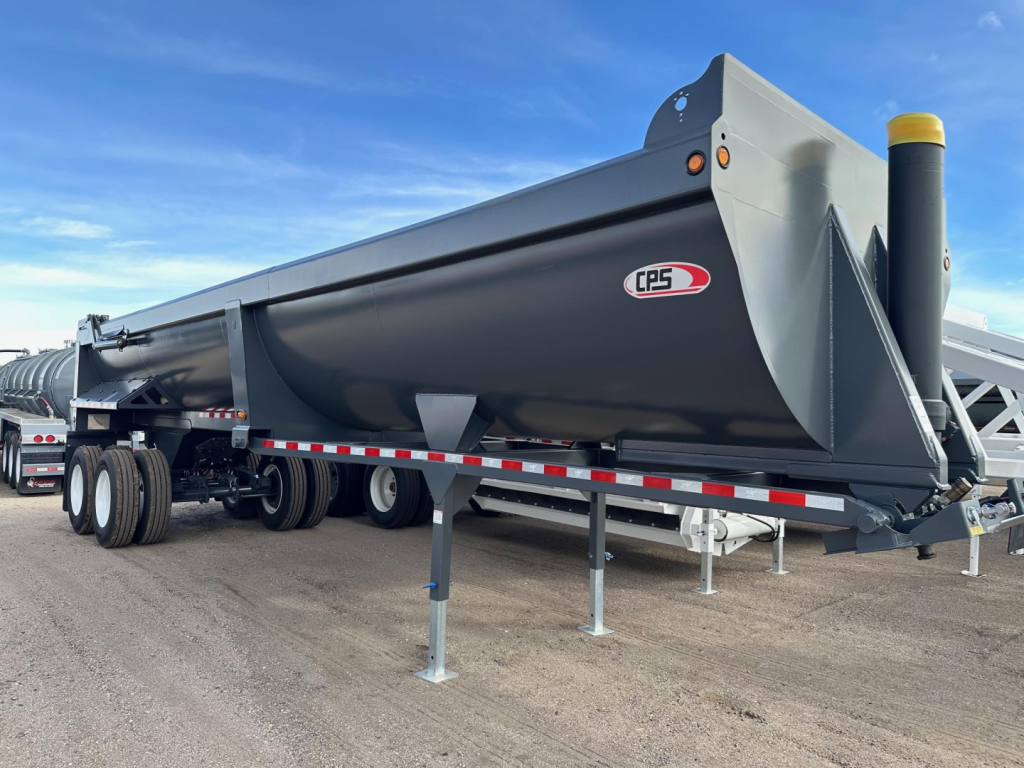
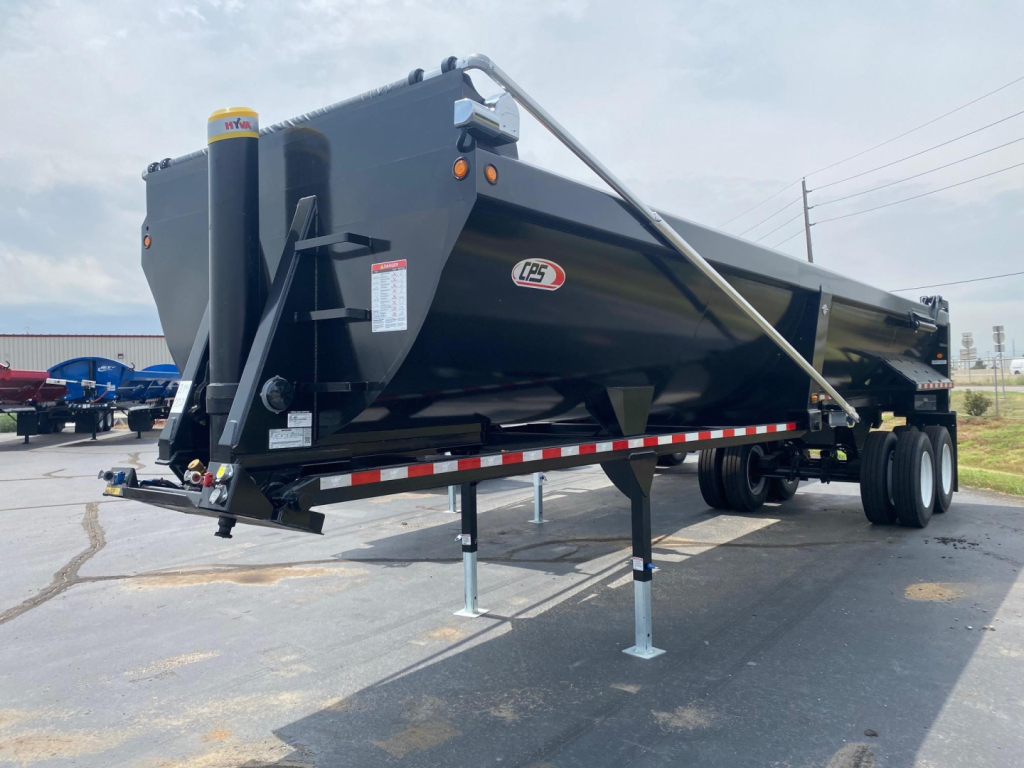
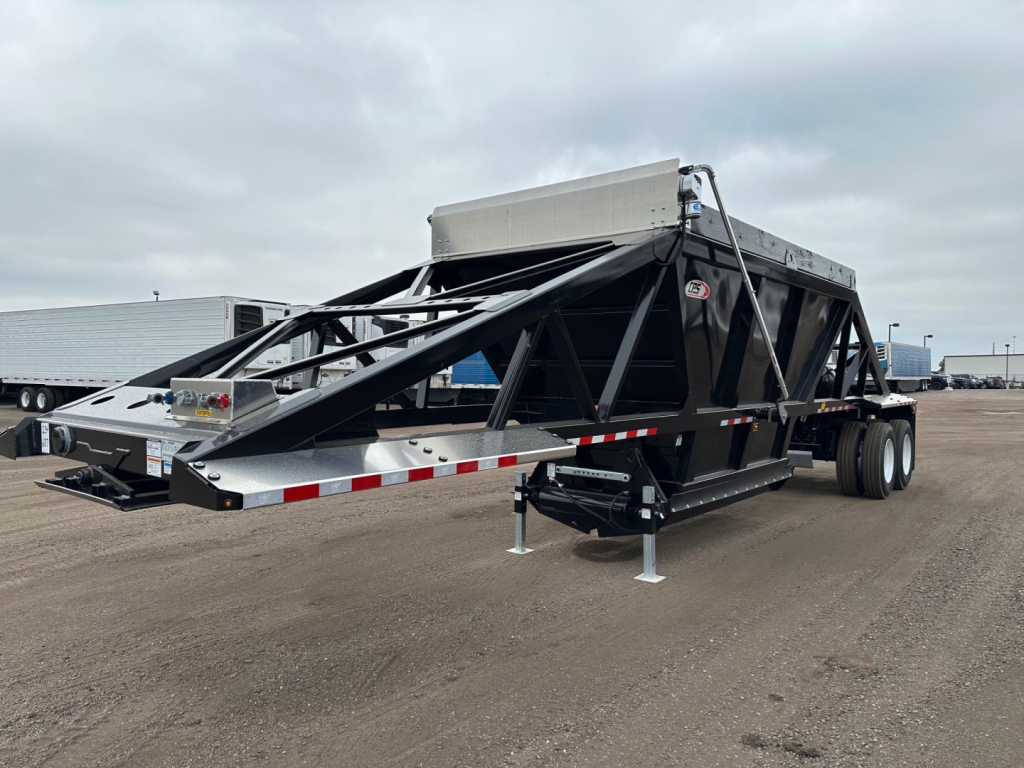
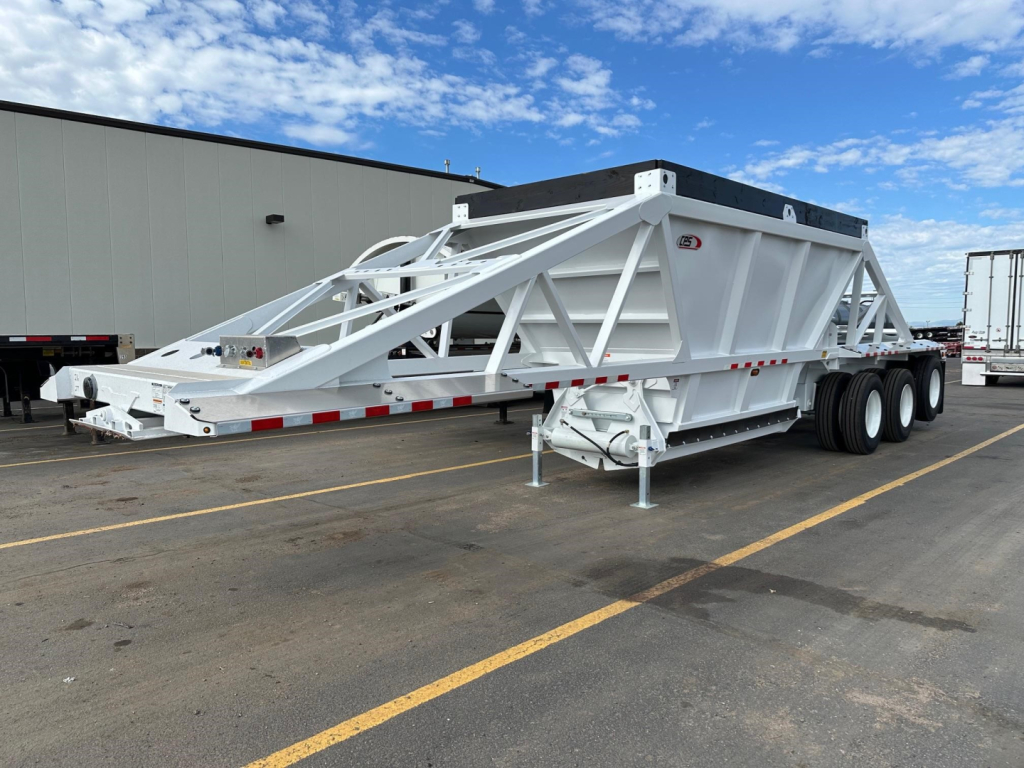
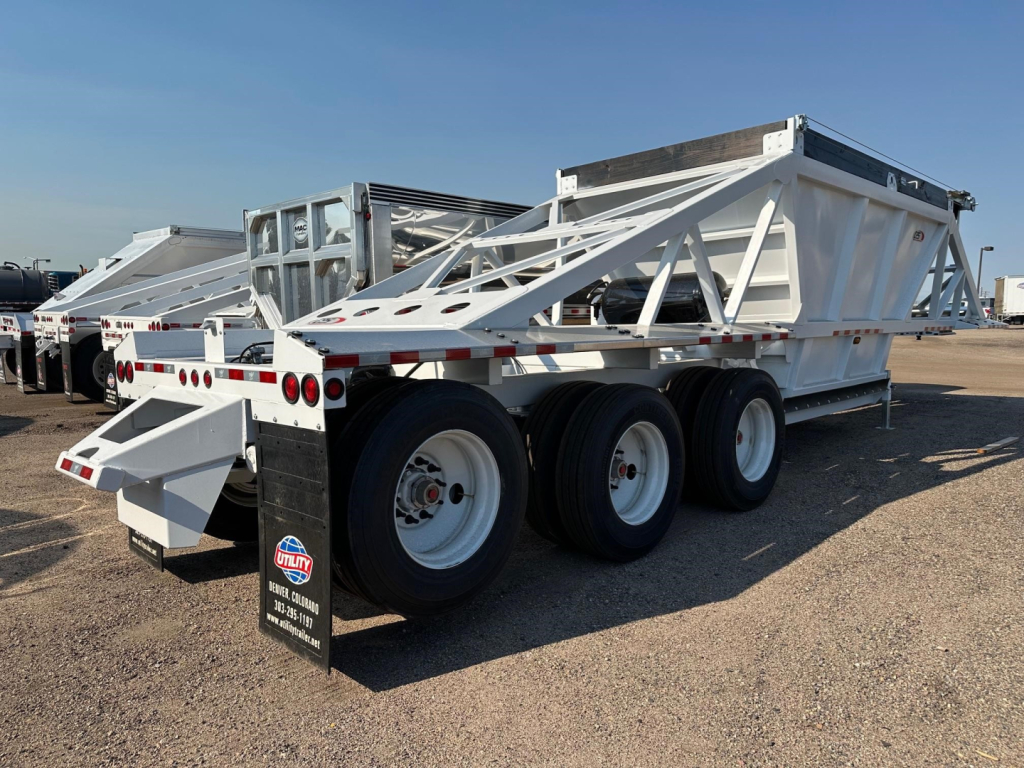
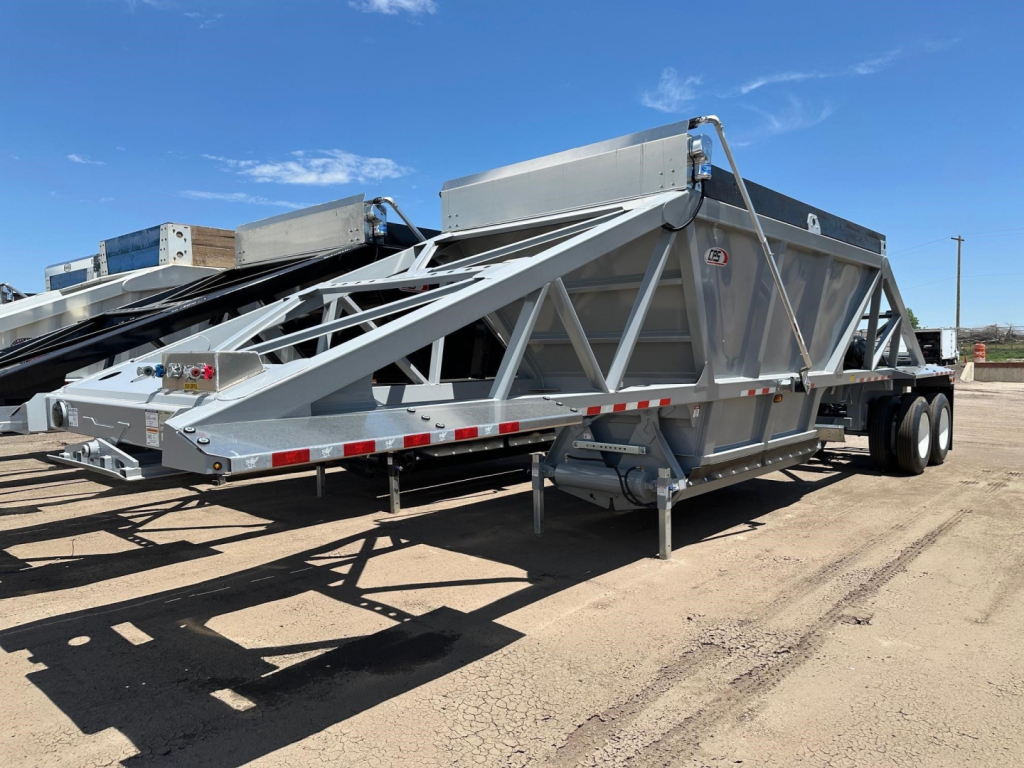
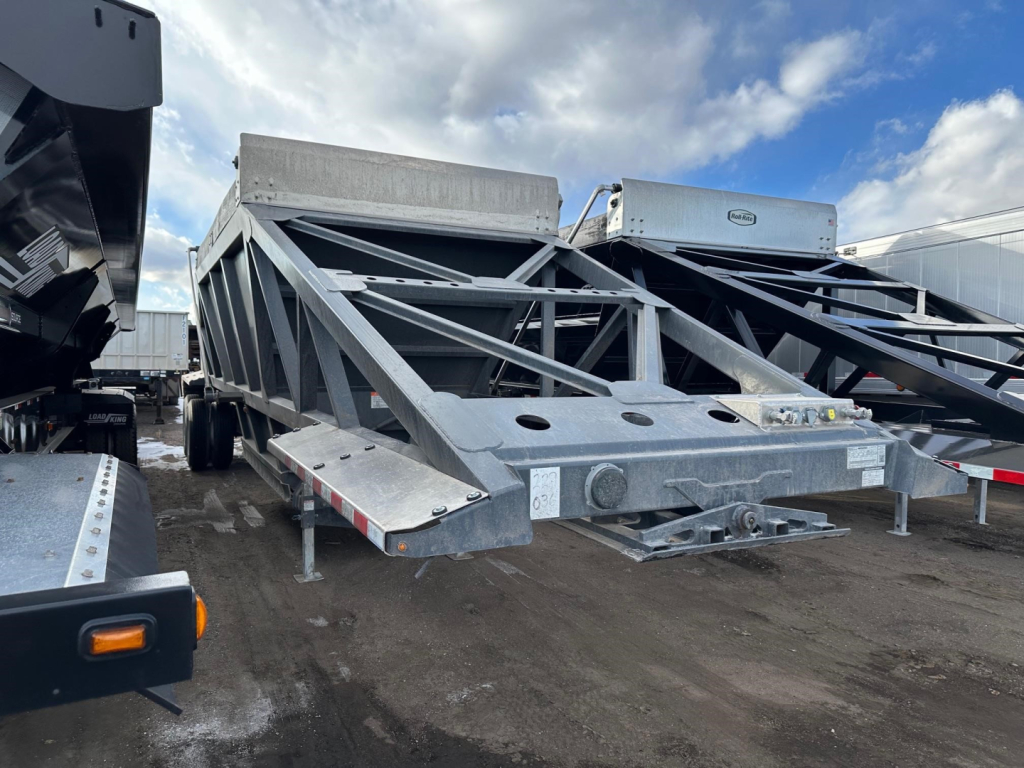
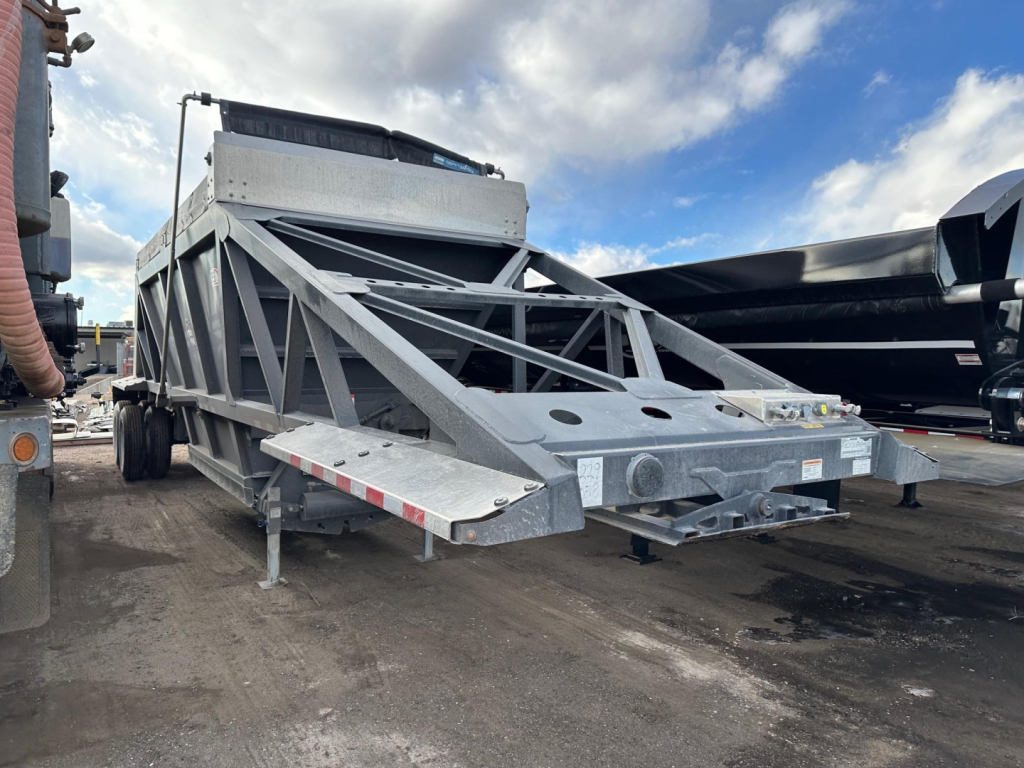
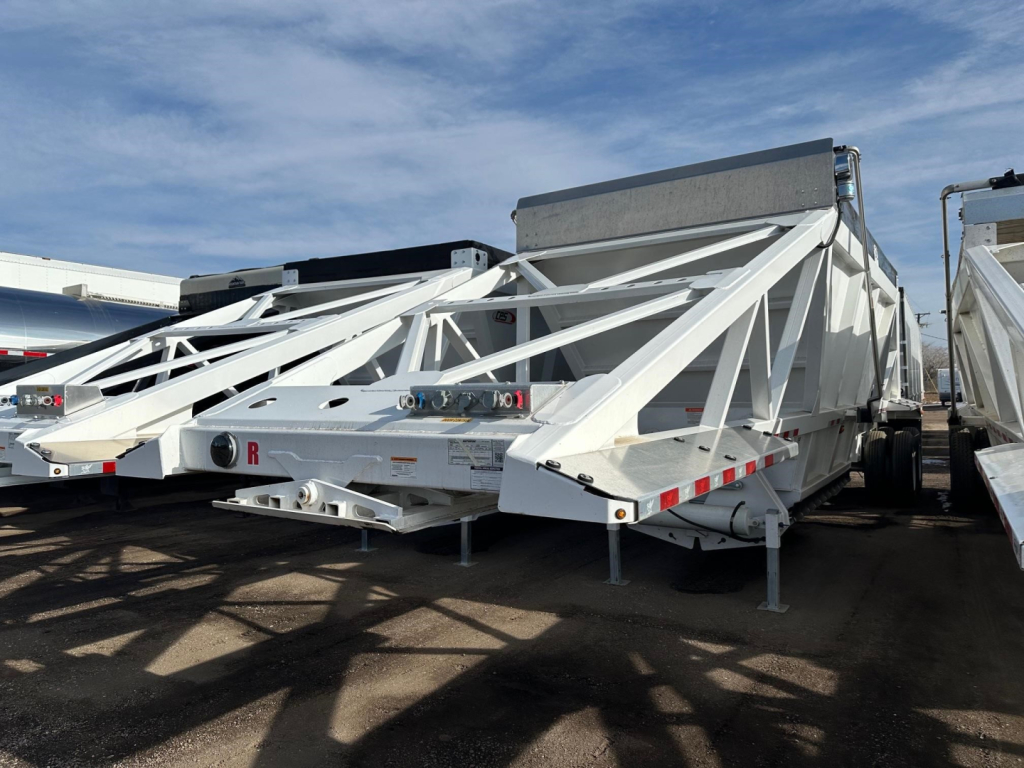
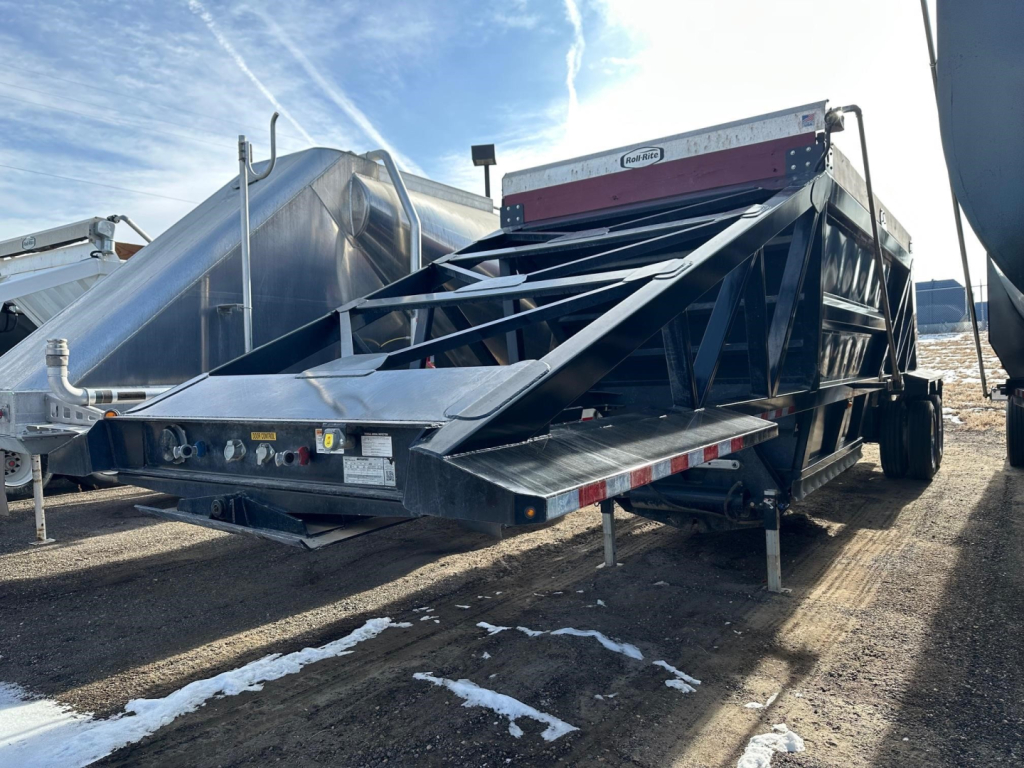
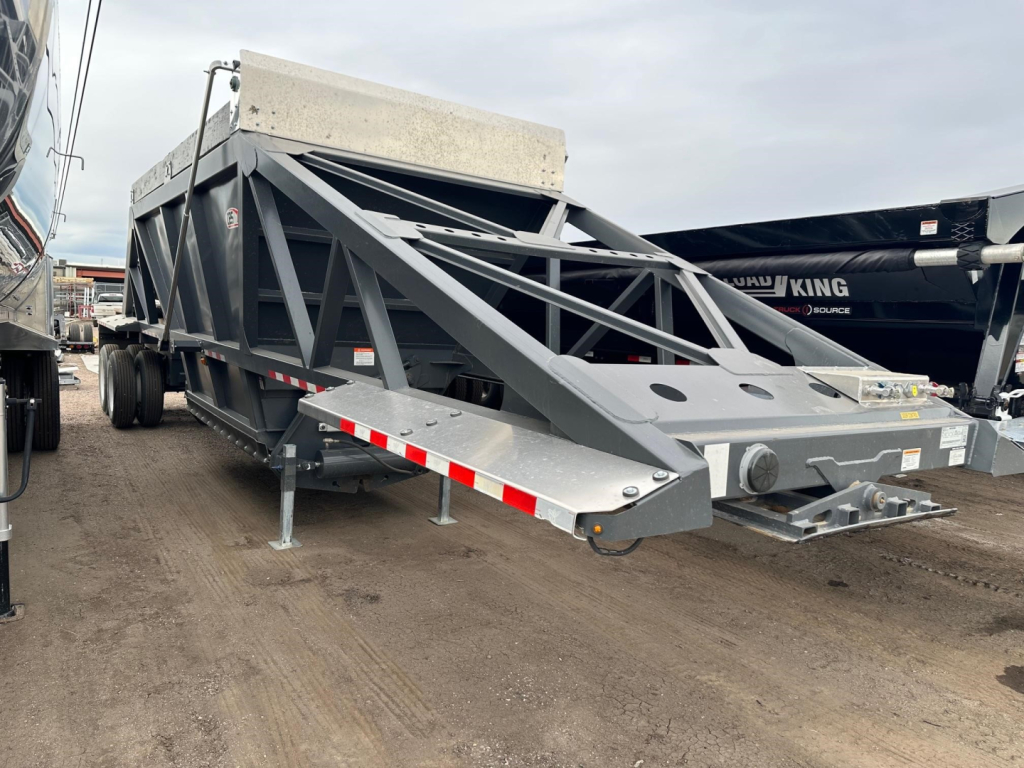
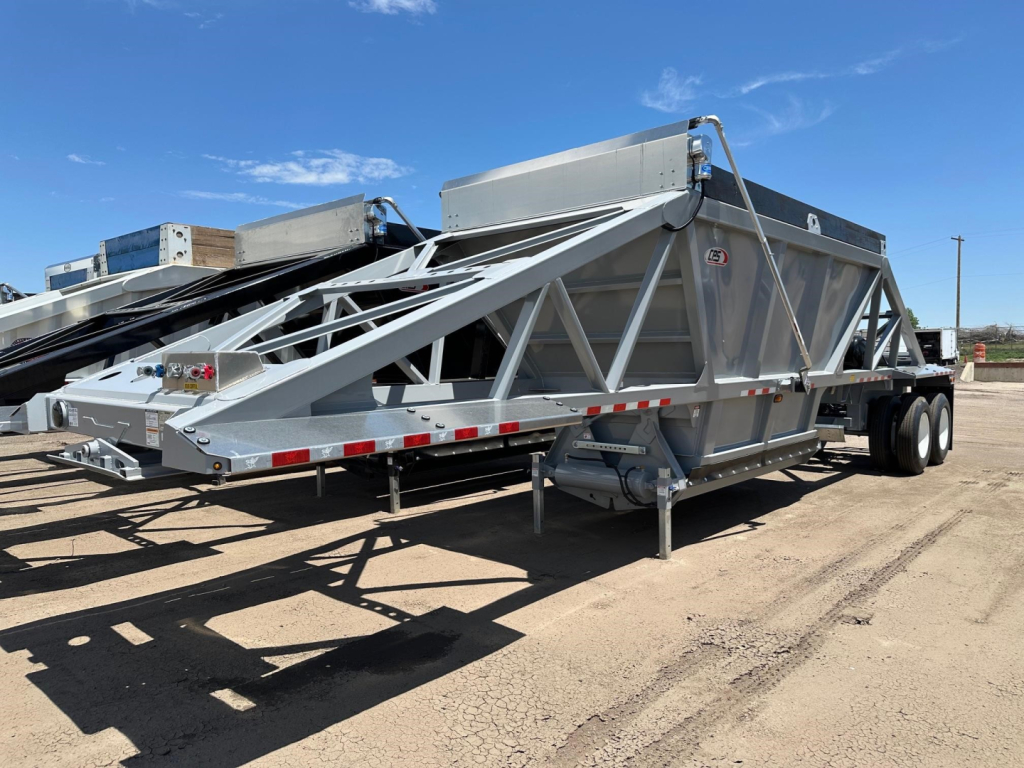
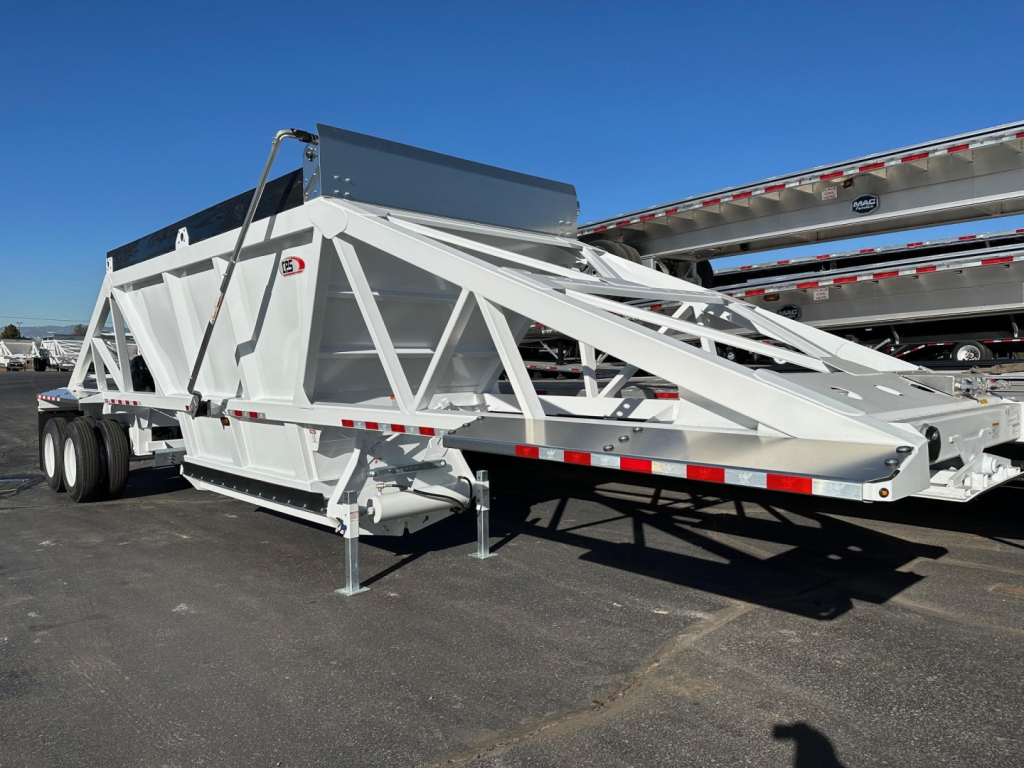
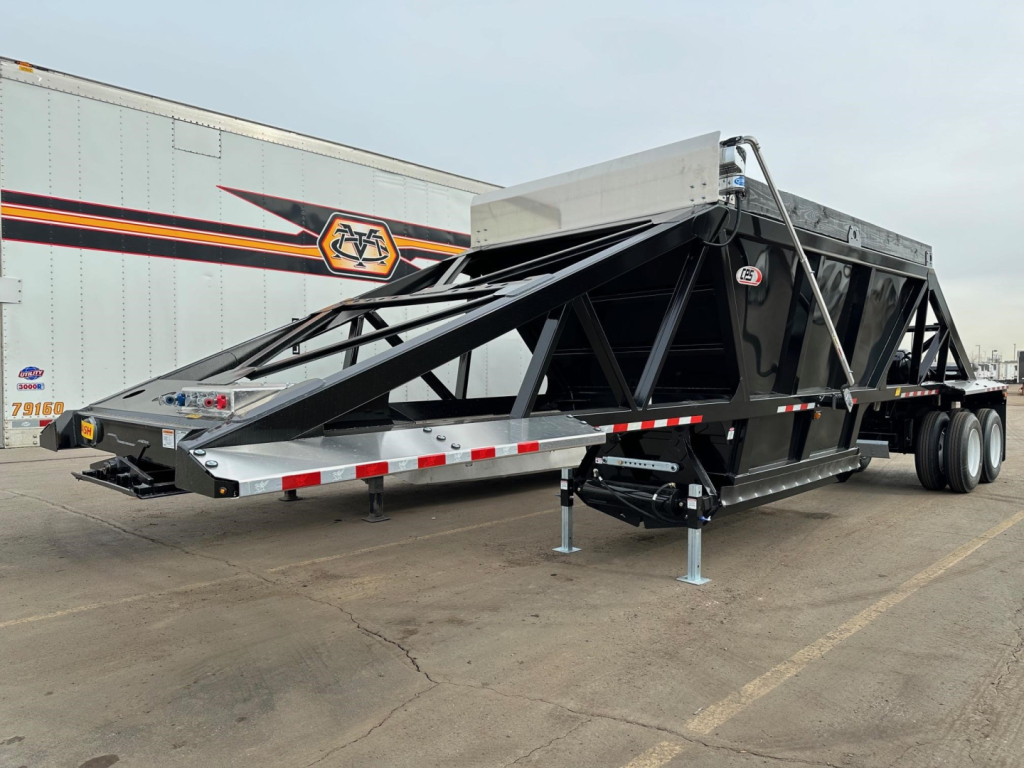
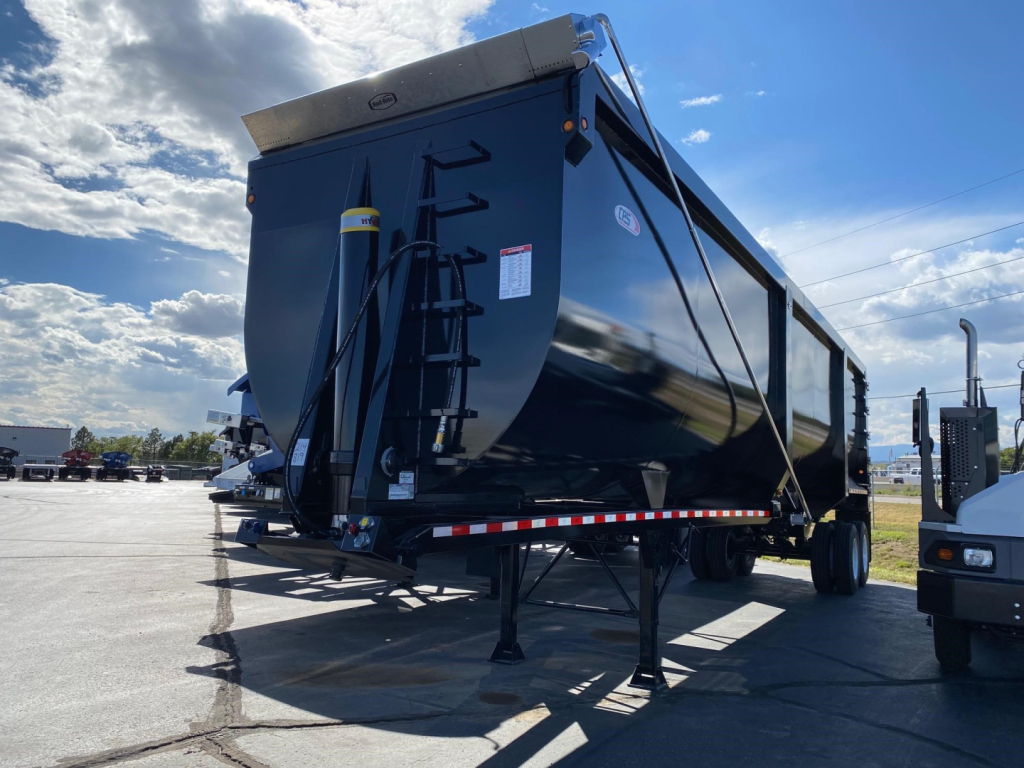
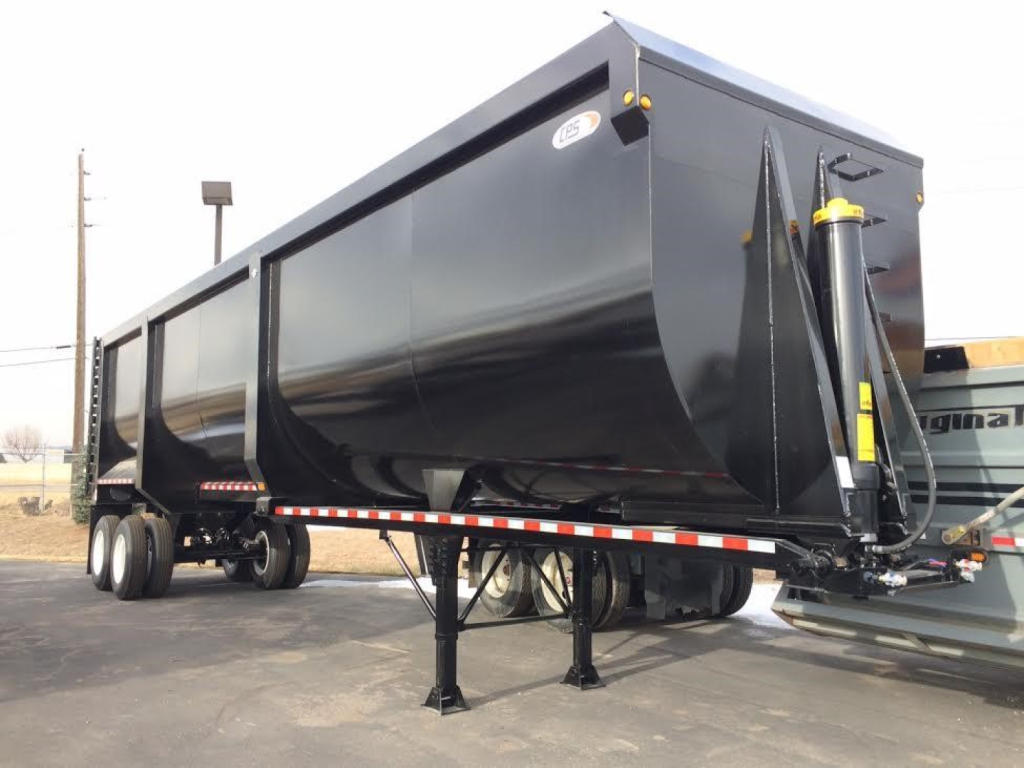
A typical CPS bottom dump in this class runs around 40 to 42 feet, often with a single hopper, steel construction, and air ride suspension. Tandem and tri-axle configurations are both common, with some tri-axle setups adding a lift axle to help manage bridge compliance, tire wear, and load distribution. Common specs include 11R24.5 tires, steel wheels, LED lighting, front and rear fenders, electric flip or slide tarps, push blocks, bang boards, windrow deflectors, and pin setting gate limiters. Buyers comparing listings should pay close attention to cubic yard capacity, GVWR, axle spacing, and whether the trailer uses a Versa Valve or similar gate control setup for more precise material flow.
The key buying decision on a CPS dump trailer is matching the gate system and axle layout to the material and haul pattern. For paving and aggregate work, controlled spread and clean windrow placement are usually more important than maximum body volume alone. A closed tandem 40-foot trailer can be a strong fit for fleets prioritizing maneuverability and lighter tare weight, while a 42-foot tri-axle bottom dump may make more sense where higher legal payload and broader job flexibility are the priority. Electric tarp systems are worth having if the trailer cycles multiple loads per day, and air ride remains the preferred suspension for operators focused on stability, reduced vibration, and better empty-ride behavior.
Condition and wear points matter as much as base specs on used CPS trailers. Inspect the gate linkage, hinge points, tarp motor and arms, air system, suspension components, kingpin area, crossmember condition, and any signs of floor or hopper distortion from abrasive material. On Colorado units, it is also smart to look for corrosion from winter road treatment and check tire condition closely if the trailer has seen mixed highway and quarry use. A well-matched CPS bottom dump trailer can be a productive bulk-haul tool because it combines fast unload times, controlled material placement, and a spec range that fits both regional contractors and dedicated aggregate fleets.
Frequently Asked Questions about CPS Trailers in Colorado
What are CPS trailers commonly used for?
CPS trailers in this category are most commonly used as bottom dump trailers for hauling and spreading aggregate materials such as sand, gravel, road base, and similar bulk products. They are especially useful when the load needs to be discharged in a controlled line or windrow rather than dumped in a pile. That makes them a strong fit for road building, site prep, paving support, and high-cycle bulk material hauling.
What should I look for when buying a CPS bottom dump trailer?
Focus on axle configuration, hopper design, gate controls, suspension type, and tare weight before comparing cosmetic details. Tandem versus tri-axle layout affects legal payload, maneuverability, and tire cost. Buyers should also inspect the gate limiters, valve operation, tarp system, push block, kingpin area, suspension, and signs of hopper or frame fatigue, especially on trailers that have hauled abrasive materials or worked in quarry environments.
Is a tandem or tri-axle CPS trailer better?
A tandem CPS trailer is often the better choice for lighter tare weight, tighter maneuvering, and applications where bridge laws and route restrictions do not require extra axle capacity. A tri-axle setup is usually the better fit when the goal is higher legal payload, more flexibility across job types, or better load distribution. The right choice depends on haul distance, material density, state regulations, and how often the trailer operates on paved roads versus uneven jobsites.
Why is air ride suspension common on CPS dump trailers?
Air ride suspension is popular because it improves ride quality, helps protect the trailer structure from repeated shock loads, and generally offers better control on mixed road surfaces. For bottom dump trailers, air ride can also contribute to more stable handling when loaded and less harsh empty-trailer bounce between jobs. That matters for fleets running highway miles in addition to plant, pit, or paving work.
What features improve productivity on a CPS bottom dump trailer?
Productivity features usually include electric tarps, precise gate control systems such as Versa Valve setups, pin setting gate limiters, windrow deflectors, bang boards, and lift axle configurations on some tri-axle models. These options reduce loading and unloading time, improve material placement, and help the trailer adapt to different payload and route requirements. For high-cycle work, those details can make a measurable difference in daily throughput and operating cost.