
CPS Dump Trailers For Sale in Colorado
Shop CPS dump trailers for aggregate and road work. Compare lightweight bottom dump specs, air ride setups, tarp systems, and gate controls.
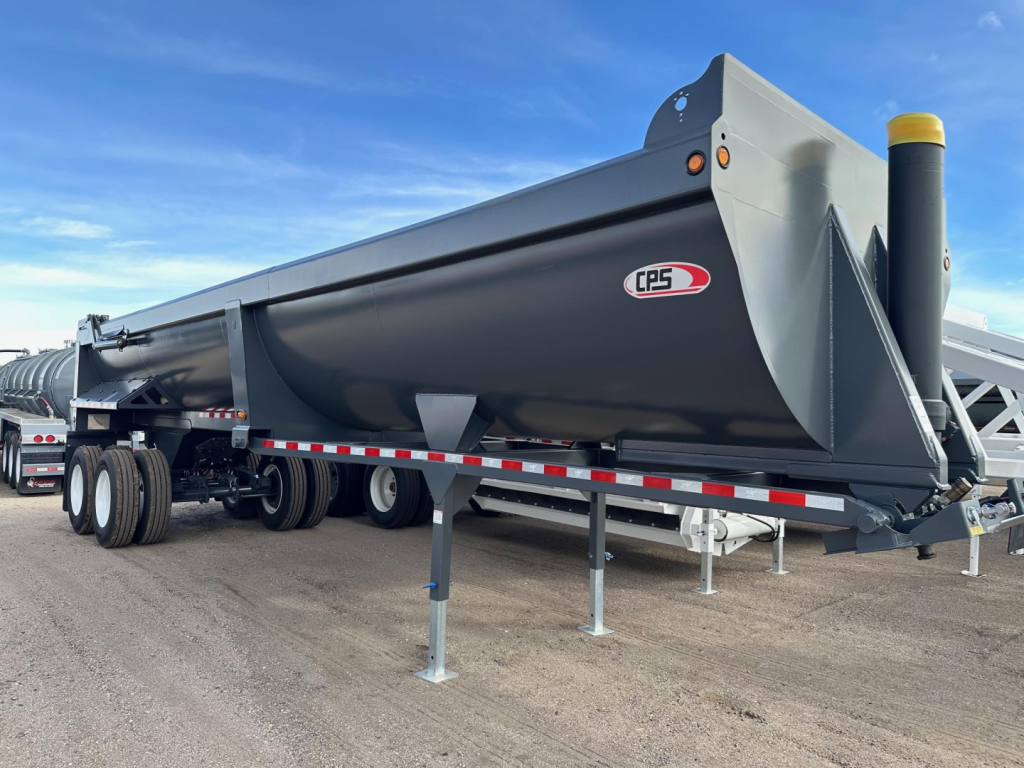
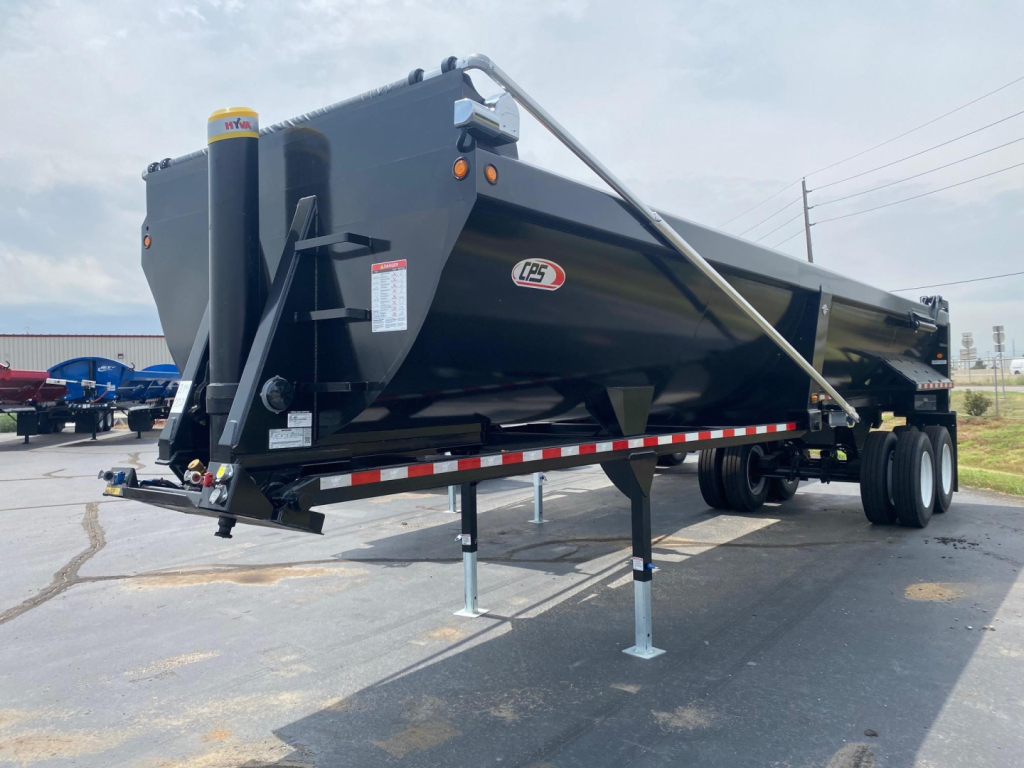
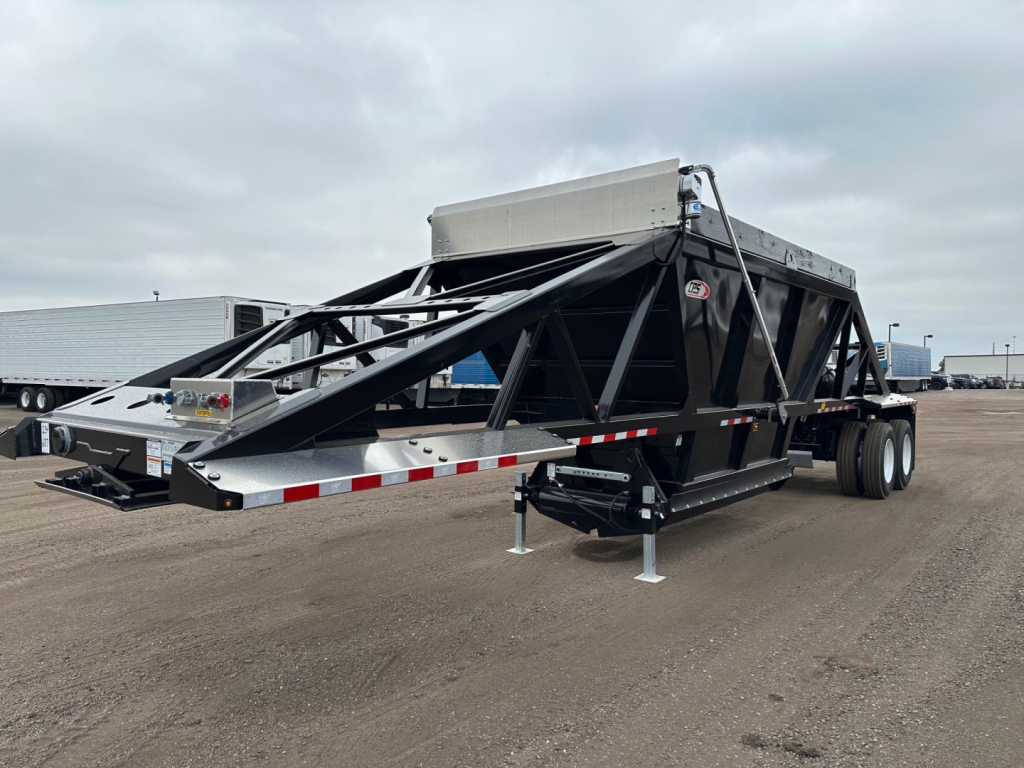
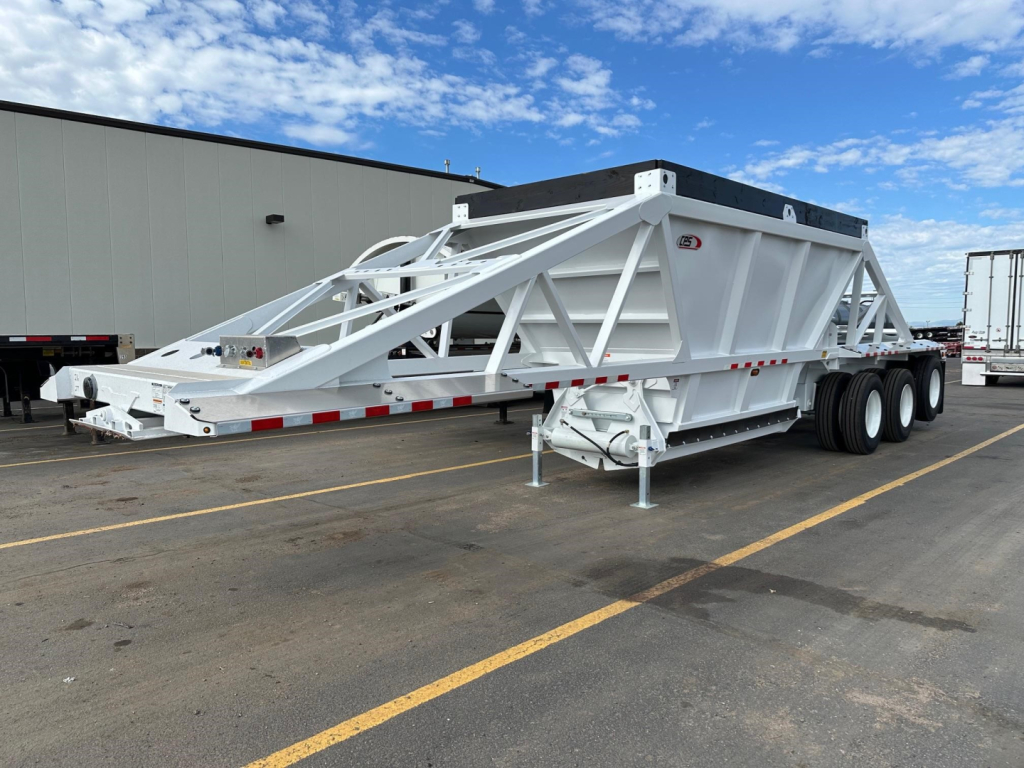
Selling a cps dump trailer? List your cps dump trailer for sale and reach thousands of commercial buyers.
CPS Dump Trailers in Colorado
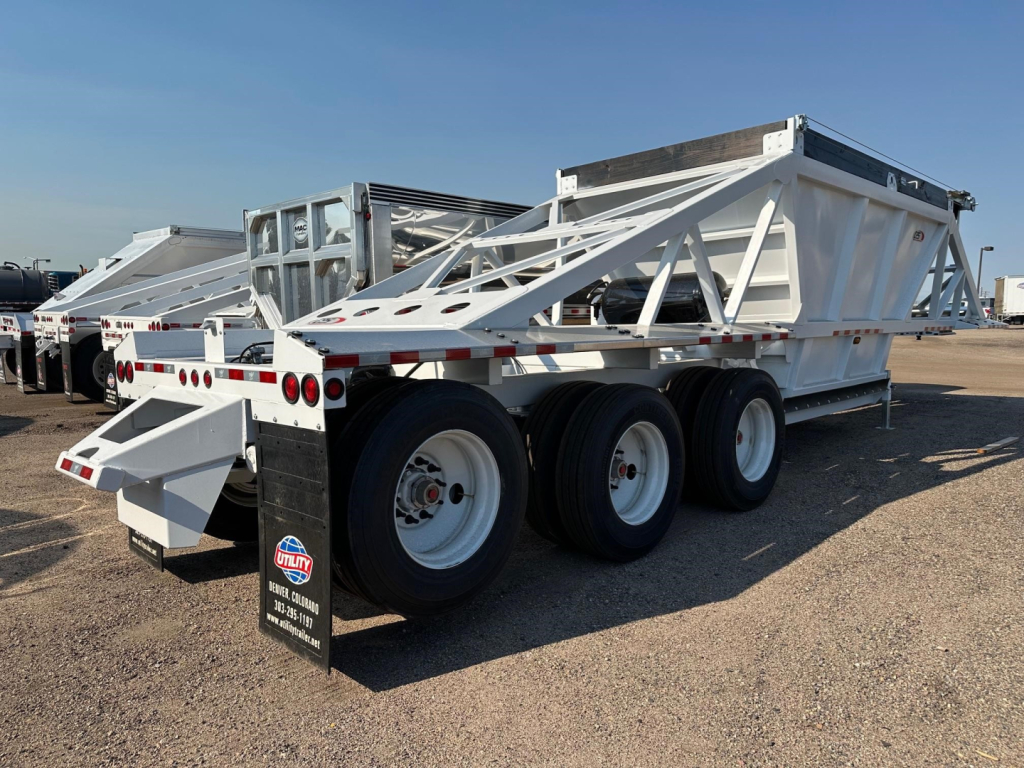
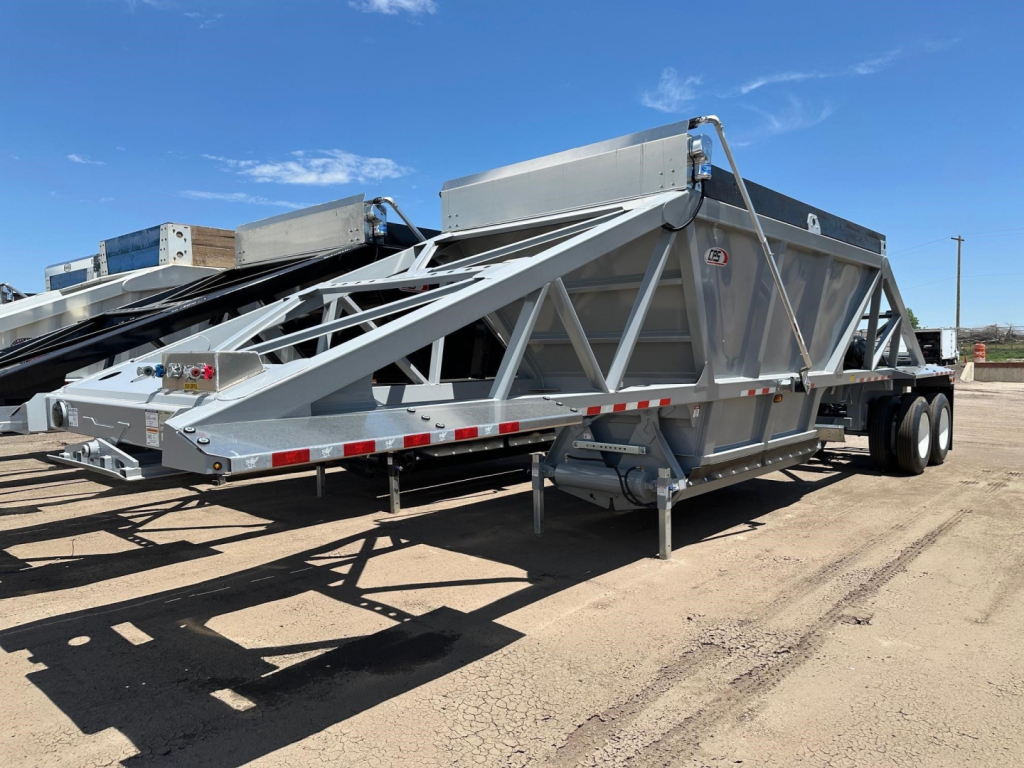
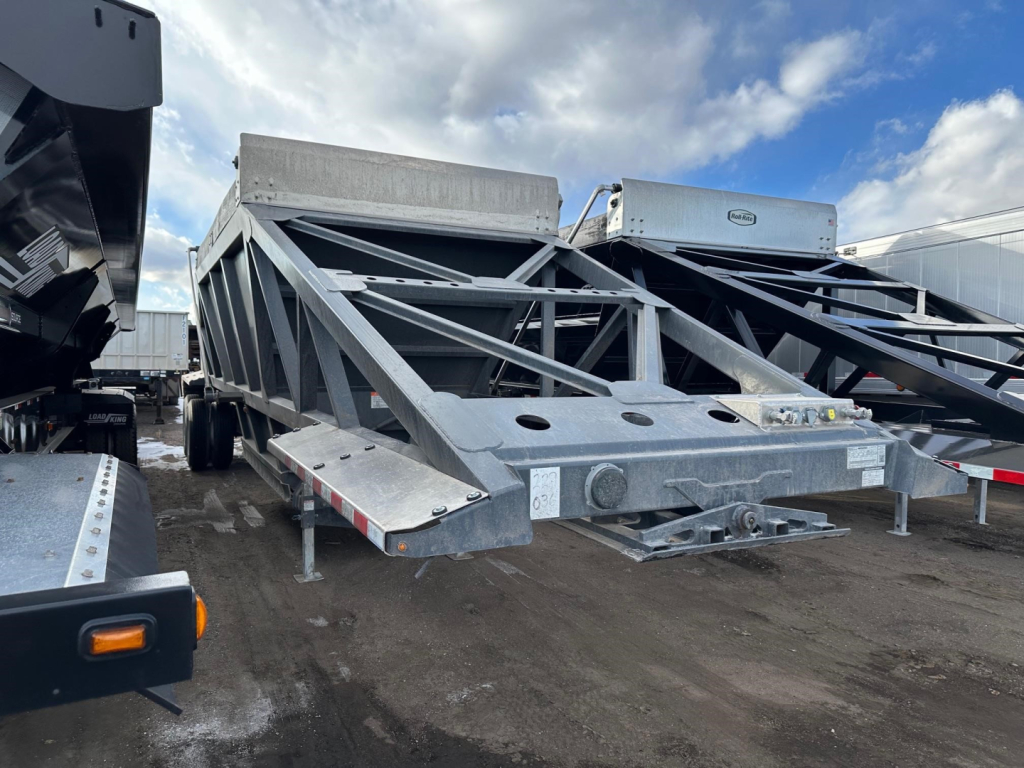
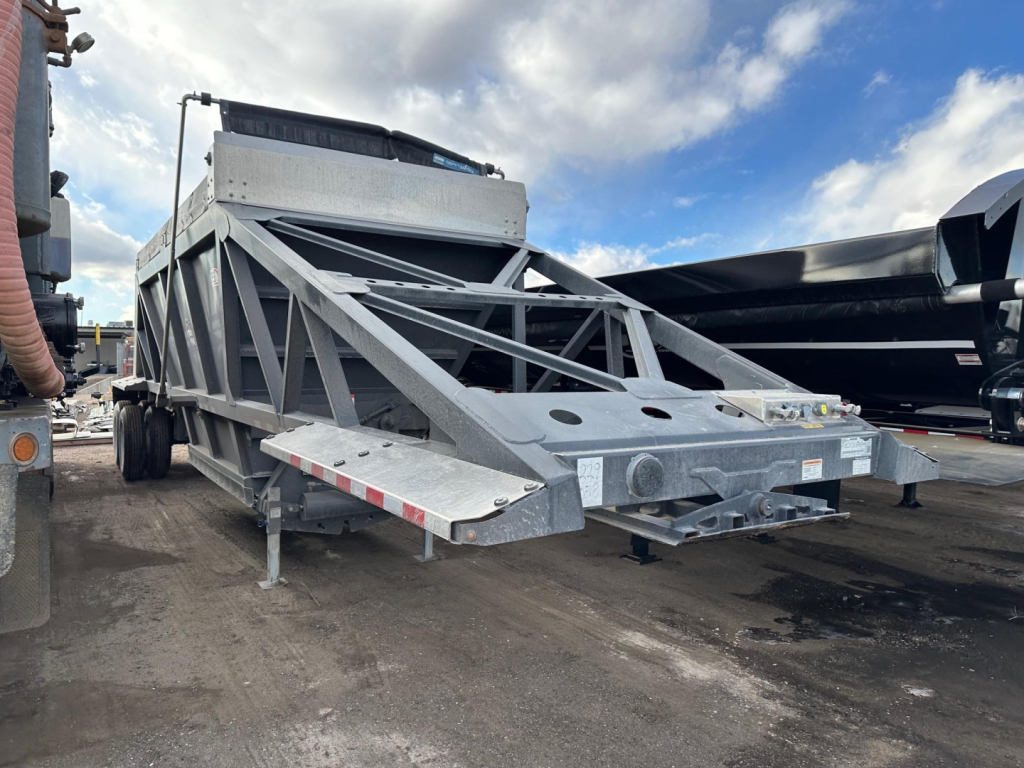
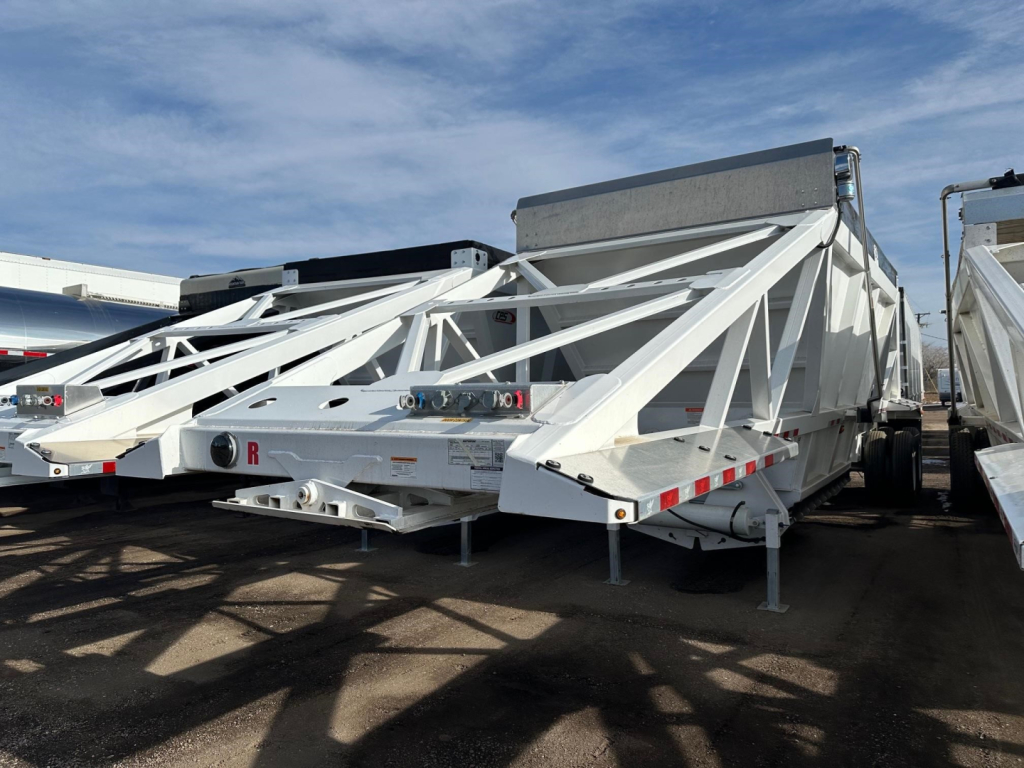
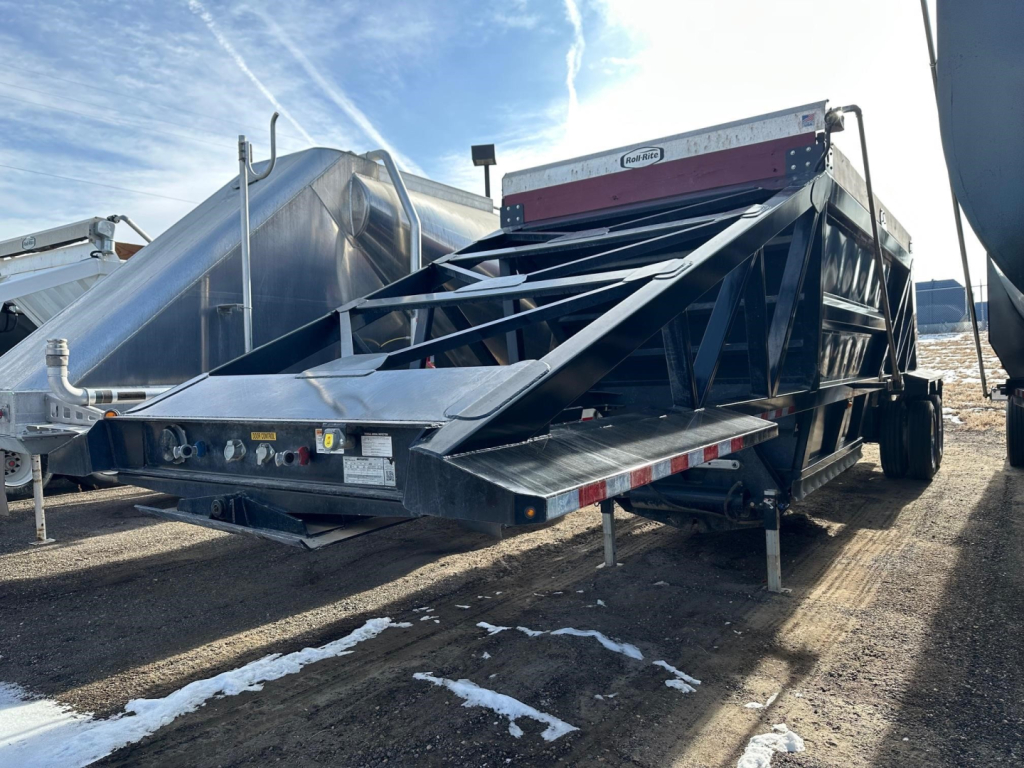
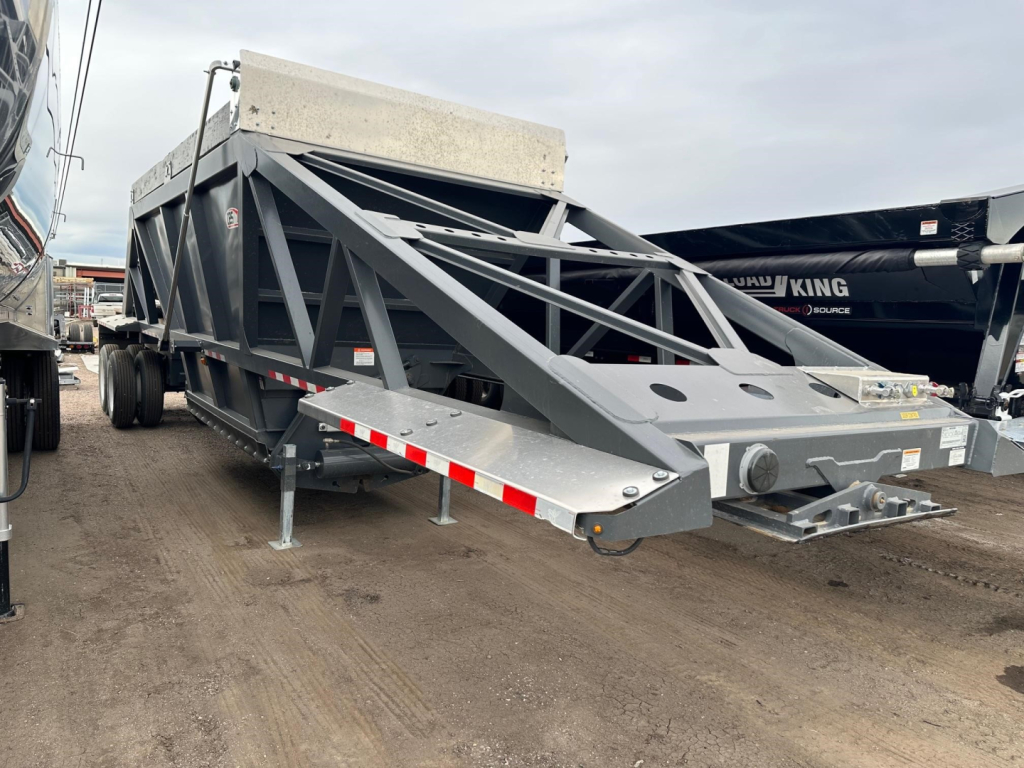
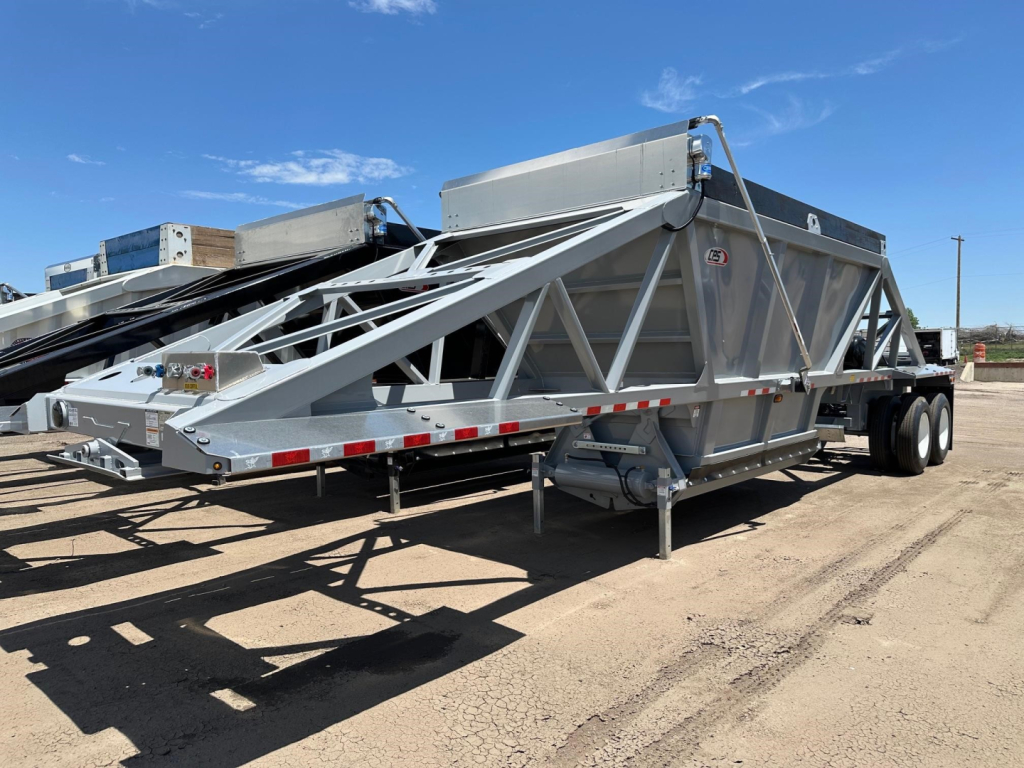
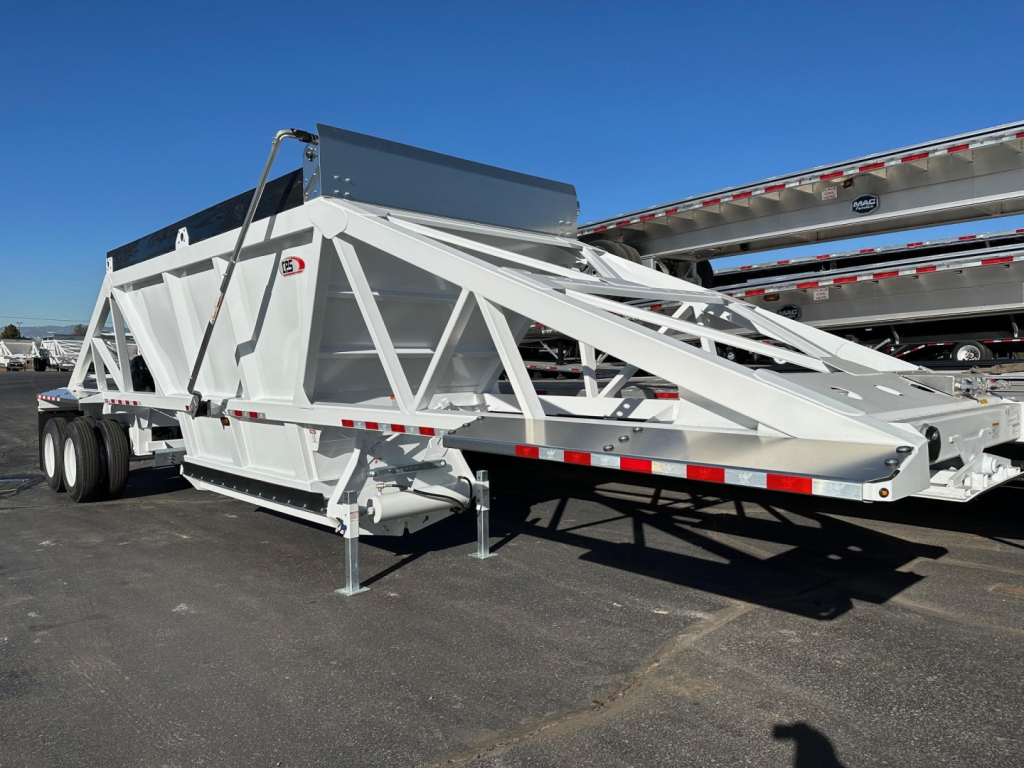
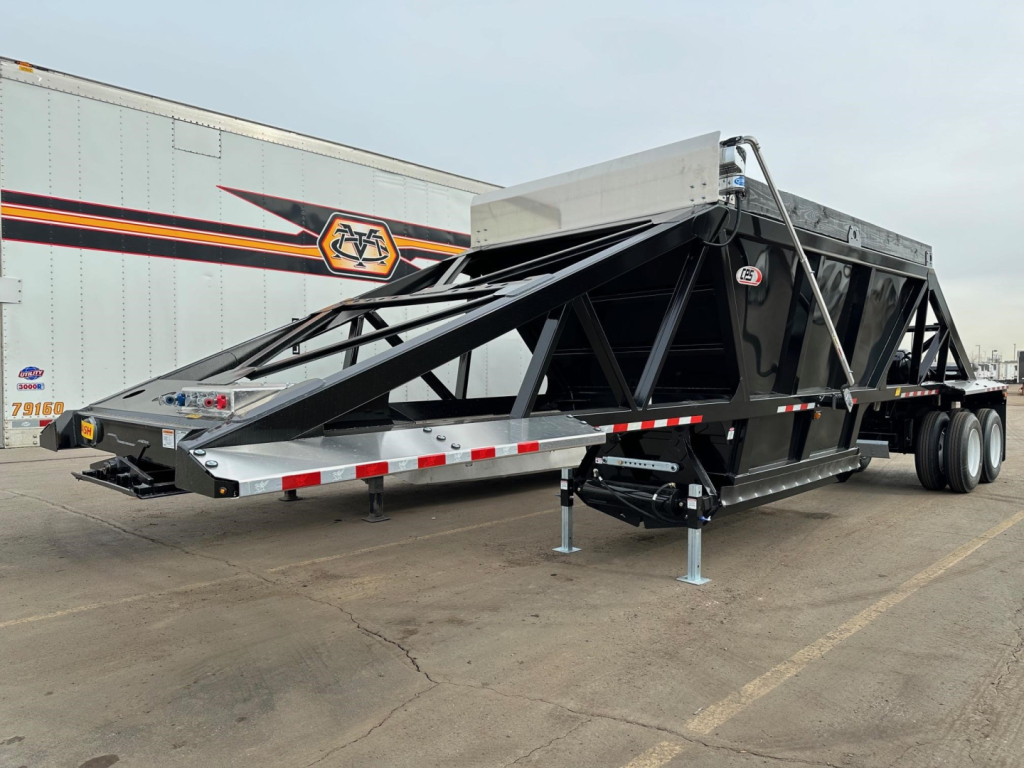
On many CPS bottom dump trailers, common features include a single hopper, pin-setting gate limiters, a Versa valve, windrow deflector, electric flip tarp, and closed tandem air ride suspension. That combination fits crews that need repeatable spread patterns and fast unload cycles on paving, shoulder work, and site preparation. Air ride can help protect the trailer and smooth out rough haul roads compared with harsher suspensions, while electric tarp systems save time and help with load security and compliance. Details like bang boards, front and rear fenders, push blocks, LED lighting, and 11R24.5 tires are worth checking because they affect day-to-day durability, visibility, and compatibility with your existing fleet standards.
A serious buyer should look closely at empty weight, frame design, gate actuation, and how the trailer matches the material being hauled. Lightweight construction matters when every ton of legal payload counts, but it has to be balanced against the type of aggregate, loading method, and haul road conditions. For Colorado operations, that often means thinking about mountain grades, variable weather, and mixed highway-jobsite use. Tire spec, brake condition, suspension wear, and tarp reliability all deserve extra attention on used units, especially on trailers that have spent time in abrasive aggregate service.
The main advantage of a CPS bottom dump trailer is production. These trailers can unload while rolling, place a more even windrow, and keep trucks moving through paving and material distribution jobs with less idle time. If your work depends on controlled discharge and quick turnaround, compare gate settings, hopper dimensions, suspension type, wheel setup, and overall tare weight before deciding. Those are the specs that usually separate a trailer that merely hauls material from one that fits the pace and demands of your operation.
Frequently Asked Questions about CPS Dump Trailers in Colorado
What is a CPS bottom dump trailer best suited for?
A CPS bottom dump trailer is best suited for hauling and placing free-flowing materials such as sand, gravel, crushed stone, road base, and similar aggregates. Its main advantage is controlled discharge through the hopper gates, which makes it useful for paving support, shoulder work, road building, and large site development where a consistent windrow is more important than a single rear dump pile.
What should I look for when buying a used CPS dump trailer?
Start with structural condition and wear points. Inspect the hopper, gate mechanism, hinge points, frame rails, suspension components, brakes, tires, wheels, tarp system, and lighting. On bottom dump trailers, gate operation and sealing are especially important because poor adjustment or worn components can affect spread consistency and material loss. Also confirm the trailer's empty weight, axle configuration, and any fleet-specific items such as tire size, wheel type, and air ride parts compatibility.
Why do many buyers prefer air ride on a CPS bottom dump trailer?
Air ride is popular because it generally improves ride quality, helps reduce shock loading into the trailer structure, and can be easier on both the unit and the load over rough roads. For operations running frequent highway miles between pits and jobsites, air ride can also support better driver control and less vibration-related wear compared with more rigid suspension setups.
What is the benefit of pin-setting gate limiters and a windrow deflector?
Pin-setting gate limiters help control how far the gates open, which directly affects material flow rate and spread pattern. A windrow deflector helps shape and place material more consistently behind the trailer. Together, these features matter on jobs where uniform distribution saves time on grading and reduces the need for rework.
Are lightweight CPS dump trailers a good choice for Colorado hauling?
They can be a strong fit for Colorado aggregate and construction work because lower tare weight can increase legal payload, which matters on repetitive haul routes. The right setup still depends on terrain, weather, and the material being moved. Buyers operating on mountain grades or mixed on-road and off-road routes should pay close attention to brake condition, tire specification, suspension health, and overall trailer stability under load.