
2026 CPS Dump Trailers For Sale in Colorado
Shop 2026 CPS dump trailers, including bottom dump and rock end dump models with air ride, high-lift gates, tarp systems, and heavy-duty construction.
Selling a 2026 cps dump trailer? List your 2026 cps dump trailer for sale and reach thousands of commercial buyers.
2026 CPS Dump Trailers in Colorado
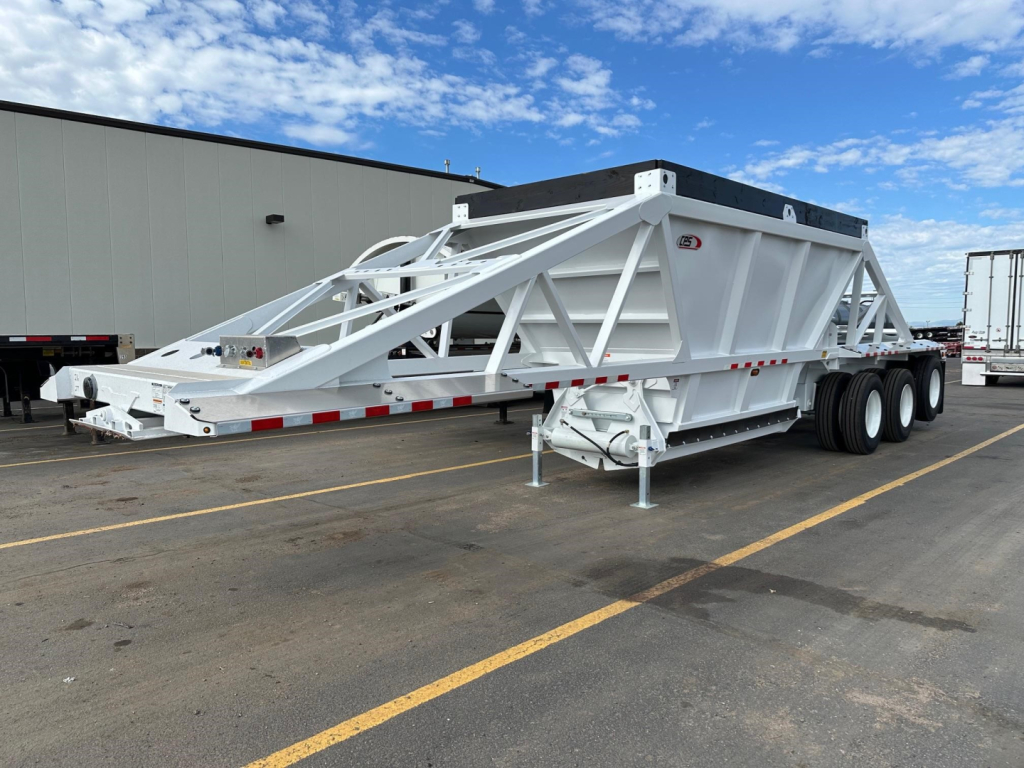
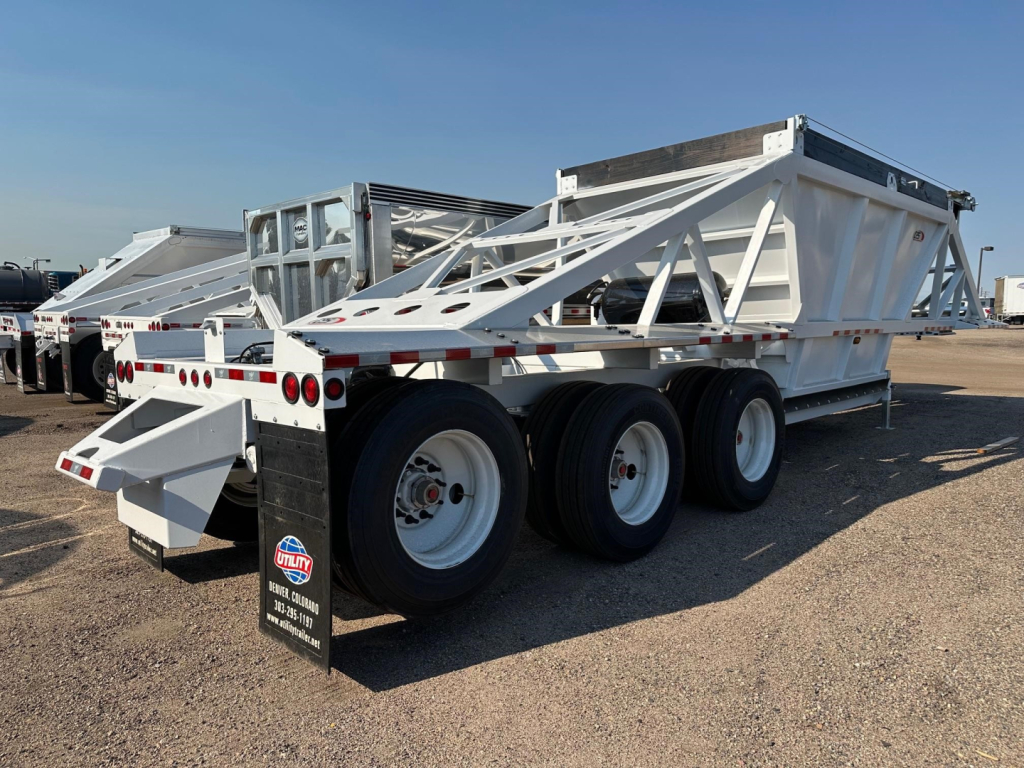
On CPS bottom dumps, the key decisions are trailer length, axle configuration, suspension, and gate control. Common specs shown here include 40-foot to 42-foot lengths, single hopper layouts, closed tandem or tri-axle setups, air ride suspension, 11R24.5 tires, and features such as pin setting gate limiters, Versa Valve controls, bang boards, windrow deflectors, electric flip tarps, and push blocks. Those details matter in daily use. Pin setting gate limiters help maintain repeatable discharge rates. A windrow deflector improves material placement behind the hopper. Air ride can reduce shock loading on the trailer and cargo, while a rear lift axle on a tri-axle can help manage tire wear and bridge law requirements depending on the load and route. Buyers hauling sand, gravel, road mix, and similar products should pay close attention to cubic yard rating, kingpin setting, overall empty weight, and how the trailer balances legal payload against maneuverability.
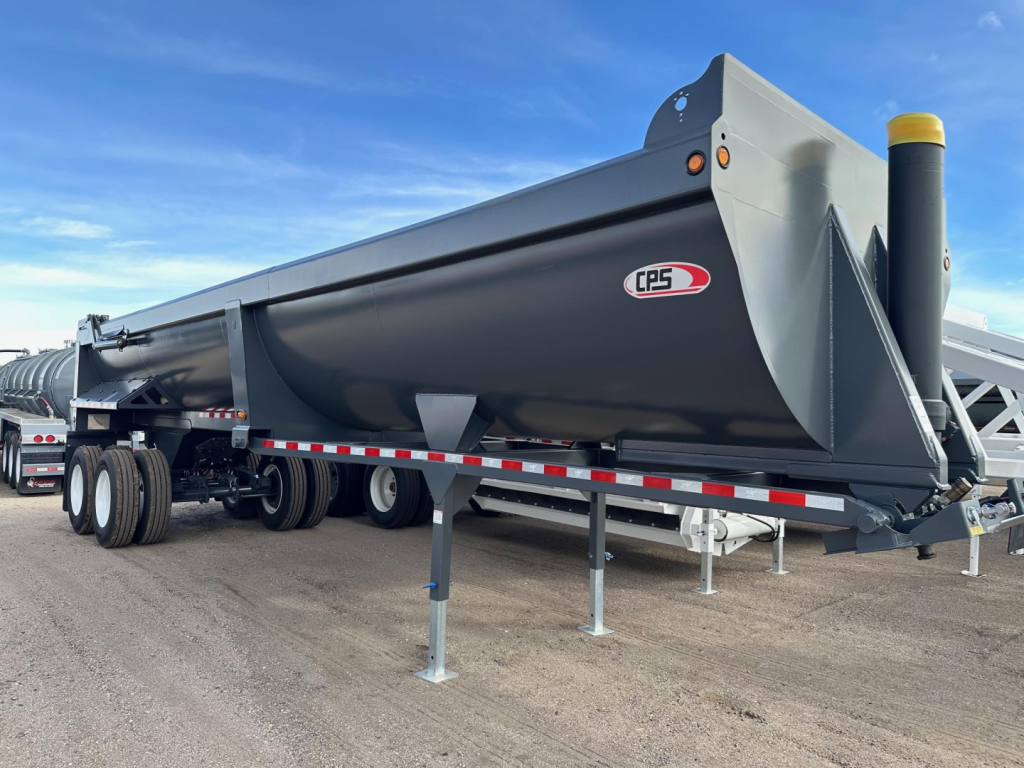
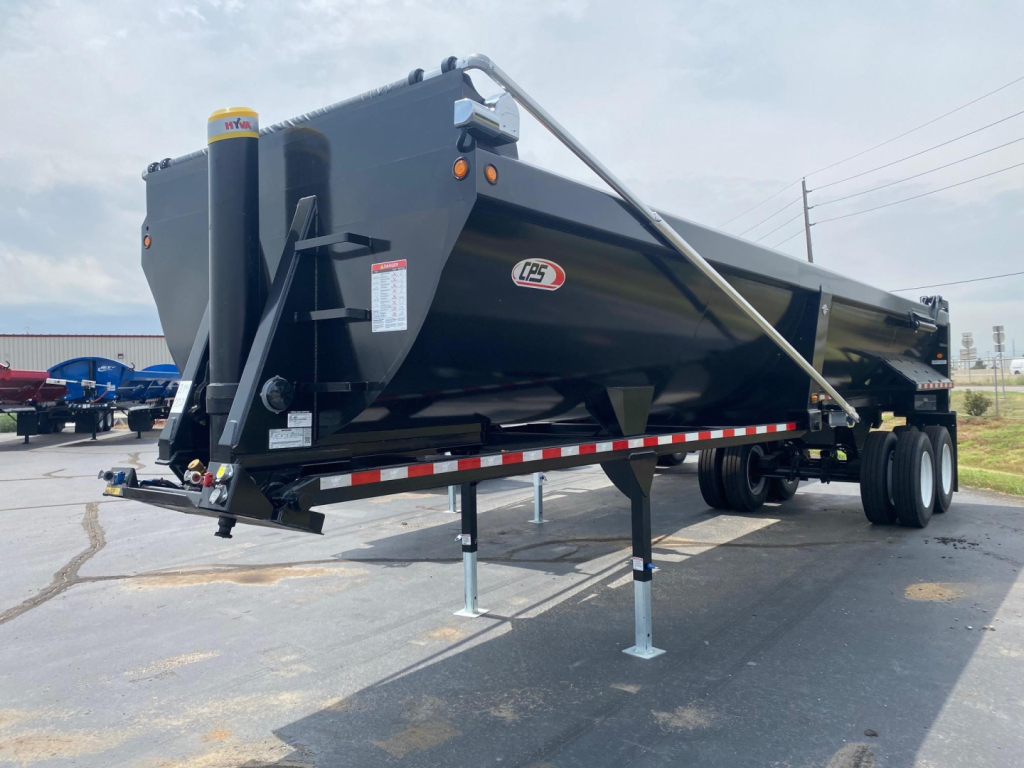
CPS rock end dumps, also known as end dump trailers, are built for a different abuse level. The frameless steel models in the sample use a half-round AR450 steel rock tub, which is a strong sign that these trailers are intended for abrasive material and repeated off-road or jobsite loading. A half-round body sheds rock and sticky material better than many box designs, and AR450 steel is a common choice where body wear is a real cost driver. Features like a high-lift gate, mesh electric flip tarp, ladders, rear fenders, and single point suspension are practical for quarry, excavation, riprap, and demolition work. On an end dump, buyers should focus on tub material and thickness, hoist geometry, gate design, suspension type, tire package, and trailer stability in the exact conditions where it will operate. Frameless designs often save weight and improve payload, but they also need to be matched carefully to terrain, loading method, and operator experience.
The best 2026 CPS dump trailer for sale depends less on brand loyalty and more on load type, dispatch pattern, and state weight limits. A contractor feeding paving crews or road projects may get more value from a lightweight bottom dump with precise gate control and tarp coverage. A fleet moving shot rock or demo debris may prioritize a steel frameless end dump with a durable tub and high-lift gate clearance. Before buying, compare suspension condition, gate hardware, tarp operation, liner or tub wear, crossmember integrity, tire and wheel spec, lighting, and any signs of hinge, hoist, or structural stress. On new-spec trailers, the right option package can improve uptime and resale just as much as raw capacity.
Frequently Asked Questions about 2026 CPS Dump Trailers in Colorado
What is the difference between a CPS bottom dump trailer and a CPS rock end dump trailer?
A CPS bottom dump trailer releases material through gates in the belly of the trailer, which makes it well suited for controlled placement of sand, gravel, and roadbase. A CPS rock end dump trailer unloads by raising the body and discharging out the rear, which is better for larger rock, demolition debris, and bulk materials that do not need precise spread control. Bottom dumps usually offer faster metered unloading on road projects, while end dumps are preferred for heavier and more irregular material.
What specs matter most when comparing 2026 CPS bottom dump trailers?
The most important specs are overall length, cubic yard capacity, axle configuration, GVWR, suspension type, gate control setup, and empty weight. Features such as pin setting gate limiters, Versa Valve controls, windrow deflectors, electric tarps, and lift axles affect how efficiently the trailer works in daily hauling. Buyers should also verify tire size, wheel type, kingpin setting, and how the trailer fits local bridge formulas and legal payload requirements.
Why is AR450 steel important on a CPS rock end dump?
AR450 steel is a wear-resistant material commonly used in dump bodies that handle abrasive loads such as rock, broken concrete, and demolition material. A CPS frameless rock end dump with an AR450 half-round tub typically offers better resistance to body wear than lighter-duty steel bodies. That can extend body life, reduce repair frequency, and help the trailer hold value in severe-service applications.
Is air ride a good choice on a dump trailer?
Air ride is a strong choice for many dump trailer applications because it can improve ride quality, reduce shock transfer, and help protect both trailer structure and hauled material. On bottom dumps, air ride is especially common because it supports stable highway operation and can help with consistent load handling. The right suspension still depends on the work environment, since some severe off-road operations may favor other suspension designs based on durability and serviceability.
What should a buyer inspect on a used CPS dump trailer?
A buyer should inspect the body or tub for cracks, weld repairs, excessive wear, and signs of distortion from overloading or hard unloading conditions. On bottom dumps, check gate operation, hinges, linkages, limiters, and air or valve controls for smooth and repeatable function. On end dumps, inspect the hoist area, rear gate hardware, frame rails, suspension mounts, tarp system, lights, tires, wheels, and any structural points that show stress, rust, or prior damage.