
2026 CPS Dump Trailers For Sale
Shop 2026 CPS dump trailers including bottom dumps and rock end dumps built for aggregate, paving, and heavy material hauling.
Selling a 2026 cps dump trailer? List your 2026 cps dump trailer for sale and reach thousands of commercial buyers.
2026 CPS Dump Trailers
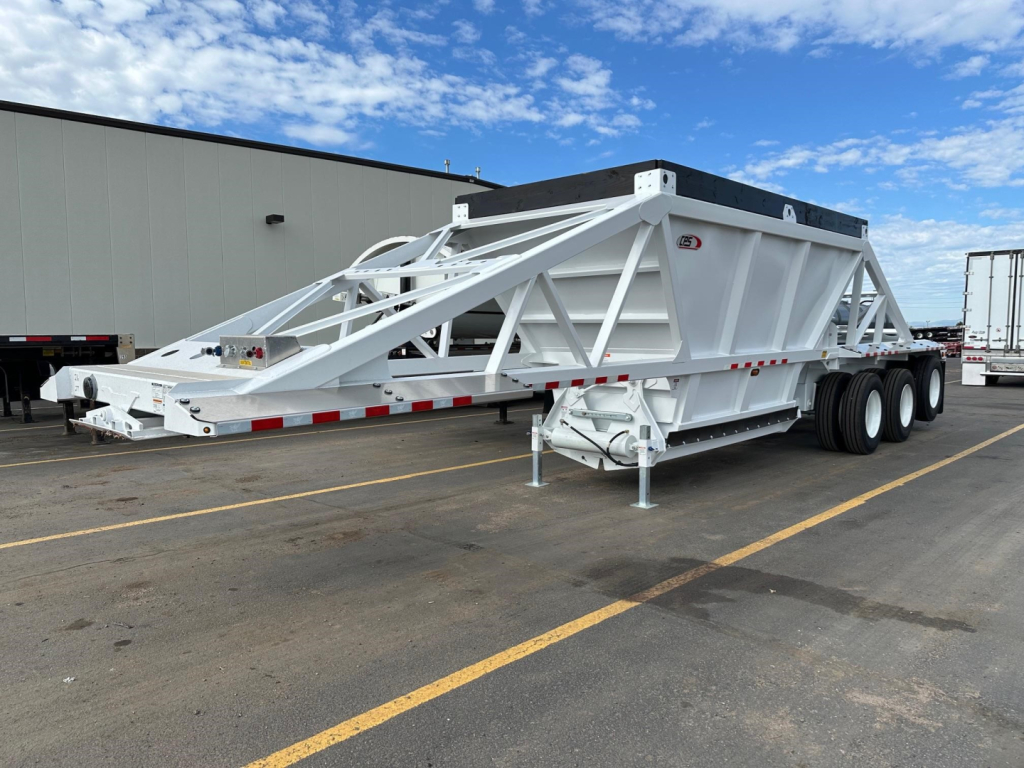
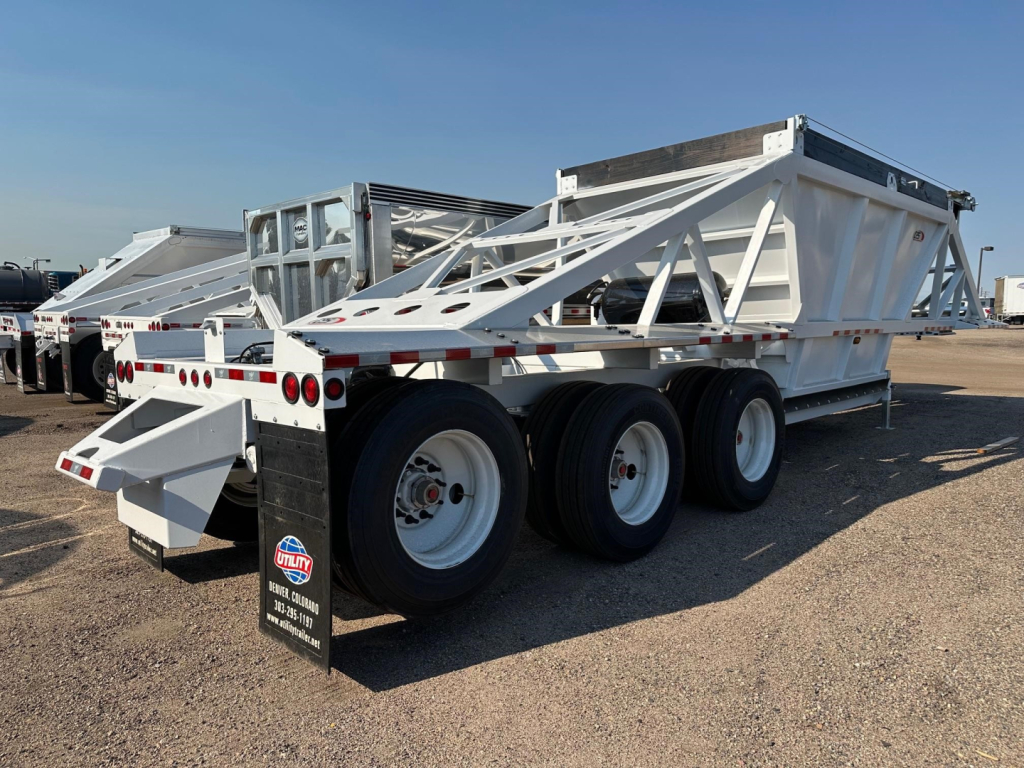
A typical CPS bottom dump in this year range is a 40-foot trailer with a single hopper, air ride suspension, closed tandem, electric flip tarp, and 11R24.5 tires. Features such as pin-setting gate limiters, versa valve controls, bang boards, and windrow deflectors are especially relevant for crews that need repeatable flow rates and clean placement. Buyers comparing bottom dumps should pay close attention to gate control setup, kingpin setting, suspension type, and tare weight. Those details affect bridge compliance, stability, tractor compatibility, and net payload. Air ride is often preferred for ride quality and protecting the trailer on higher-speed haul routes, but it should be matched to the kind of road conditions and loading cycles the trailer will actually see.
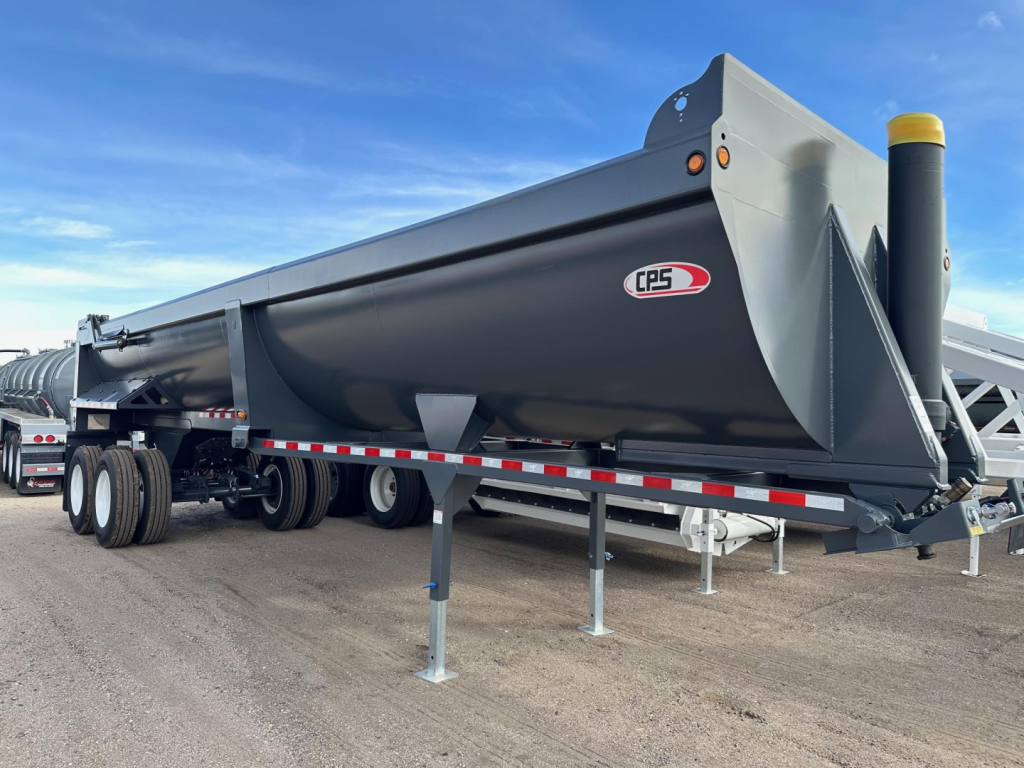
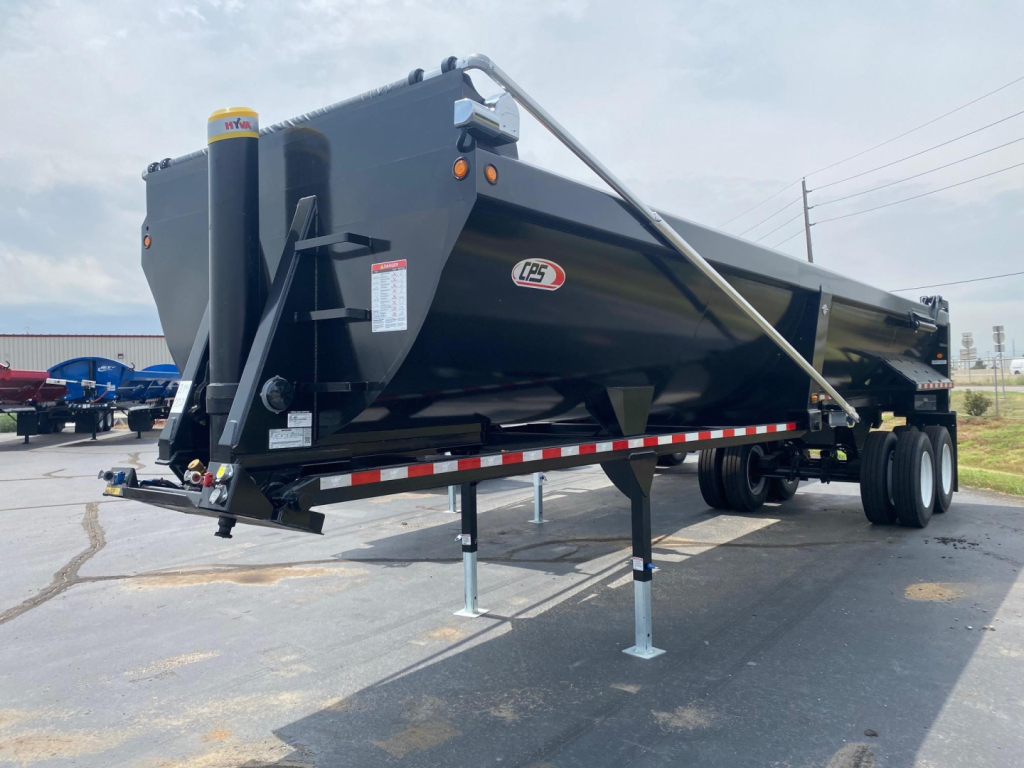
On the end dump side, 2026 CPS rock trailers are commonly spec'd as frameless steel units with a half-round tub, often using abrasion-resistant steel such as AR450 in the body. That configuration is aimed at high-impact material and repeated loading from loaders or excavators. A high-lift gate, ladder access, rear fenders, and a rugged suspension package are practical specs for quarry, site work, and aggregate applications. Frameless designs can deliver strong cubic capacity and reduced empty weight versus some frame-type builds, but buyers should still evaluate hoist geometry, body thickness, center of gravity when raised, and the type of terrain where the trailer will dump. On uneven ground, trailer stability matters as much as capacity.
CPS dump trailers appeal to buyers who want straightforward construction and application-focused specs rather than unnecessary complexity. The right trailer depends on material type, legal payload targets, road conditions, and how the trailer fits the rest of the fleet. A bottom dump can improve cycle times on paving and road building jobs, while a rock end dump is better aligned with severe-service hauling where body durability is the first priority. When comparing listings, focus on body style, steel package, gate setup, tarp system, suspension, wheel and tire spec, and overall trailer length before anything else. Those are the details that determine how well a dump trailer will perform once it is working every day.
Frequently Asked Questions about 2026 CPS Dump Trailers
What is the difference between a CPS bottom dump trailer and a CPS end dump trailer?
A CPS bottom dump trailer releases material through gates in the floor, which makes it ideal for controlled spreading of sand, gravel, asphalt base, and other road materials. A CPS end dump trailer raises the body and unloads from the rear, which is better for larger rock, demolition material, and bulk loads that do not need precise placement. The right choice depends on whether the job requires material control during discharge or maximum versatility for general bulk hauling.
What specs matter most when buying a 2026 CPS bottom dump trailer?
The most important specs are trailer length, hopper design, gate controls, suspension type, kingpin setting, tare weight, and tire size. Features like pin-setting gate limiters, a versa valve, windrow deflector, electric tarp, and closed tandem setup directly affect how accurately the trailer places material and how efficiently it runs on the road. Buyers should also confirm axle spacing and bridge compliance requirements for the states where the trailer will operate.
Is a frameless CPS rock end dump a good choice for aggregate hauling?
A frameless CPS rock end dump is commonly a strong fit for aggregate and quarry work because it can combine durable body construction with competitive empty weight. Half-round steel tubs help material flow during unloading and can reduce carryback compared with square-body designs in some applications. Buyers should still match the trailer to the work by checking body steel grade, tub length, suspension, and operating terrain, especially if dumping on uneven or soft ground is part of the job.
Why do electric flip tarps matter on dump trailers?
An electric flip tarp improves load securement, helps meet road compliance requirements, and speeds up loading and unloading cycles compared with manual tarping. It is especially useful for aggregate, sand, and other loose materials that can blow off in transit. For fleets running multiple stops or high daily cycle counts, a powered tarp also reduces driver effort and can help limit damage from improper tarp handling.
Are air ride dump trailers better than spring or other heavy-duty suspension setups?
Air ride can provide a smoother ride, better trailer control on the highway, and less shock to the trailer structure during transport. That makes it a popular choice for bottom dump applications and regional haul work. Heavy-duty mechanical or single-point suspensions may be preferred in severe-service end dump applications where simplicity, durability, and resistance to harsh site conditions are more important than ride quality alone.