
2026 CPS Trailers For Sale in Colorado
Shop 2026 CPS trailers for sale, including bottom dumps and end dumps built for aggregate, scrap, demolition, and high-cycle hauling.
Selling a 2026 cps trailer? List your 2026 cps trailer for sale and reach thousands of commercial buyers.
2026 CPS Trailers in Colorado
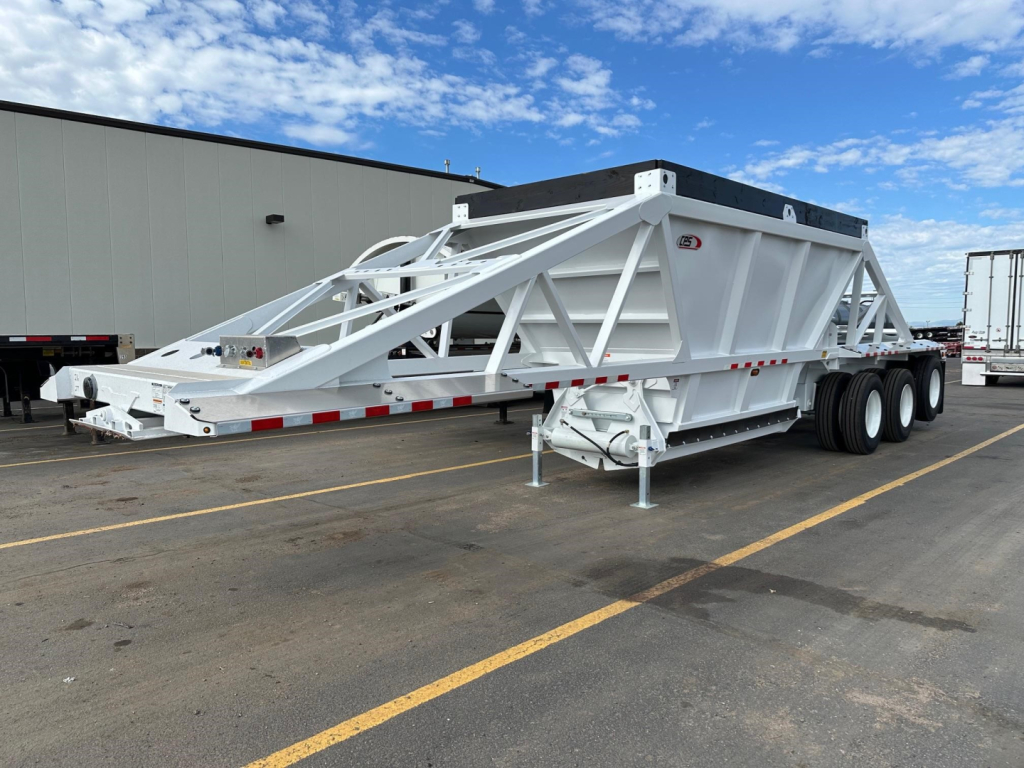
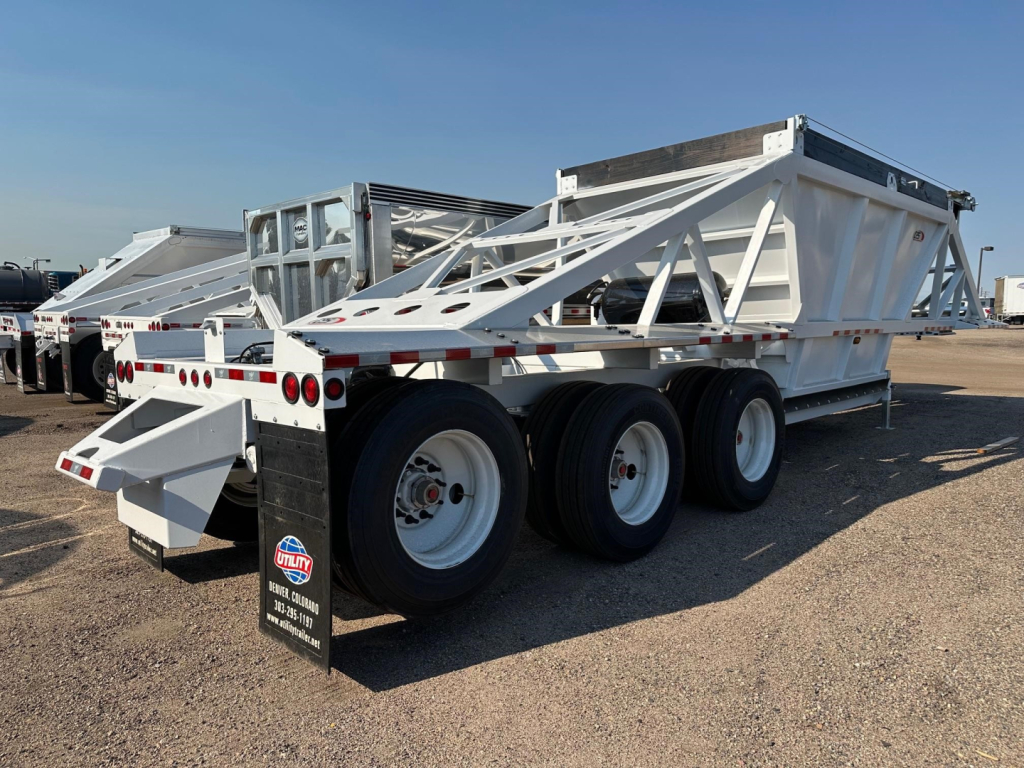
On bottom dumps, the key decisions are hopper configuration, suspension, axle count, and gate control. Common specs include 40-foot and 42-foot lengths, single hopper layouts, air ride suspensions, closed tandems or tri-axle setups, and 11R24.5 rubber on steel wheels. Features like pin setting gate limiters, Versa Valve controls, windrow deflectors, bang boards, push blocks, and electric tarps are not minor options on this trailer class. They directly affect material control, unload consistency, and jobsite efficiency. A tri-axle bottom dump with a lift axle and higher GVWR can make sense for operations balancing payload with bridge law compliance, while a lighter tandem configuration may be the better fit for regional aggregate runs and faster turn times.
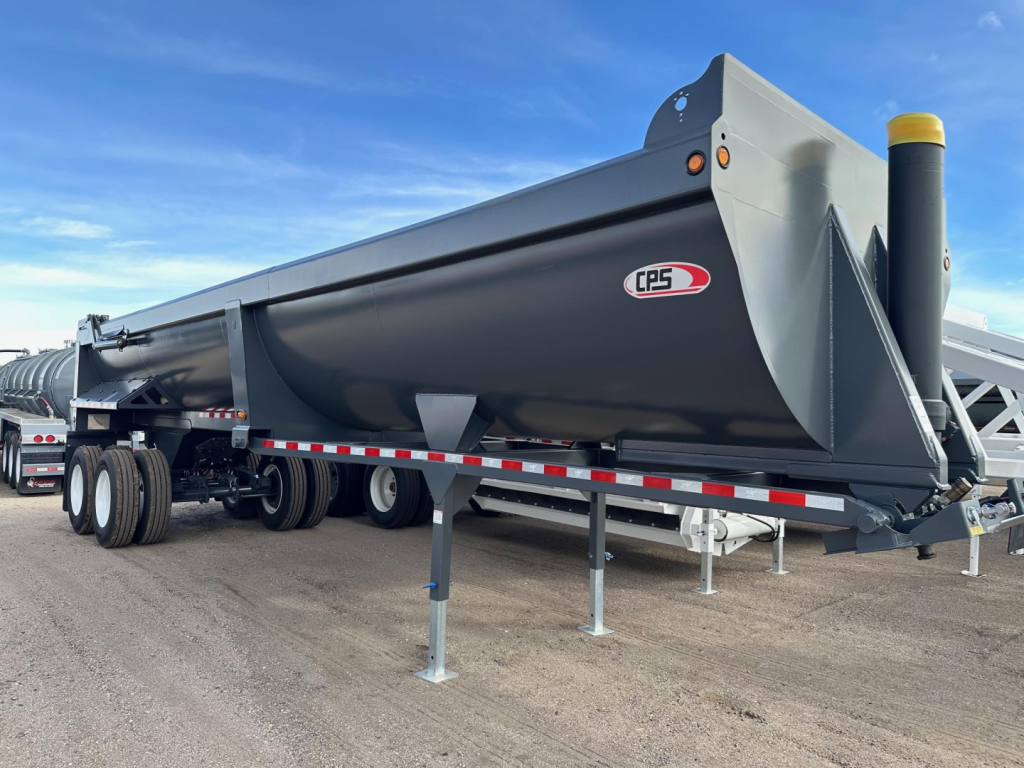
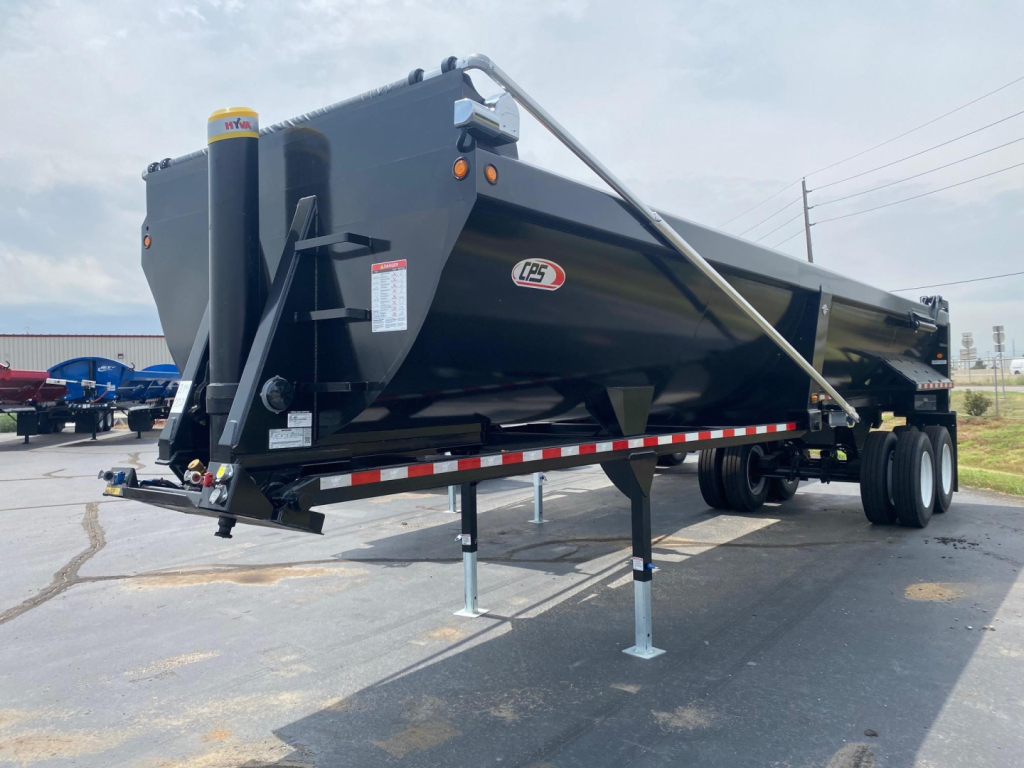
On CPS end dumps, buyers will usually be looking at frameless steel construction, often with half-round tubs and abrasion-resistant material such as AR450 for severe-service hauling. That matters in rock, scrap, and demolition service where body life is tied to impact resistance and floor wear. Typical specs in this class include 32-foot to 40-foot tubs, high sidewalls, high cube bodies, mesh flip tarps, barn door or high-lift gates, ladders, rear fenders, and single-point suspensions. The frameless design helps keep weight down and payload up, but it also puts more importance on matching the trailer to the terrain and loading conditions. If the work involves uneven demolition sites or sticky material, suspension choice, tub shape, and gate style become major buying points.
CPS trailers generally appeal to buyers who want practical specs that support production, not overbuilt trim packages. Look closely at tub material, side height, cubic yard rating, tarp design, gate hardware, and suspension layout before comparing price alone. For Colorado operations, it also pays to match the trailer to elevation changes, mixed road surfaces, and seasonal conditions that affect traction and stability. A properly spec'd CPS dump trailer can be a strong fit for contractors, aggregate fleets, paving crews, municipalities, and owner-operators who need straightforward equipment built for repetitive bulk-material work.
Frequently Asked Questions about 2026 CPS Trailers in Colorado
What types of 2026 CPS trailers are most common?
The most common 2026 CPS trailers in the market are dump-oriented models, especially bottom dumps and frameless end dumps. Bottom dumps are widely used in aggregate and paving work because they allow controlled discharge through the hopper gates. Frameless end dumps are more common in rock, scrap, and demolition applications where a rear dump body and abrasion-resistant tub are better suited to heavy or irregular material.
What is the difference between a CPS bottom dump and a CPS end dump?
A CPS bottom dump discharges material through gates in the belly of the trailer, which makes it ideal for spreading gravel, sand, and road base in a controlled windrow. A CPS end dump raises the body and unloads from the rear, which is better for bulk rock, broken concrete, scrap, and other materials that do not need precise placement. The right choice depends on material type, unloading environment, and whether the job demands placement control or maximum dump-body versatility.
Why does AR450 steel matter on a CPS end dump trailer?
AR450 is an abrasion-resistant steel commonly used in severe-duty dump bodies because it holds up better against impact, sliding wear, and repeated loading from hard material. On a CPS end dump, an AR450 half-round tub can improve service life in rock, scrap, and demolition work compared with a lighter general-purpose body. Buyers hauling abrasive material should pay close attention to tub material because it affects long-term repair costs, body fatigue, and resale value.
What specs matter most when buying a 2026 CPS bottom dump trailer?
The main specs to compare are trailer length, hopper design, axle configuration, suspension type, gate controls, tarp system, and GVWR. A 40-foot or 42-foot trailer with air ride, single hopper, pin setting gate limiters, and a windrow deflector is a common aggregate setup. Buyers running heavier payloads or working under specific bridge and axle limits should also look closely at tri-axle configurations, lift axles, and the overall weight of the trailer before making a decision.
Are CPS trailers a good fit for Colorado hauling conditions?
CPS trailers can be a strong fit for Colorado operations because many of their common specs align well with aggregate, paving, rock, and demolition work found across the state. Buyers still need to match the trailer to terrain, seasonal road conditions, and legal weight requirements. In mountain and mixed-surface applications, suspension choice, axle layout, tarp reliability, and body stability under load are especially important factors.