
2026 CPS Trailers For Sale
Shop 2026 CPS trailers, including bottom dump and scrap end dump models with air ride, high-cube bodies, electric tarps, and jobsite-ready specs.
Selling a 2026 cps trailer? List your 2026 cps trailer for sale and reach thousands of commercial buyers.
2026 CPS Trailers
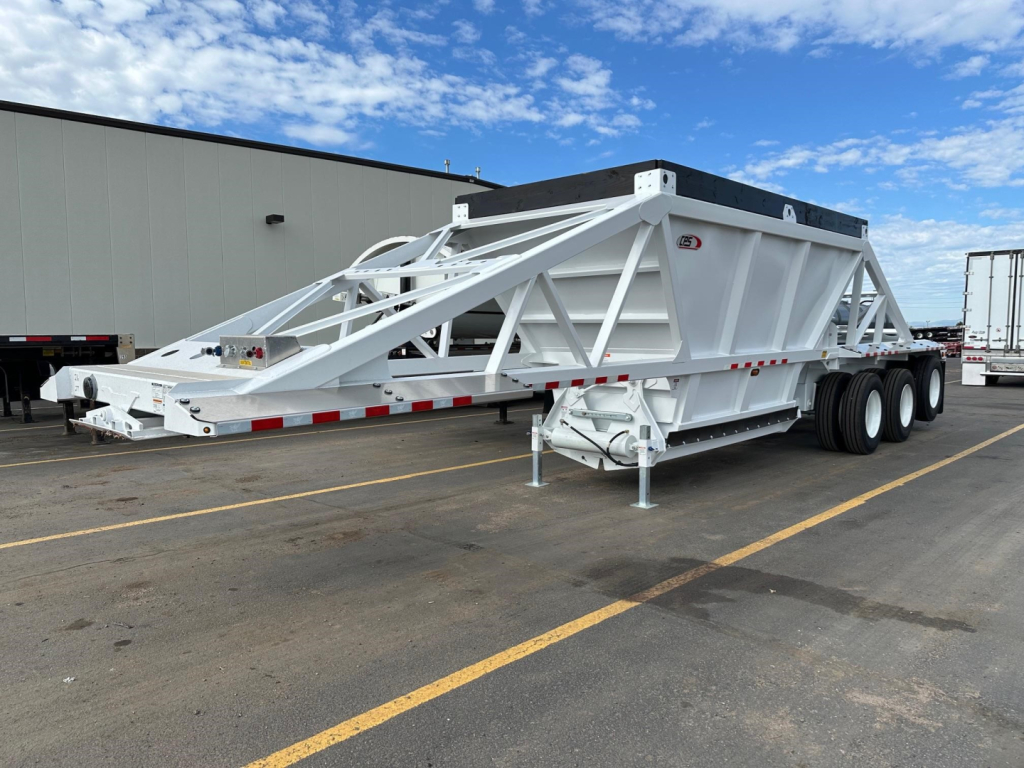
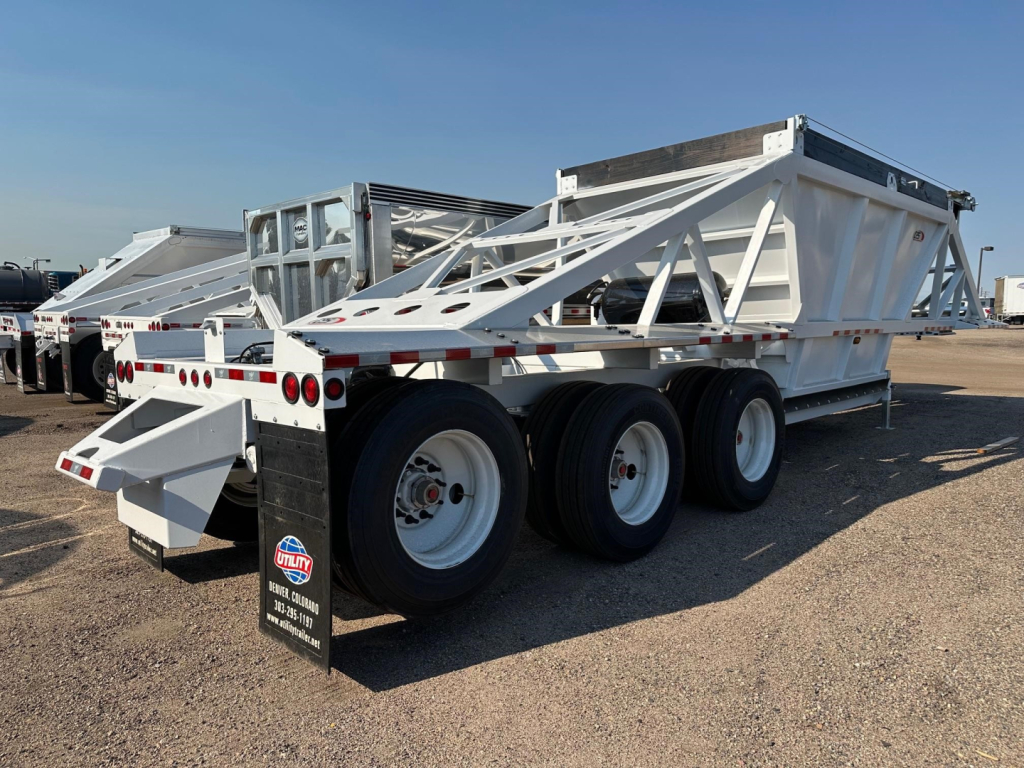
On the bottom dump side, common specs include 40-foot to 42-foot lengths, steel construction, 11R24.5 rubber, steel wheels, and air ride suspension. Tandem and tri-axle layouts both show up, with some tri-axle configurations adding a rear lift axle to help manage bridge laws and tire wear. Features like a single hopper, pin-setting gate limiters, Versa Valve controls, bang boards, windrow deflectors, push blocks, and electric flip or slide tarps matter because they directly affect material flow, paving consistency, and day-to-day ease of use. If the trailer will spend its life feeding asphalt crews, shoulder work, or aggregate spreads, gate control and discharge consistency are more important than simply chasing the lowest empty weight.
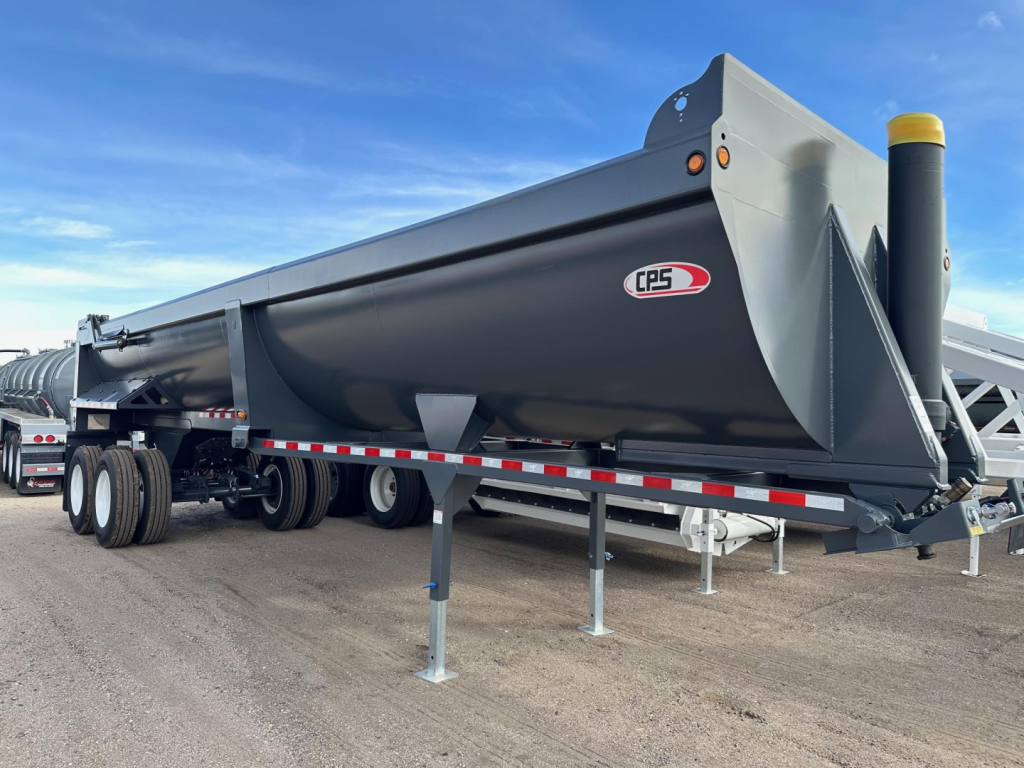
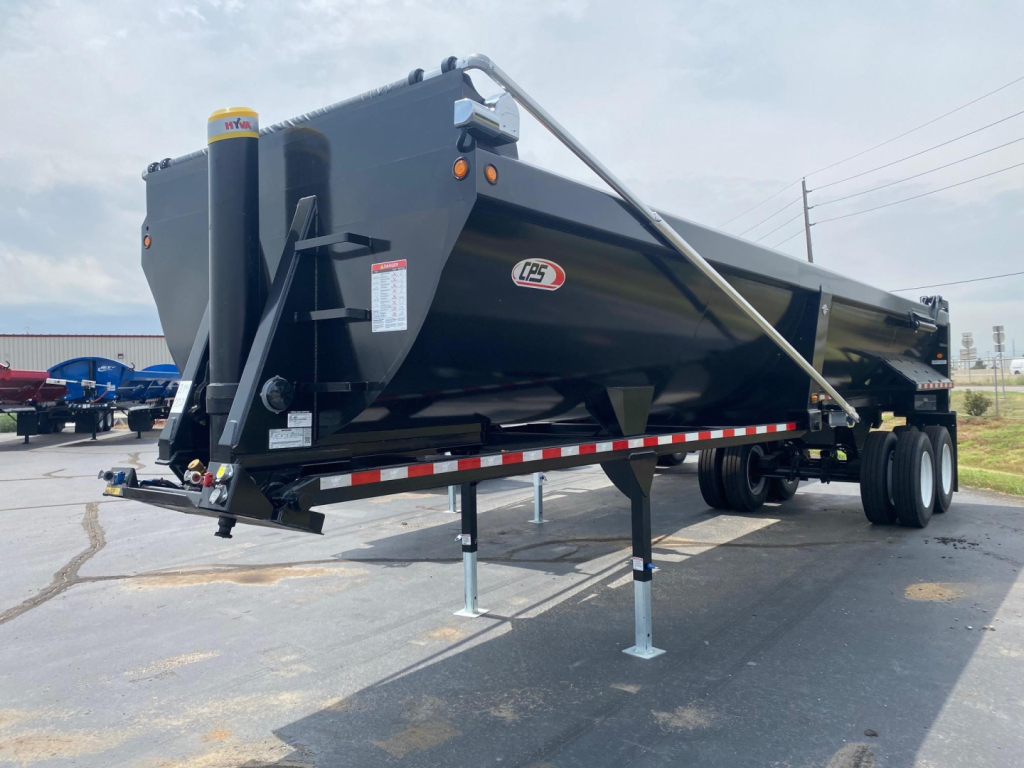
CPS scrap and demolition trailers in this group lean toward 42-foot overall length, frameless construction, a 40-foot half-round AR450 steel rock tub, 100-inch sides, tandem axles, single-point suspension, and barn door swing gates. Capacities around 87 cubic yards put these trailers in the high-cube category, where volume is a major selling point but body material and tub shape are just as important. AR450 steel is a strong fit for abrasive scrap, C&D debris, and mixed demolition material, and the half-round tub helps promote cleaner unloading with fewer hang-ups than a square body under difficult loads. Buyers should pay close attention to side height, tub length, ladder placement, tarp setup, and gate style, because those details affect loader compatibility, site safety, and unload speed.
The practical buying decision with a 2026 CPS trailer is matching body style to commodity, route, and state weight rules. A lightweight air ride bottom dump can make sense for regional aggregate fleets that need controlled discharge and fast turnaround. A frameless steel end dump is better suited to scrap yards, transfer stations, and demolition contractors that value cubic capacity and rugged body construction over precision spreading. Review suspension type, axle count, hopper or gate configuration, tarp system, and tub material before comparing price. On dump trailers, those specs drive payload efficiency, maintenance cost, and job fit more than model year alone.
Frequently Asked Questions about 2026 CPS Trailers
What are the most common types of 2026 CPS trailers buyers will see?
The most common 2026 CPS trailers in this category are dump trailers, especially bottom dump trailers for aggregate work and scrap or demolition end dump trailers for high-volume bulk hauling. Bottom dumps are designed for controlled discharge through a hopper system, while end dumps use a raised body to unload from the rear. The right choice depends on material type, unload method, and the kind of jobsite the trailer will serve.
What is a CPS bottom dump trailer best used for?
A CPS bottom dump trailer is best used for aggregate, road base, sand, and similar material that needs to be spread in a controlled windrow. Features like Versa Valve controls, pin-setting gate limiters, bang boards, and windrow deflectors help regulate flow and improve placement accuracy. These trailers are a strong fit for paving support, highway work, and fleets that value fast unload times without raising the body.
Why would a buyer choose a CPS scrap or demolition end dump trailer?
A CPS scrap or demolition end dump trailer is a better fit for bulky, abrasive, or irregular material such as demolition debris, scrap, or C&D waste. High-cube bodies around 87 cubic yards, AR450 steel tubs, frameless construction, and half-round designs help the trailer handle rough material while promoting cleaner unloads. Buyers often choose this style when cubic capacity and body durability matter more than controlled spread discharge.
What specs matter most when comparing CPS dump trailers?
The most important specs are body style, axle configuration, suspension, tub or hopper design, gate setup, and tarp system. For bottom dumps, gate control and hopper layout are critical because they determine how consistently material flows. For scrap and demolition end dumps, tub material, side height, cubic capacity, and gate type are major factors because they affect payload, durability, and unloading performance. Tire size, wheel type, and push block design also influence maintenance and operational flexibility.
Are air ride and tri-axle configurations worth considering on a CPS trailer?
Air ride and tri-axle setups are worth considering when ride quality, weight distribution, and state bridge compliance are important to your operation. Air ride can improve stability and help protect the trailer and load on rough roads. A tri-axle configuration, especially with a lift axle, can offer more flexibility for heavier legal payloads and better tire management, but it also adds complexity compared with a simpler tandem setup. The right configuration depends on payload targets, route restrictions, and how the trailer will be dispatched.