
Stoughton Trailers For Sale in Colorado
Browse Stoughton trailers for sale in Colorado, including dry vans and grain hoppers with specs on suspension, dimensions, floors, doors, and axles.
Selling a stoughton trailer? List your stoughton trailer for sale and reach thousands of commercial buyers.
Stoughton Trailers in Colorado
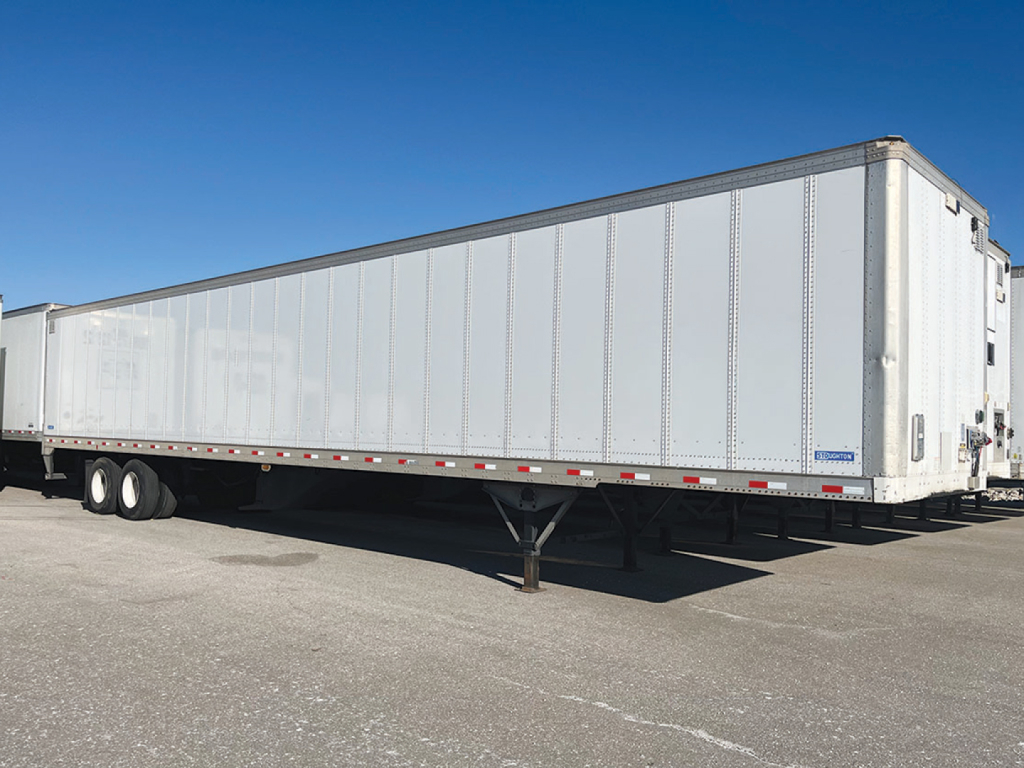
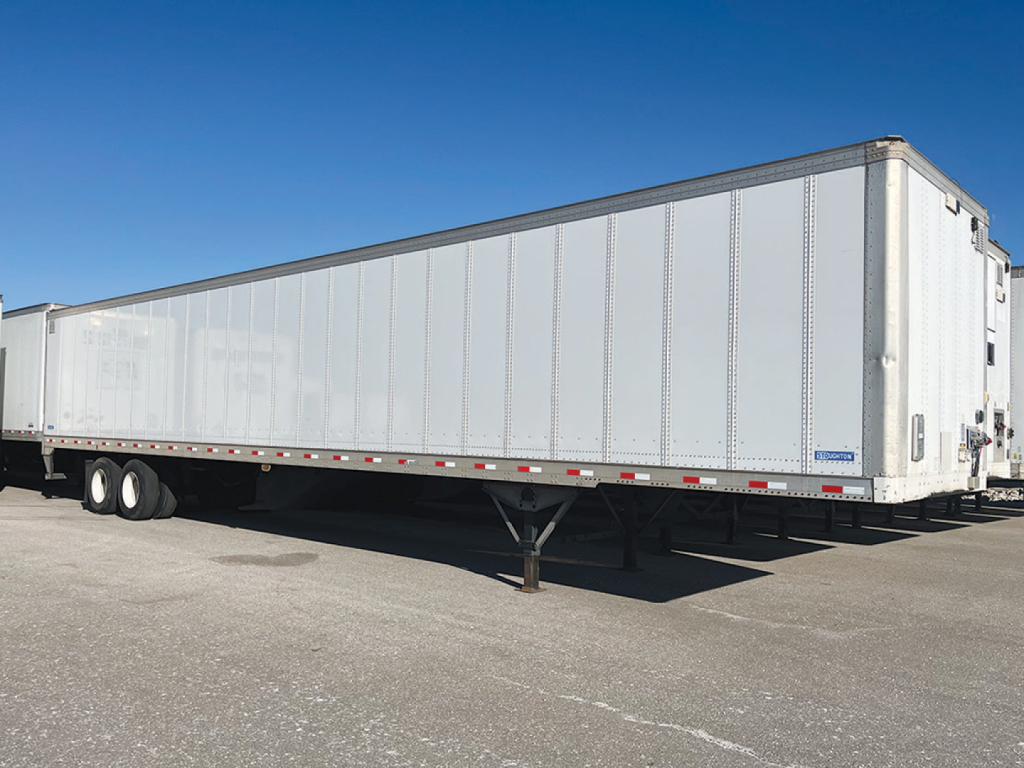
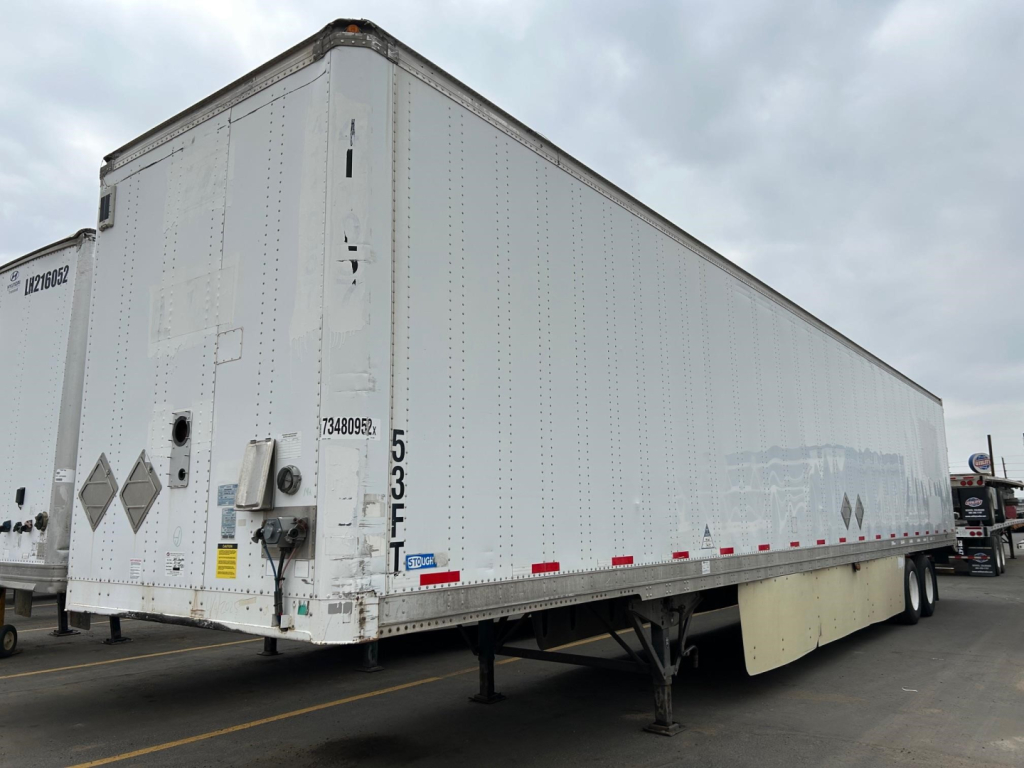
For Stoughton dry vans, most buyers start with body dimensions and floor construction. A typical spec is 53 feet long by 102 inches wide with standard interior height around 12 feet 6 inches, though exact cube and clearance matter if you are loading palletized freight, retail, or high-volume dry goods. Aluminum-lined interiors, aluminum scuff plates, threshold plates, and wood floors are common on fleet van specs because they balance weight, repairability, and forklift durability. Air ride suspension is popular for cargo protection, while sliding tandem axles help with state bridge laws and dock positioning. Tire inflation systems, galvanized rear frames, and logistics track are all worth paying attention to because they affect uptime, corrosion resistance, and load securement flexibility.
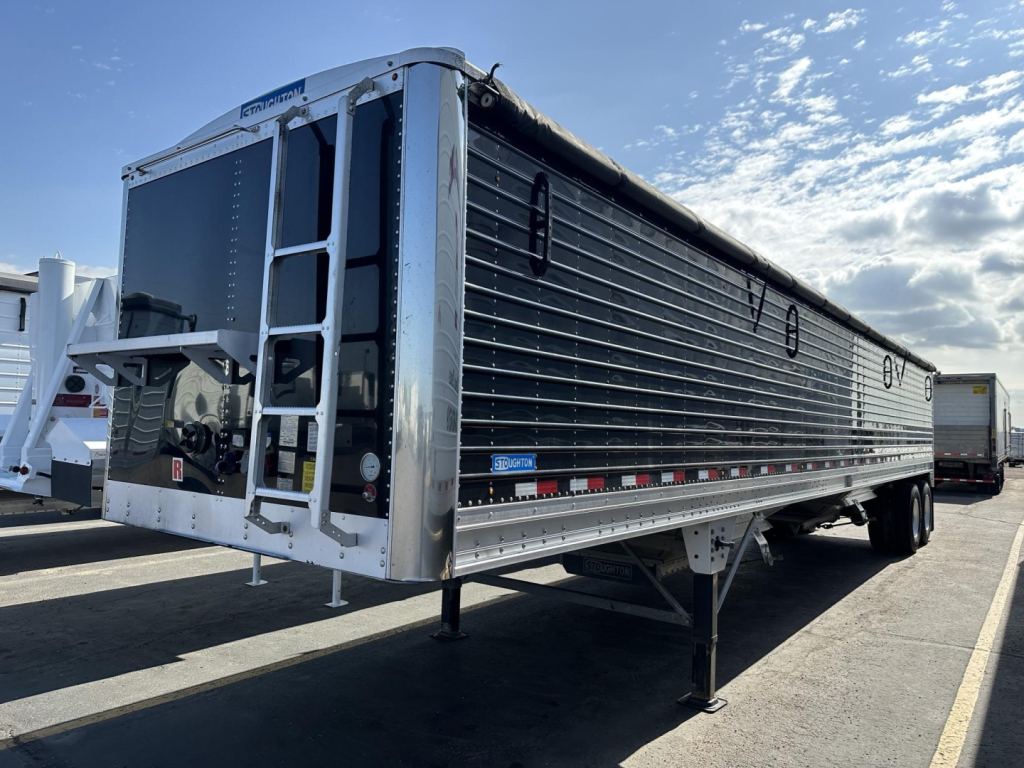
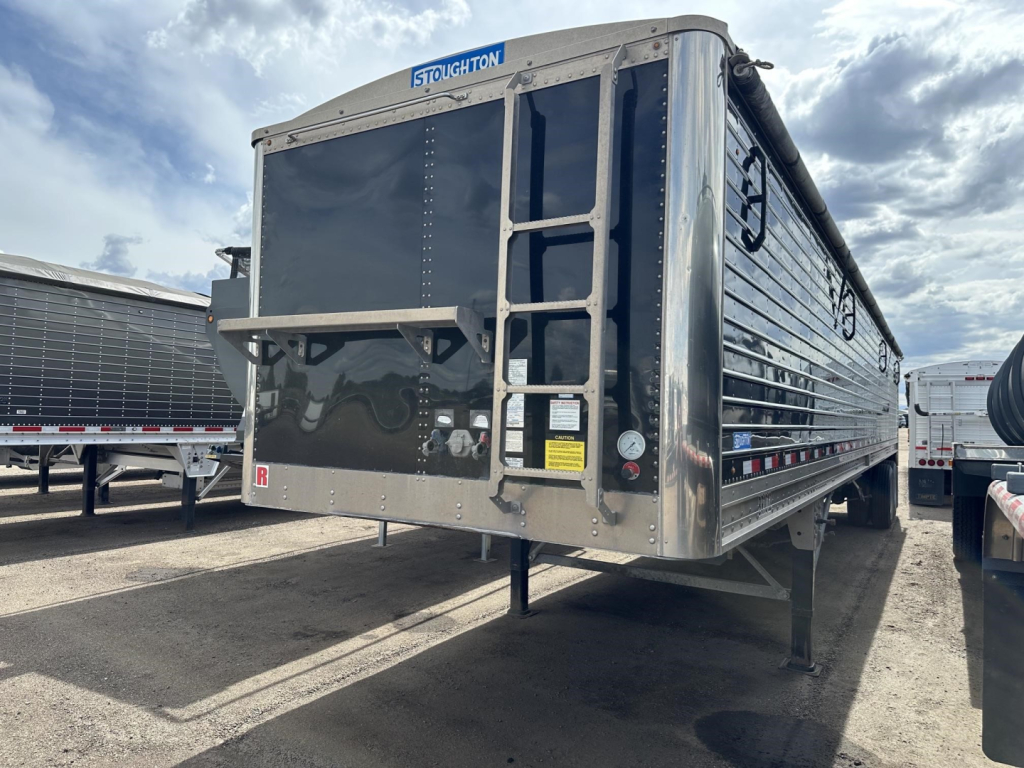
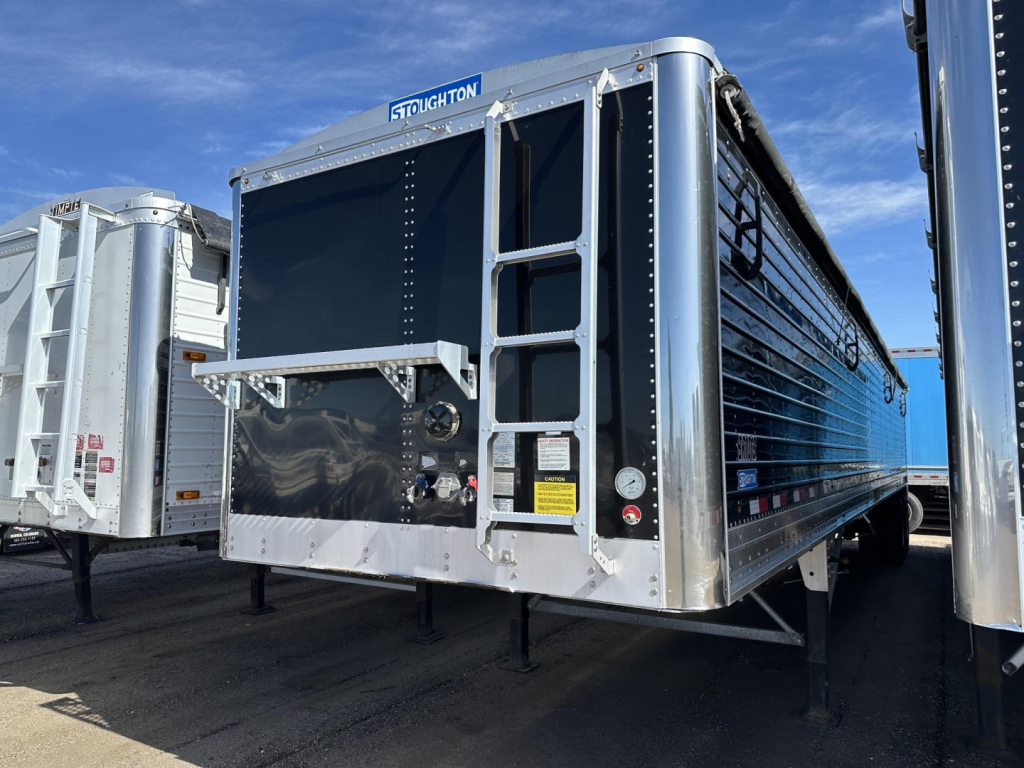
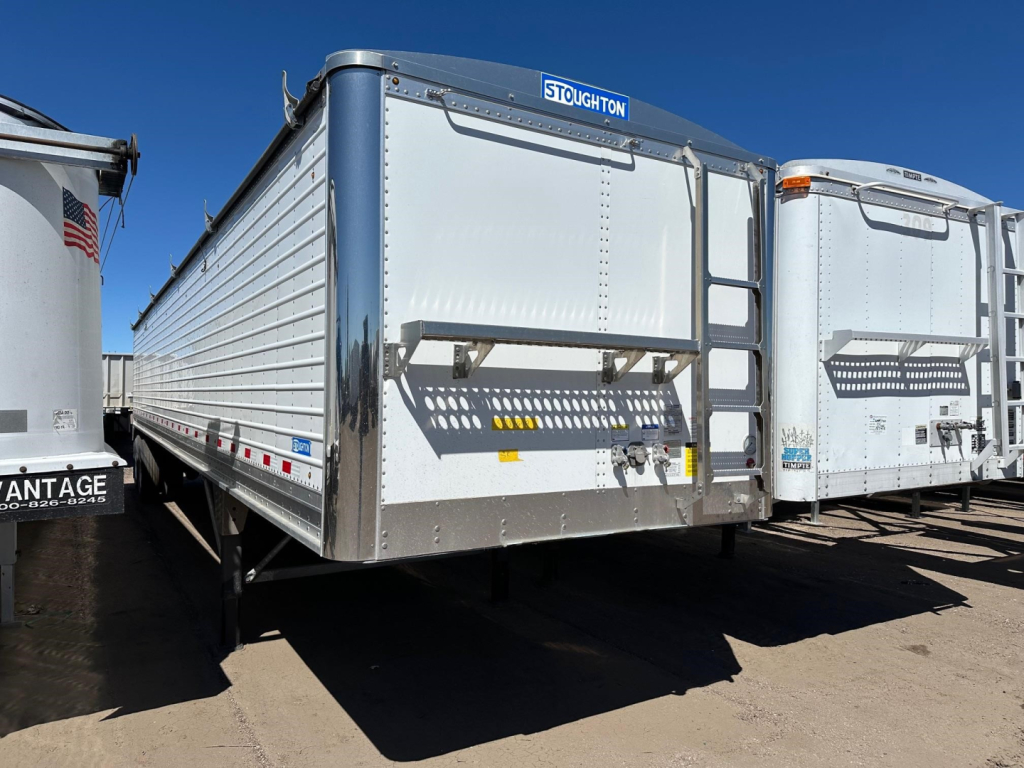
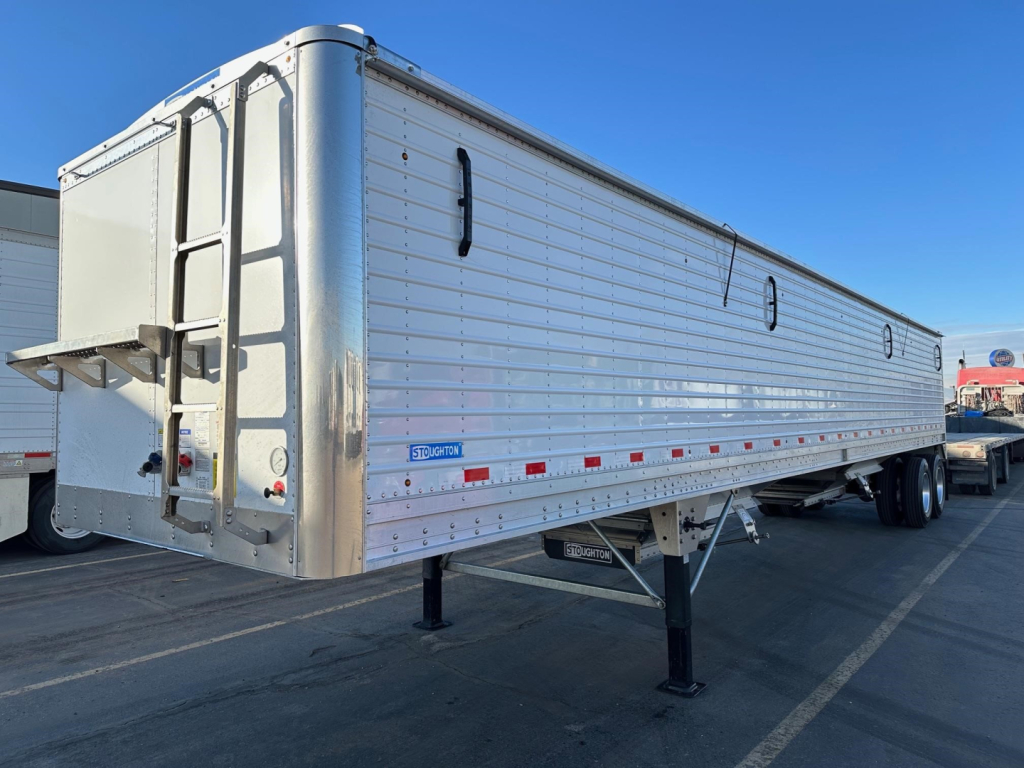
On the hopper side, Stoughton grain trailers are often seen in 42-foot tandem axle configurations with 96-inch width, corrugated side panels, and side heights in the mid-70-inch range. Buyers should pay close attention to hopper type, trap design, and ground clearance, especially if the trailer will be used in uneven field entrances or farm yards. Manual roll tarps and manual hopper controls are still common, but the condition and ease of operation matter as much as the feature itself. Front and rear ladders, catwalks, work lights, stainless front corners, and stainless rear panels can add durability and improve day-to-day use during harvest. Air ride suspension is a plus for ride quality and chassis longevity, and wheel specs such as outside aluminum with inside steel are often chosen to balance appearance, cost, and serviceability.
Colorado buyers should also think about route profile and climate. Mountain grades, winter road treatment, and wide temperature swings make corrosion protection, brake condition, tire condition, and suspension maintenance more important than a basic walk-around might suggest. On dry vans, inspect the rear frame, roof, floor crossmember condition, and door opening for signs of heavy dock abuse. On grain hoppers, check traps for smooth operation, tarp bows and arms for wear, and panel condition for any signs of previous damage or repair. Stoughton has a solid reputation across fleet trailer applications, but the best value usually comes from choosing a spec that fits the freight, loading method, and maintenance program rather than just comparing model year alone.
Frequently Asked Questions about Stoughton Trailers in Colorado
What types of Stoughton trailers are most common on the used market?
The most common Stoughton trailers on the used market are 53-foot dry vans and grain hopper trailers. Dry vans are widely used in general freight, retail, and distribution work, while hopper trailers are common in agricultural service for hauling grain and other bulk commodities. The exact mix varies by region, but buyers typically see fleet-spec van trailers with air ride and sliding tandems, along with tandem axle grain hoppers equipped with tarps, ladders, catwalks, and manual or electric trap systems.
What should I look for when buying a used Stoughton dry van trailer?
Start with the structural and operational basics: floor condition, roof integrity, rear frame corrosion, door operation, suspension wear, and tandem slide function. Then look at cargo-handling details such as logistics posts, scuff liners, threshold plates, and interior lining. A van trailer with a sound floor, straight body, and well-maintained running gear will usually matter more than cosmetic appearance alone. Tire inflation systems, air ride suspension, and galvanized rear frame components can also improve long-term operating value.
What matters most on a Stoughton grain hopper trailer?
The most important factors are cubic capacity, side height, hopper and trap design, tarp condition, suspension type, and overall understructure condition. Buyers should verify that the traps open and close smoothly, the tarp seals properly, and the trailer has enough ground clearance for the intended loading and unloading environment. Corrugated panels, stainless steel wear points, work lights, ladders, and catwalks can make a hopper trailer easier to live with during harvest and daily farm use.
Is air ride suspension worth it on a Stoughton trailer?
For many operations, yes. Air ride suspension improves ride quality, helps protect sensitive freight in dry van service, and can reduce shock loads on the trailer structure in both highway and agricultural use. It is especially valuable when trailers see mixed road conditions or longer regional hauls. The tradeoff is that air systems need regular inspection for bags, valves, and leaks, so the value depends on how well the trailer has been maintained.
Why do axle position and tandem configuration matter on trailer selection?
Axle setup affects legal payload distribution, maneuverability, and how easily the trailer fits your routes and loading locations. On dry vans, sliding tandems provide flexibility for bridge law compliance and dock approaches. On hopper trailers, a closed tandem or fixed tandem setup can simplify the chassis and suit specific commodity applications, but it also means the trailer needs to match your operating environment from the start. Buyers should always consider state regulations, commodity weight, and yard conditions before choosing axle configuration.