
2024 Trailers For Sale in Colorado
Browse 2024 trailers for sale in Colorado, including flatbeds, reefers, lowboys, and hopper trailers for regional and over-the-road work.
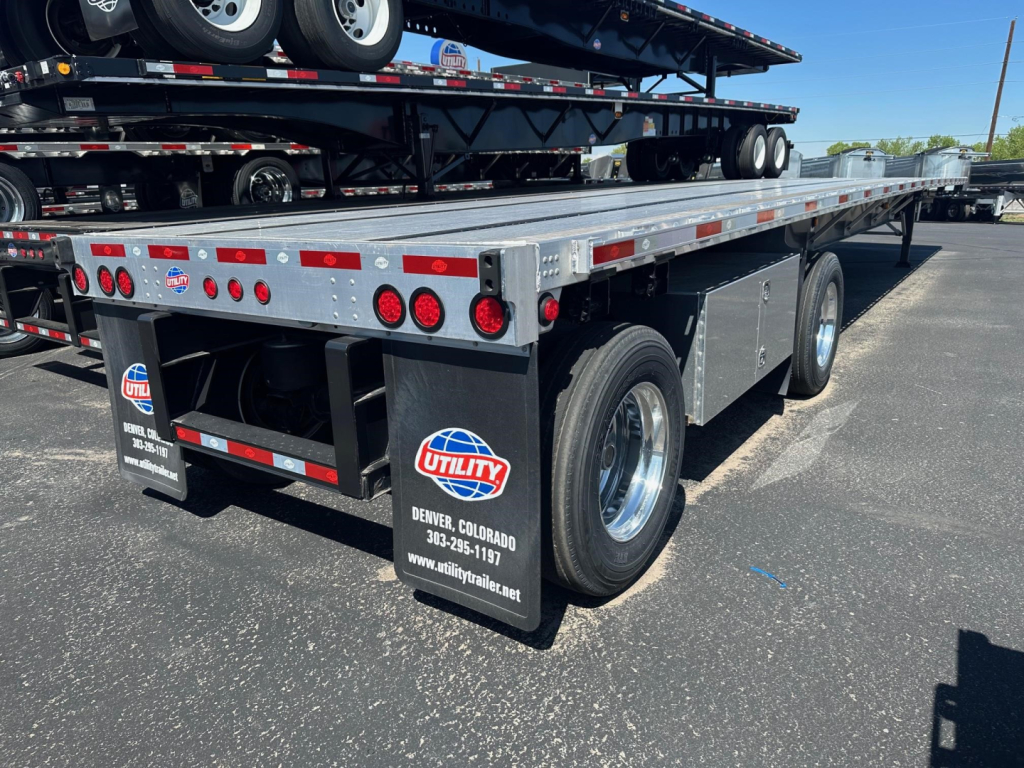
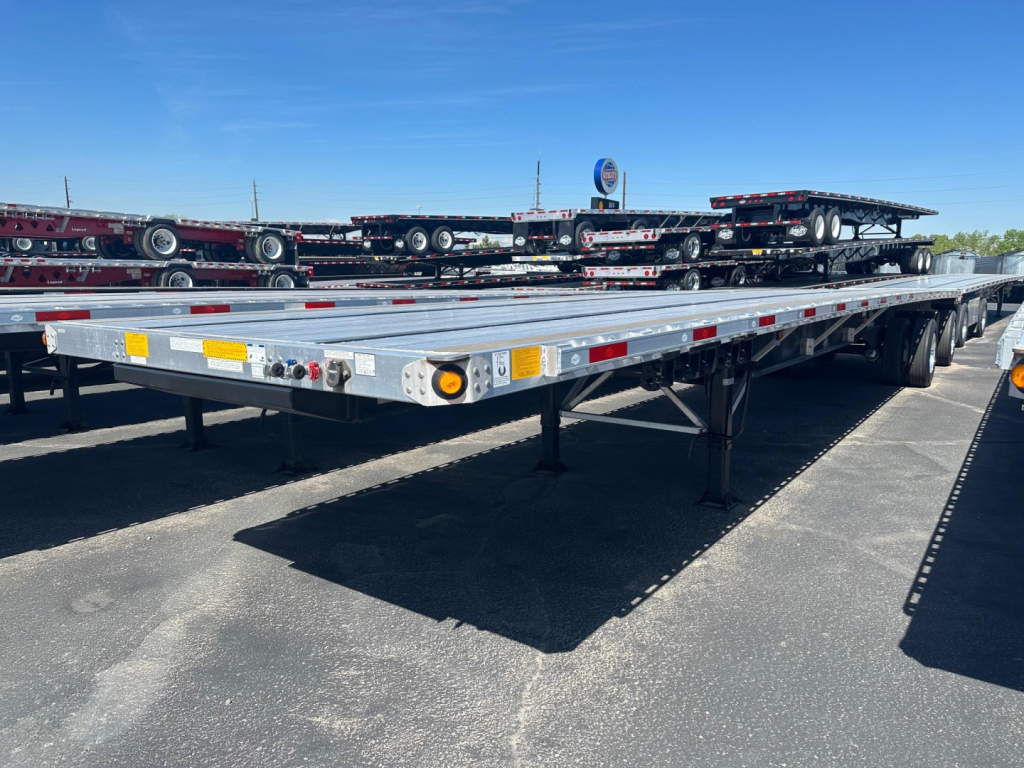
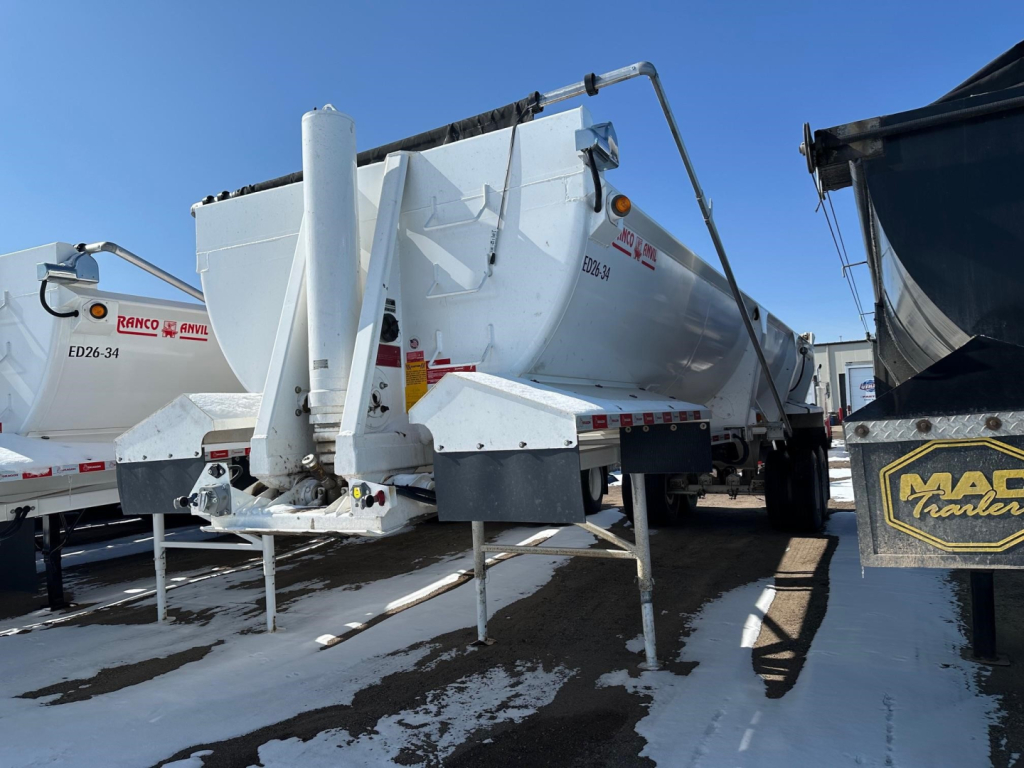
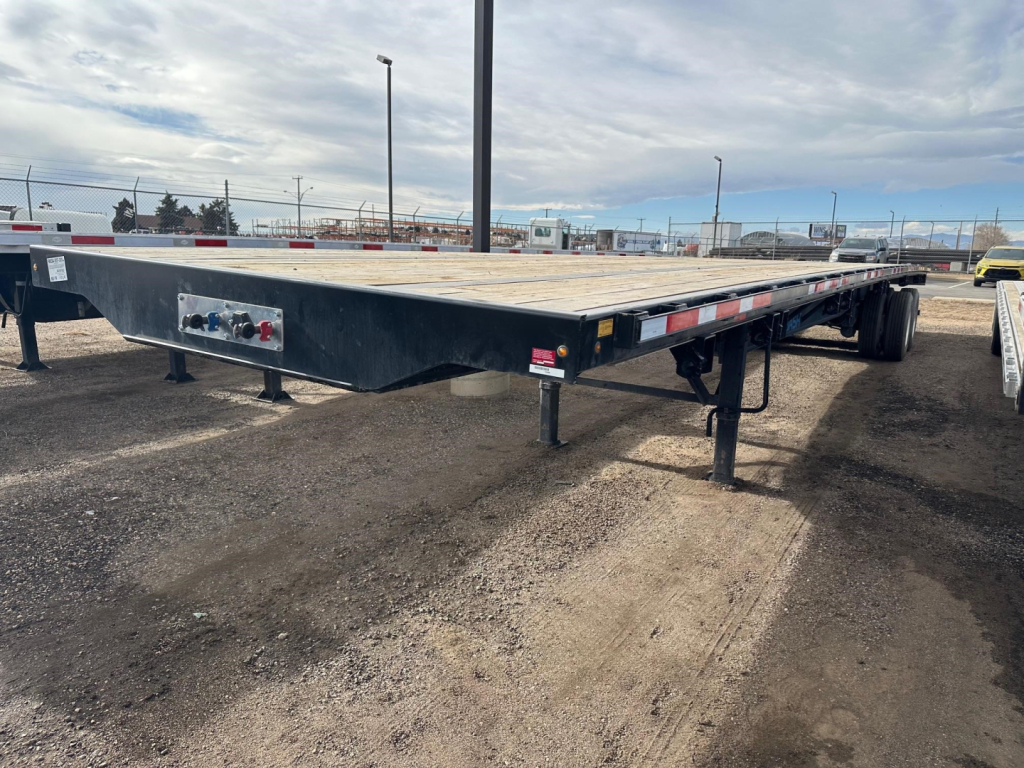
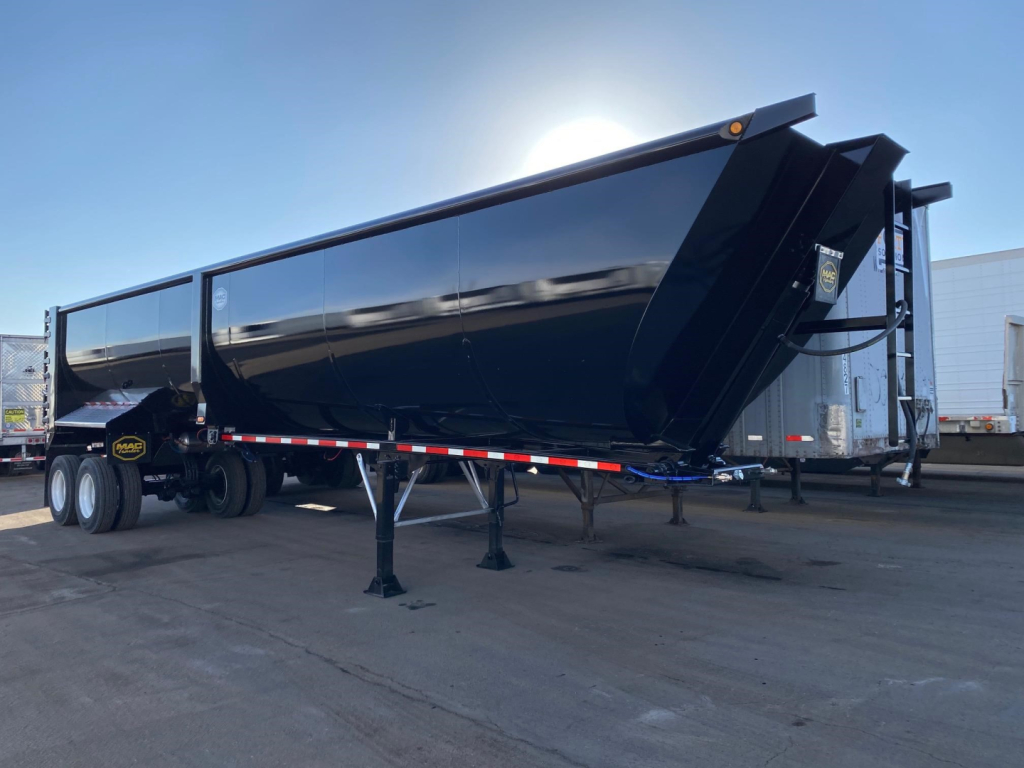
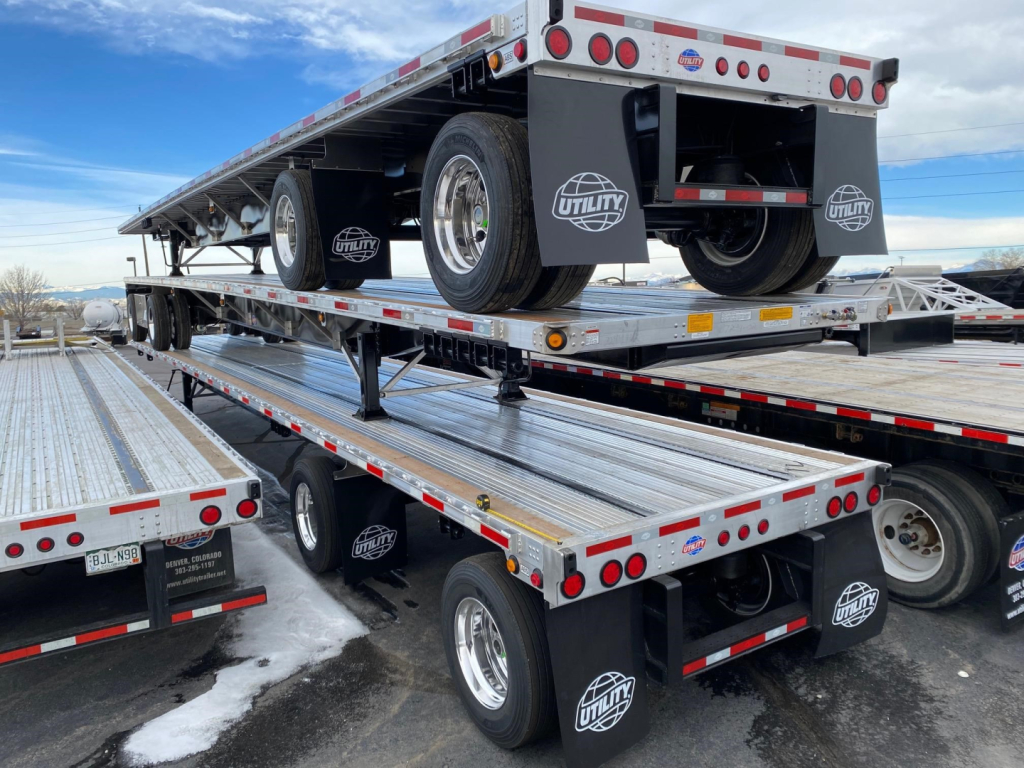
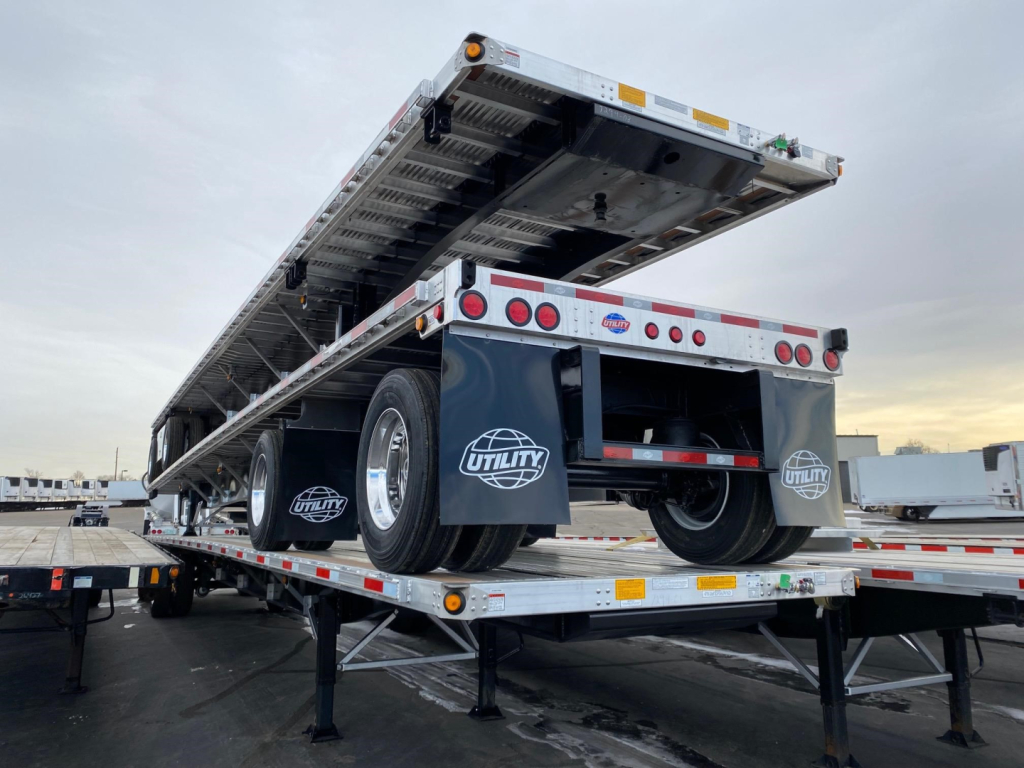
Selling a 2024 trailer? List your 2024 trailer for sale and reach thousands of commercial buyers.
2024 Trailers in Colorado
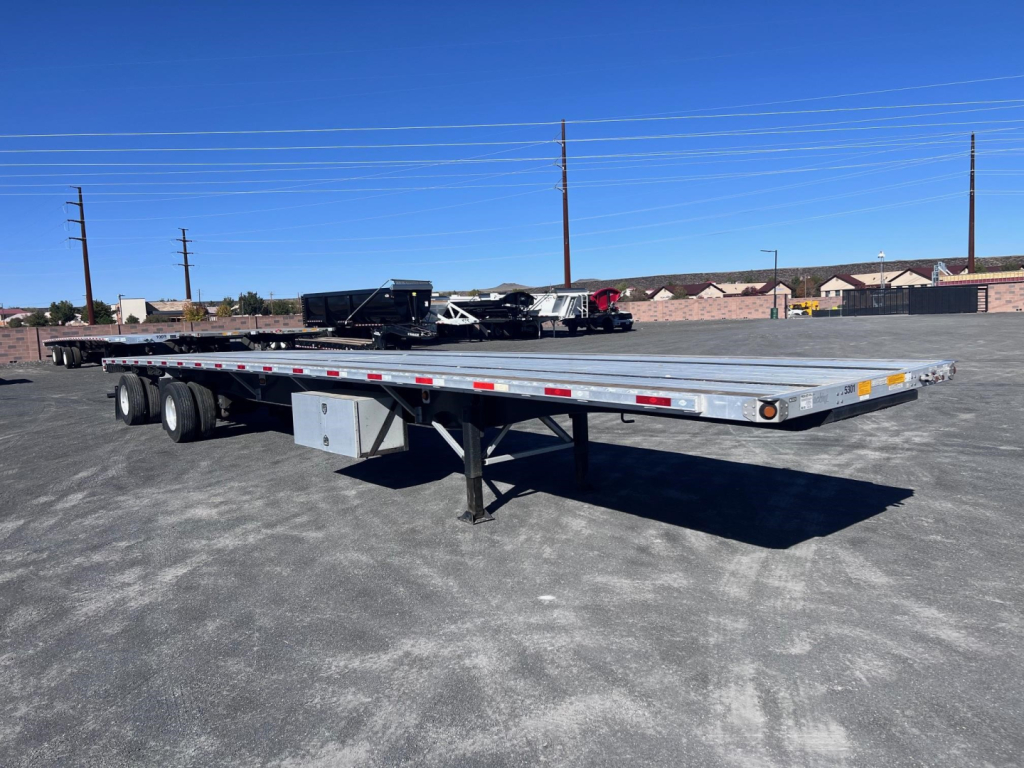
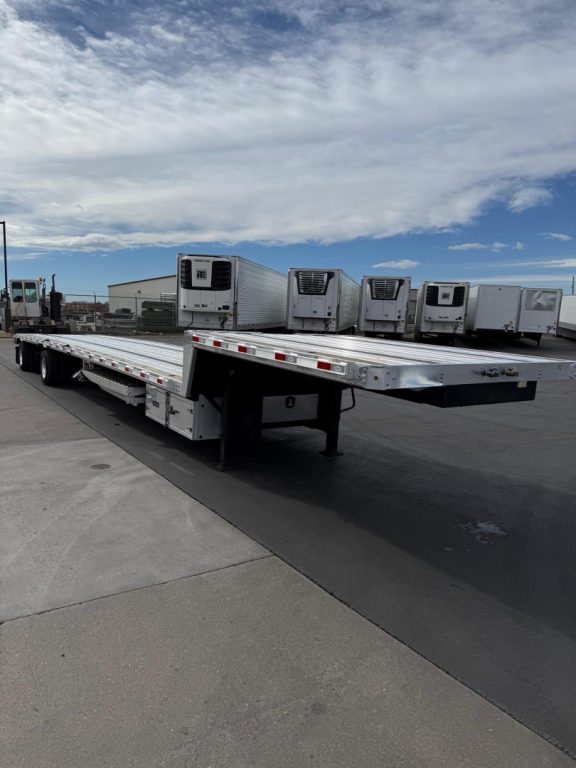
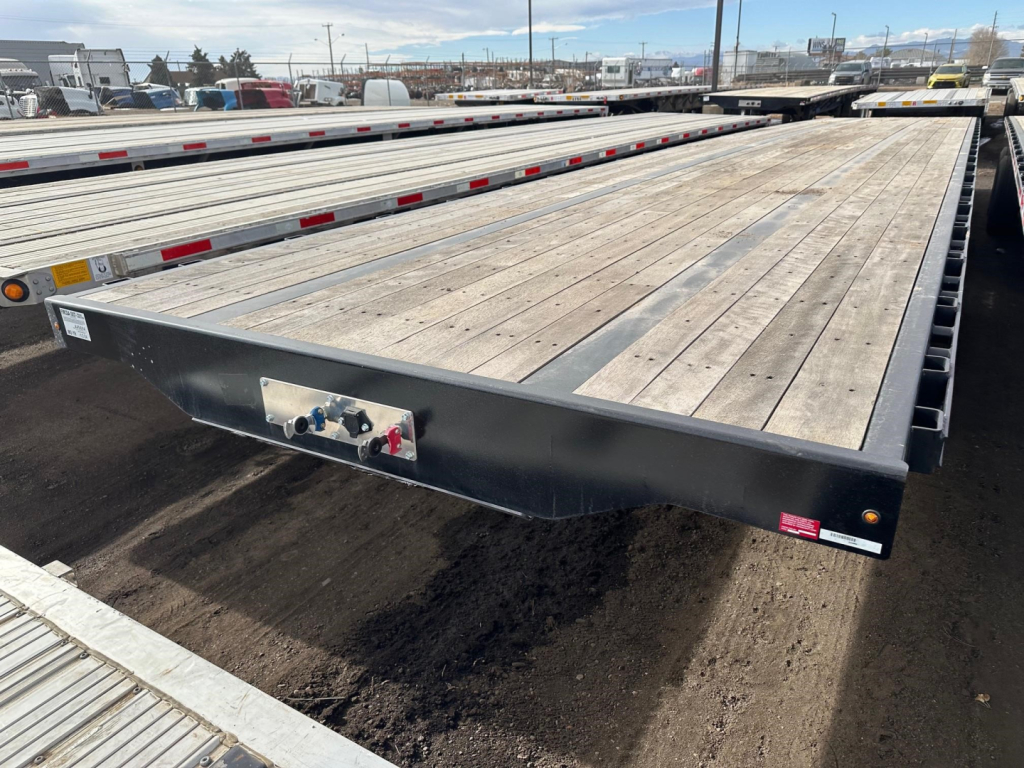
For van and reefer buyers, focus on interior condition, floor type, insulation, door style, and trailer tracking setup. A 53-foot reefer with air ride, a duct floor, scuff liners, and an air pin slider is built for food-grade and temperature-controlled freight, but reefer unit brand, hours, CARB compliance status, and chute setup matter just as much as the box itself. Flatbed buyers should look closely at main beam construction, aluminum versus steel composition, winch package, stake pockets, nail strips, and whether the axle spread is fixed, sliding, or California legal. If the work includes steel, lumber, machinery, or building products, tie-down points, coil package specs, and overall tare weight can affect productivity every day.
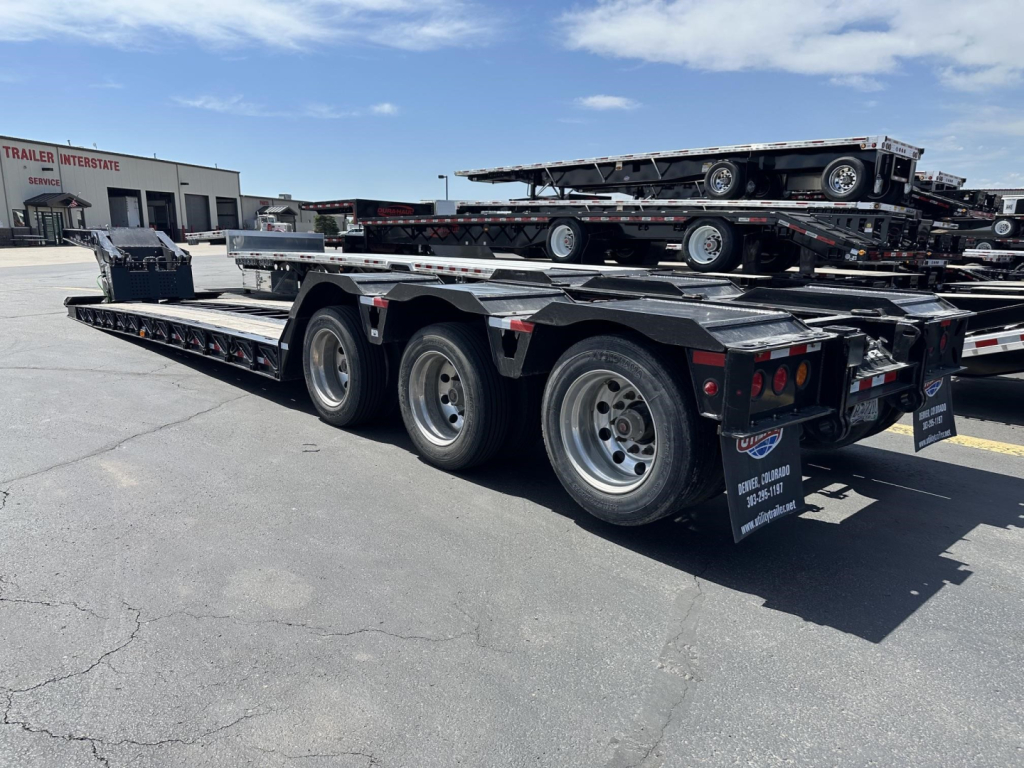
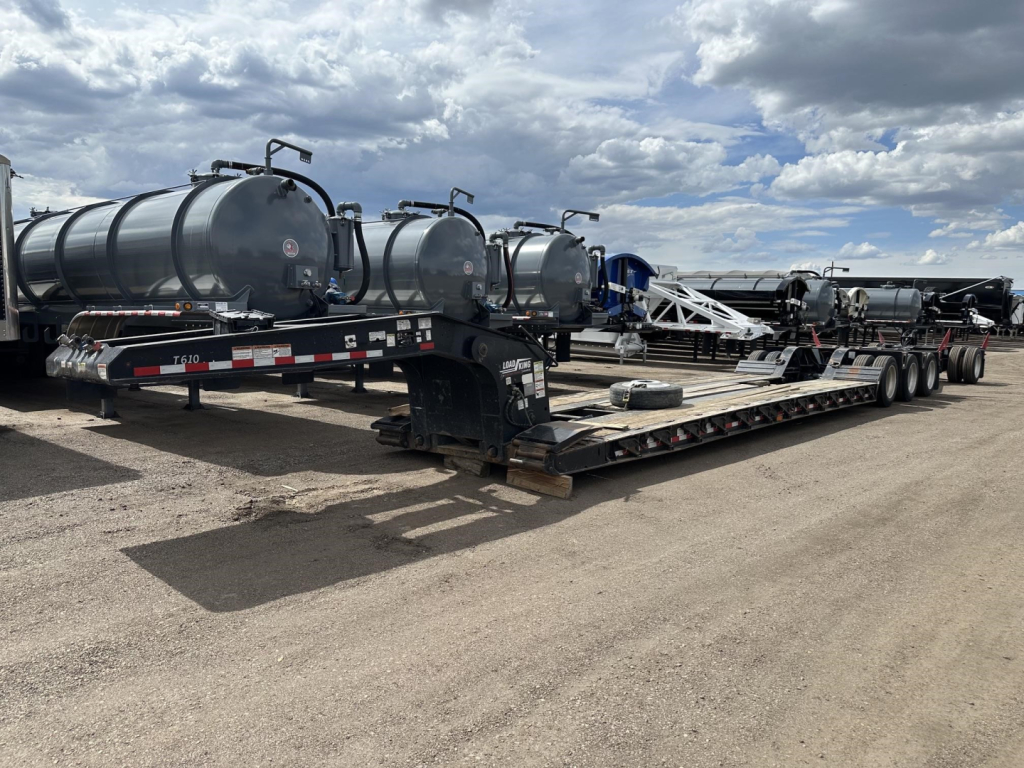
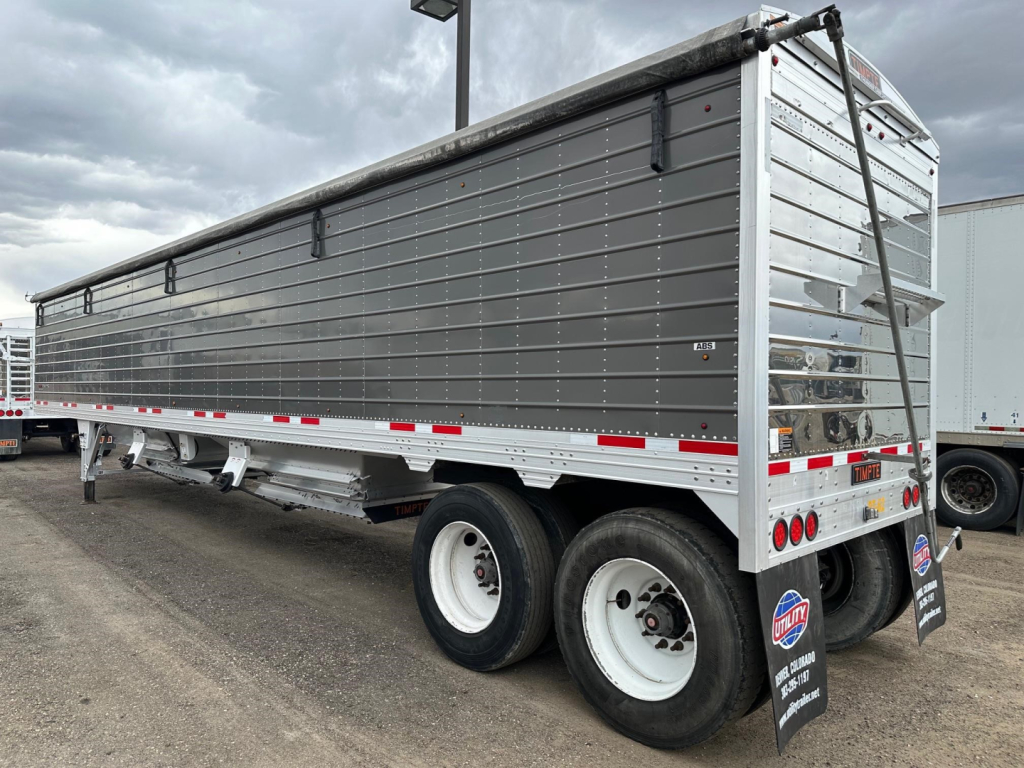
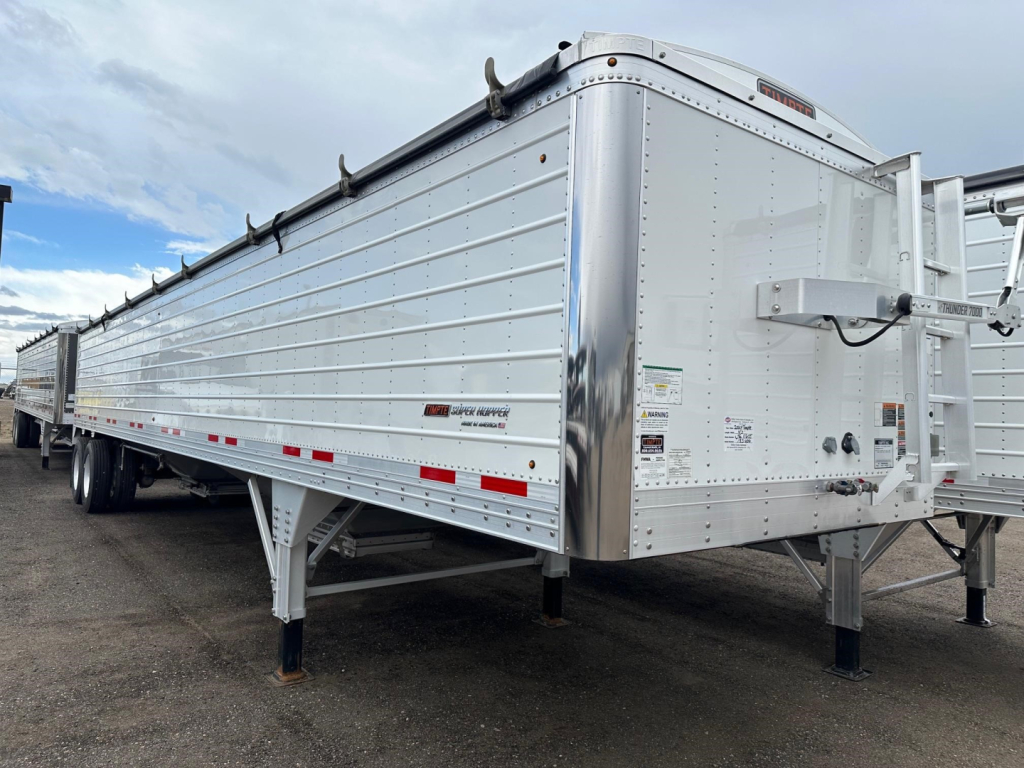
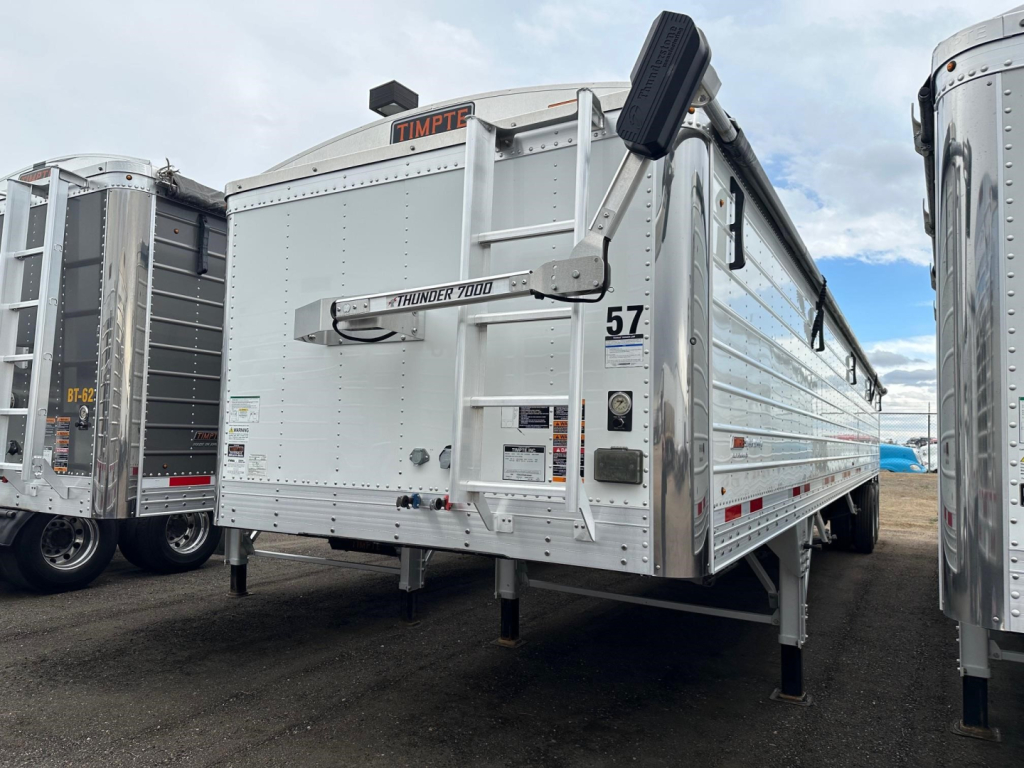
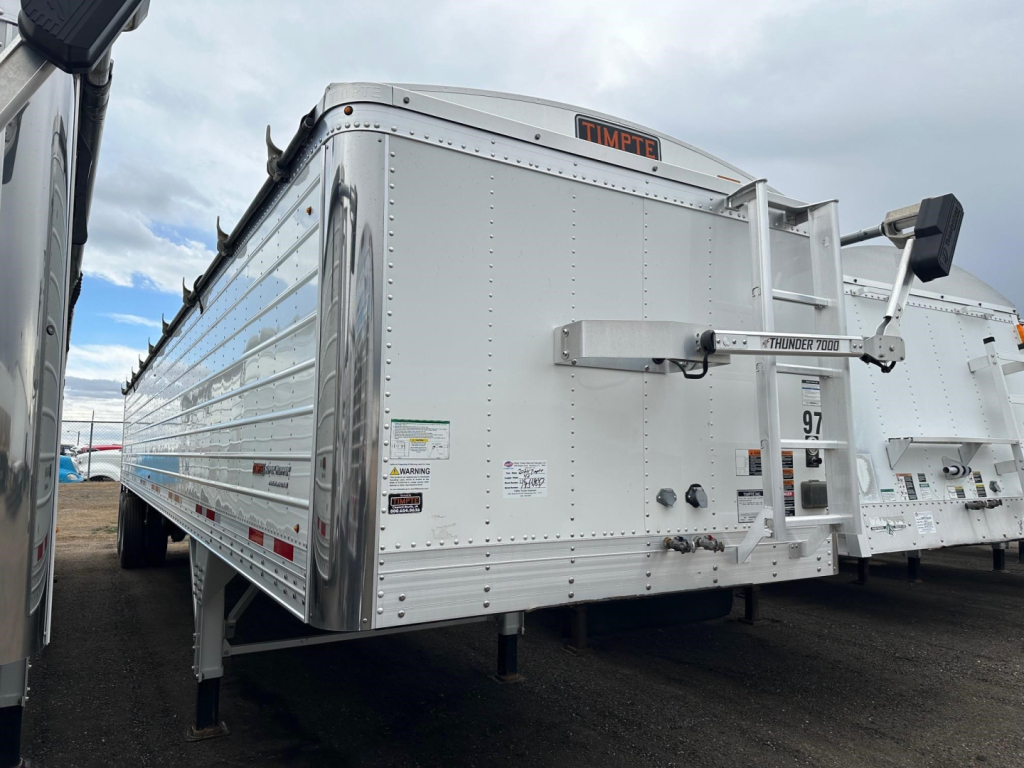
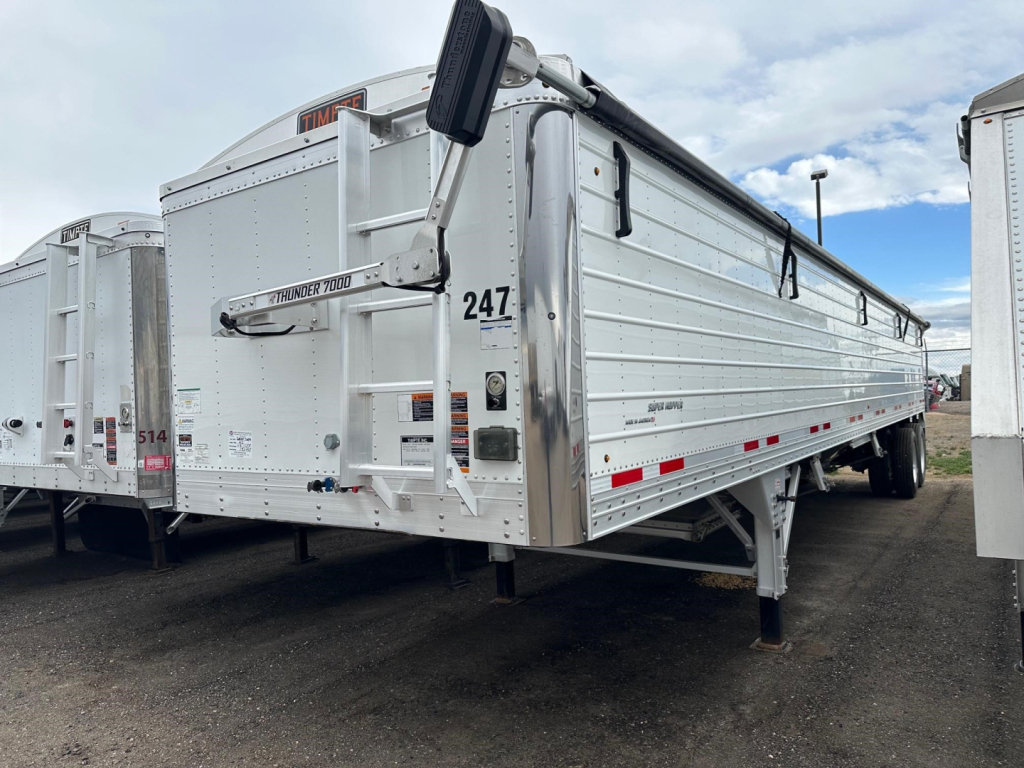
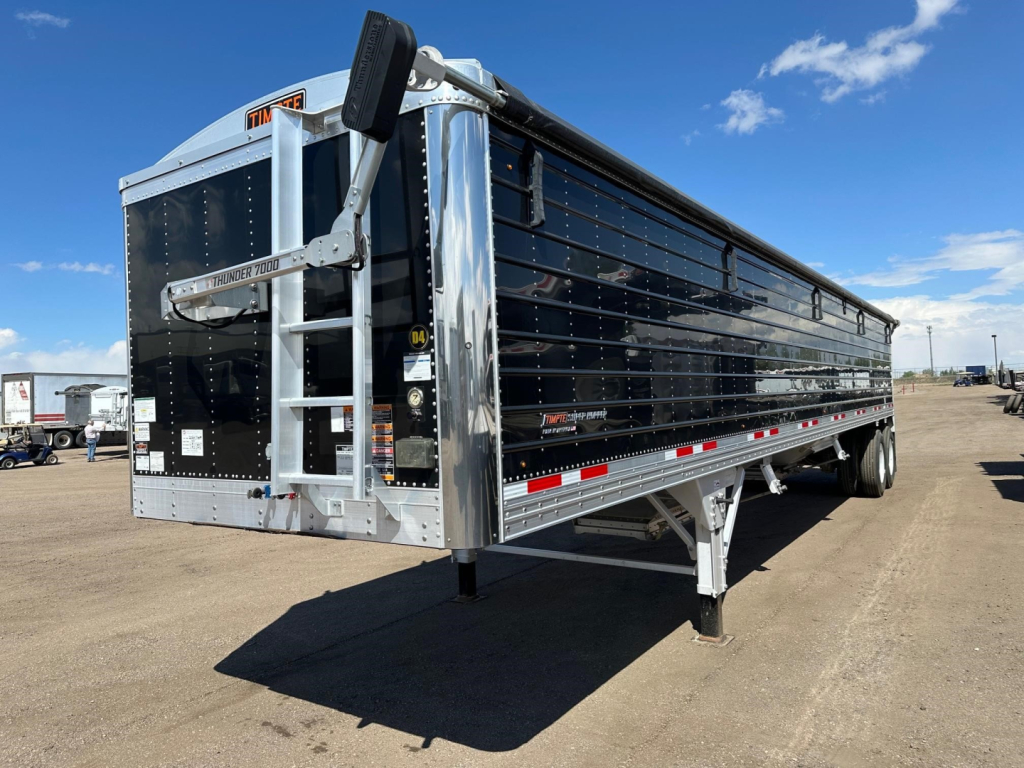
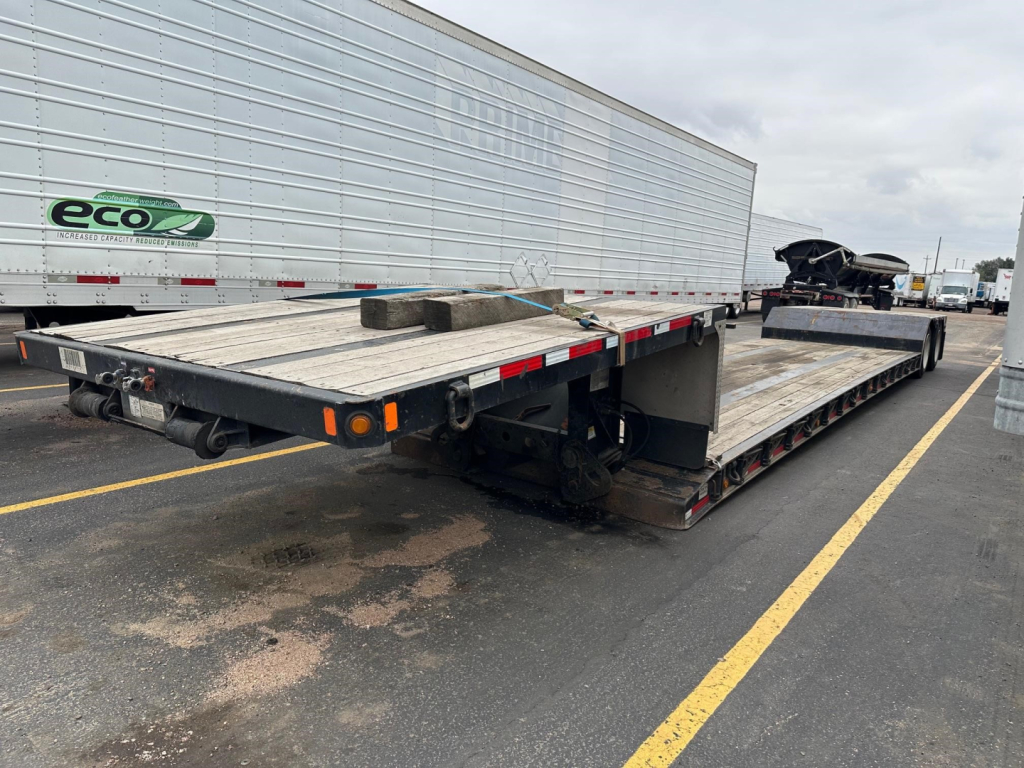
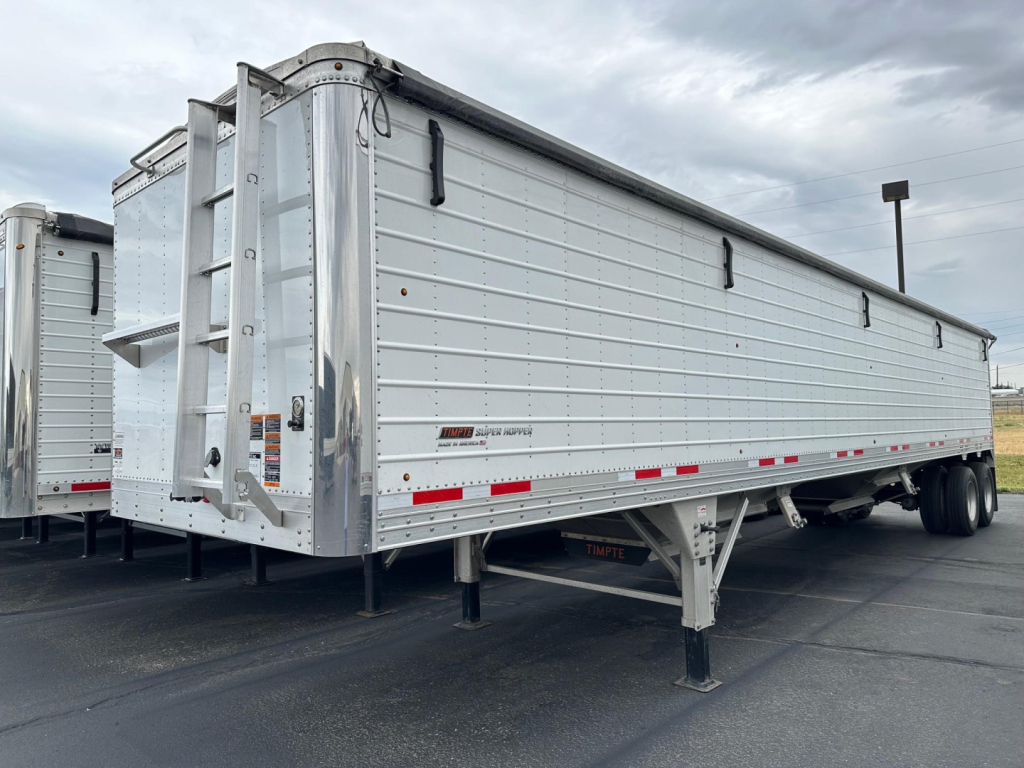
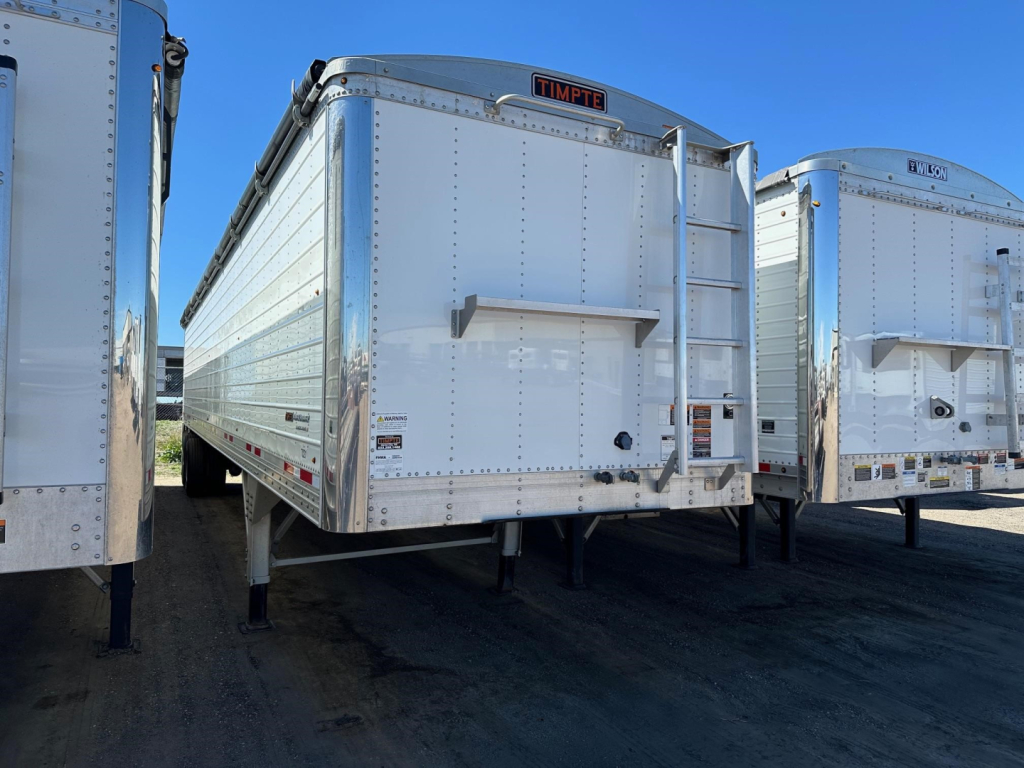
For specialized hauling, a 2024 lowboy or detachable gooseneck trailer should be evaluated around deck height, well length, kingpin settings, outriggers, load-bearing wheel covers, boom troughs, bucket wells, and lift axle provisions. A low 21-inch loaded deck height, hydraulic neck, and air ride suspension can make a major difference for construction equipment, agricultural iron, and oversized loads moving through Colorado grades and jobsite access roads. Hopper buyers should compare side height, hopper count, tarp type, ladder placement, suspension, and wheel setup, especially for grain, feed, and commodity hauling. Aluminum construction helps with payload, while options like electric roll tarps, scales, and vented hoppers improve turnaround time and load control.
A strong 2024 trailer spec is one that reduces compromise. Check tire size and availability, brake and lighting condition, slider or fixed axle arrangement, landing gear, mudflaps, and any added features like side skirts, tool trays, load scales, or rear lift axles. Late-model trailers can still vary widely in tare weight, maintenance complexity, and resale value depending on make, materials, and intended application. Buyers comparing 2024 trailers for sale in Colorado should start with freight type and legal load demands, then narrow down by construction, suspension, axle configuration, and cargo handling features.
Frequently Asked Questions about 2024 Trailers in Colorado
What types of 2024 trailers are most common in Colorado?
Common 2024 trailer categories in Colorado include flatbeds, refrigerated trailers, hopper trailers, and lowboys. Flatbeds are widely used for building materials, steel, and machinery. Reefers support food, beverage, and temperature-sensitive freight. Hopper trailers are common in agricultural hauling, and lowboys are used for construction and heavy equipment transport. The best fit depends on commodity, route profile, and legal weight requirements.
What should I check first when comparing 2024 trailers for sale?
Start with trailer application, axle configuration, and structural design. A buyer should confirm length, width, suspension type, deck or floor material, and whether the axle setup is fixed, sliding, spread, tandem, or tri-axle. After that, review cargo-specific equipment such as winches on a flatbed, reefer unit hours on a refrigerated trailer, or outriggers and well dimensions on a lowboy. These specs affect payload, loading speed, and compliance more than model year alone.
Are 2024 trailers a good choice for mountain and winter operation in Colorado?
Yes, if the trailer is spec'd correctly. Colorado operation puts more stress on brakes, suspension, tires, and load securement because of elevation changes, long descents, and winter weather. Buyers should pay attention to air ride condition, tire size, brake system health, lighting visibility, and how the trailer handles legal weight distribution. For specialized or heavy-haul work, deck height, lift axles, and kingpin settings also matter on mountain routes.
What matters most on a 2024 reefer trailer?
The reefer unit brand, total unit hours, insulation integrity, floor type, and door condition are key. Buyers should also check for scuff liners, bulkhead setup, air chute equipment, and slider function. A good refrigerated trailer is not just a cold box. It needs efficient airflow, solid door seals, dependable start-run performance, and a floor that matches the freight. Compliance requirements can also matter depending on where the trailer will run.
How do I choose between a 2024 flatbed, hopper, and lowboy?
Choose based on freight shape, weight, and loading method. A flatbed trailer is the standard choice for palletized building products, steel, and general open-deck freight. A hopper trailer is built for bulk commodities such as grain and feed, where bottom discharge and lightweight construction are important. A lowboy is the right tool for tall, heavy equipment that needs a low deck height and concentrated load support. The wrong trailer type can limit payload, slow loading, and create securement issues.