
2024 Dump Trailers For Sale in Colorado
Shop 2024 dump trailers for sale in Colorado. Compare end dumps and side dumps by body style, material, capacity, suspension, gate, and tarp setup.
Selling a 2024 dump trailer? List your 2024 dump trailer for sale and reach thousands of commercial buyers.
2024 Dump Trailers in Colorado
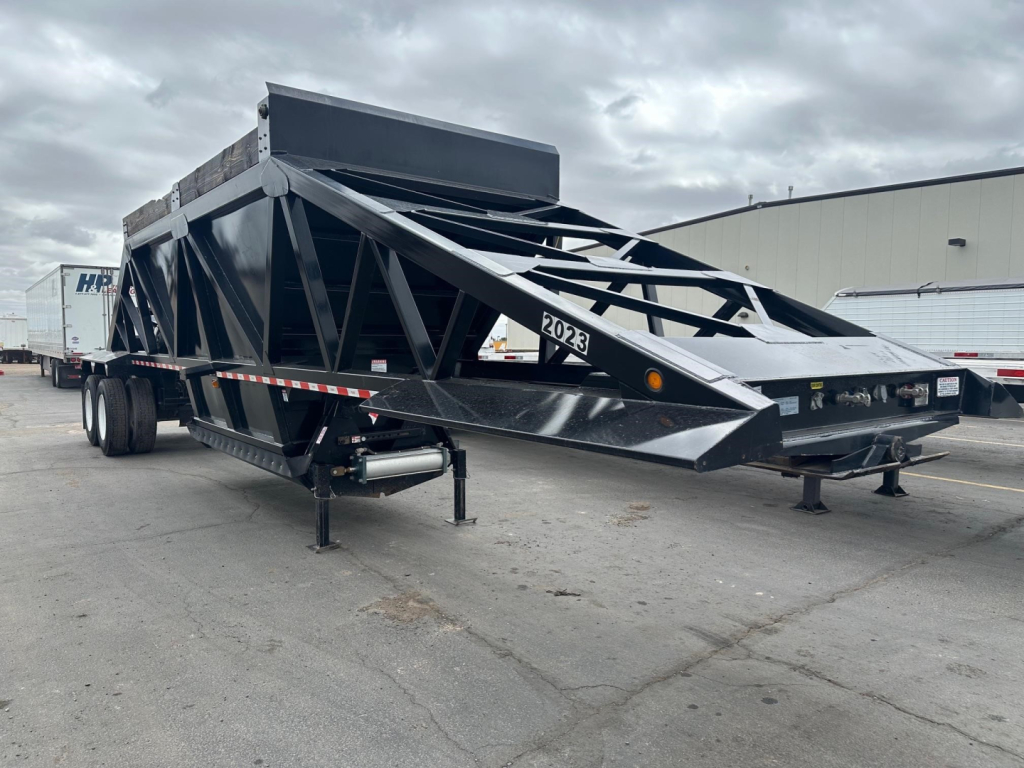
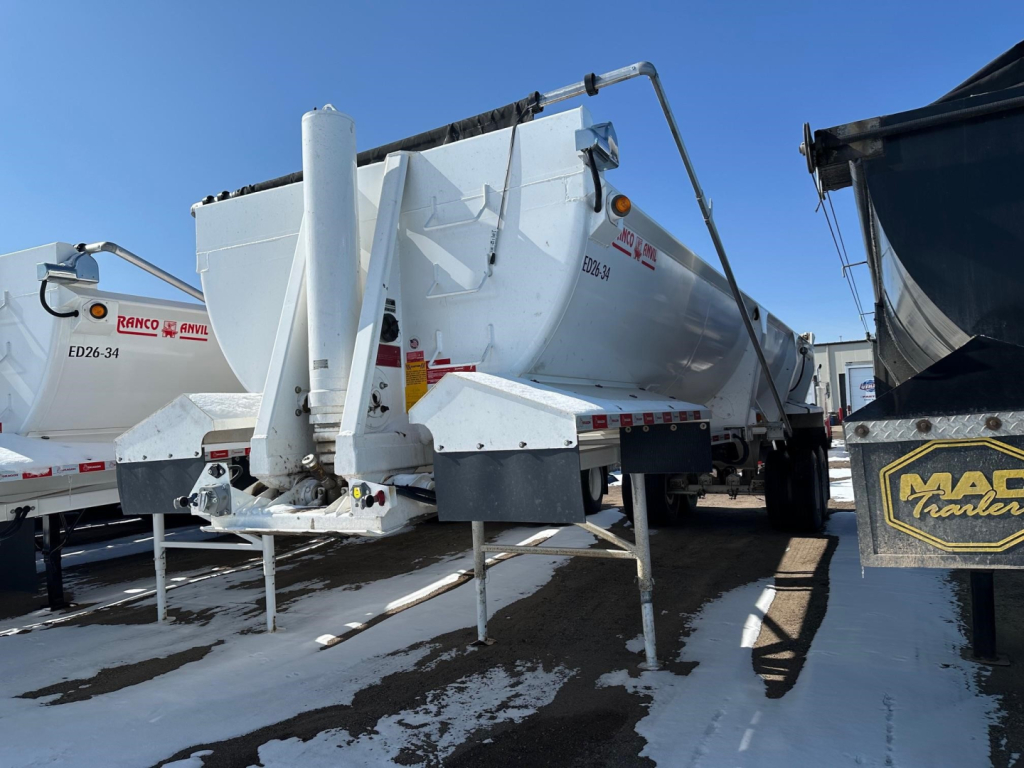
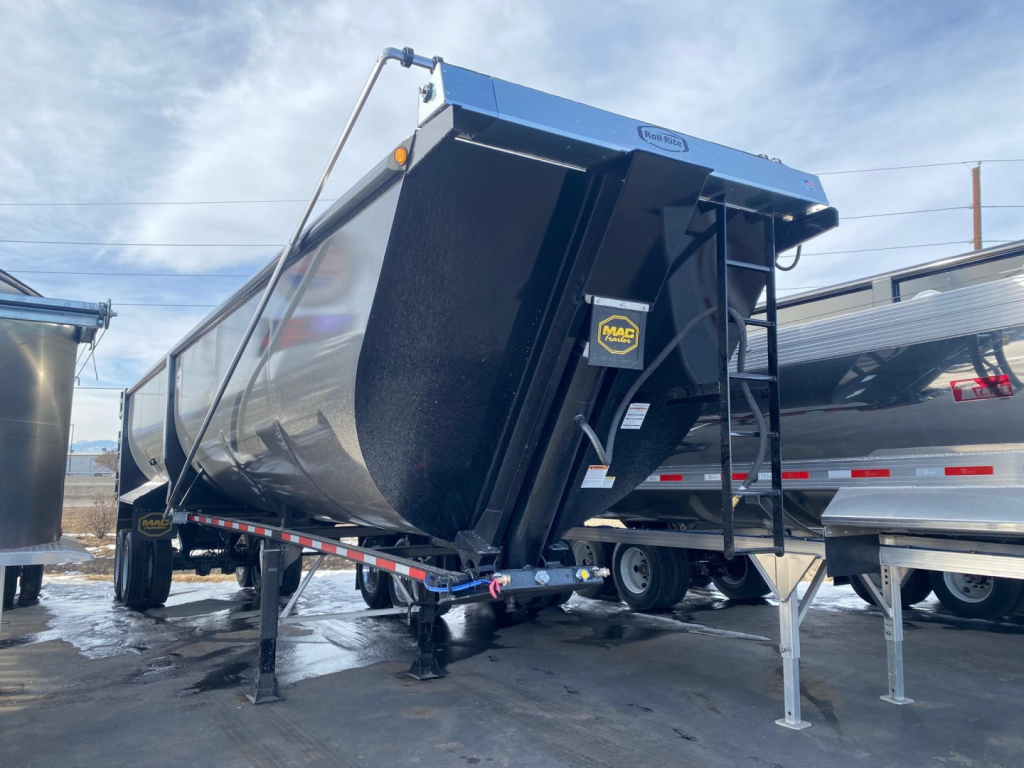
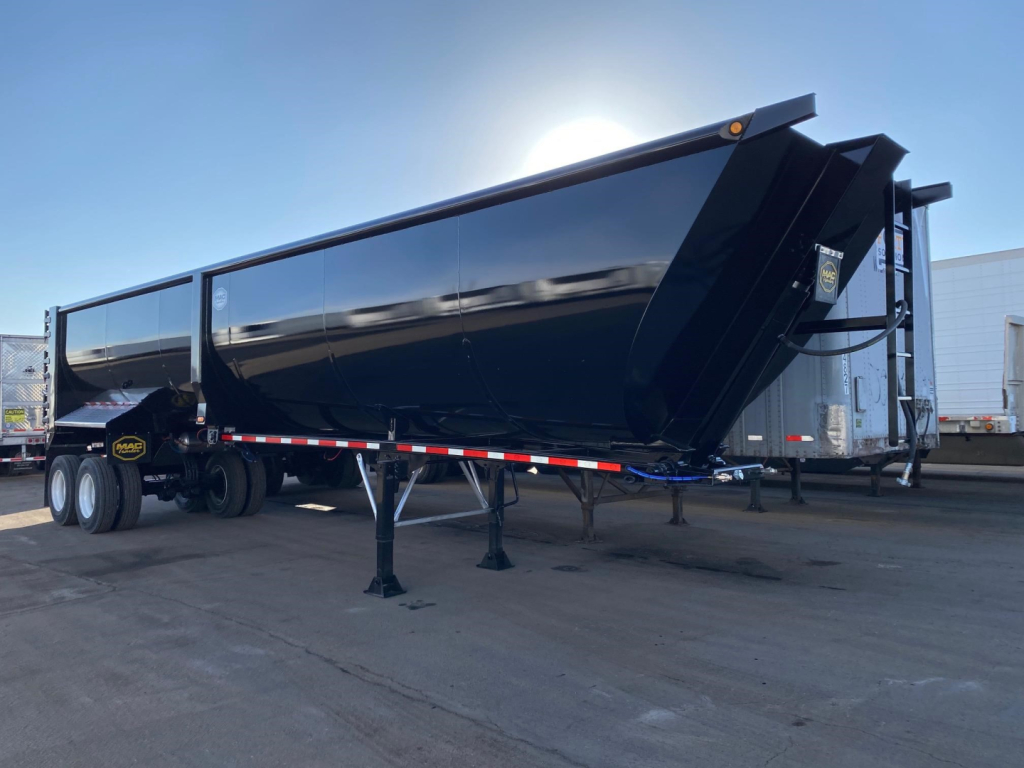
Construction and body material are the next major filters. Aluminum frameless end dumps are popular when payload is the priority, especially for sand, grain, or lighter aggregate, while steel tubs remain the standard for rock, riprap, demolition, and abrasive material that punishes floors and sidewalls. Buyers will commonly see half-round tubs, rock tubs, and quarter-frame designs. Half-round bodies promote cleaner discharge and less material hang-up. Quarter-frame and frame-type builds can offer a different balance of strength, repairability, and weight distribution. On steel trailers, AR400 or AR450 tubs are common for severe-duty applications. Capacity often falls in the mid-20 to upper-30 cubic yard range depending on body length, side height, and intended material, but legal payload matters more than advertised cubic yards.
Running gear and worksite equipment deserve close attention on a 2024 dump trailer because they affect both uptime and safety. Tandem axle setups with air ride suspension are common, and tire size is often 11R22.5 or 11R24.5 depending on the build. Look at kingpin setting, axle spread, and closed tandem configuration if bridge laws and maneuverability matter in your lanes. Gate configuration also changes how the trailer performs. High-lift gates, top-hinge gates, and single-point latch systems are common, and each suits different materials and discharge needs. Electric slide tarps, electric flip tarps, and rollover tarp systems are now standard expectations for many fleets, especially where weather containment and road compliance are part of daily operation. Liners, asphalt aprons, push blocks, ladders, fenders, and safety twist locks are also practical features, not cosmetic ones.
For Colorado buyers, it pays to match the trailer to elevation, weather, and terrain, not just commodity type. Wet clay, blasted rock, hot mix asphalt, and road base all load and unload differently, and winter operation can expose weak tarp systems, marginal liners, or poor gate sealing in a hurry. A good 2024 dump trailer should be evaluated on empty weight, tub material, hoist or dump geometry, suspension, gate style, and how easily it can be repaired after hard use. The best fit is usually the trailer that protects payload without sacrificing stability, handles the material you haul most often, and stays compliant on the roads and jobsites where it will actually work.
Frequently Asked Questions about 2024 Dump Trailers in Colorado
What is the difference between an end dump trailer and a side dump trailer?
An end dump trailer unloads out the rear by raising the body, which makes it efficient for stockpiling and high-volume discharge of aggregate, dirt, and demolition material. A side dump trailer discharges to the side through a pivoting tub, which generally offers better stability on uneven ground and can reduce rollover risk during unloading. End dumps are common when payload and simple rear discharge are the priority, while side dumps are often preferred for road building, rough jobsites, and conditions where a raised center of gravity is a concern.
Is aluminum or steel better for a 2024 dump trailer?
Aluminum is usually chosen when low tare weight and higher legal payload are the top priorities, particularly for lighter bulk materials. Steel is the better fit for severe-duty hauling such as rock, riprap, scrap, or demolition debris because it resists impact and abrasion better than aluminum. Many buyers in construction and quarry work look for AR400 or AR450 steel tubs because they hold up well in abrasive service. The right choice depends on the material hauled most often, expected abuse level, and how much payload matters on each trip.
What capacity should I expect from a 2024 dump trailer?
Many dump trailers in this class fall roughly between the mid-20s and upper-30s in cubic yard capacity, depending on length, side height, and body style. That number should not be the only benchmark because legal payload is often more important than struck or heaped volume. Dense materials such as rock, wet sand, and millings can max out weight long before the body is full. Buyers should compare empty weight, axle configuration, and intended commodity before focusing on cubic yards alone.
What features matter most on a dump trailer for Colorado work?
Colorado buyers should pay close attention to stability, tarp performance, suspension, and body durability. Mountain grades, uneven jobsites, winter weather, and mixed materials put extra importance on air ride suspension, reliable gate sealing, durable liners, and tarp systems that can handle wind and freezing conditions. Body style also matters because side dumps can offer an advantage on rough terrain, while end dumps may provide better payload efficiency for straightforward bulk hauling. Tire size, axle spacing, and kingpin setting also deserve attention if the trailer will run varied highway and jobsite conditions.
What gate and tarp options are common on modern dump trailers?
Common gate setups include top-hinge gates, high-lift gates, and single-point latch systems. The right gate depends on whether the trailer will haul free-flowing aggregate, larger rock, asphalt, or mixed debris. Tarp systems commonly include electric slide tarps, electric flip tarps, and electric rollover tarps, each designed to improve load containment and operating convenience. These features are not minor options because they affect unloading consistency, road compliance, weather protection, and daily cycle time.