
2024 Dump Trailers For Sale
Shop 2024 dump trailers for aggregate, asphalt, dirt, and demolition work. Compare lengths, body styles, suspensions, gates, and tarp setups.
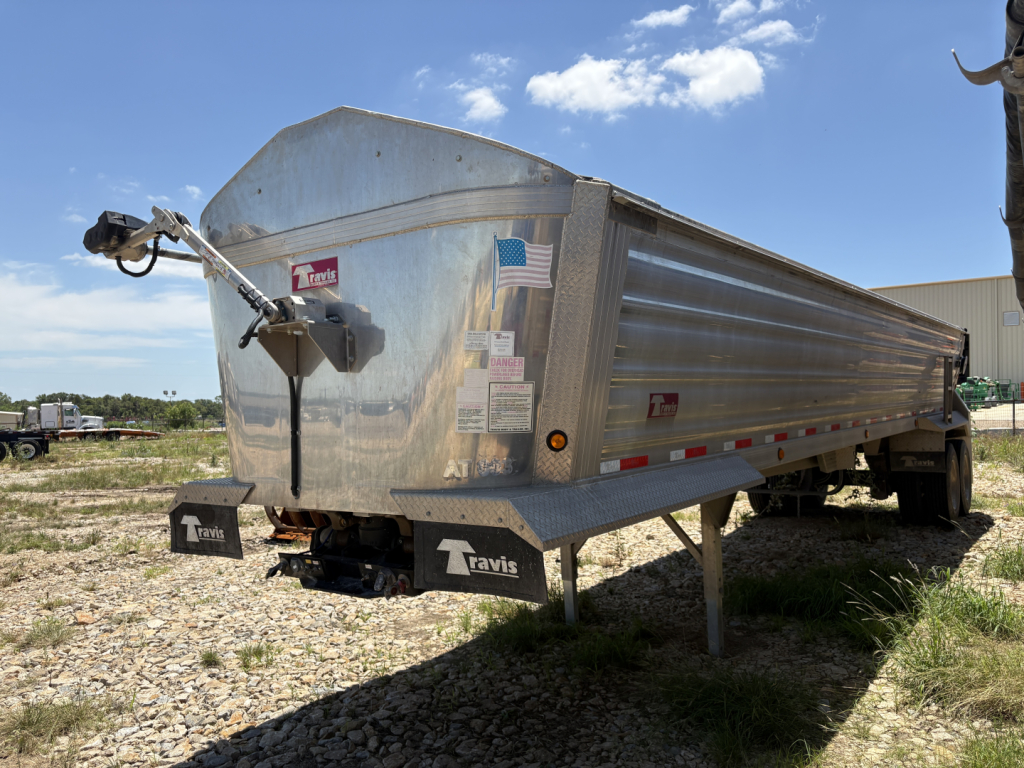
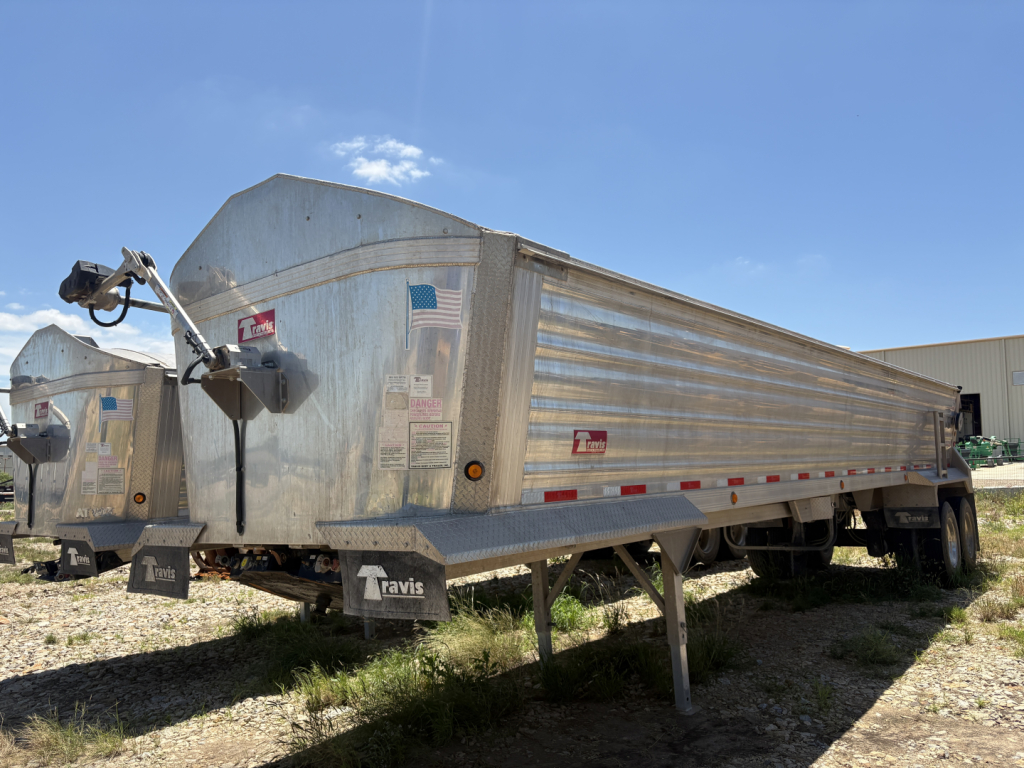
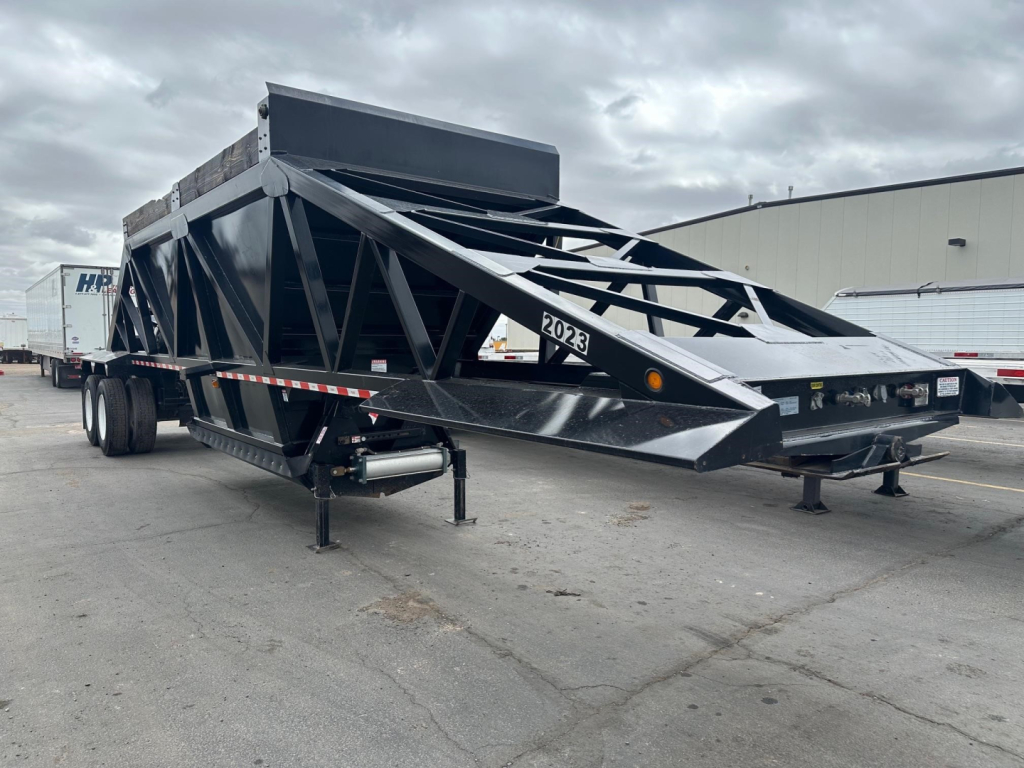
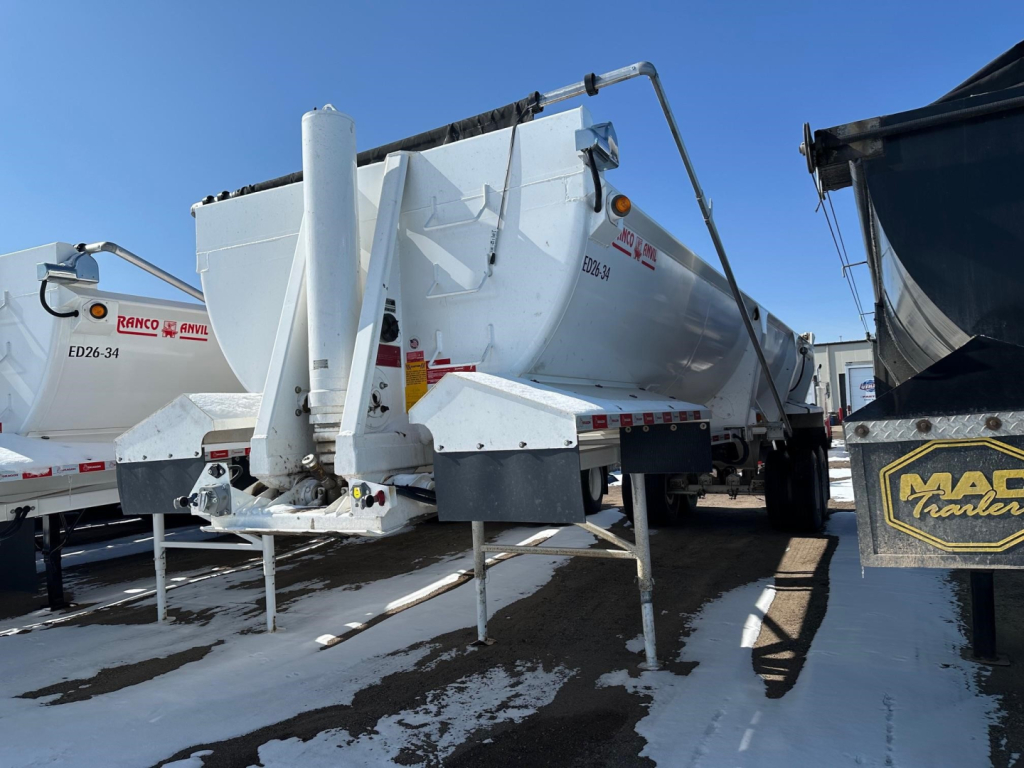
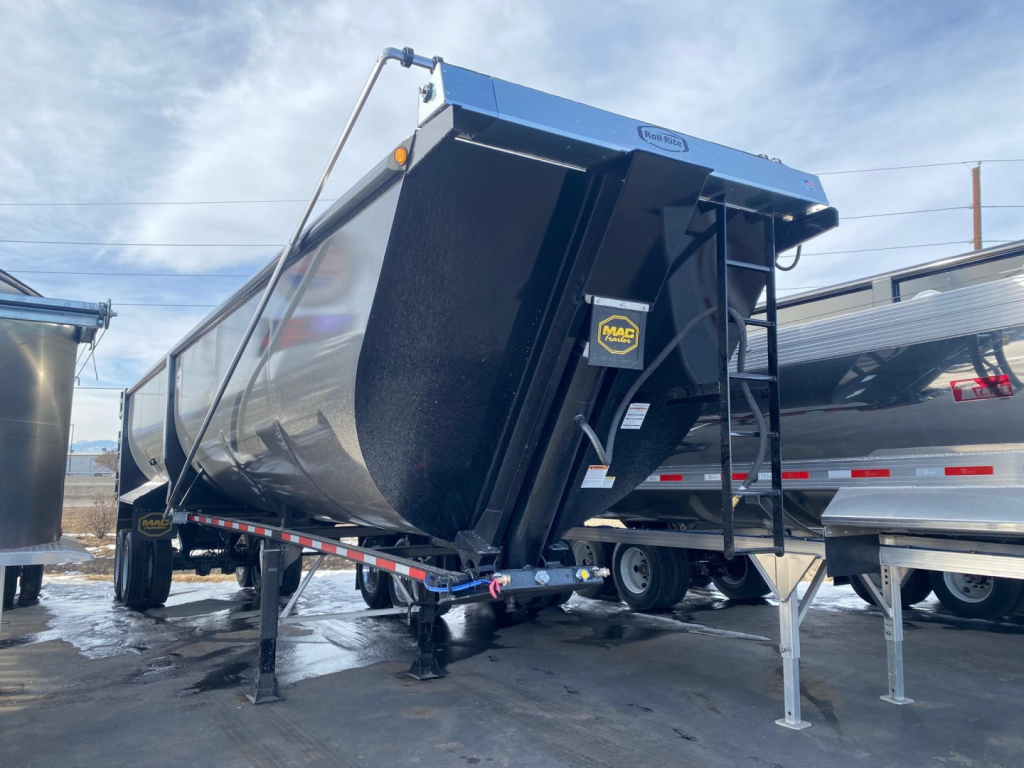
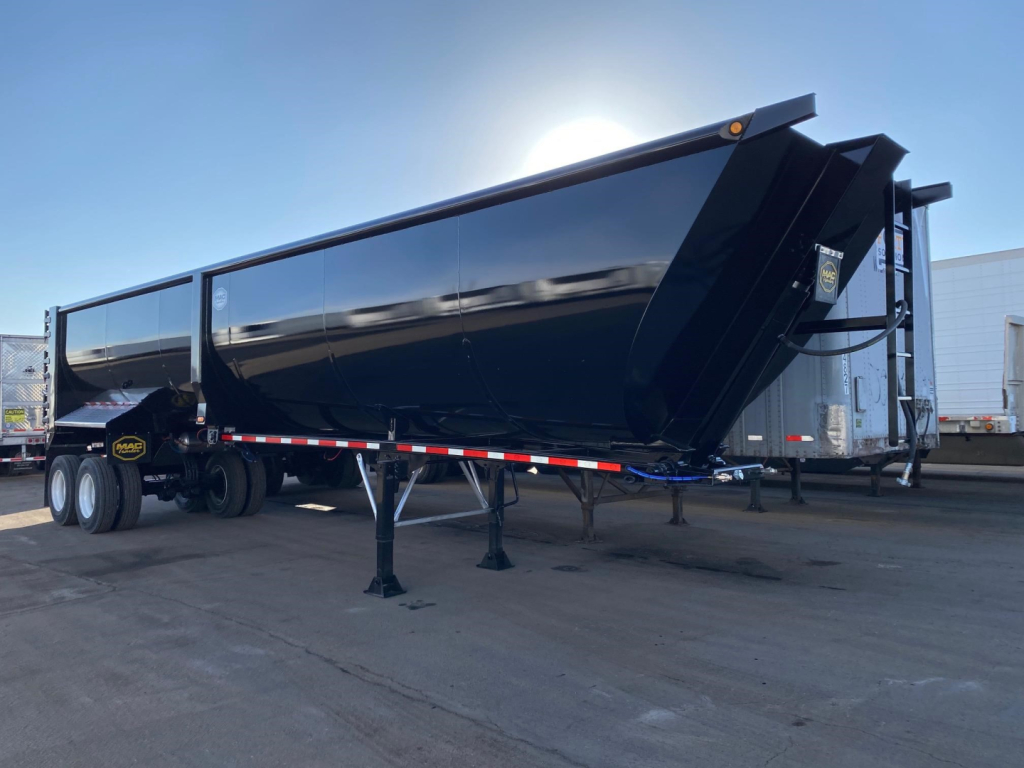
Selling a 2024 dump trailer? List your 2024 dump trailer for sale and reach thousands of commercial buyers.
2024 Dump Trailers
Suspension, body construction, and empty weight are three of the biggest buying decisions. Spring ride is still common on dump trailers because it is simple, durable, and familiar in severe-service work. Air ride can improve handling and material protection, and it may be preferred in operations that run mixed routes or want better ride quality under changing payloads. Lightweight aluminum and skeleton-style construction help maximize legal payload, especially in aggregate hauling, while hard-wearing steel tubs, Hardox-type liners, and reinforced top rails are better suited for abrasive material and impact loading. Features like self-shedding top rails, windrow deflectors, push blocks, aluminum fenders, and chip-resistant tires are all worth comparing because they affect daily uptime more than many buyers expect.
Gate design and tarp system should match the material and the pace of the operation. On bottom dumps, look closely at hopper configuration, gate controls, pin setting gate limiters, and air system components such as quick-release valves and larger air tanks. On end dumps, a high-lift gate, barn door arrangement, or other discharge setup changes how cleanly material exits and how easily the trailer handles different products. Electric flip tarps are now common and save time on repeated loads, especially on aggregate and paving work. Board height, slope sheets, and tub shape also influence flow characteristics, cleanout, and resistance to carryback.
A 2024 model year dump trailer may appeal to buyers who want newer specs, current lighting and tarp systems, and less deferred maintenance than older units. The smart comparison is not just year and price. Check cubic-yard rating against the actual material being hauled, verify suspension type, inspect kingpin and tandem layout, confirm wheel and tire size such as 11R24.5, and make sure the trailer's frame, tub, gate hardware, and hoist or air controls fit the job. For fleets hauling sand, gravel, asphalt, dirt, or construction debris, the right dump trailer is the one that balances payload, durability, and stable unloading without adding unnecessary empty weight.
Frequently Asked Questions about 2024 Dump Trailers
What is the difference between a bottom dump trailer and an end dump trailer?
A bottom dump trailer discharges material through one or more hopper gates underneath the trailer, which makes it ideal for controlled spreading of aggregate, road base, and similar products. An end dump trailer raises the tub to unload out the rear, which is better for bulk dumping of dirt, rock, scrap, and demolition material. Bottom dumps are typically favored for paving and roadwork, while end dumps are more common where material needs to be dropped in a pile or trench.
How many cubic yards does a dump trailer usually hold?
Capacity varies by body style, length, board height, and material type, but many lightweight 40-foot dump trailers are listed around 23.5 cubic yards. That number should never be treated as payload by itself because legal weight depends on axle configuration and the density of the material. Sand, gravel, asphalt, and demolition debris all load very differently, so buyers should match cubic-yard capacity to expected commodity weights.
Is spring ride or air ride better on a dump trailer?
Spring ride is popular because it is rugged, simple, and well suited for severe-service environments with rough jobsite conditions. Air ride can improve ride quality, reduce shock to the trailer and tractor, and may help in operations that run highway miles between job sites. The better choice depends on route conditions, maintenance preferences, and whether maximum durability or smoother handling is the top priority.
What features matter most on a newer dump trailer?
The most important features are usually the ones that affect payload, unloading performance, and daily reliability. Buyers should pay close attention to body material, tub design, gate style, tarp system, suspension, tire size, wheel type, and air or hydraulic controls. Details such as self-shedding top rails, windrow deflectors, quick-release valves, push blocks, and durable liners can have a real impact on cleanout, cycle time, and service life.
Are lightweight dump trailers a better buy for aggregate work?
A lightweight dump trailer can be a strong choice for aggregate hauling because lower empty weight often translates to more legal payload. That said, the lightest trailer is not always the best trailer if the operation involves abrasive material, rough loading practices, or severe off-road use. Buyers should balance tare weight against tub strength, suspension durability, and the kind of wear the trailer will see over time.