
2024 Flatbed Trailers For Sale in Colorado
Shop 2024 flatbed trailers for sale in Colorado. Compare 48' and 53' specs, combo or steel construction, axle setups, deck options, and tie-down features.
Selling a 2024 flatbed trailer? List your 2024 flatbed trailer for sale and reach thousands of commercial buyers.
2024 Flatbed Trailers in Colorado
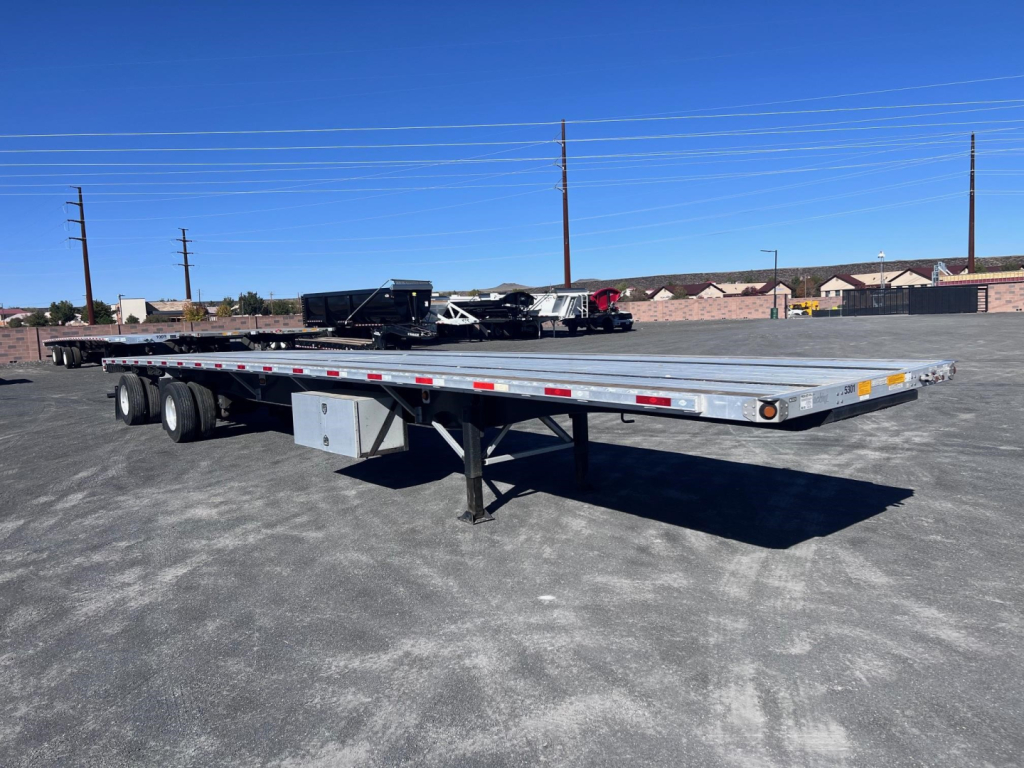
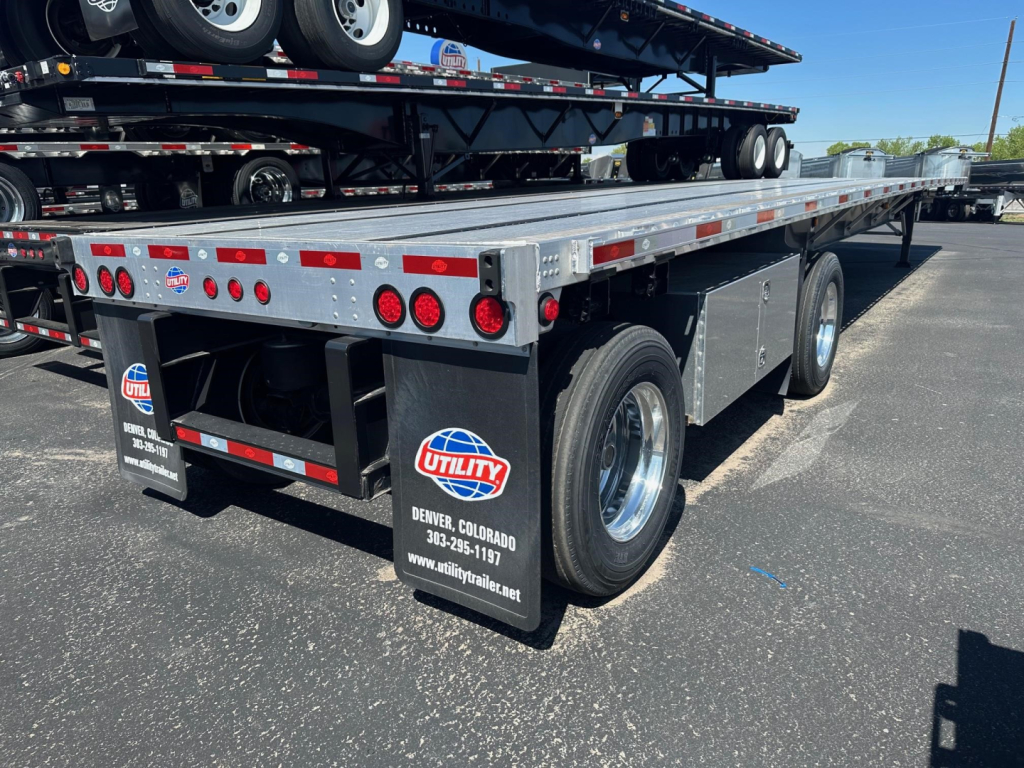
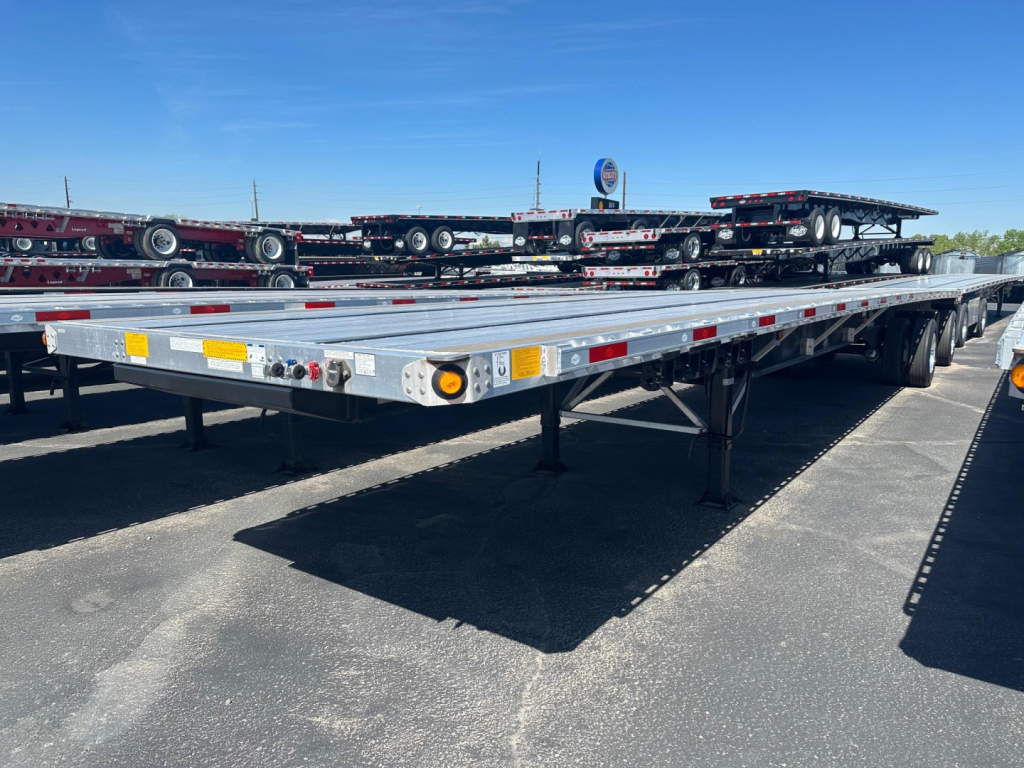
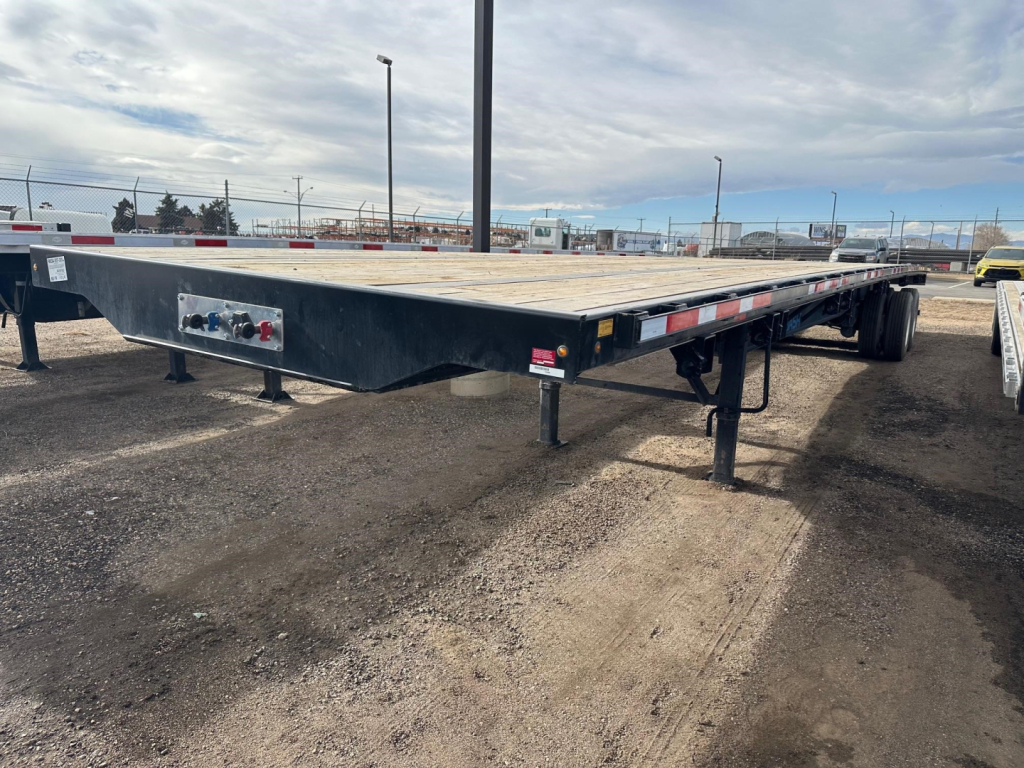
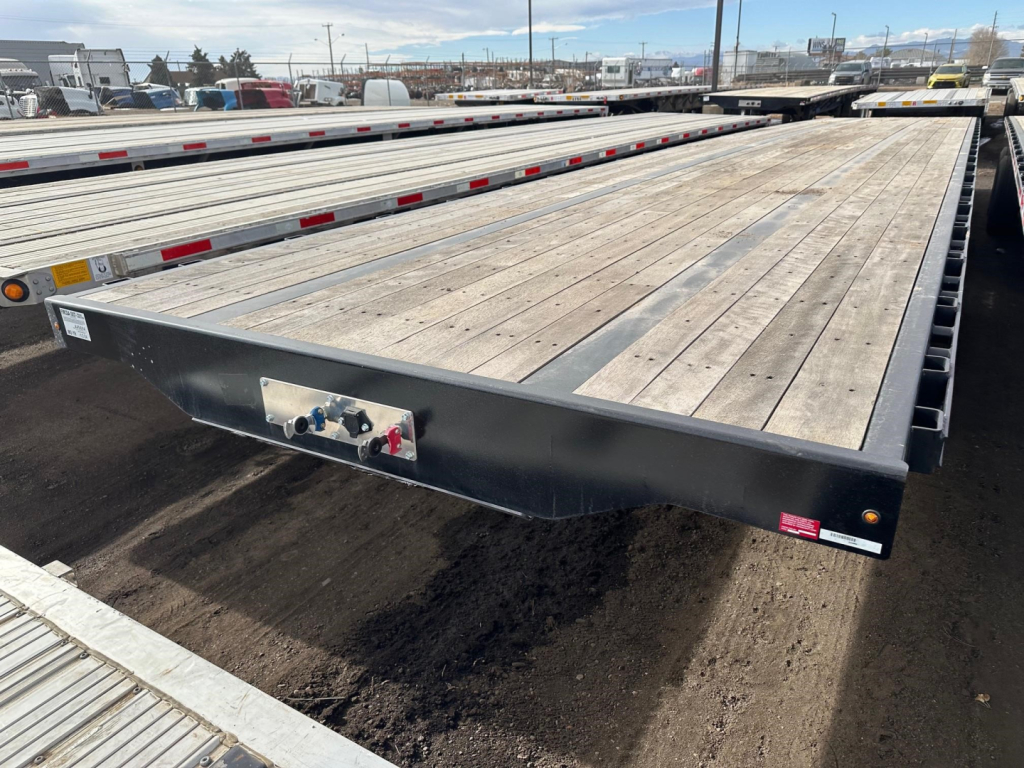
Tie-down equipment matters as much as the trailer frame. Stake pockets, sliding winches, winch track, double pipe spools, chain ties, and coil packages should match the freight you actually haul, not just what looks good on a spec sheet. A coil package is important for steel haulers that need proper securement points for concentrated loads. Bulkheads can add versatility for certain commodities, while nail strips and a quality wood deck such as apitong help with load securement and forklift traffic. On newer flatbeds, buyers should also look closely at deck condition, rail straightness, crossmember spacing, and the number and placement of lights, especially if the trailer will see frequent night work, mountain corridors, or mixed regional service.
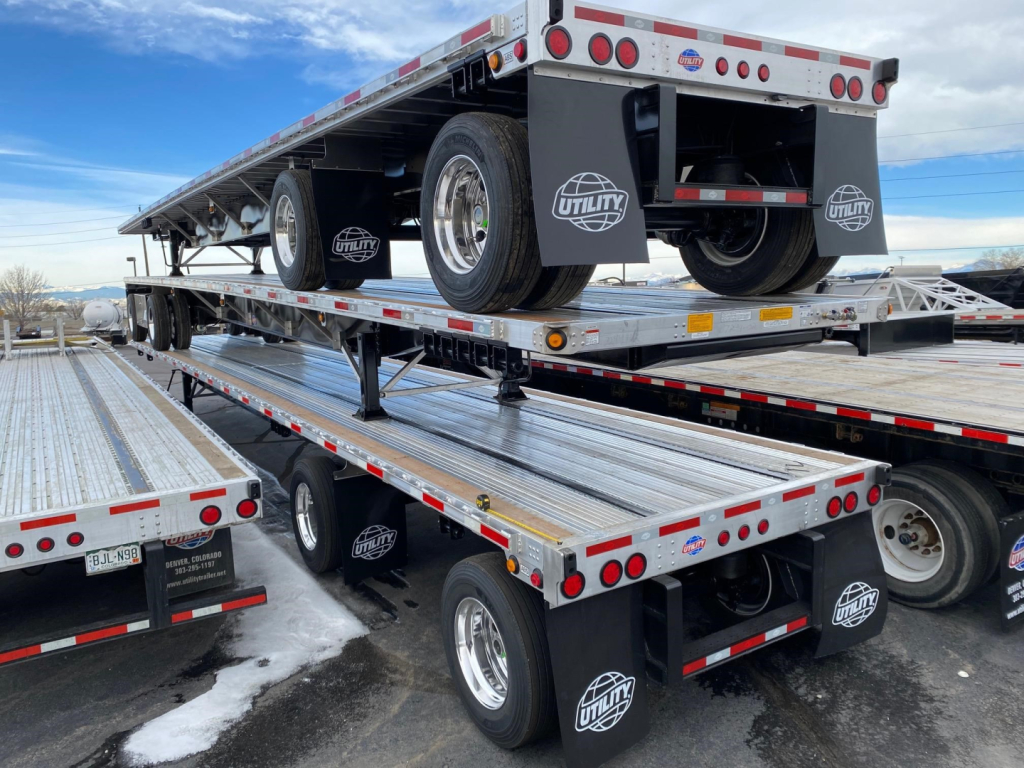
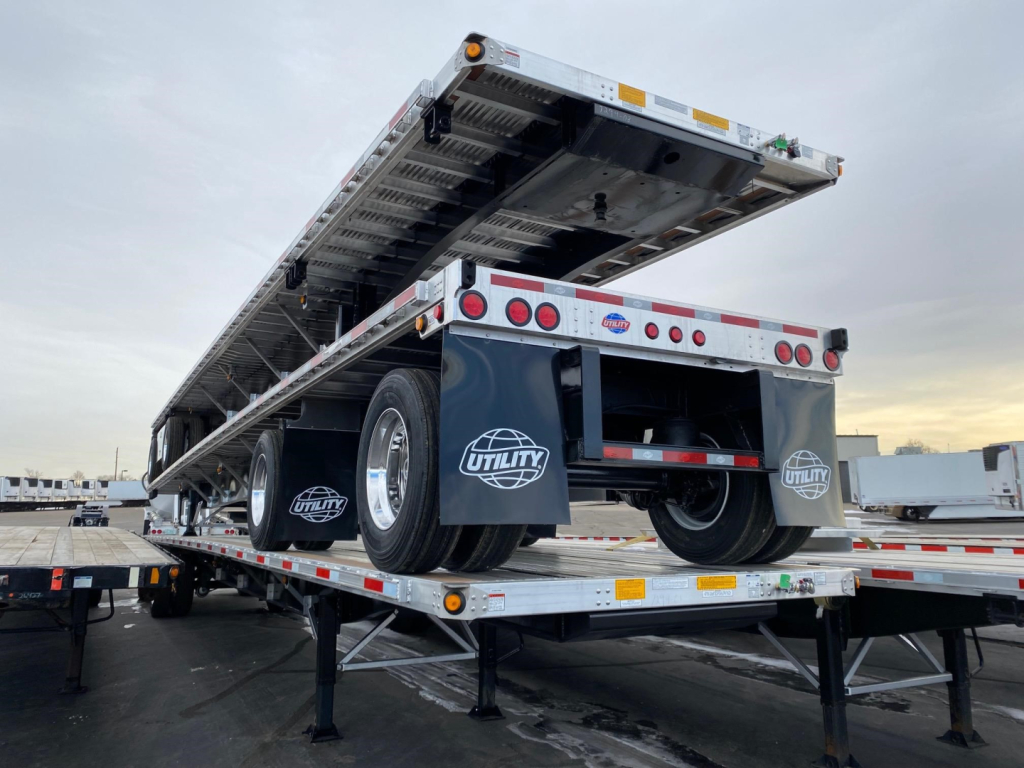
Suspension and axle layout drive how the trailer behaves on the road and how easily it fits different freight profiles. Fixed spread air ride setups are common on 53-foot flatbeds because they offer good weight distribution and a stable ride for higher-value or damage-sensitive loads. Closed tandem sliders remain a practical choice when operations need flexibility for state bridge compliance or changing load centers. Tire size, wheel material, and support systems like automatic tire inflation can also affect uptime and operating cost. Low-profile 22.5 tires are widely seen in this category, and wheel spec often comes down to a tradeoff between corrosion resistance, appearance, and replacement cost. In a state like Colorado, where elevation, weather swings, and mountain grades add stress, air ride condition, brake performance, and tire health deserve extra attention on any purchase.
Late-model 2024 flatbed trailers often come with the features most fleets already want: air ride suspension, sliding winches, stake pockets, pipe spools, and a deck built for repeated loading from the side or above. The right trailer depends on your freight lane and loading method. Forklift-heavy construction work may favor a rugged steel or combo build with a durable wood deck. General commodity hauling may point to a lighter combo flatbed that preserves payload. Steel and coil work call for the right securement package from the start. When comparing listings, focus on length, frame material, suspension type, kingpin and axle placement, deck surface, and securement hardware, because those specs determine how profitable the trailer will be after the sale.
Frequently Asked Questions about 2024 Flatbed Trailers in Colorado
What is the difference between a combo flatbed trailer and an all-steel flatbed trailer?
A combo flatbed trailer typically uses steel main beams with aluminum crossmembers, deck, and side rails, which reduces trailer weight and can improve payload capacity. An all-steel flatbed usually weighs more, but many buyers prefer it for severe-duty applications because it can be more forgiving in hard use and may be simpler to repair after damage. The better choice depends on freight type, target payload, and how rough the loading environment is.
Is a 48-foot or 53-foot flatbed trailer better for Colorado hauling?
A 53-foot flatbed trailer is often preferred for maximizing deck space and handling a wider range of general freight, while a 48-foot flatbed can be a smart choice for tighter delivery sites, certain bridge-law considerations, and fleets that do not need the extra deck length. In Colorado, route profile matters. Mountain corridors, jobsite access, and customer yard space can make a 48-footer more practical in some operations, even if a 53-footer offers more flexibility on paper.
What features should I look for on a 2024 flatbed trailer for steel or coil hauling?
For steel service, a coil package is one of the first items to confirm because it provides the securement and structural support needed for concentrated coil loads. Sliding winches, chain ties, stake pockets, pipe spools, and winch track also matter because they expand your securement options across different steel products. Buyers should also inspect deck condition, frame integrity, and suspension spec, since heavy concentrated freight puts more stress on the trailer than many general commodity loads.
Are fixed spread axles or sliding tandems better on a flatbed trailer?
Fixed spread axles can improve ride stability and weight distribution, and they are common on 53-foot flatbeds built for open-deck freight. Sliding tandems offer more flexibility for axle positioning and can help with bridge compliance and varying load centers, which is useful in multi-state operations. The best setup depends on where the trailer runs, how often load placement changes, and whether your freight is more volume-driven or weight-sensitive.
What deck material is most common on flatbed trailers?
Wood decks, including apitong, remain very common on flatbed trailers because they provide good traction, take securement well, and hold up under repeated forklift loading. Aluminum components are often used in the trailer structure to save weight, but the deck surface itself is still frequently wood for durability and usability. Buyers should inspect for rot, excessive gouging, broken boards, and signs of uneven wear, because deck condition directly affects safety and loading efficiency.