
2024 Flatbed Trailers For Sale
Shop 2024 flatbed trailers with common specs, load securement features, axle options, and deck configurations for freight and equipment hauling.













Showing 1 to 28 of 43 results
Selling a 2024 flatbed trailer? List your 2024 flatbed trailer for sale and reach thousands of commercial buyers.
2024 Flatbed Trailers
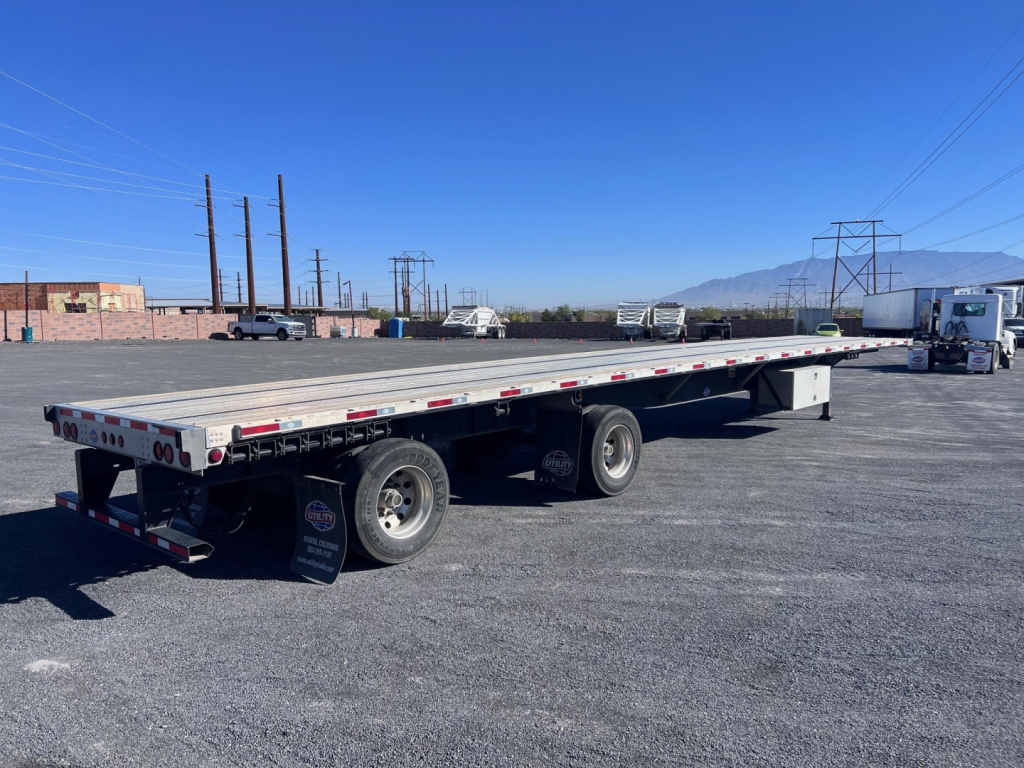
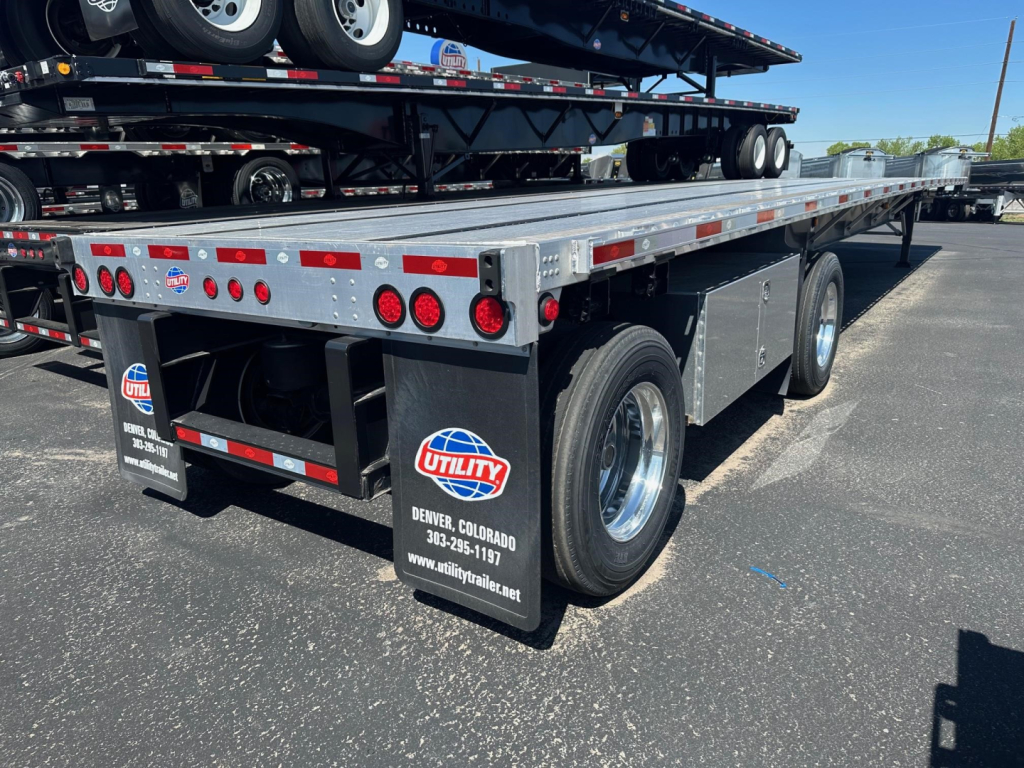
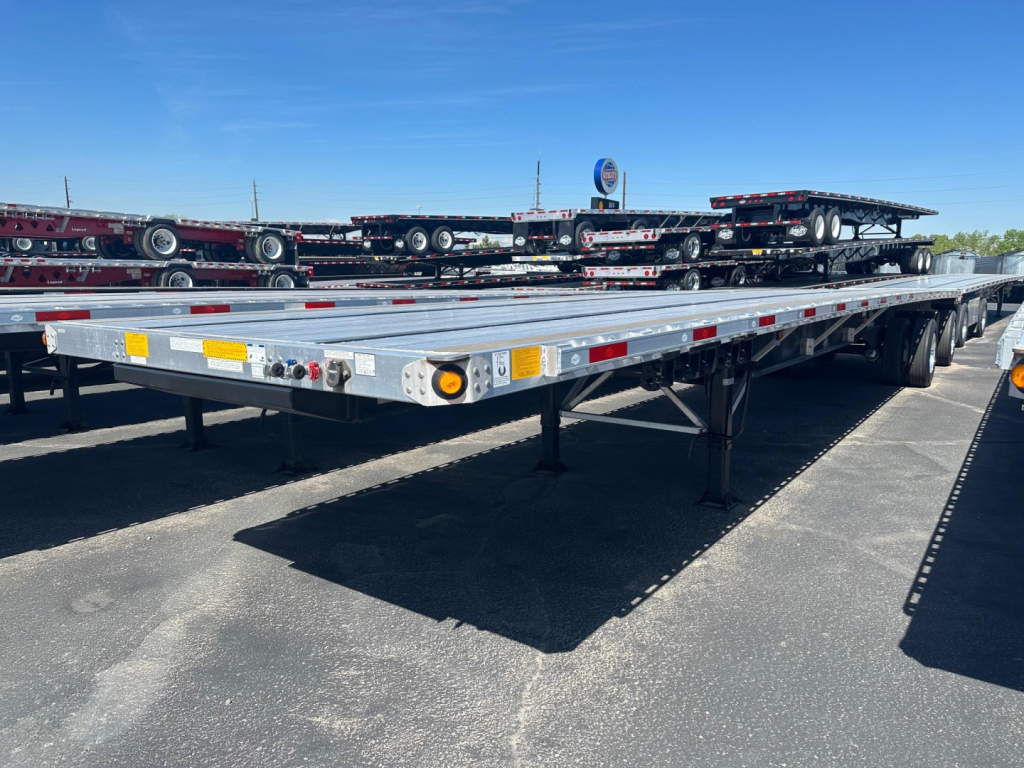
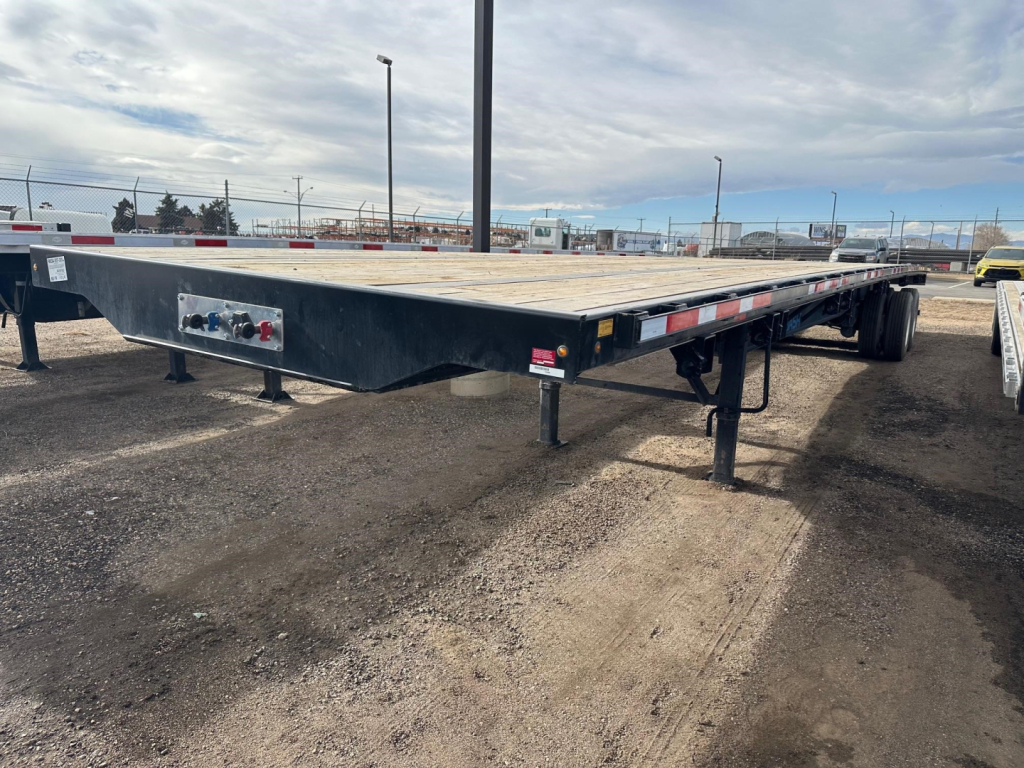
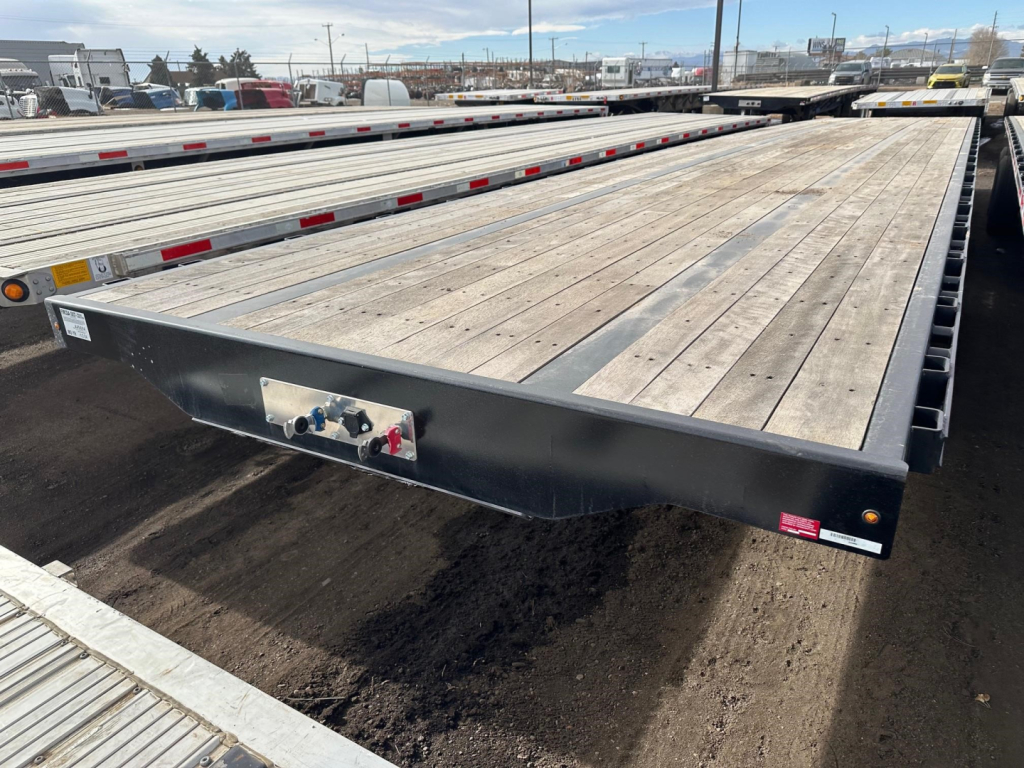
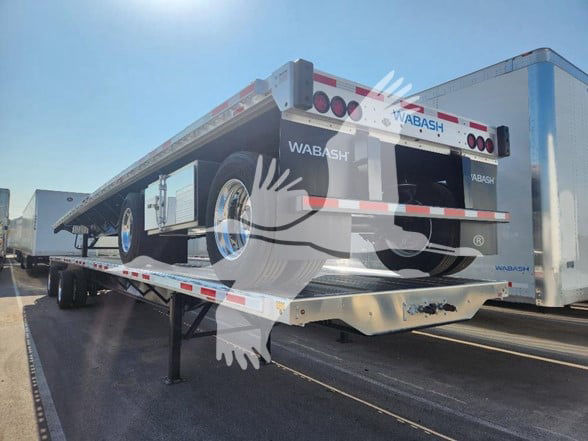
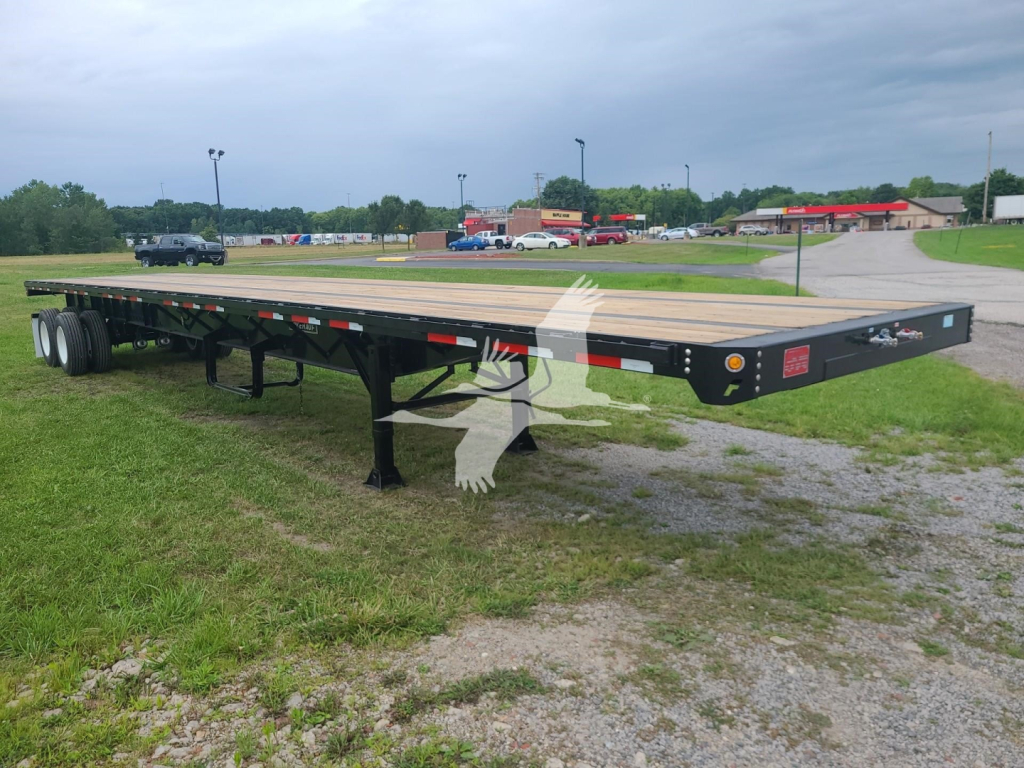
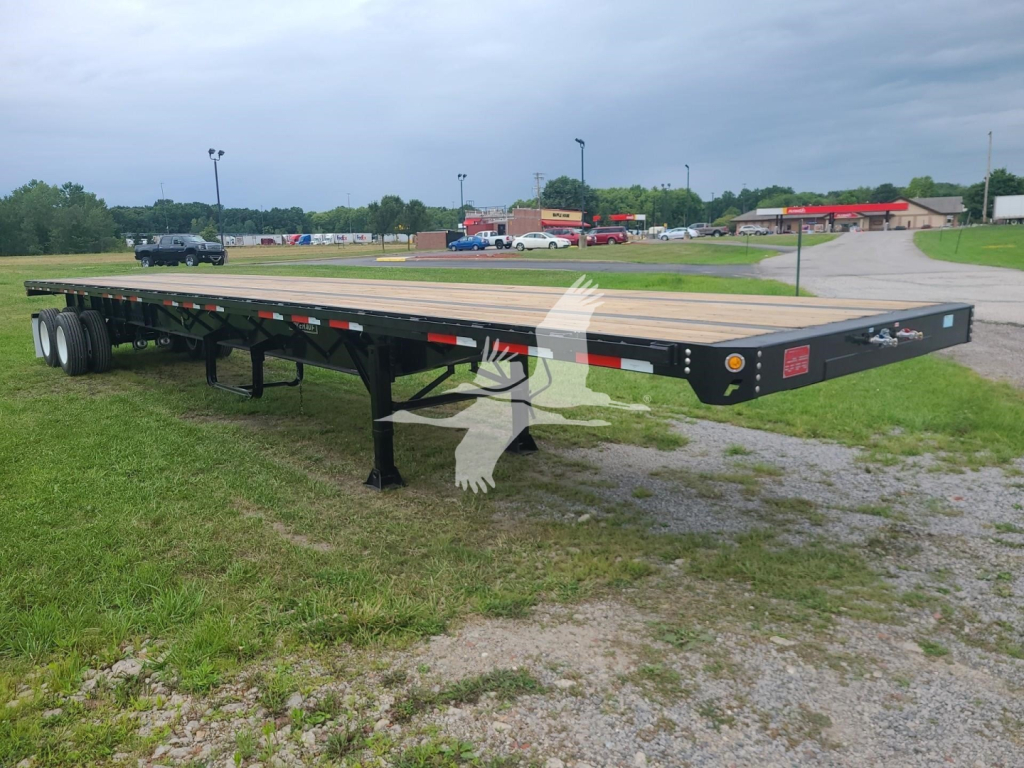
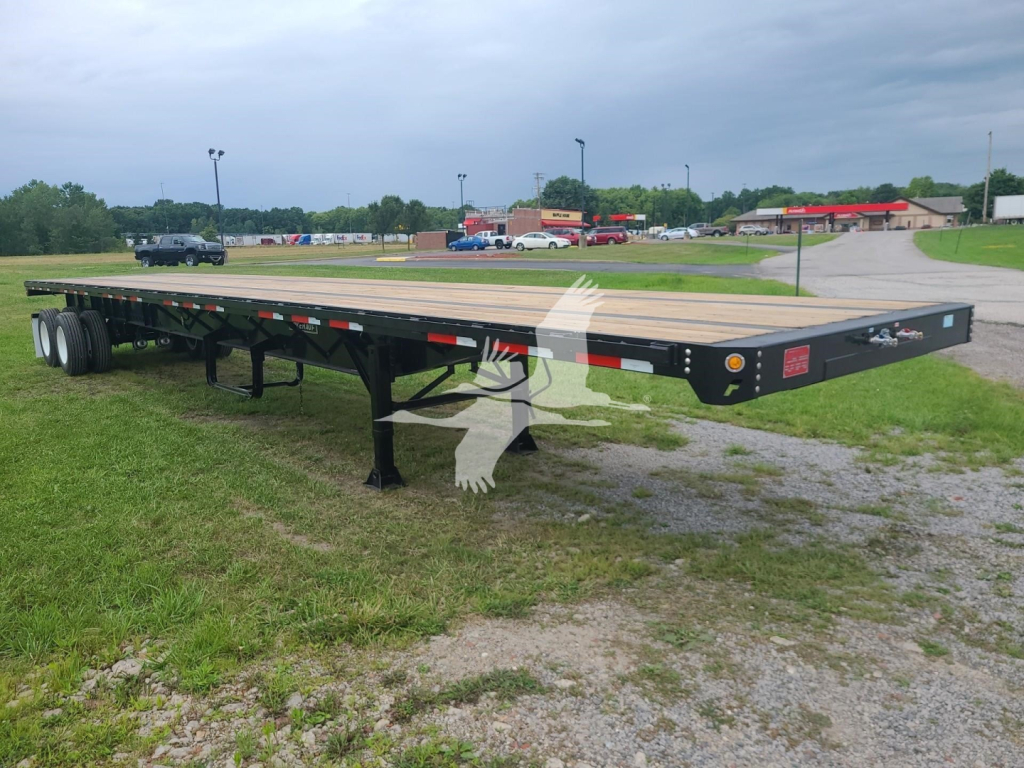
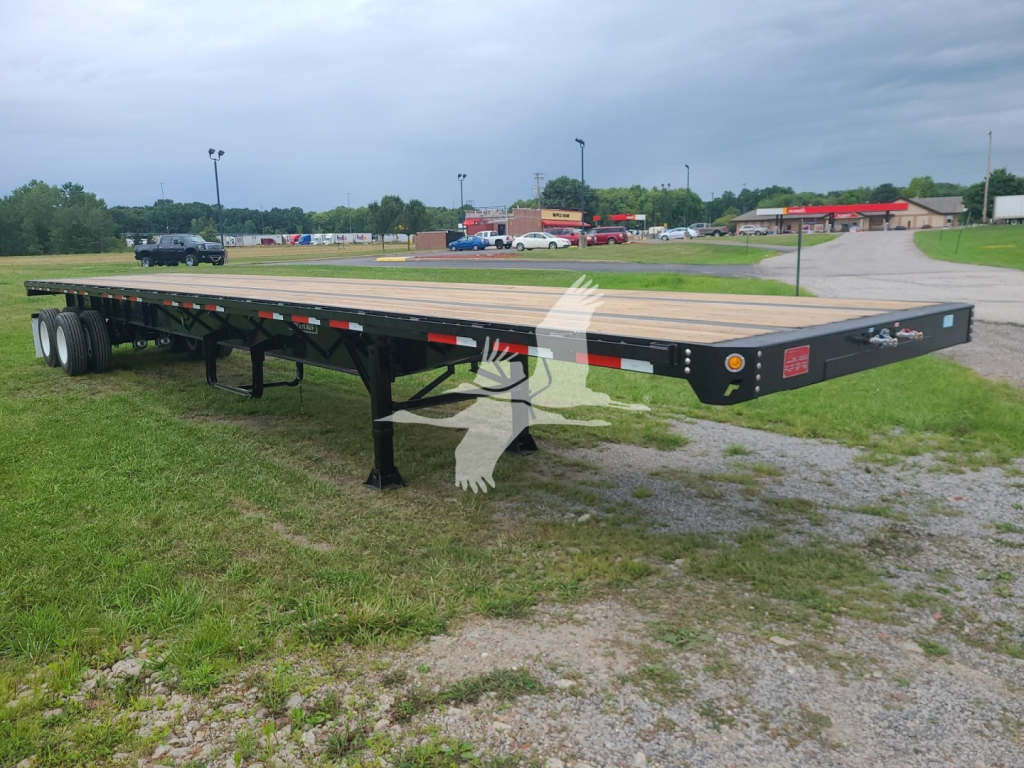
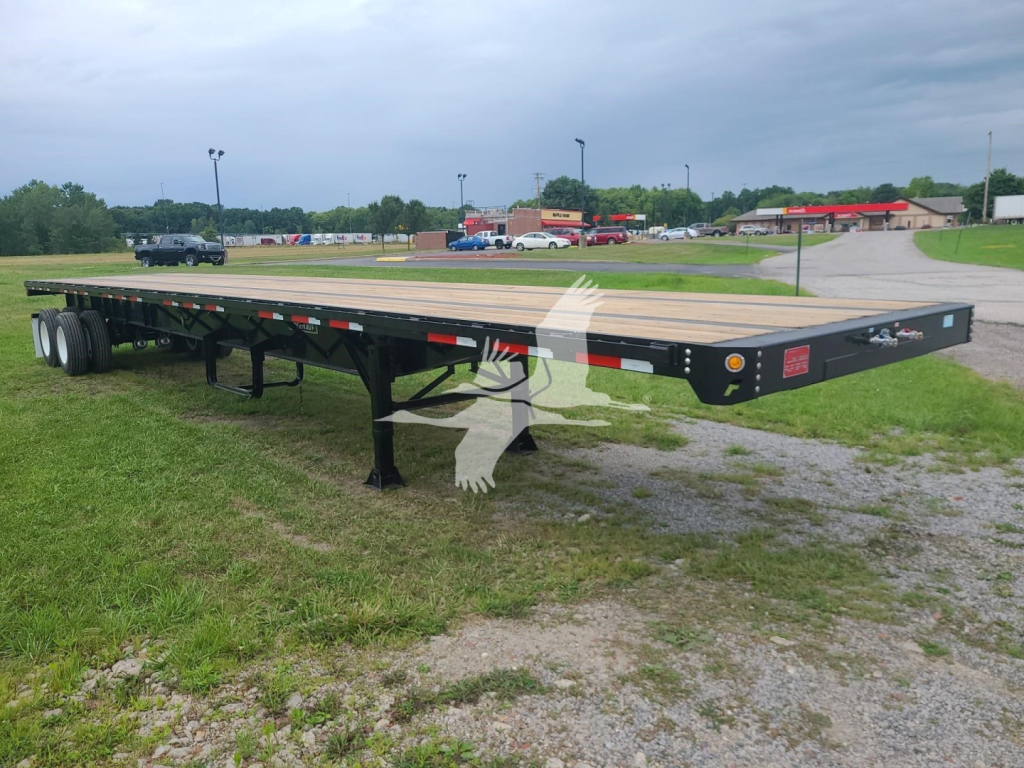
Spec details matter more on a flatbed than many first-time buyers expect. A typical 2024 flatbed may include a 1 1/8-inch Apitong floor, steel side rails, double pipe spools, stake pockets, rub rails, and a roadside winch track with sliding winches. Crossmember spacing, often 12 inches on center, plays into deck strength and load support. Buyers hauling concentrated loads should also review beam ratings, coil package options, and floor design. Air ride suspension is common, with spread axle and slider layouts both appearing regularly. A 49-inch spread can improve weight distribution and bridge compliance, while a sliding tandem can offer more flexibility when balancing legal axle weights across different freight.
Load securement features should be matched to the freight mix. Steel haulers may want coil packages, extra winches, and a stronger concentrated load rating. Building material and palletized freight operations often value clean decks, plentiful tie-down points, and compatibility with tarps, side kits, and headache racks on the tractor side. Equipment-focused buyers may also cross-shop heavy-duty deckover and gooseneck flatbed styles, but standard highway flatbeds remain the better fit for general freight, forklift loading, and multi-stop work. Tire size, wheel type, kingpin setting, landing gear brand, and lighting package all affect serviceability and uptime, especially for operations running regional lanes with frequent loading dock, yard, and jobsite exposure.
For a 2024 model, buyers usually expect current LED lighting, modern air suspension, and a deck and securement package ready for immediate commercial use. It is worth checking trailer weight against expected payload, especially if the operation routinely hauls dense freight where every few hundred pounds matter. Also compare axle spread, suspension brand, deck material, and underframe setup to the lanes and customers being served. The best flatbed trailer is not simply the lightest or longest one. It is the one that matches the freight, keeps load securement efficient, and stays compliant without giving up usable payload.
Frequently Asked Questions about 2024 Flatbed Trailers
What length is most common for a 2024 flatbed trailer?
The most common highway flatbed lengths are 48 feet and 53 feet, typically at 102 inches wide. A 48-foot flatbed is still widely used for general freight and can be easier to position in tighter delivery environments. A 53-foot flatbed gives more deck space for lighter, longer freight, but buyers should verify bridge law, axle placement, and overall tare weight to make sure the added length helps the operation rather than limiting payload or route flexibility.
Is an aluminum flatbed better than a steel flatbed?
Aluminum flatbeds are usually chosen for lower tare weight and higher payload potential, which matters on dense freight and high-mileage operations. Steel flatbeds are often favored for rugged applications, lower upfront cost in some cases, and straightforward structural repairs. Combo trailers split the difference by using both materials. The better choice depends on cargo type, road conditions, maintenance practices, and how much value the operation places on every pound of legal payload.
What securement features should I look for on a flatbed trailer?
Key securement features include stake pockets, rub rails, winch tracks, sliding winches, chain tie-down points, pipe spools, and a deck surface in good condition. Buyers hauling steel or machinery may want coil packages, concentrated load ratings, and extra tie-down flexibility. For general freight, the priority is often a clean deck, consistent winch placement, and compatibility with tarping systems and side kits. A trailer that matches the freight mix reduces loading time and helps drivers stay compliant with cargo securement rules.
What is the difference between a spread axle flatbed and a slider flatbed?
A spread axle flatbed spaces the axles farther apart, often around 49 inches, which can improve weight distribution and increase stability. It is common on flatbeds hauling varied legal loads. A slider flatbed allows the axle assembly to move so the load can be balanced for different state bridge requirements and freight positions. Spread axle setups can offer operational advantages, but sliders add flexibility when load placement changes from trip to trip.
Do 2024 flatbed trailers usually come with air ride suspension?
Yes, air ride suspension is common on late-model flatbed trailers because it helps protect freight, improves ride quality, and is widely accepted across general freight applications. Buyers often see systems from established suspension manufacturers paired with standard tandem or spread axle layouts. Even when air ride is expected, it is still important to inspect suspension condition, axle alignment, tire wear, and brake setup because those factors directly affect maintenance cost and road performance.