
2024 Fontaine Flatbed Trailers For Sale
Shop 2024 Fontaine flatbed trailers with specs on deck types, lengths, axle setups, securement features, and hauling applications.
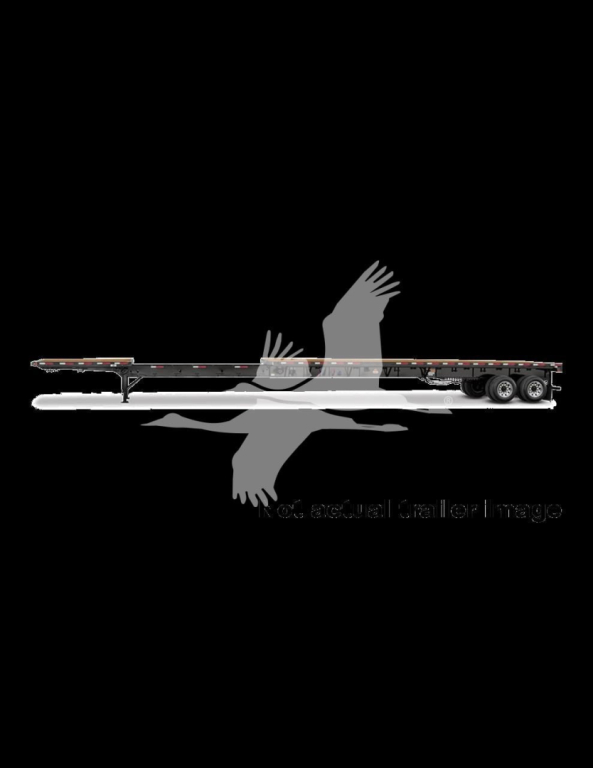
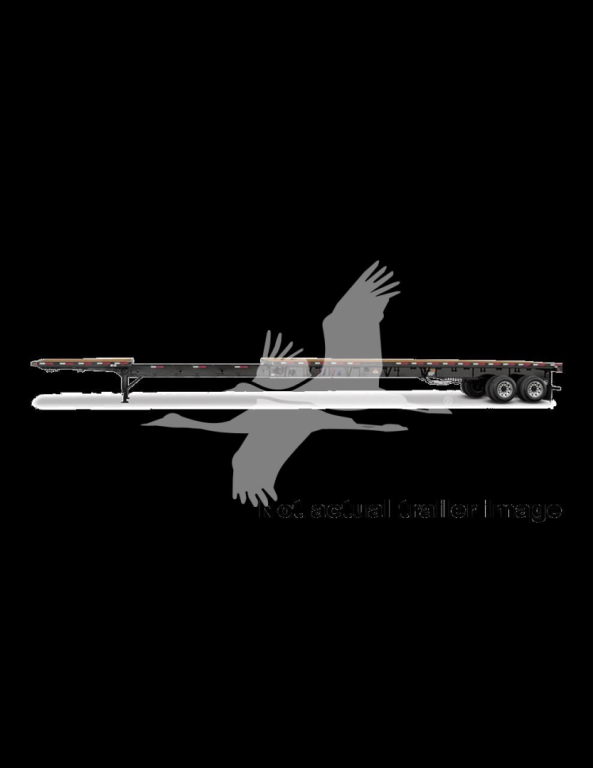
Selling a 2024 fontaine flatbed trailer? List your 2024 fontaine flatbed trailer for sale and reach thousands of commercial buyers.
2024 Fontaine Flatbed Trailers
Deck and securement layout matter as much as frame material. Common Fontaine flatbed specs include 48-foot and 53-foot lengths, 102-inch width, Apitong wood or aluminum flooring, stake pockets, rub rails, pipe spools, and sliding winches. Many buyers look closely at crossmember spacing, side rail design, and winch track placement because these details affect how well the trailer handles concentrated loads and how quickly drivers can secure freight. Features like chain tie-downs, bulkheads, toolboxes, forklift kits, and nailer-equipped aluminum floors can be important if the trailer is working in dedicated building materials, steel, or jobsite delivery applications.
Axle and suspension setup should match the freight mix and the operating region. Sliding tandems remain common because they give flexibility for bridge law compliance and dock positioning, while fixed or closed tandem setups can be preferred in dedicated service. Buyers will also compare spring ride versus air ride, kingpin setting, tire size, wheel material, and overall empty weight. On specialty Fontaine flatbeds such as extendable models, extension range, lock intervals, inside-track design, and distributed weight rating are key considerations for hauling long structural freight, pipe, or oversized materials. A 48-foot to 80-foot extendable trailer, for example, serves a very different role than a standard 48-foot deck.
A good 2024 Fontaine flatbed trailer is usually defined by how well its spec matches the load profile. Heavy concentrated freight benefits from a stronger frame and tighter deck structure, while high-cube or lighter freight may favor lower trailer weight and added versatility. Buyers should pay attention to deck condition, lighting, landing gear, suspension brand, rear frame design, and any signs of rail or crossmember repairs, especially on used units. Fontaine has a strong presence in the flatbed market because its trailers are commonly spec'd for practical securement, serviceability, and predictable open-deck work across regional and over-the-road operations.
Frequently Asked Questions about 2024 Fontaine Flatbed Trailers
What are the most common specs on a 2024 Fontaine flatbed trailer?
Common specs include 48-foot or 53-foot deck lengths, 102-inch width, tandem axles, stake pockets, rub rails, pipe spools, sliding winches, and either wood or aluminum flooring. Many 2024 Fontaine flatbeds also use sliding tandem axle configurations, 22.5-inch tires, LED lighting, and a kingpin setting that supports standard road tractor compatibility. Exact specs vary by application, especially on combo, steel, and extendable models.
Is a Fontaine steel, aluminum, or combo flatbed better?
The right construction depends on the freight and operating cost priorities. Steel flatbeds are typically heavier but durable and often preferred for rough service and concentrated loads. Aluminum flatbeds reduce tare weight and can improve payload capacity, but repair costs and use case should be considered. Combo trailers balance the two by using steel in high-stress areas and aluminum elsewhere, making them popular for fleets that want a mix of payload efficiency and structural strength.
What is a Fontaine extendable flatbed trailer used for?
A Fontaine extendable flatbed is used for freight that exceeds standard deck length, such as pipe, structural steel, fabricated components, utility poles, and other long materials. Buyers should look at the closed length, extended length, extension lock spacing, frame design, and distributed weight rating. These trailers are specialized tools, so the extension system and load distribution capability matter more than they do on a standard fixed-length flatbed.
What securement features should buyers look for on a flatbed trailer?
The most useful securement features depend on the cargo, but stake pockets, rub rails, pipe spools, winch tracks, sliding winches, and chain tie-down points are core flatbed items. Buyers hauling mixed freight often prefer flexible securement layouts that let drivers adapt quickly at the load site. Bulkheads, toolboxes, forklift kits, and nailer strips can also be valuable depending on the operation, especially for dedicated commodity work.
How important is axle configuration on a Fontaine flatbed trailer?
Axle configuration is critical because it affects bridge compliance, weight distribution, maneuverability, and loading flexibility. Sliding tandems are common on general freight flatbeds because they allow adjustment for legal weight distribution and dock approach. Suspension type also matters, with spring ride often chosen for simplicity and durability, while air ride may be selected for ride quality on sensitive cargo. Buyers should match the axle setup to their routes, state regulations, and typical commodity mix.