
2024 Fontaine Flatbed Trailers For Sale in Pennsylvania
Shop 2024 Fontaine flatbed trailers in Pennsylvania. Compare deck specs, tandem settings, suspension options, and hauling applications.
Selling a 2024 fontaine flatbed trailer? List your 2024 fontaine flatbed trailer for sale and reach thousands of commercial buyers.
2024 Fontaine Flatbed Trailers in Pennsylvania
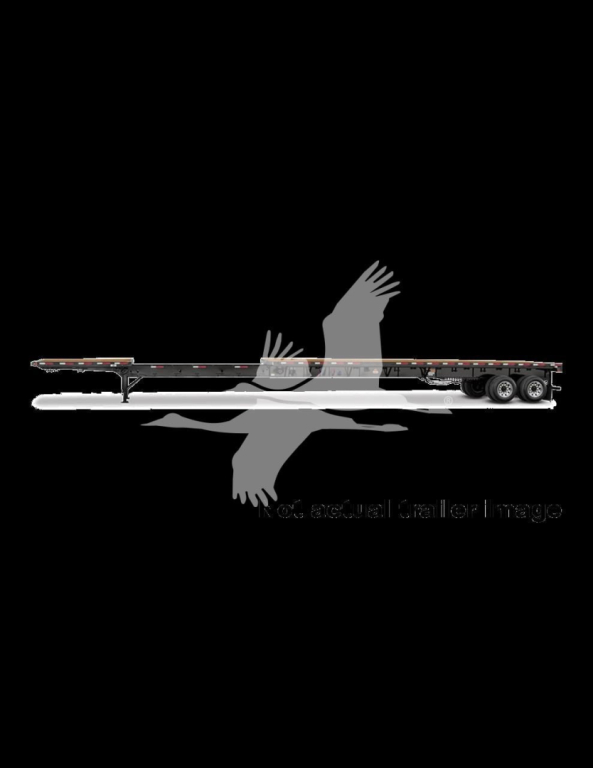
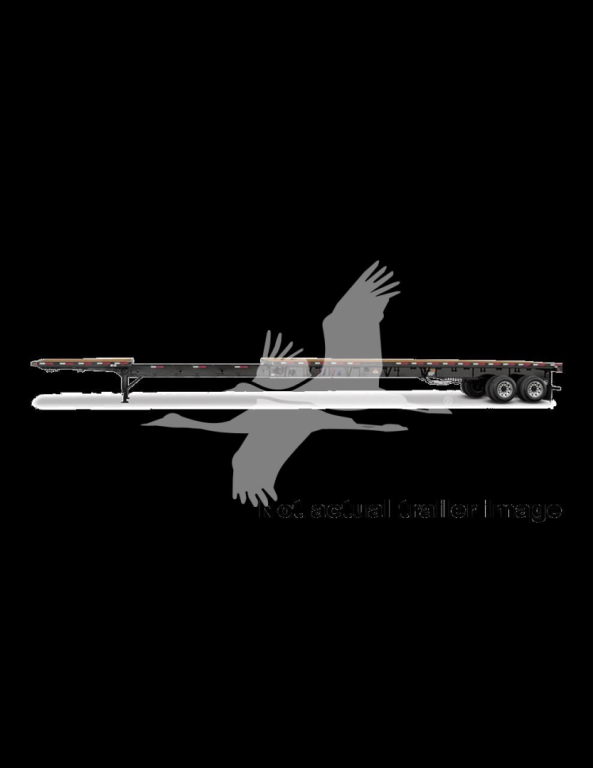
On Fontaine flatbeds, common buyer checkpoints include a 102-inch overall width, apitong flooring, structural channel side rails, and a roadside winch track with sliding winches. On extendable configurations, lock positions and extension design matter because they affect how easily the trailer can adapt to different freight while maintaining load support. Crossmember spacing, kingpin setting, and tandem slider position also deserve close attention. A 24-inch kingpin setting and a 49-inch sliding tandem are common working specs because they help with bridge law flexibility and fifth wheel placement, especially when tractors vary across a fleet. Weight ratings around 80,000 pounds distributed are typical for tandem-axle flatbeds, but payload still depends heavily on the trailer's empty weight and the tractor spec pulling it.
Suspension is another key decision. Air ride is usually preferred for more fragile or higher-value loads because it improves ride quality and can reduce cargo shock. Spring ride remains a viable option for operators focused on simplicity, lower upfront cost, and easier maintenance in tough service. Tire size, wheel material, landing gear type, mud flap bracket placement, and lighting package all affect long-term operating cost and usability. In Pennsylvania, where routes often include mixed interstate work, secondary roads, and seasonal weather, buyers should look closely at brake and suspension condition, frame corrosion exposure, floor wear, and slider function. LED lighting, steel wheels, and a clean underside can tell you a lot about how the trailer has been maintained.
The right 2024 Fontaine flatbed depends on freight mix more than anything else. A shipper hauling standard palletized building products may prioritize low tare weight and securement access, while steel, tubing, and overlength freight often push the buyer toward an extendable deck with pipe spools, stronger side rail structure, and dependable locking increments. For buyers comparing listings side by side, the smartest approach is to measure the trailer against real load dimensions, securement method, and route demands. A flatbed that looks similar on paper can perform very differently depending on deck construction, suspension, tandem travel, and how well the securement layout matches the freight you haul every week.
Frequently Asked Questions about 2024 Fontaine Flatbed Trailers in Pennsylvania
What should I look for when buying a 2024 Fontaine flatbed trailer?
Focus first on the trailer's application. Check whether it is a standard fixed deck or an extendable flatbed, then verify deck length, empty weight, axle configuration, kingpin setting, tandem slider range, flooring, and securement equipment. Apitong floor condition, winch track layout, number of sliding winches, side rail integrity, crossmember spacing, and suspension type all affect day-to-day performance. For used units, inspect extension lock function, frame condition, tire wear, brake components, and any signs of deck or rail repairs.
Are Fontaine extendable flatbed trailers good for long freight?
Yes. Fontaine extendable flatbed trailers are commonly used for pipe, steel, structural material, and other overlength loads because they can stretch to support freight that would overhang a standard 48-foot deck. Buyers should confirm the closed length, maximum extended length, lock interval spacing, extension design, and distributed weight rating. Those details determine how practical the trailer will be for mixed freight and how well it supports longer loads without creating avoidable loading or securement issues.
Is air ride or spring ride better on a flatbed trailer?
Air ride is generally better for ride quality and cargo protection, especially for machinery, finished metal, or other freight that can be damaged by excessive vibration. Spring ride is simpler and can be attractive for fleets that want lower initial cost and a more basic mechanical setup. The right choice depends on cargo sensitivity, maintenance preference, and operating conditions. In either case, buyers should inspect suspension wear points, axle alignment, and slider operation before making a decision.
How much weight can a tandem-axle Fontaine flatbed trailer haul?
Many tandem-axle flatbeds are rated around 80,000 pounds distributed gross combination usage, but actual payload depends on the trailer's tare weight, the tractor's weight, axle spacing, and legal road limits. An extendable trailer usually weighs more than a comparable fixed-length flatbed, which can reduce net payload. The practical question is not just the rating on paper but how much legal payload the complete truck and trailer combination can carry on the routes you run most often.
Why do kingpin setting and sliding tandem position matter on a flatbed trailer?
Kingpin setting and tandem slider position affect axle weights, bridge compliance, turning characteristics, and how easily the trailer matches different tractors. A common setup such as a 24-inch kingpin and 49-inch sliding tandem gives fleets more flexibility when balancing loads and working through state bridge rules. These dimensions become especially important on flatbeds because load placement can vary significantly from one shipment to the next.