
2024 Utility Flatbed Trailers For Sale
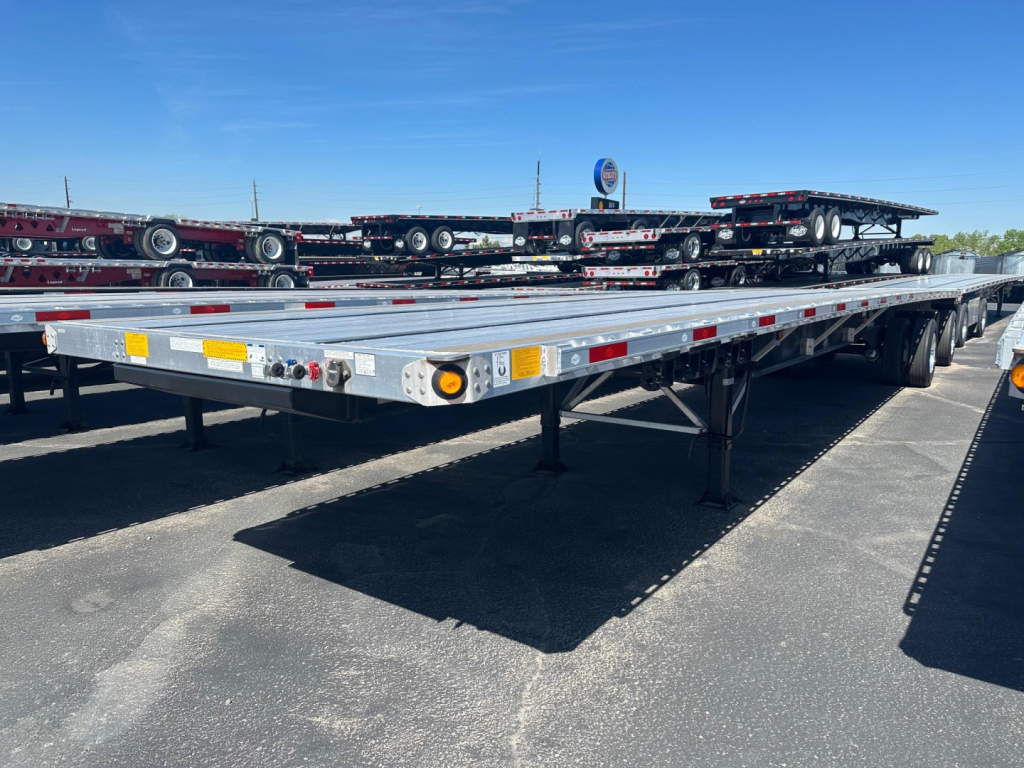
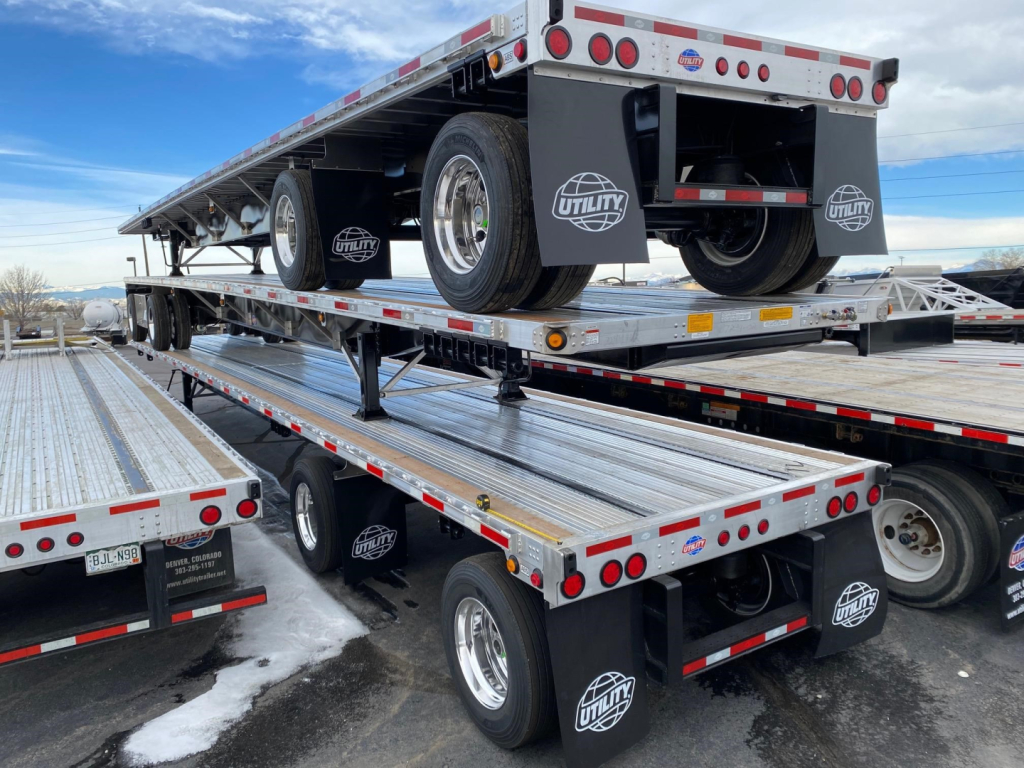
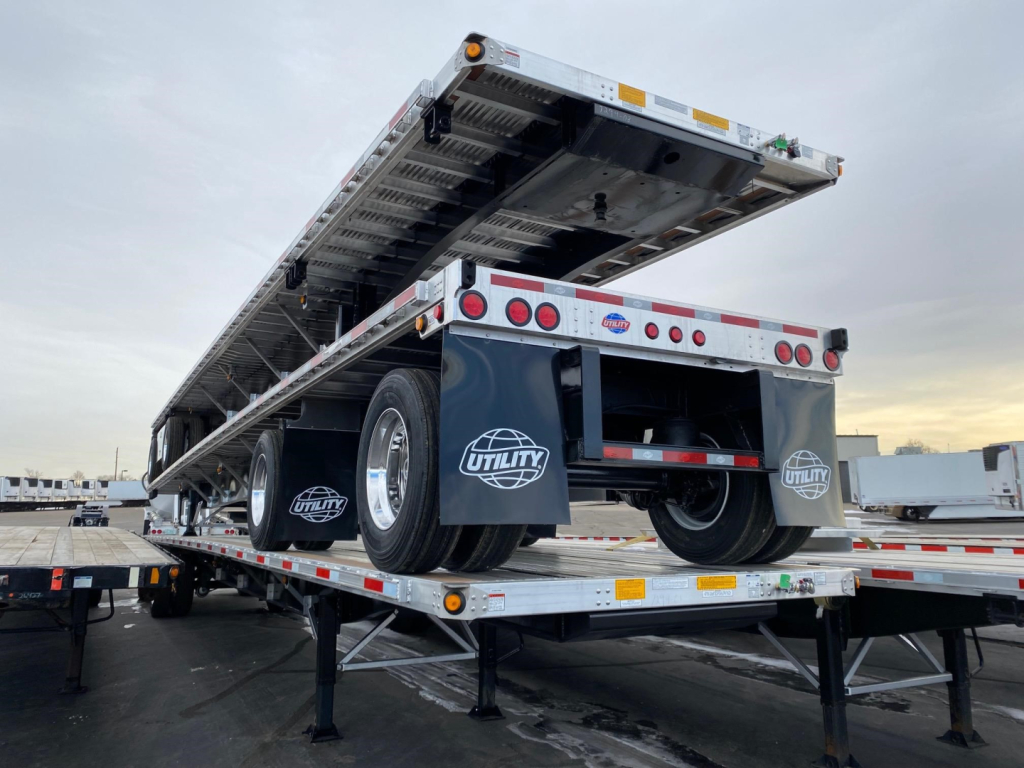
Shop 2024 Utility flatbed trailers with specs buyers want, including 48' and 53' lengths, combo or steel construction, spread or sliding tandems.
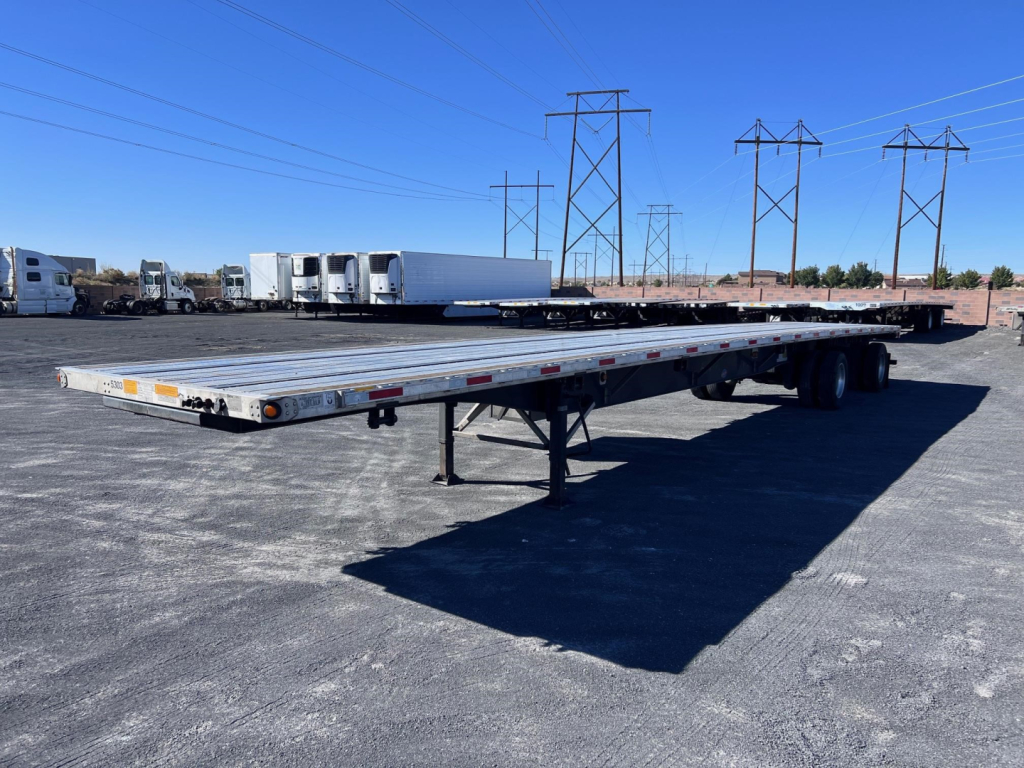
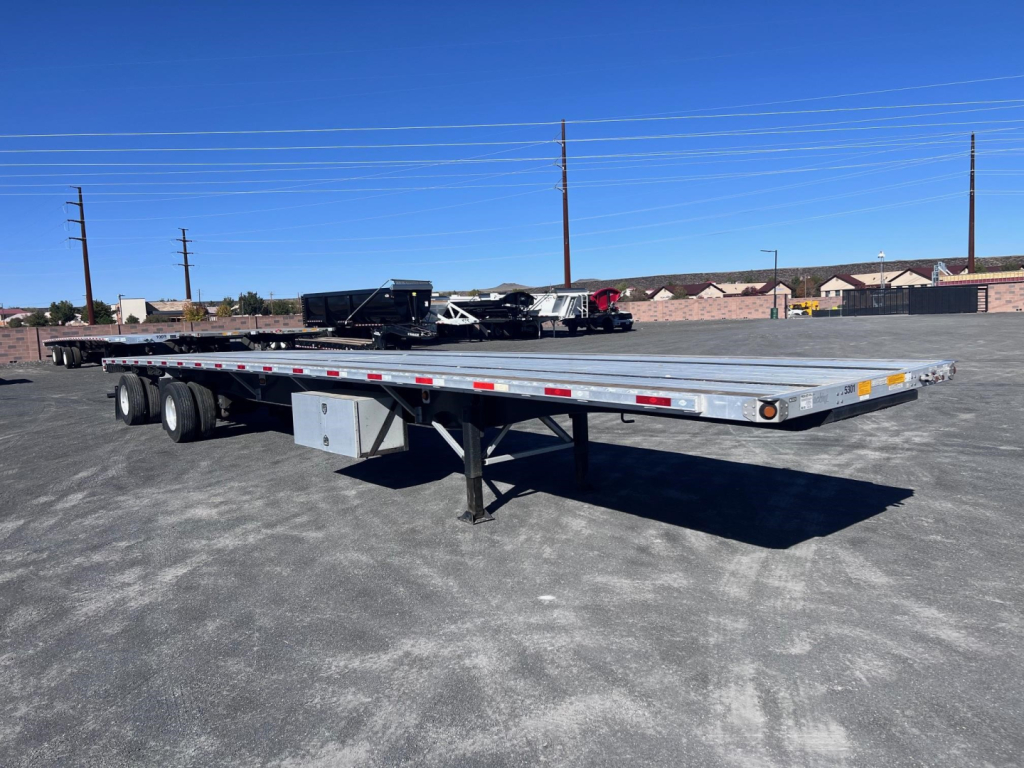
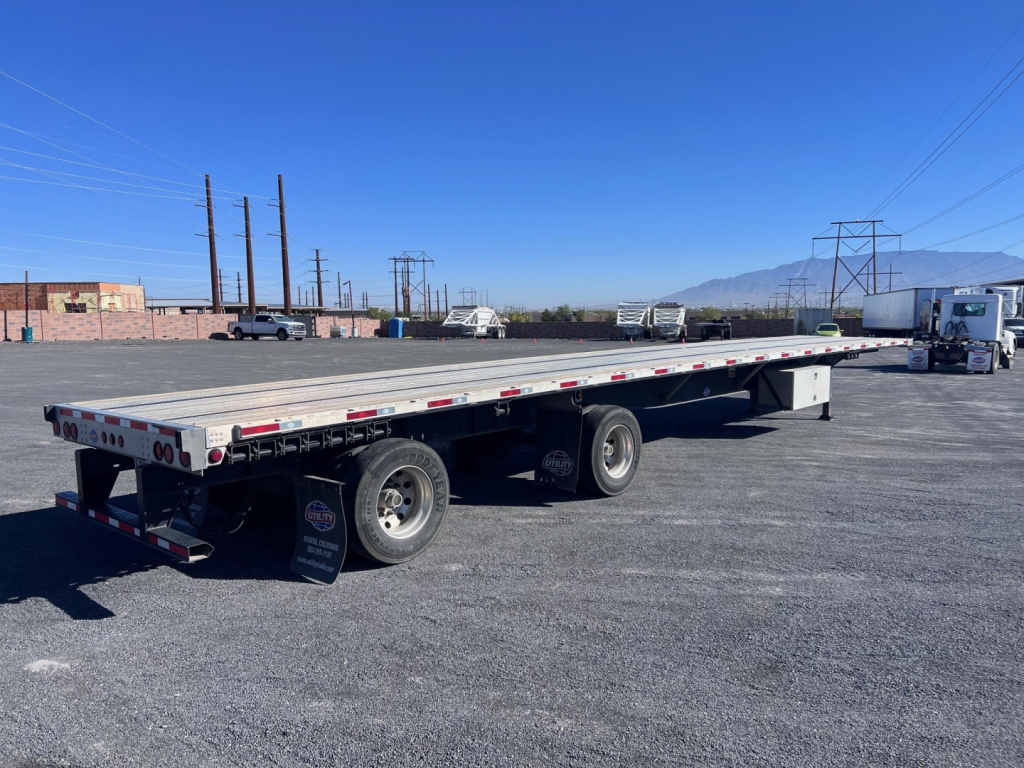
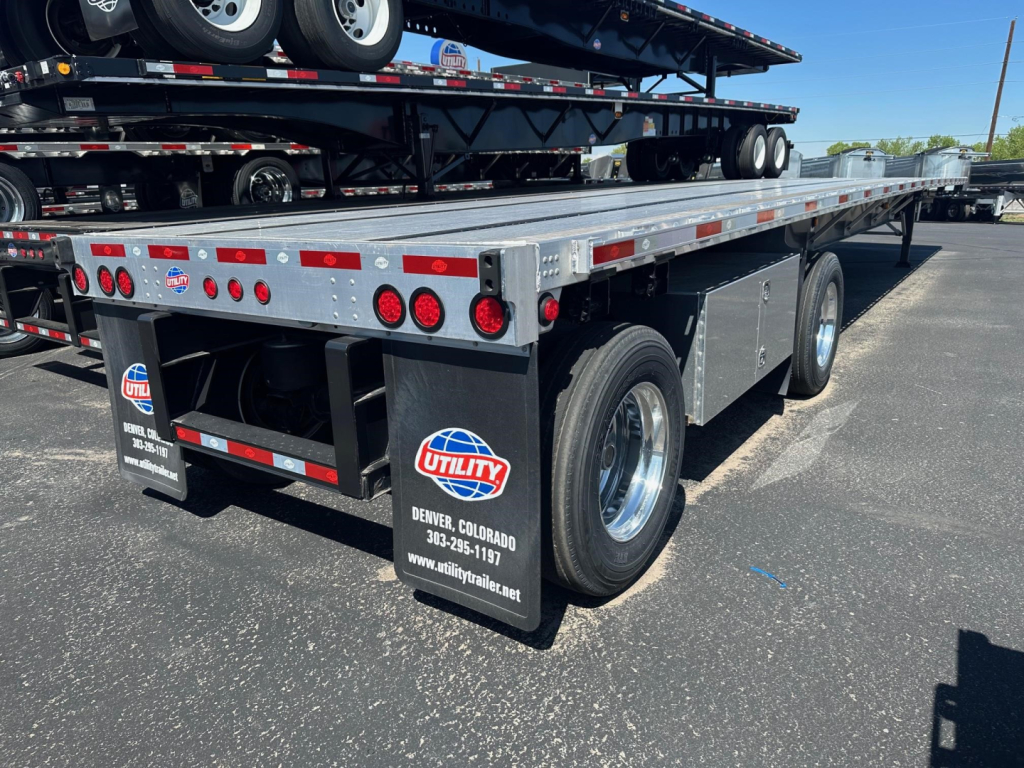
Selling a 2024 utility flatbed trailer? List your 2024 utility flatbed trailer for sale and reach thousands of commercial buyers.
2024 Utility Flatbed Trailers
Utility flatbeds are widely used as general freight platforms because the spec is usually straightforward, serviceable, and compatible with standard tarping and securement practices. A steel flatbed often appeals to fleets and owner-operators prioritizing durability, deck repair simplicity, and lower acquisition cost. A combo flatbed is more attractive when payload matters, especially on dense freight where every few hundred pounds of trailer weight can affect revenue. Common deck and side equipment includes nail strips, sliding winches, stake pockets on regular centers, and double pipe spools for organizing chains, straps, and binders. Coil packages are another key spec on many Utility trailers, especially for carriers hauling steel coils and other concentrated loads that require proper load positioning and securement options.
Suspension and axle layout have a direct effect on tire wear, maneuverability, and the freight the trailer is set up to haul. A closed tandem with a slider gives more flexibility for bridge law compliance and dock positioning, while a fixed spread axle can improve weight distribution and stability on certain loads but may add scrub in tight turns. Air ride is generally preferred for ride quality and cargo protection, while spring ride remains a durable, simpler option that many buyers still accept in vocational or regional use. Tire package, wheel material, and low-profile 22.5 rubber are also common points of comparison, along with ICC bumper configuration and lighting package. On a 2024 trailer, buyers should pay close attention to how the axle spread is set, kingpin setting, and whether the trailer's securement layout fits the lanes they actually run.
The best Utility flatbed spec is the one that matches freight mix, legal weight strategy, and maintenance priorities. A 48-foot trailer can still be the right fit for steel, regional building products, and operations that value maneuverability, while a 53-foot deck supports more flexibility for longer freight and broader customer requirements. Buyers comparing 2024 models should look closely at deck condition, crossmember spacing, main beam integrity, winch track placement, and signs of concentrated-load use around the coil area. If the trailer will see heavy securement cycles, details like scuff resistance at the rail, tool box layout, and ease of replacing deck boards are worth considering up front. Utility has long been a recognized name in trailer manufacturing, and its flatbeds remain a practical choice for carriers that want a mainstream platform with familiar parts support and a wide range of proven specifications.
Frequently Asked Questions about 2024 Utility Flatbed Trailers
What is the difference between a Utility steel flatbed and a Utility combo flatbed?
A Utility steel flatbed generally uses steel for the main beams, rails, and more of the trailer structure, which can favor durability and lower upfront cost. A Utility combo flatbed usually keeps steel main beams but uses aluminum components such as crossmembers, rails, or decking to reduce tare weight. The practical difference is payload versus simplicity. If the operation hauls dense freight and needs every available pound, a combo trailer is often the stronger fit. If the priority is ruggedness, straightforward repair, and lower replacement-part sensitivity, an all-steel trailer can make more sense.
Is a 48-foot or 53-foot Utility flatbed better for most freight?
A 53-foot Utility flatbed usually gives the broadest freight flexibility because it can handle longer loads and more customer requirements across open-deck lanes. A 48-foot flatbed still fits many steel, machinery, lumber, and regional applications and can be easier to maneuver in tighter delivery environments. The better choice depends on the load profile, state bridge considerations, and customer base. Buyers should match trailer length to actual freight dimensions and legal weight strategy instead of assuming longer is always better.
What axle setup should I look for on a Utility flatbed trailer?
The main choice is usually between sliding closed tandem and fixed spread axle. A sliding tandem gives more flexibility for bridge compliance, fifth-wheel adjustment, and load placement across different states and shippers. A spread axle can improve weight distribution and is popular on some flatbed applications, but it may increase tire scrub in tight turning conditions and is less adjustable. The right axle setup depends on route density, shipper requirements, and how often the trailer must adapt to different commodities.
Why does a coil package matter on a flatbed trailer?
A coil package is important when the trailer may haul steel coils or other concentrated loads that place high stress in a smaller deck area. It typically includes a reinforced load area and securement-friendly layout to better support proper coil placement and tie-down practices. Even if coils are not hauled every day, having a coil package can make the trailer more versatile and easier to use in steel-related freight. Buyers who never plan to haul concentrated loads may place less value on that spec and focus more on payload and deck configuration.
What should buyers inspect first on a late-model used Utility flatbed?
Start with the main beams, crossmembers, deck surface, suspension, and axle alignment because those items affect structural integrity, tire wear, and service cost. Then inspect the winch system, stake pockets, pipe spools, and any coil area for signs of repeated heavy securement or concentrated-load use. Check for deck damage around forklift traffic zones, corrosion at connection points, and uneven tire wear that may indicate alignment or suspension issues. On a late-model Utility flatbed, a careful review of construction details and wear patterns often tells more than age alone.