
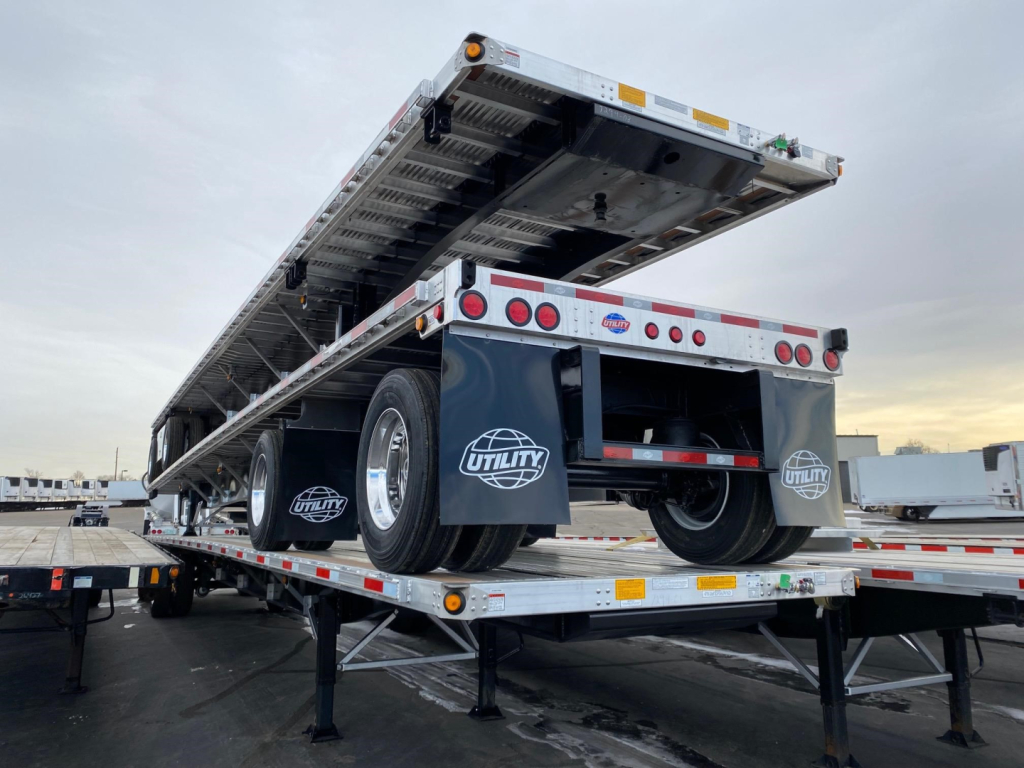
2024 Utility Flatbed Trailers For Sale in Colorado
Shop 2024 Utility flatbed trailers for sale in Colorado. Compare 48-ft and 53-ft combo flatbeds, axle setups, deck specs, and securement features.
Selling a 2024 utility flatbed trailer? List your 2024 utility flatbed trailer for sale and reach thousands of commercial buyers.
2024 Utility Flatbed Trailers in Colorado
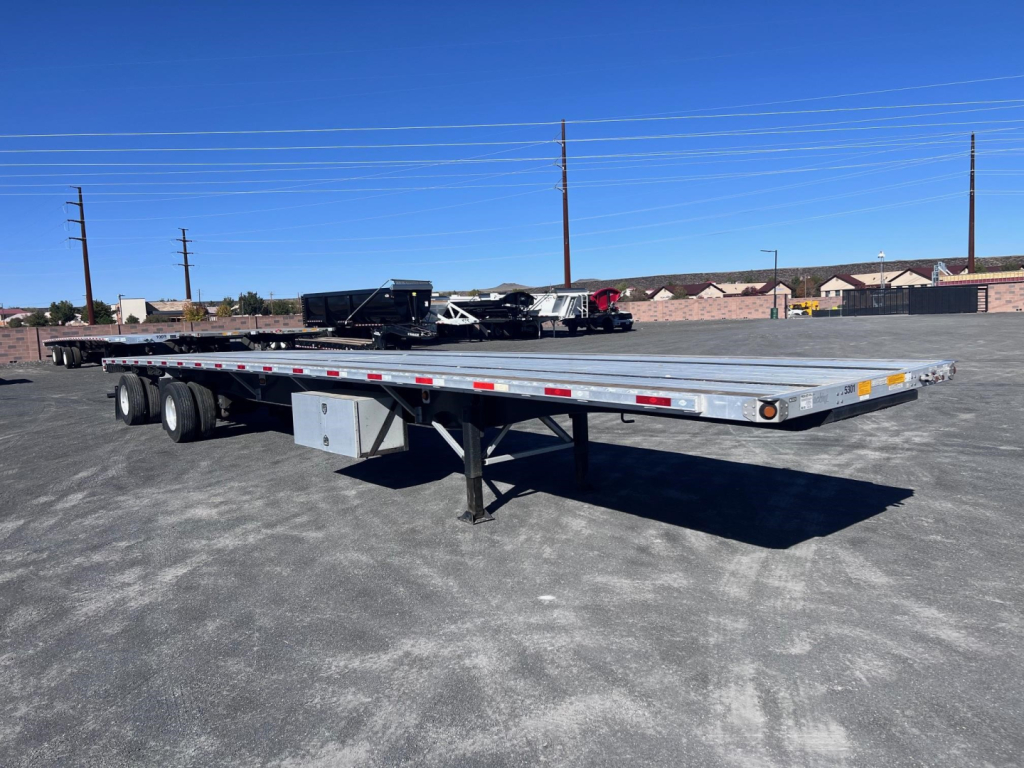
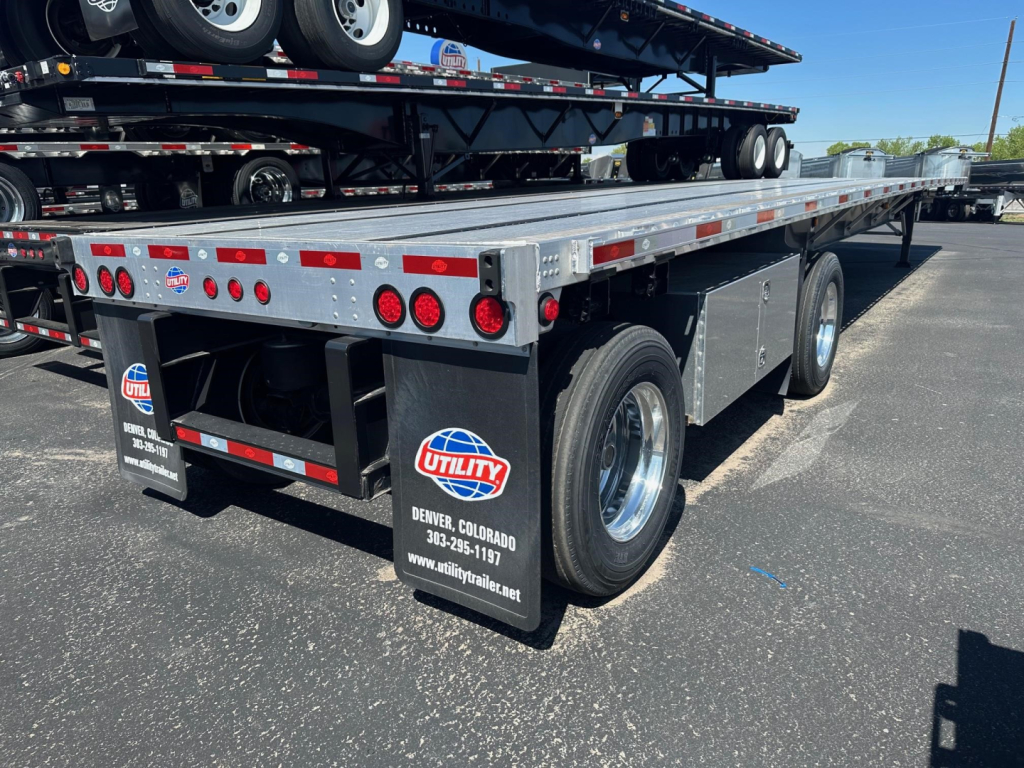
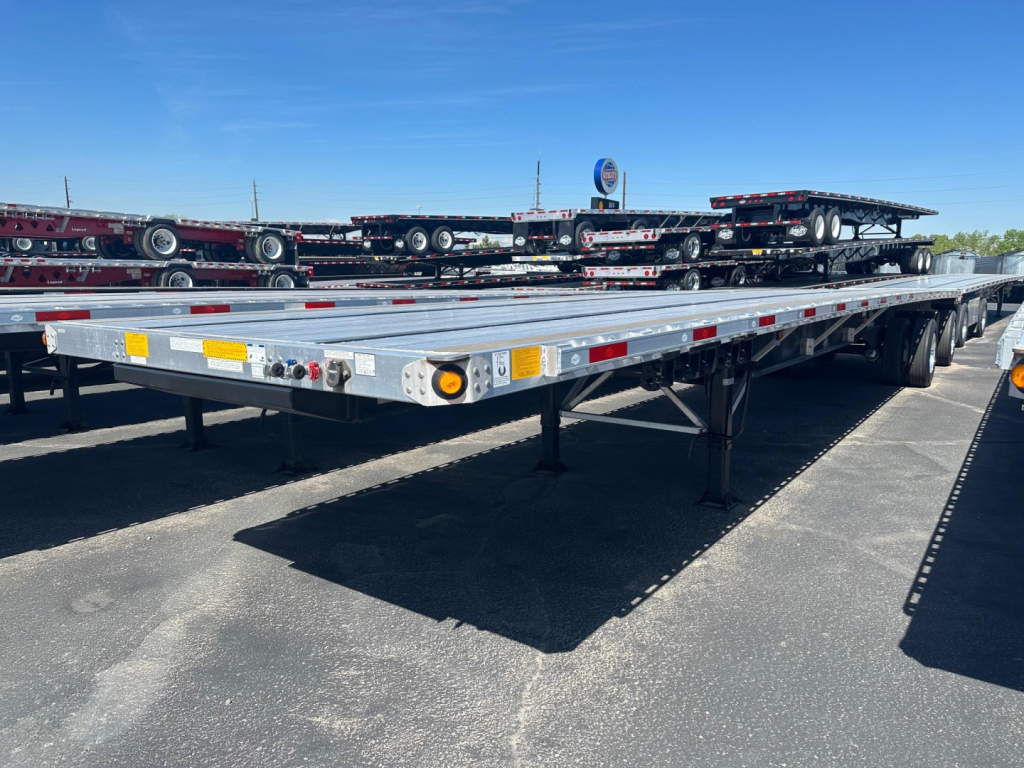
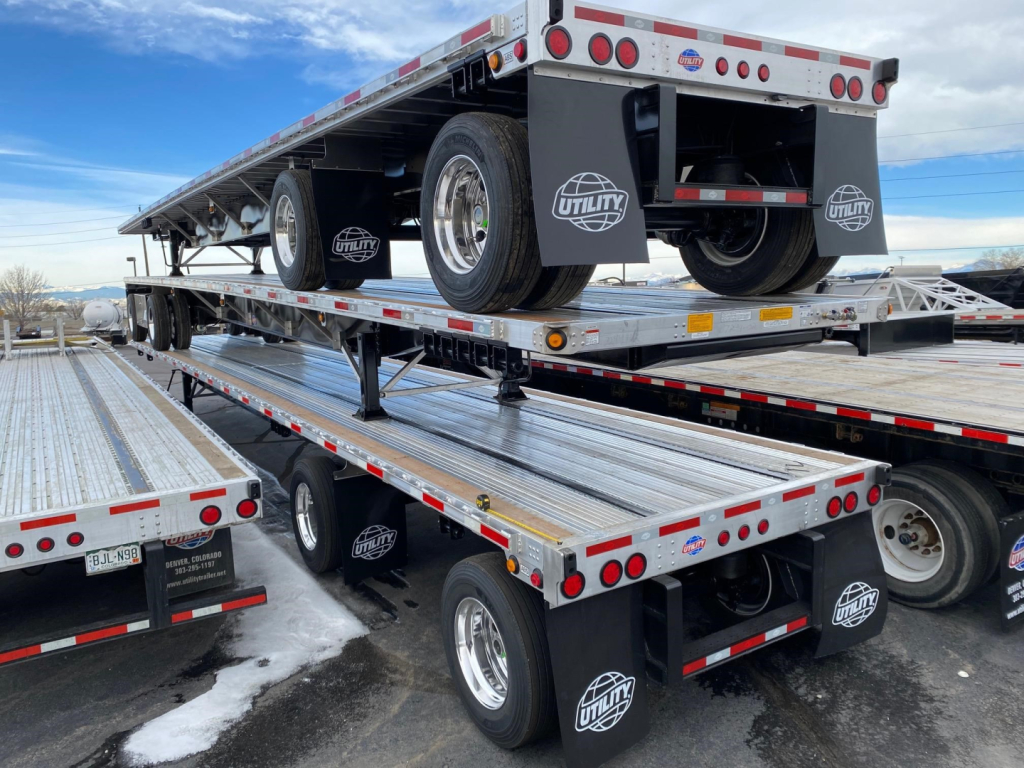
The spec decisions that matter most are deck construction, axle layout, suspension, and securement package. Common configurations include aluminum decks or Apitong wood floors, with nail strips, stake pockets, pipe spools, sliding winches, and full winch tracks on one or both sides. A coil package is a major consideration for steel haulers, especially when the trailer is set up for concentrated load ratings in the coil well area. Bulkheads, toolboxes, and marker light packages can also influence day-to-day usability. On many Utility flatbeds, buyers will also see low-profile 22.5 tires, outside aluminum wheels with inside steel wheels, and either fixed spread, rear-set spread, or closed tandem axle arrangements.
Suspension and axle style affect both ride quality and operating flexibility. Air ride is common for freight that benefits from better ride protection and can be paired with spread axle layouts for stability and weight distribution. Spring ride with a slider remains relevant for fleets that prioritize simplicity, lower maintenance complexity, or frequent axle repositioning. In Colorado, trailer spec should reflect mountain grades, weather exposure, and the need to manage payload efficiently across mixed highway and regional routes. A lighter combo flatbed can help preserve payload, but buyers still need to verify frame strength, deck condition, crossmember spacing, and kingpin-to-axle dimensions against the freight they actually haul.
A strong buyer checklist for this category includes trailer length, loaded tare weight, concentrated load rating, axle spread or slider position, deck material, securement hardware count, and tire and wheel specification. It is also worth checking for California-legal settings if interstate routing is part of the operation. Utility flatbeds are widely used because they are straightforward to spec, easy to load from the side or overhead, and adaptable across many freight segments. The best choice is the one whose axle geometry, deck package, and securement setup match your freight mix without adding unnecessary weight or limiting legal payload.
Frequently Asked Questions about 2024 Utility Flatbed Trailers in Colorado
What is the difference between a Utility combo flatbed and a full steel flatbed?
A Utility combo flatbed typically uses steel main beams with aluminum crossmembers, side rails, and often an aluminum deck to reduce trailer weight while maintaining structural strength where it matters most. A full steel flatbed generally carries more tare weight but can appeal to buyers who prefer a more traditional all-steel structure in certain applications. The practical tradeoff is payload versus material preference, repair approach, and the type of freight being hauled regularly.
Should I choose a 48-foot or 53-foot Utility flatbed trailer?
A 48-foot flatbed is still a strong fit for many regional, construction, and steel-hauling operations, especially where maneuverability and bridge compliance are important. A 53-foot flatbed offers more deck space for longer freight and higher cubic flexibility, but axle placement and legal weight distribution become more important. The right choice depends on your lanes, your load lengths, and how often you need extra deck capacity versus simpler weight management.
What securement features should I look for on a 2024 Utility flatbed?
The most useful securement features depend on the freight, but many buyers look for stake pockets, sliding winches, pipe spools, nail strips, and winch tracks on both sides of the trailer. Coil packages are important for operations hauling steel coils because they support concentrated load applications. A bulkhead, toolbox, and proper light package can also add value by improving safety, organization, and versatility across different types of loads.
Is air ride or spring ride better on a flatbed trailer?
Air ride is often preferred for better load protection, improved ride quality, and compatibility with many modern fleet specs, especially for higher-value or damage-sensitive freight. Spring ride remains a practical choice for buyers who want mechanical simplicity and a proven setup with potentially lower complexity. The decision should be based on freight sensitivity, maintenance practices, and whether axle adjustability or ride quality is the higher priority.
Why does axle configuration matter on a flatbed trailer in Colorado?
Axle configuration affects bridge compliance, turning behavior, load distribution, and how the trailer handles on mountain grades and mixed terrain. Spread axles can improve stability and help distribute weight, while closed tandems or sliding tandems can offer more flexibility for routing and legal adjustments. In Colorado operations, matching axle layout to payload, road conditions, and route requirements can make a noticeable difference in both compliance and operating efficiency.