
2024 Flatbed Trailers For Sale in Pennsylvania
Shop 2024 flatbed trailers in Pennsylvania. Compare 48' and 53' specs, aluminum or steel construction, axle setups, and freight-ready options.
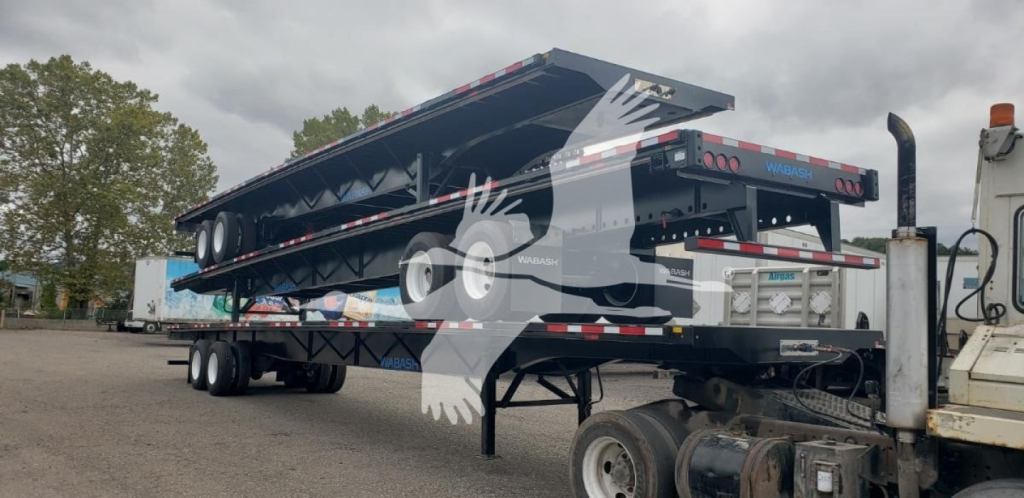
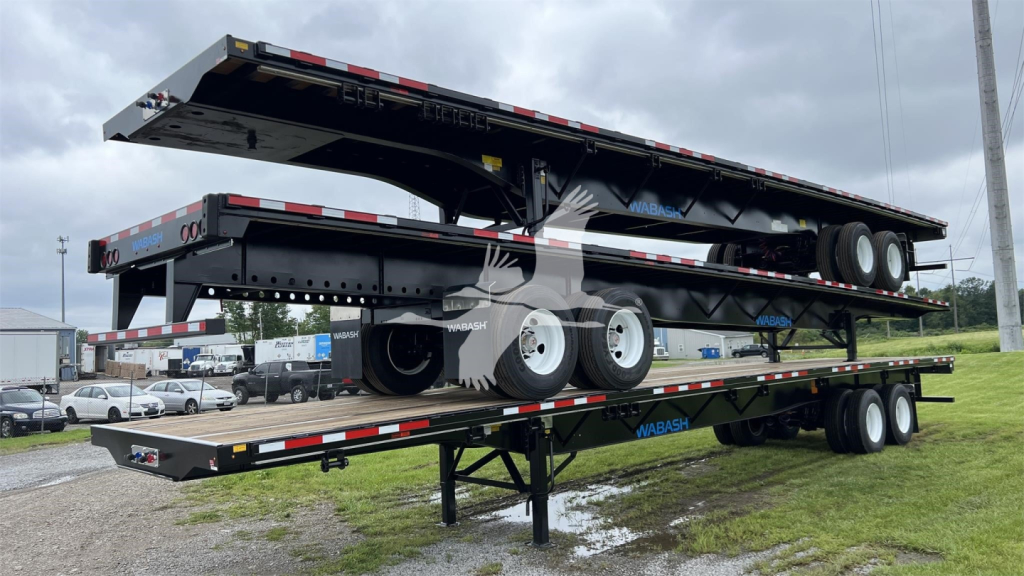



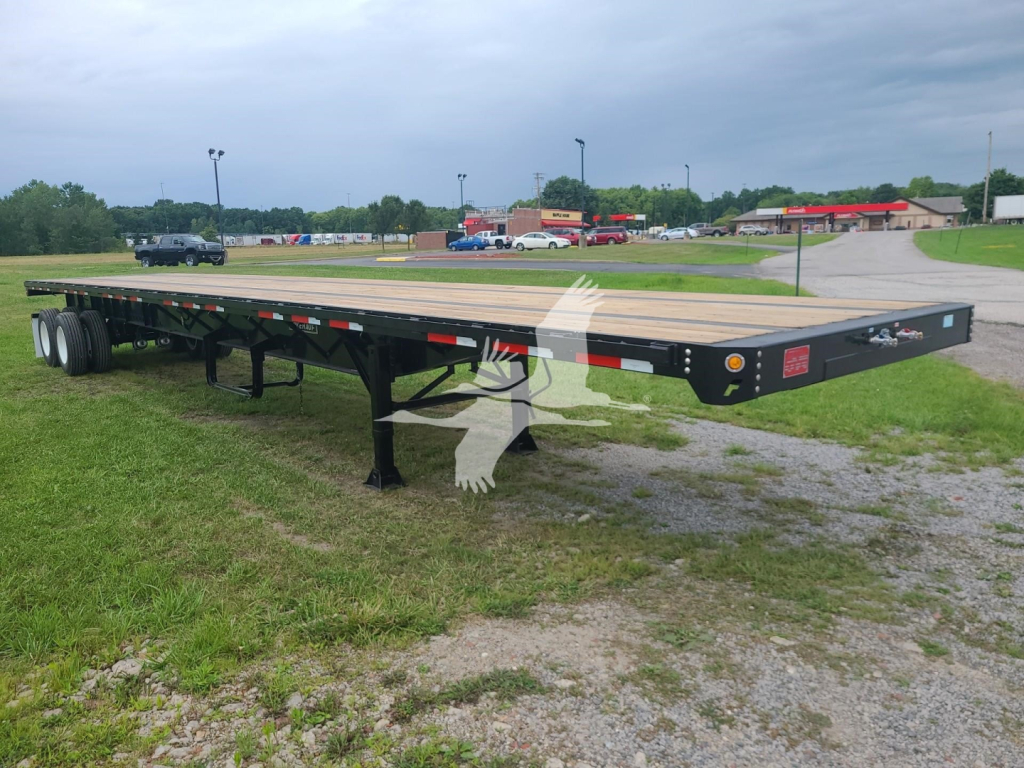


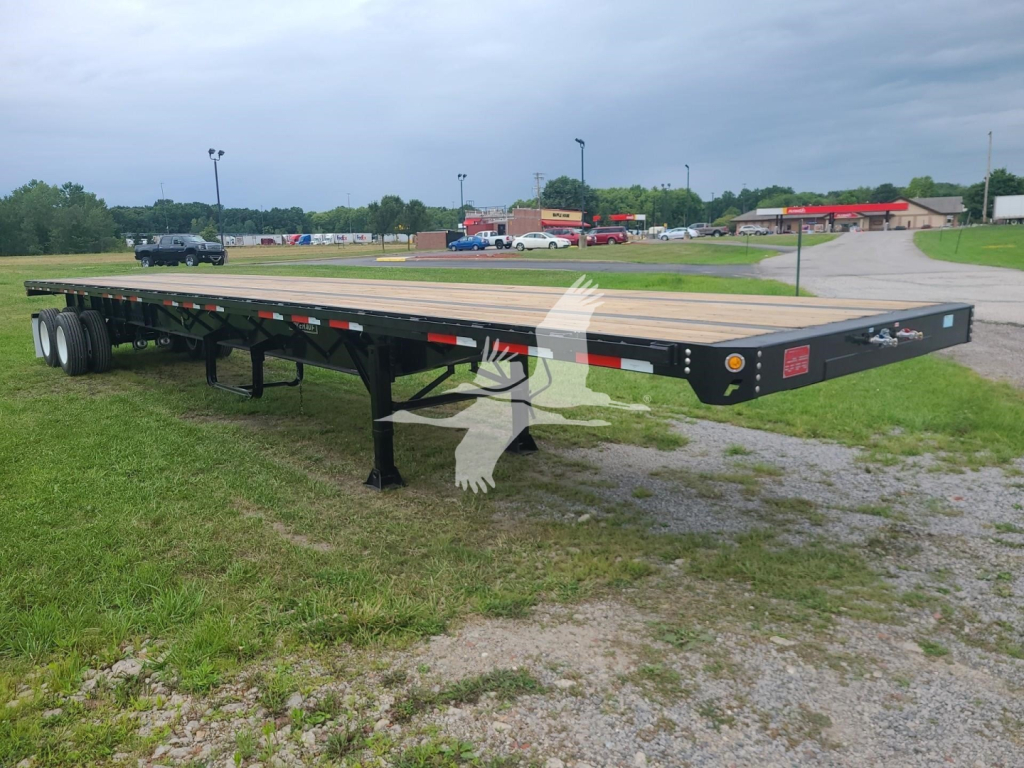








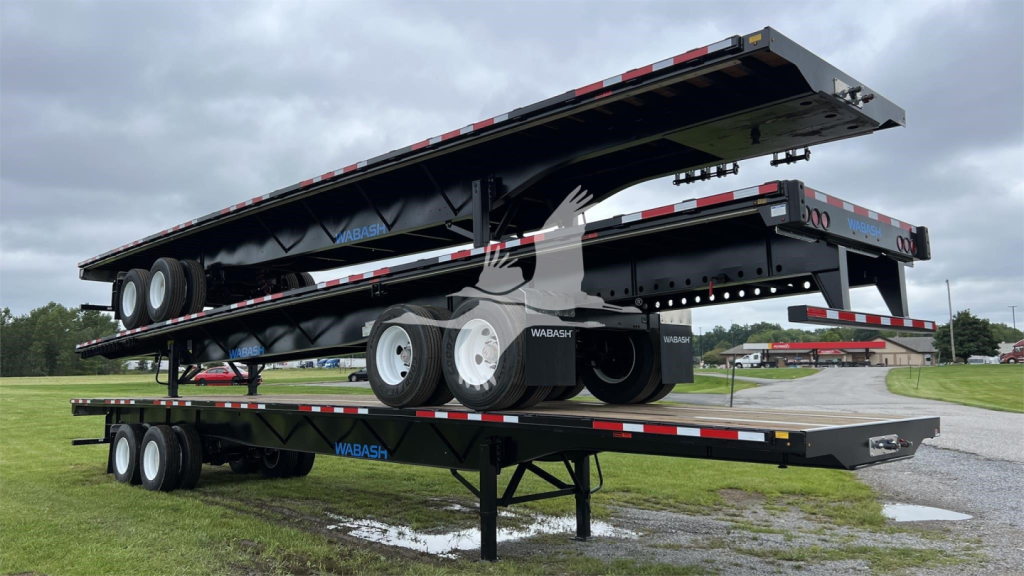
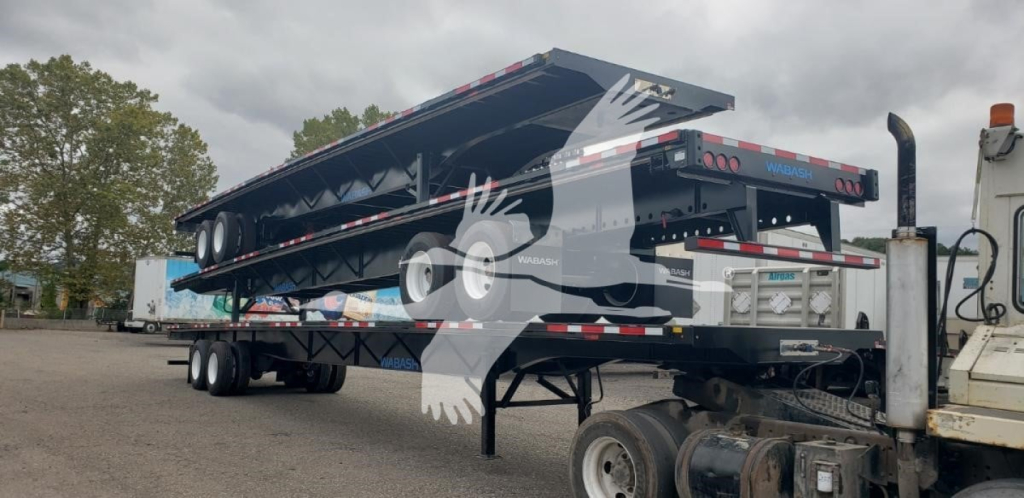
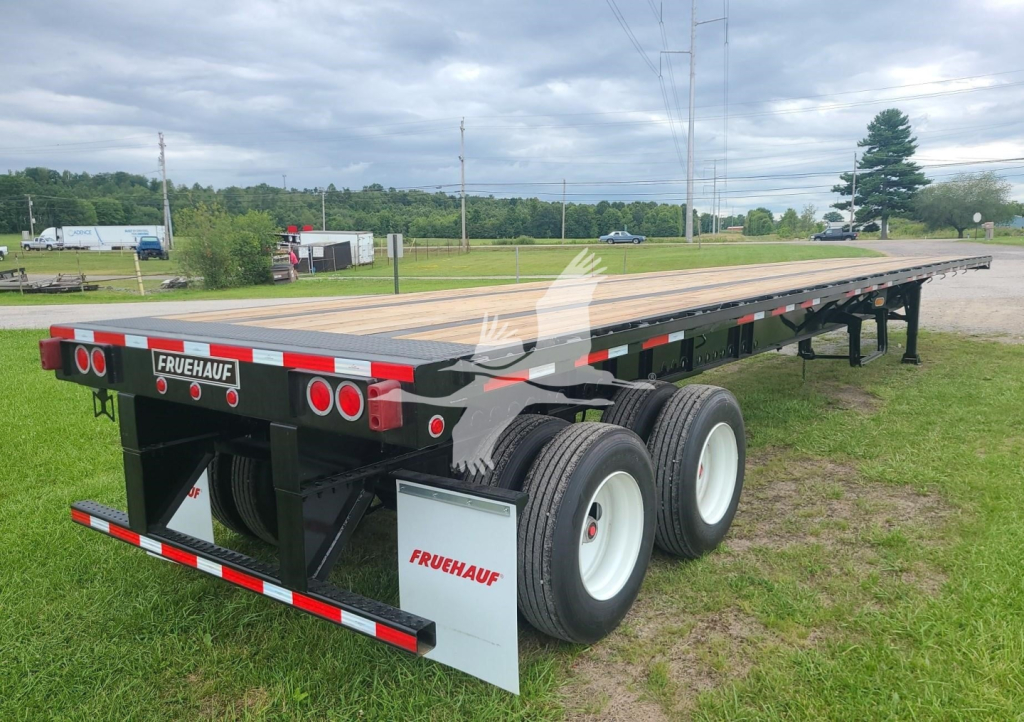
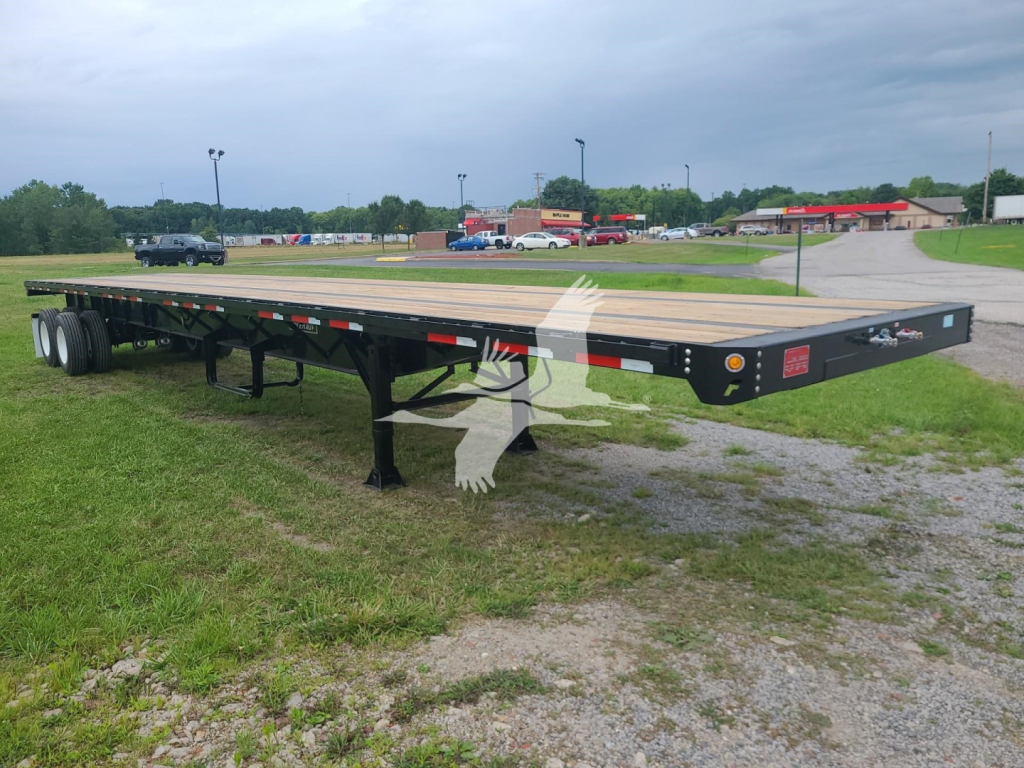
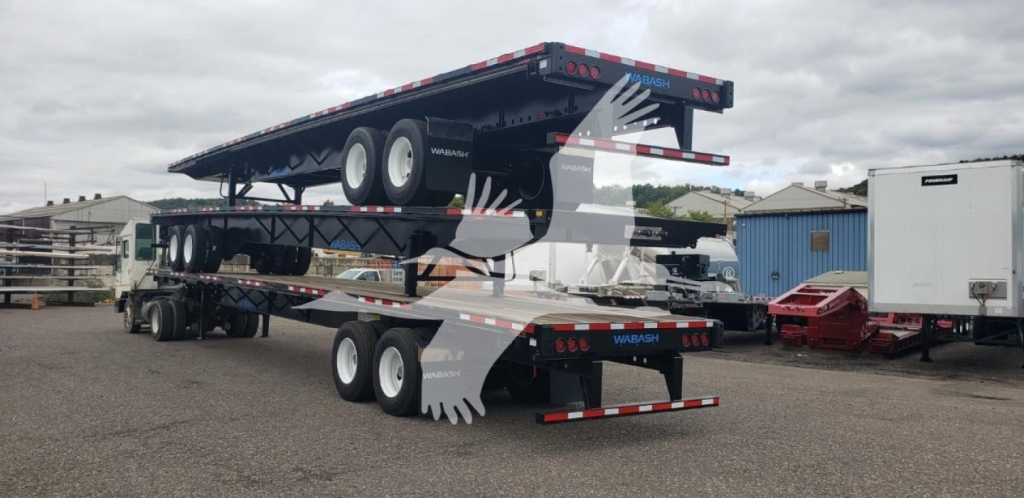
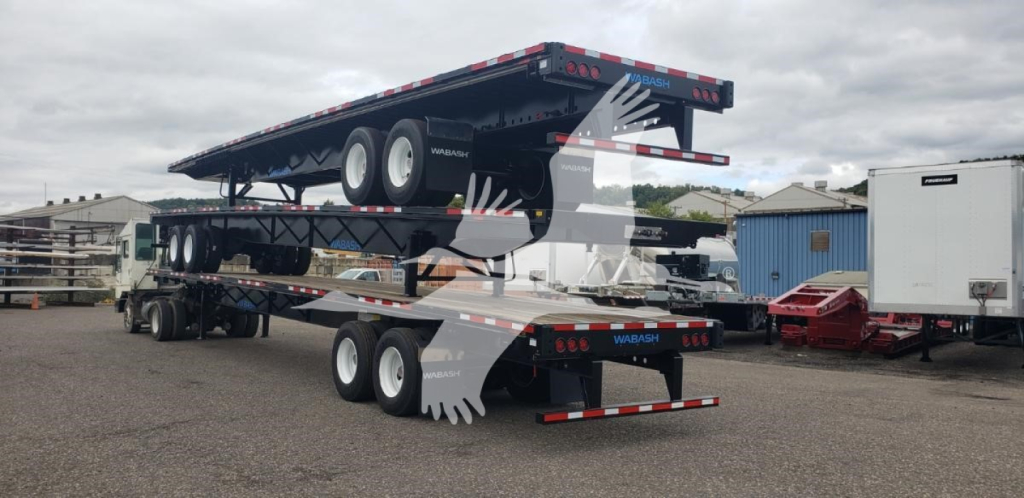
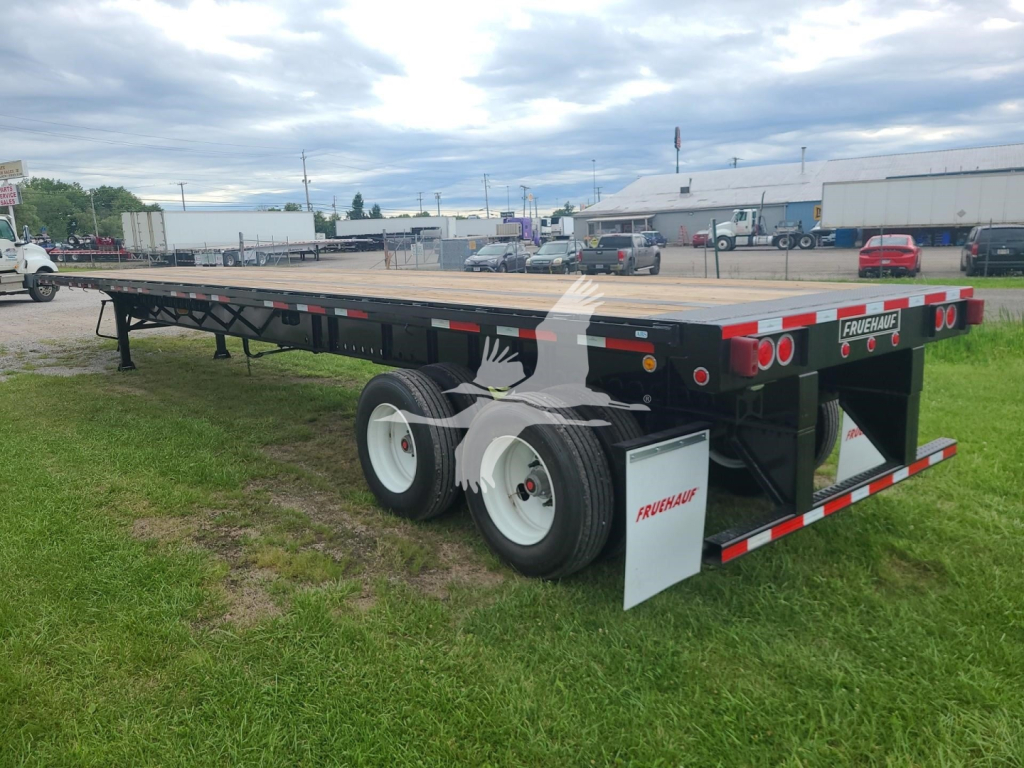
Showing 1 to 28 of 33 results
Selling a 2024 flatbed trailer? List your 2024 flatbed trailer for sale and reach thousands of commercial buyers.
2024 Flatbed Trailers in Pennsylvania
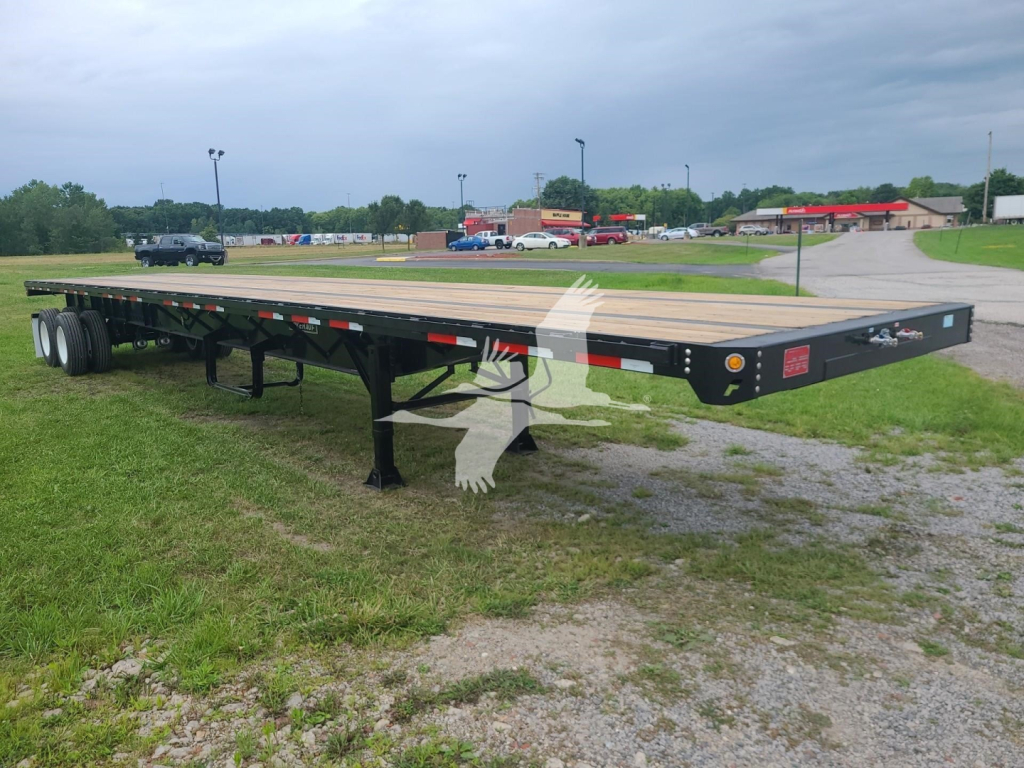
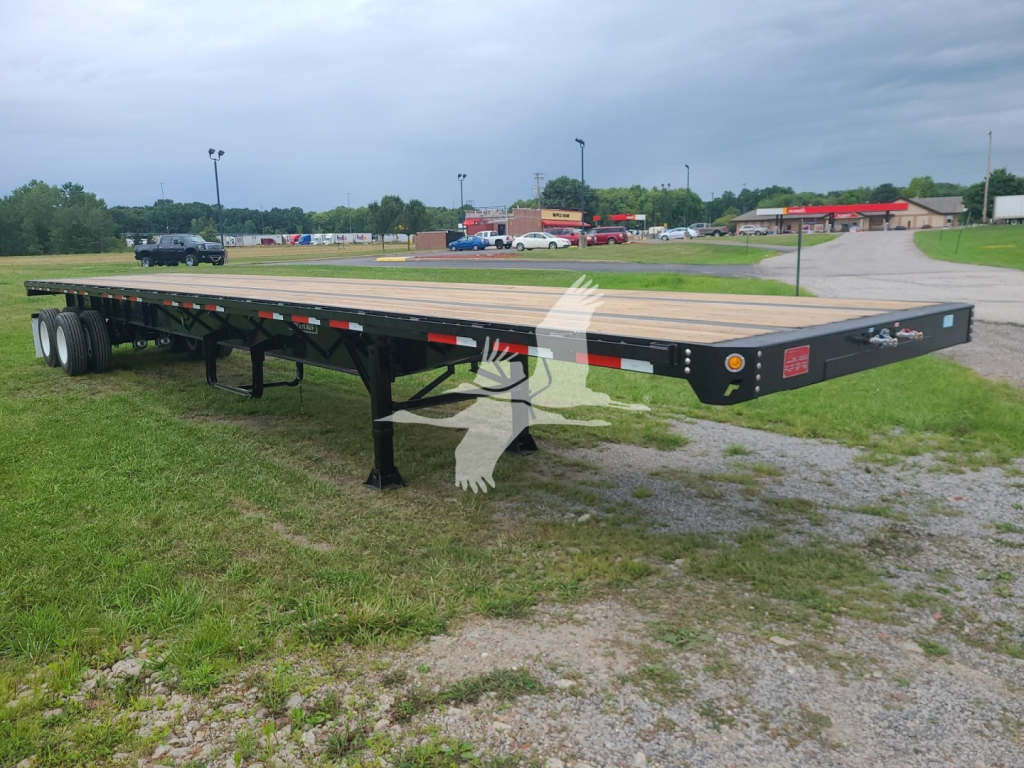
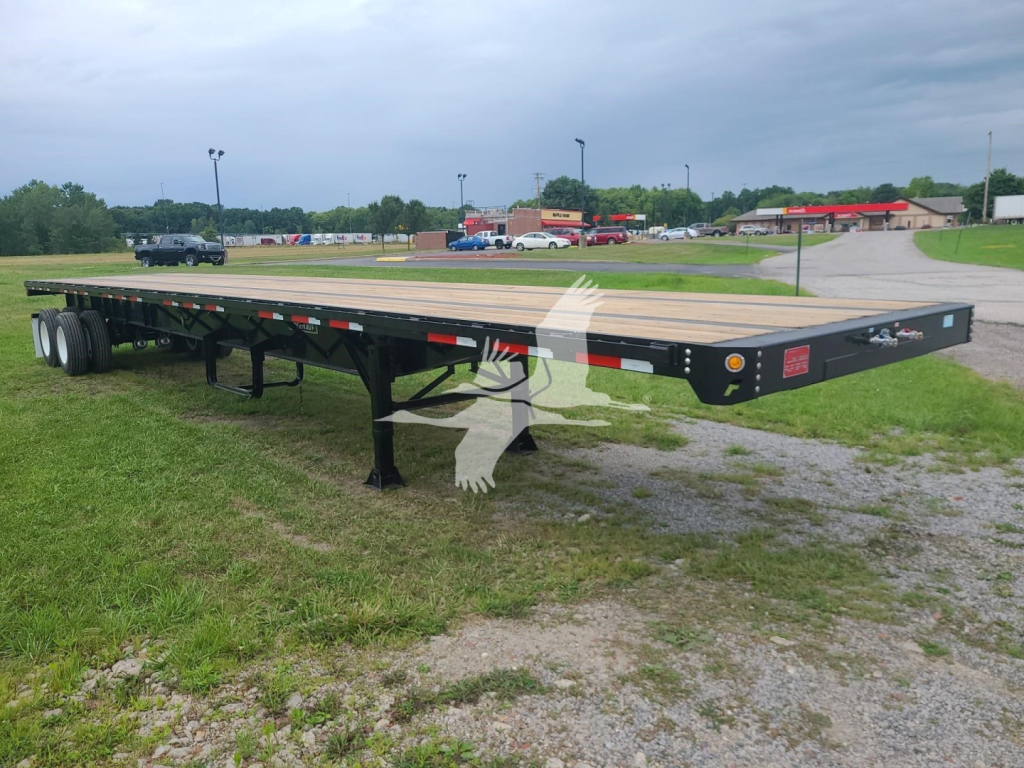
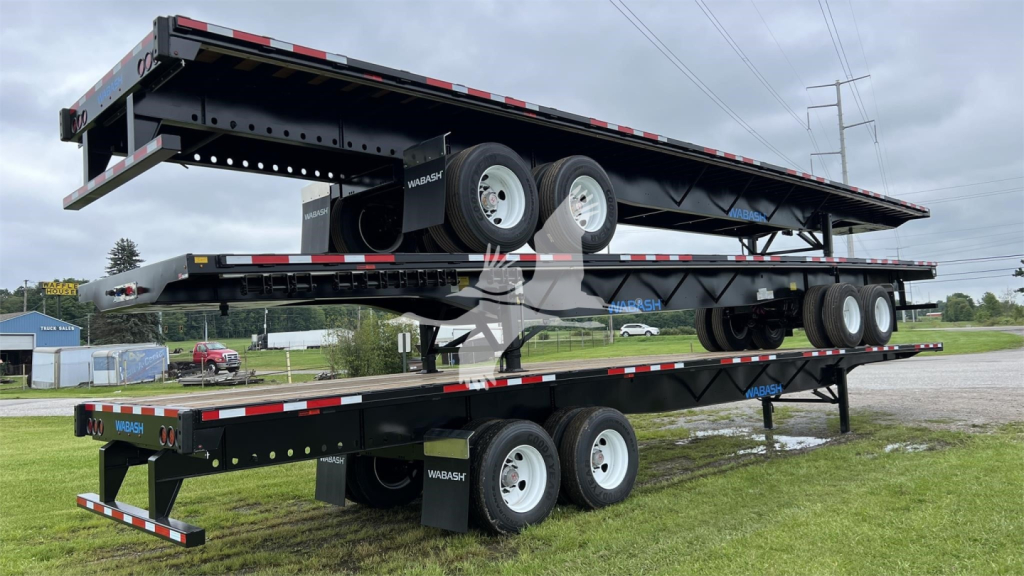
Construction material is one of the first decisions. Aluminum flatbed trailers typically deliver lower empty weight and better payload capacity, which helps on dense freight and high-mile applications. Steel flatbeds usually cost less upfront and can be a good fit for tougher work environments where durability and repair familiarity are priorities. Buyers should compare floor type, crossmember spacing, side rail design, and rated capacity in concentrated load areas. Features like Apitong nailing strips, full-length winch tracks, sliding winches, pipe spools, and coil packages directly affect how versatile the trailer will be across different commodities.
Suspension and axle layout also deserve close attention. Air ride is popular for more delicate or premium freight and is common on newer spread axle flatbeds, while spring ride can still make sense for straightforward regional hauling and lower complexity. A spread axle setup can improve weight distribution and loading flexibility, but it changes turning characteristics and tire scrub compared with a sliding tandem. Check kingpin setting, axle spacing, landing gear spec, wheel material, tire size, and brake components, especially if the trailer will run mixed routes that include tight yards, job sites, and interstate work.
A good 2024 flatbed trailer should be judged by how well it fits the freight you actually haul every week. If coils, steel plate, or machinery are part of the mix, look for a properly configured coil package, reinforced crossmember areas, and securement points that reduce the need for workarounds. If the priority is general building products or regional LTL-style open deck freight, deck condition, winch placement, bulkhead preference, and overall tare weight may matter more. On late-model trailers, LED lighting, Jost landing gear, aluminum wheels, dump valves, and pre-drilled toolbox or dunnage rack provisions are common details that can improve day-to-day usability and resale appeal.
Frequently Asked Questions about 2024 Flatbed Trailers in Pennsylvania
What size flatbed trailer is most common in Pennsylvania?
The most common flatbed trailer sizes are 48 feet by 102 inches and 53 feet by 102 inches. A 48-foot flatbed remains very common for steel, machinery, and building materials, while a 53-foot flatbed offers more deck space for lighter or longer freight. The right size depends on your freight mix, customer dock and yard access, and how often you need the extra deck length versus the maneuverability benefits of a 48-foot trailer.
Should I buy an aluminum or steel flatbed trailer?
Aluminum flatbed trailers are usually preferred when payload and fuel efficiency matter because they carry less tare weight. Steel flatbeds often appeal to buyers focused on lower acquisition cost and straightforward repairs in tougher operating environments. The better choice depends on commodity density, annual miles, corrosion exposure, and how important every pound of payload is in your lane mix.
What is a coil package on a flatbed trailer?
A coil package is a reinforced deck section designed to carry concentrated steel coil loads more safely. It typically includes additional crossmembers and a designated coil well or mini coil area to better support heavy point loads. If you haul steel coils, plate, or similarly dense freight, a properly rated coil package is an important spec because a standard flatbed deck may not be optimized for those load concentrations.
What axle setup is better on a flatbed, spread axle or sliding tandem?
A spread axle flatbed can offer strong weight distribution and is common on air ride trailers used in open deck freight. It can also reduce flexibility in tight turns because tire scrub is greater than on a sliding tandem. A sliding tandem may be easier to manage in certain bridge law situations and tighter urban or yard conditions. The better setup depends on your routes, state regulations, commodity weights, and how often you need to shift axle position for legal loading.
Which flatbed trailer specs matter most to buyers comparing late-model units?
The most important specs usually include length, width, trailer material, suspension type, axle configuration, floor composition, crossmember spacing, kingpin setting, and weight rating. Buyers also pay close attention to securement equipment such as winch tracks, sliding winches, pipe spools, chain tie-downs, and nailing strips. Those details determine how many freight types the trailer can handle without extra modification or compromise.