
2024 Wabash Flatbed Trailers For Sale
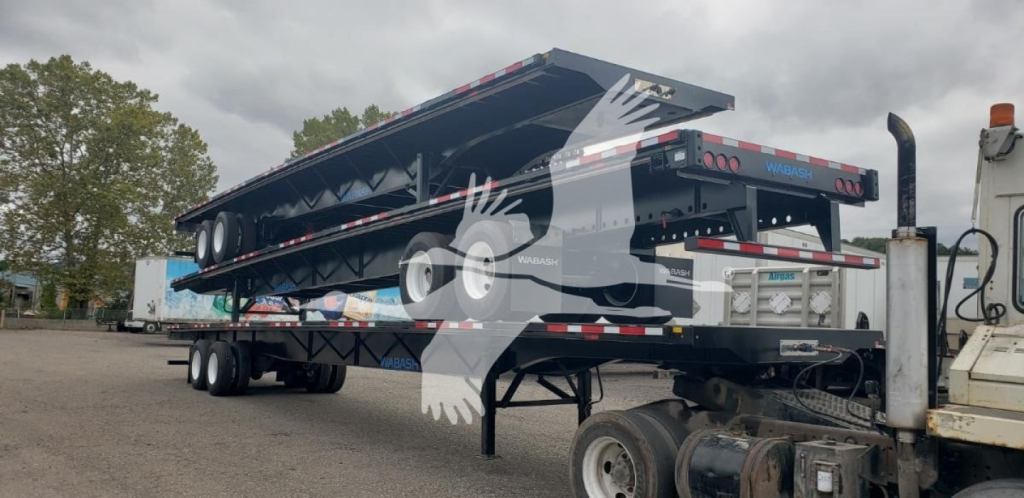
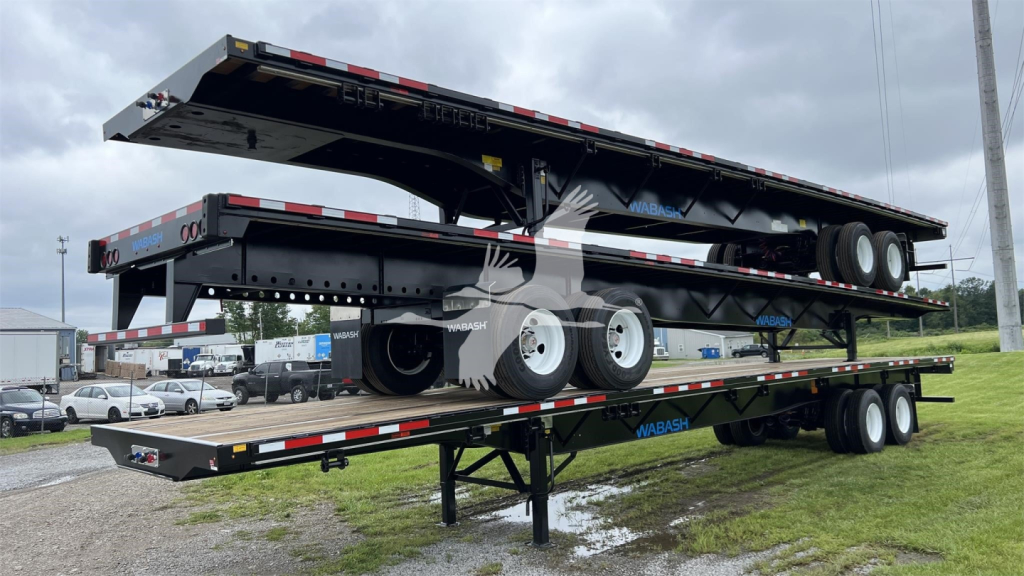
Shop 2024 Wabash flatbed trailers with common specs like 48' or 53' lengths, Apitong decks, slider tandems, and steel construction.
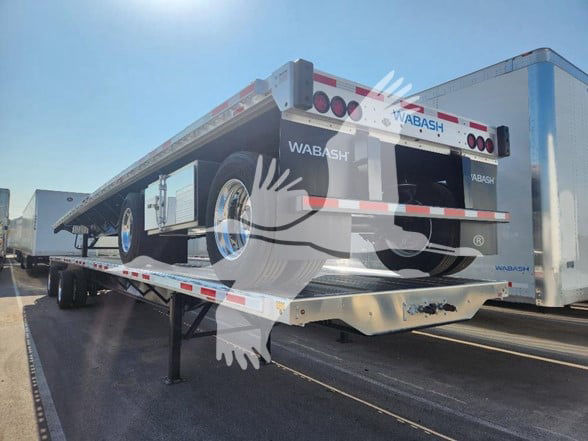
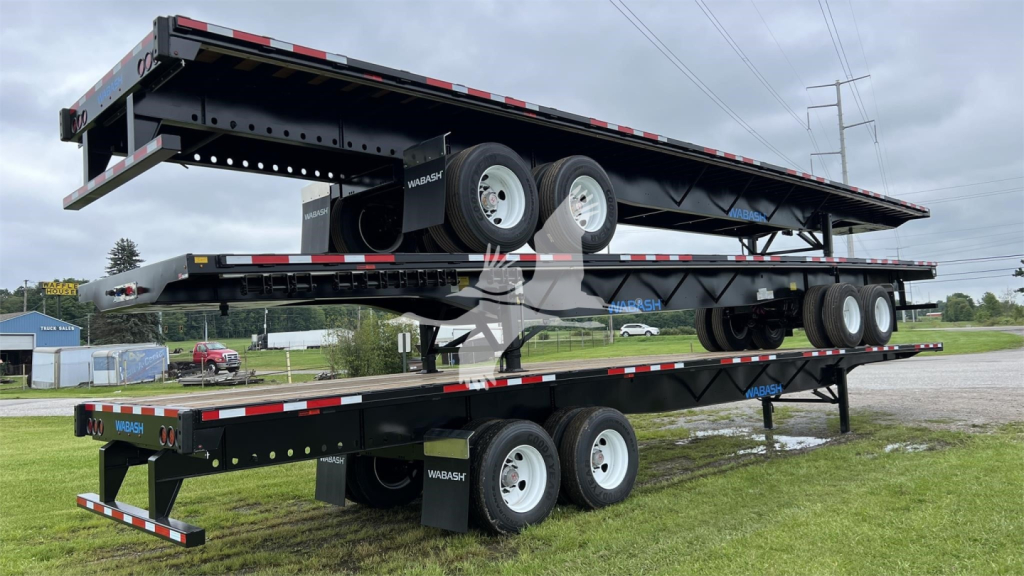
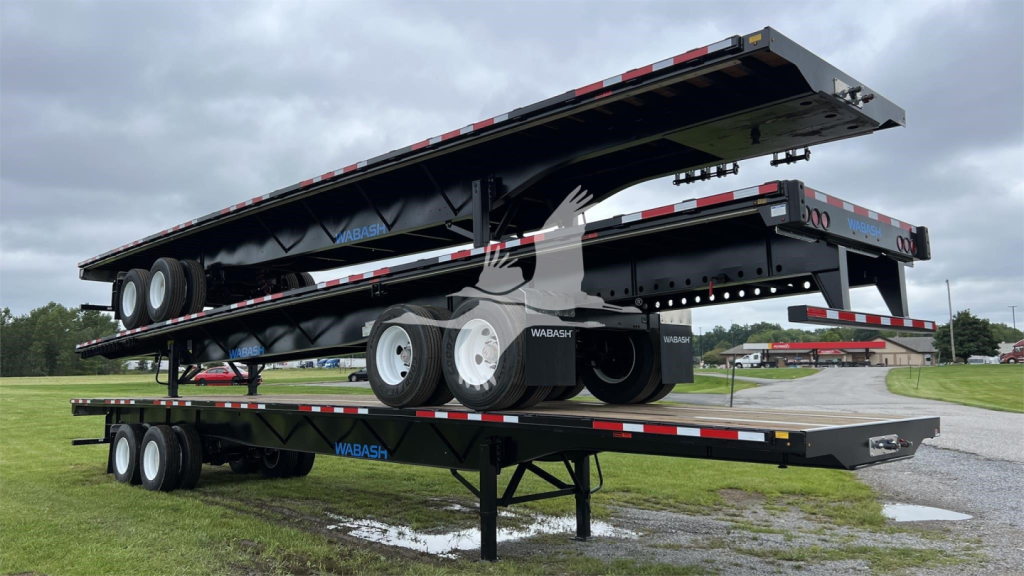
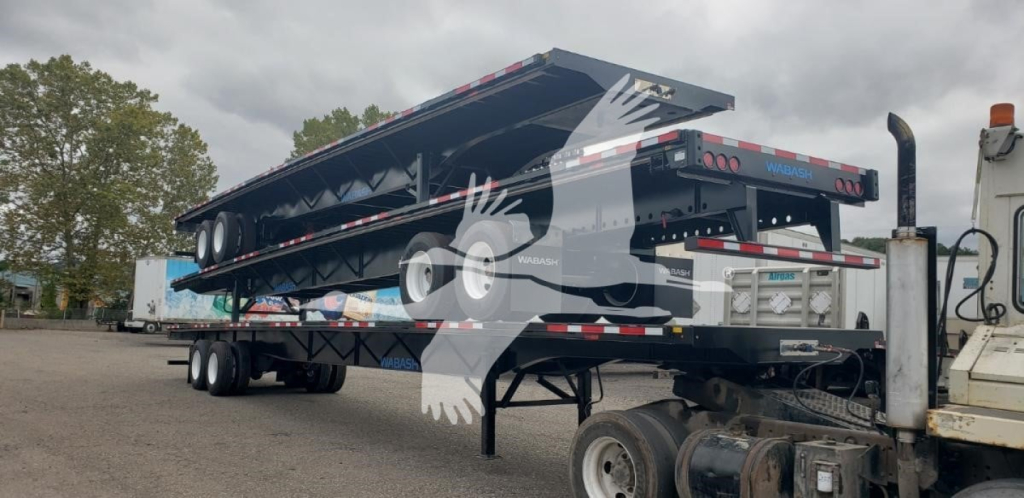
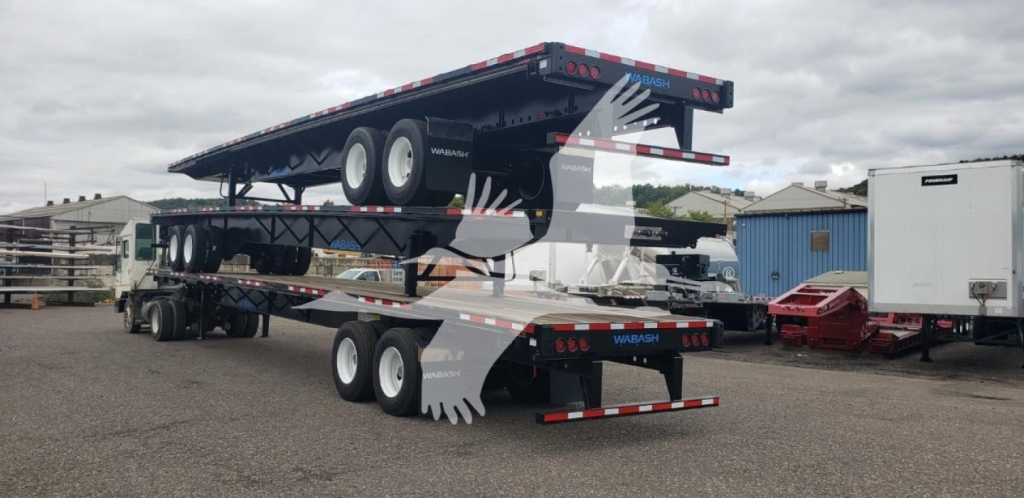
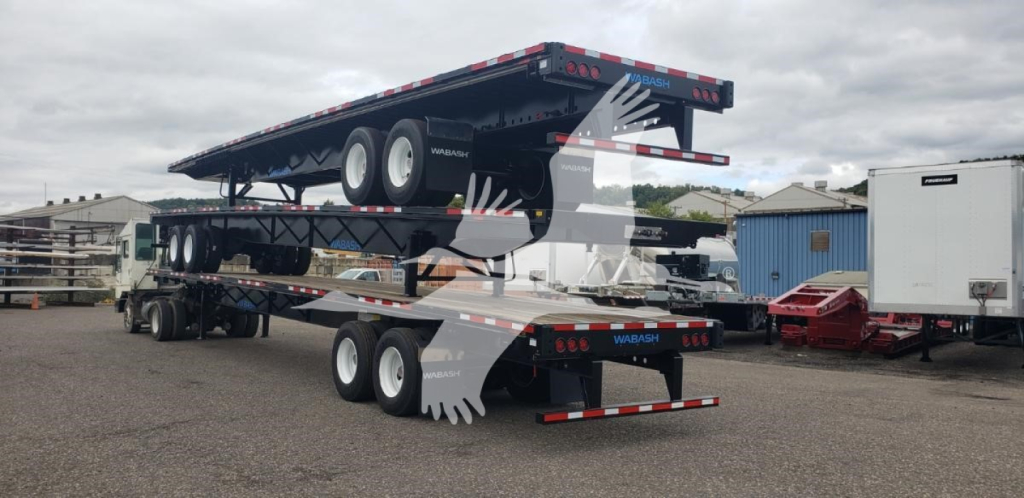
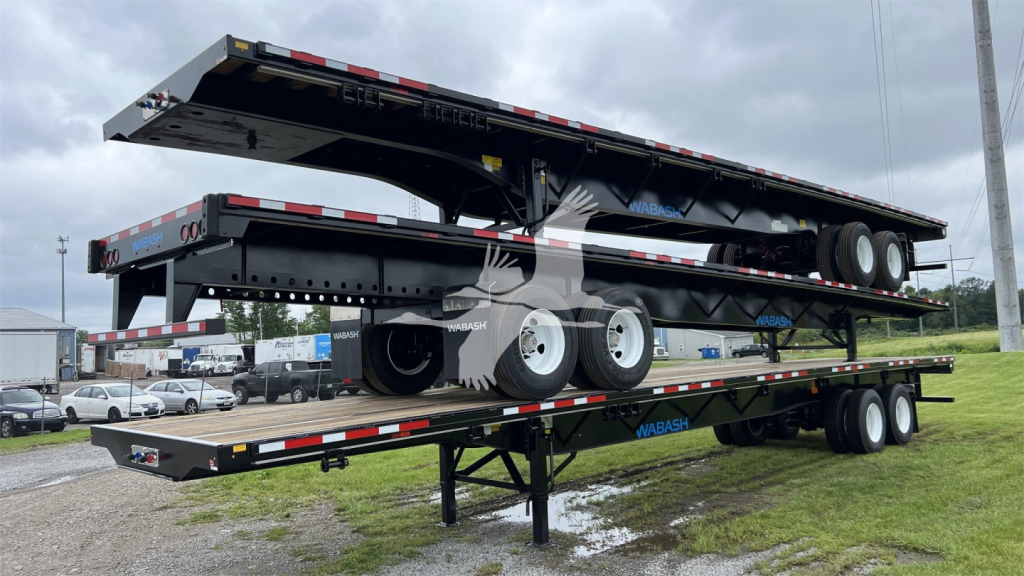
Selling a 2024 wabash flatbed trailer? List your 2024 wabash flatbed trailer for sale and reach thousands of commercial buyers.
2024 Wabash Flatbed Trailers
One of the first decisions is suspension and tandem configuration. Many late-model Wabash flatbeds are set up as slider tandems, often with a 49-inch spread, to help with bridge-law compliance and axle adjustment across different load profiles. Air ride suspensions such as Hendrickson Intraax are common when ride quality and cargo protection are priorities, while spring ride setups still appeal to buyers who want mechanical simplicity and lower maintenance complexity. Kingpin settings around 30 inches, standard two-axle layouts, and 22.5-inch rubber are typical in this class, so fitment with a standard highway tractor is straightforward.
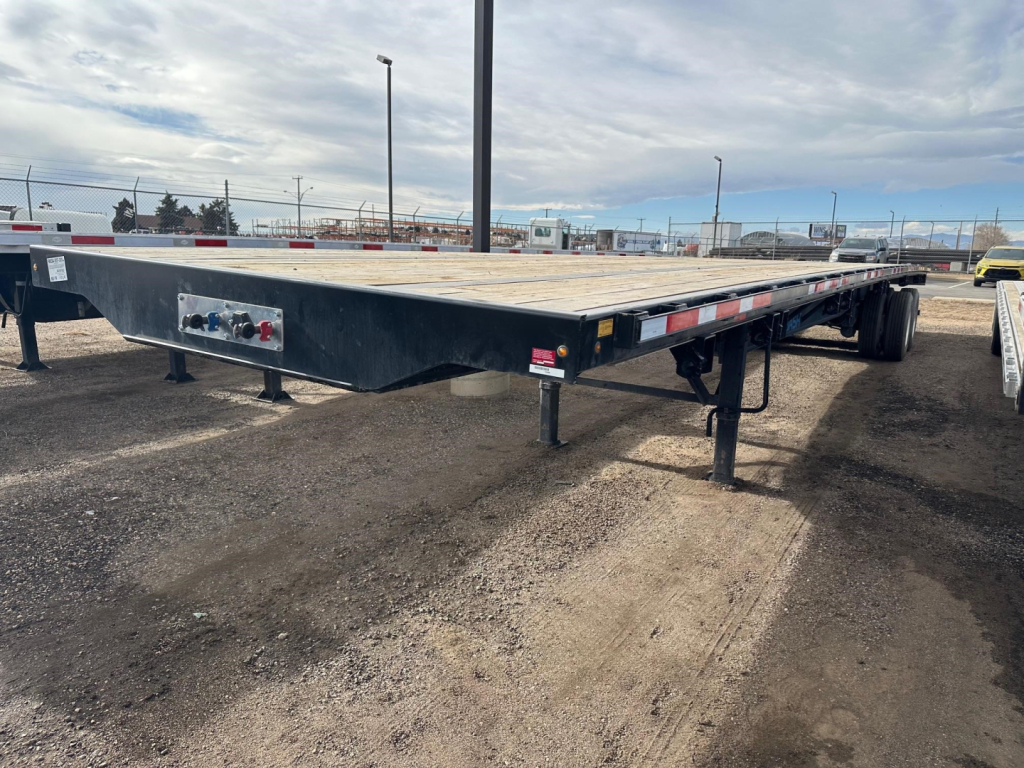
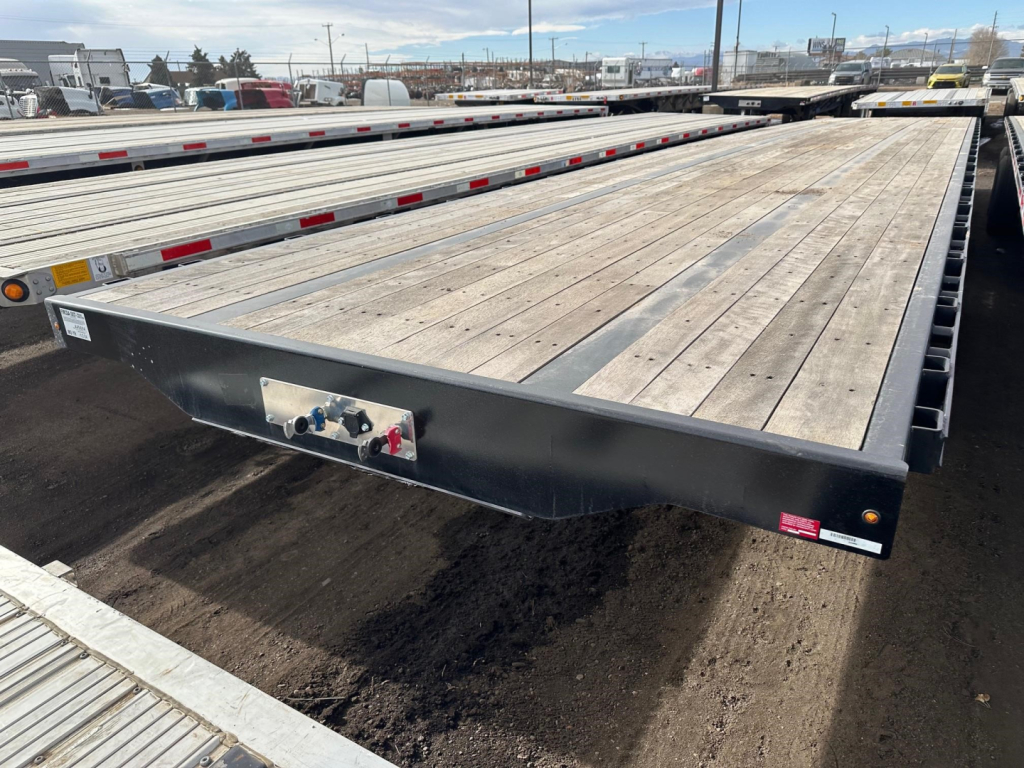
Deck and securement details are what separate one flatbed spec from another. A 1 1/8-inch Apitong floor is common on 2024 Wabash trailers because it stands up well to concentrated forklift traffic and repeated loading cycles. Buyers should look closely at crossmember spacing, beam ratings, side rail condition, stake pockets, pipe spools, and winch package. Many Wabash steel flats in this year range are equipped with roadside winch tracks, sliding winches, and double pipe spools, which makes them versatile for coil racks, straps, chains, and mixed construction freight. LED lighting, Jost two-speed landing gear, ICC bumpers, and steel wheels are also common practical specs that matter in daily use.
For buyers comparing 2024 Wabash flatbeds against other open-deck trailers, the key questions are empty weight, beam capacity, deck length, and how the trailer matches the freight mix. A 48-foot steel flatbed is often the better fit for regional building products, pipe, and jobsite deliveries where maneuverability matters. A 53-foot flatbed adds deck space for lighter but longer freight and can be attractive for shippers trying to maximize linear feet. If the trailer will regularly haul dense commodities, pay attention to tare weight and rated capacity, especially where a 55,000-pound-in-4-feet beam rating is part of the spec. Wabash flatbeds, also known simply as open-deck trailers or platform trailers, are popular because they stay close to proven fleet specifications and are easy to integrate into general freight operations.
Frequently Asked Questions about 2024 Wabash Flatbed Trailers
What are the most common specs on a 2024 Wabash flatbed trailer?
Common specs in this category include 48-foot or 53-foot overall length, 102-inch width, steel frame construction, 1 1/8-inch Apitong wood flooring, tandem axles, and slider suspension setups. Many are equipped with roadside winch tracks, sliding winches, stake pockets, pipe spools, LED lighting, steel wheels, and Jost two-speed landing gear. Air ride and spring ride configurations are both common, depending on the intended freight and maintenance preference.
Is air ride or spring ride better on a Wabash flatbed?
Air ride is usually preferred when cargo protection, ride quality, and reduced shock transfer matter, especially for higher-value building products, machinery, or freight that is sensitive to vibration. Spring ride remains a solid choice for fleets and owner-operators who want a simpler suspension with fewer air system components to maintain. The better choice depends on the lanes, the type of freight, and how much value you place on ride quality versus mechanical simplicity.
Why is Apitong flooring commonly used on flatbed trailers?
Apitong is widely used because it handles forklift traffic, concentrated load points, and repeated loading cycles better than many softer wood alternatives. It also provides good durability for construction freight, palletized materials, and general open-deck use. On a flatbed, deck condition affects both service life and securement reliability, so an Apitong floor is often a practical feature for buyers who expect hard daily use.
What is the advantage of a slider tandem on a flatbed trailer?
A slider tandem allows the axle group to be repositioned to help with bridge-law compliance, weight distribution, and compatibility with different load lengths. This is useful when the same trailer may handle dense freight on one trip and longer or lighter freight on the next. For many buyers, a spread slider setup adds flexibility and can make dispatch easier across multiple shippers and state routes.
Should I choose a 48-foot or 53-foot Wabash flatbed?
A 48-foot flatbed is a common choice for dense freight, regional hauling, and applications where maneuverability is important at jobsites or tight delivery points. A 53-foot flatbed gives more deck length for longer or lighter freight and can improve loading flexibility when linear space is more important than payload. The right length depends on your typical commodity, route restrictions, and how often you need extra deck space versus lower tare weight.