
2024 Hopper Trailers For Sale in Colorado
Shop 2024 hopper trailers for grain and bulk ag hauling. Compare side height, hopper setup, tarp, suspension, tires, and weight-saving specs.
Selling a 2024 hopper trailer? List your 2024 hopper trailer for sale and reach thousands of commercial buyers.
2024 Hopper Trailers in Colorado
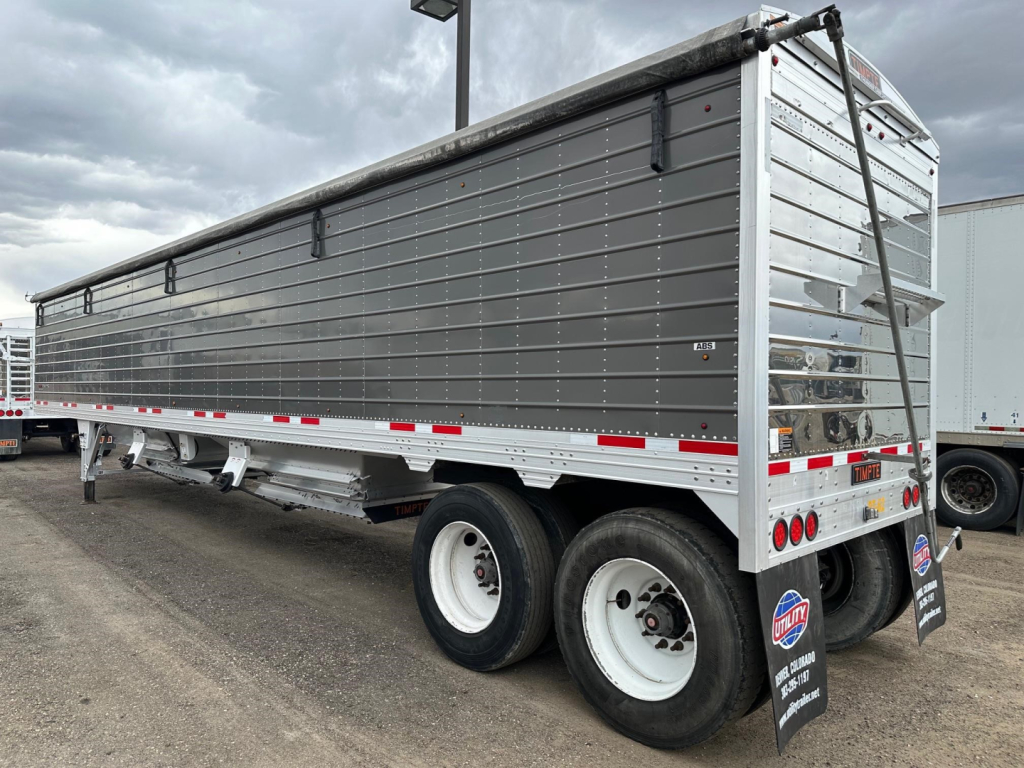
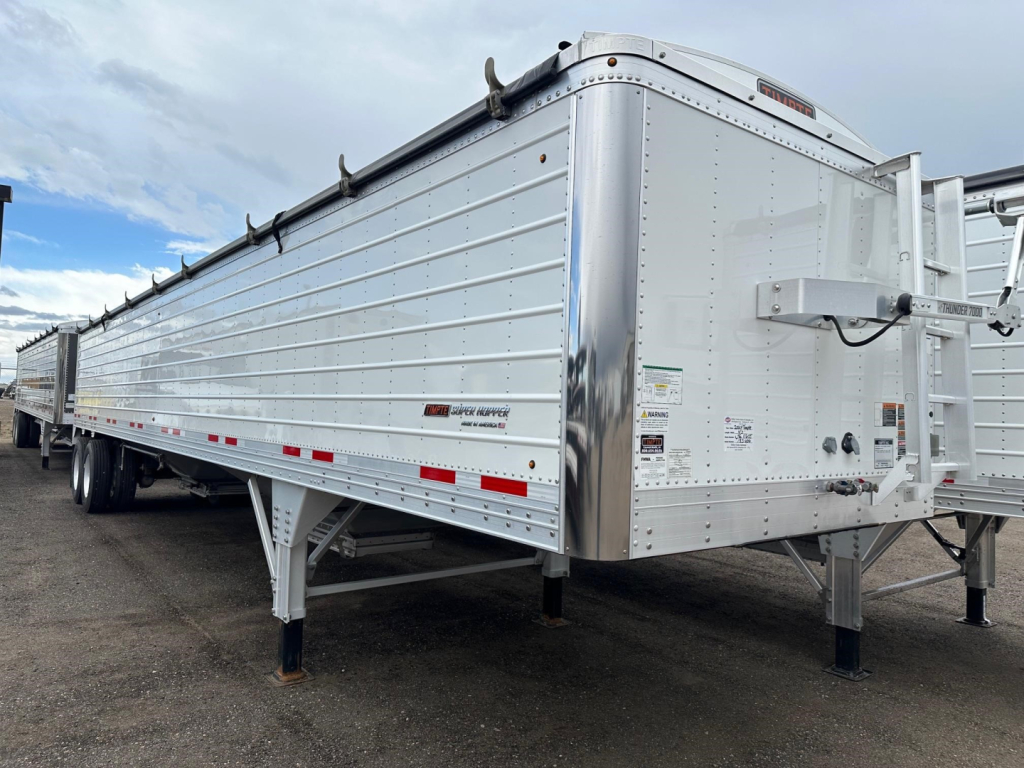
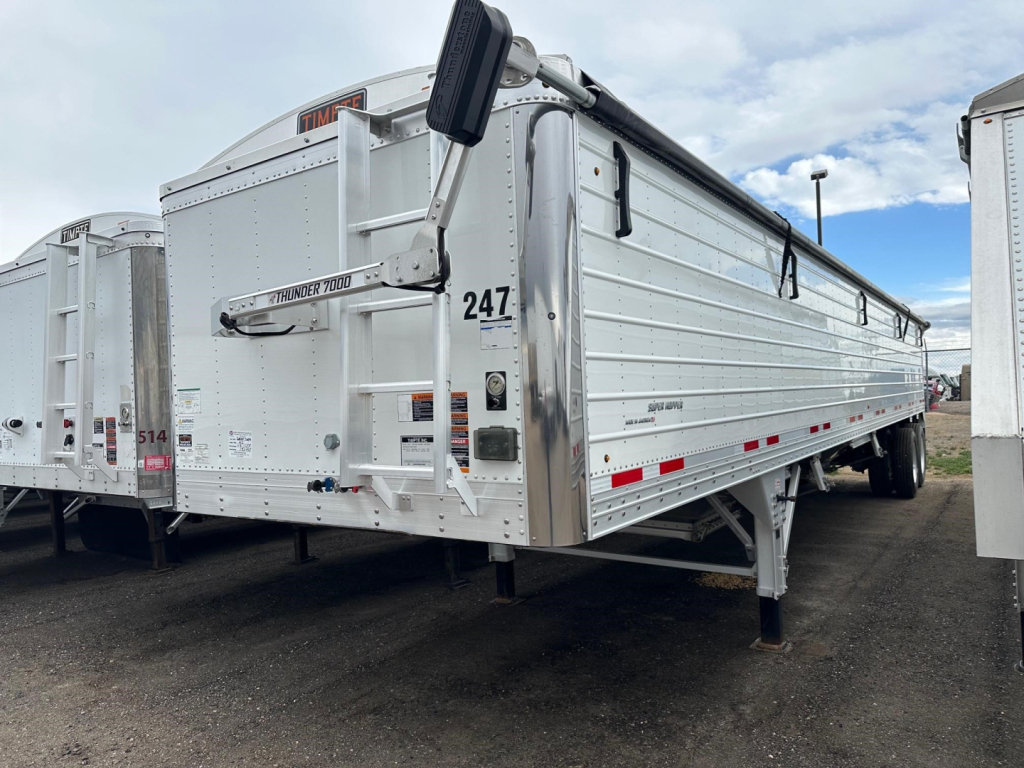
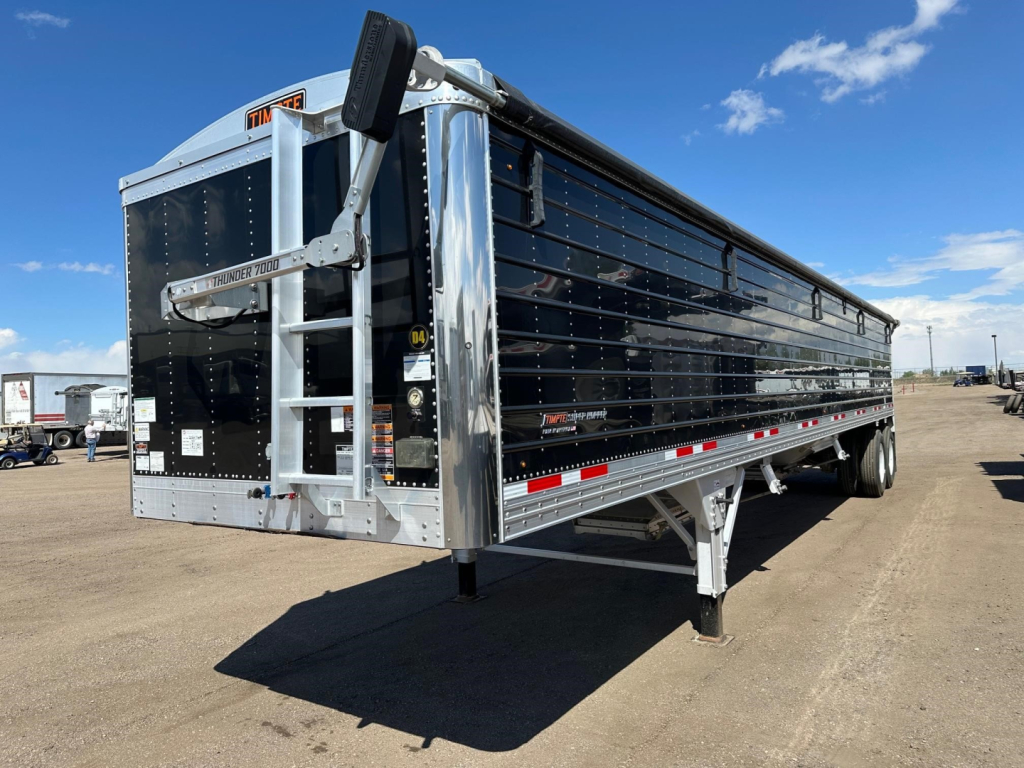
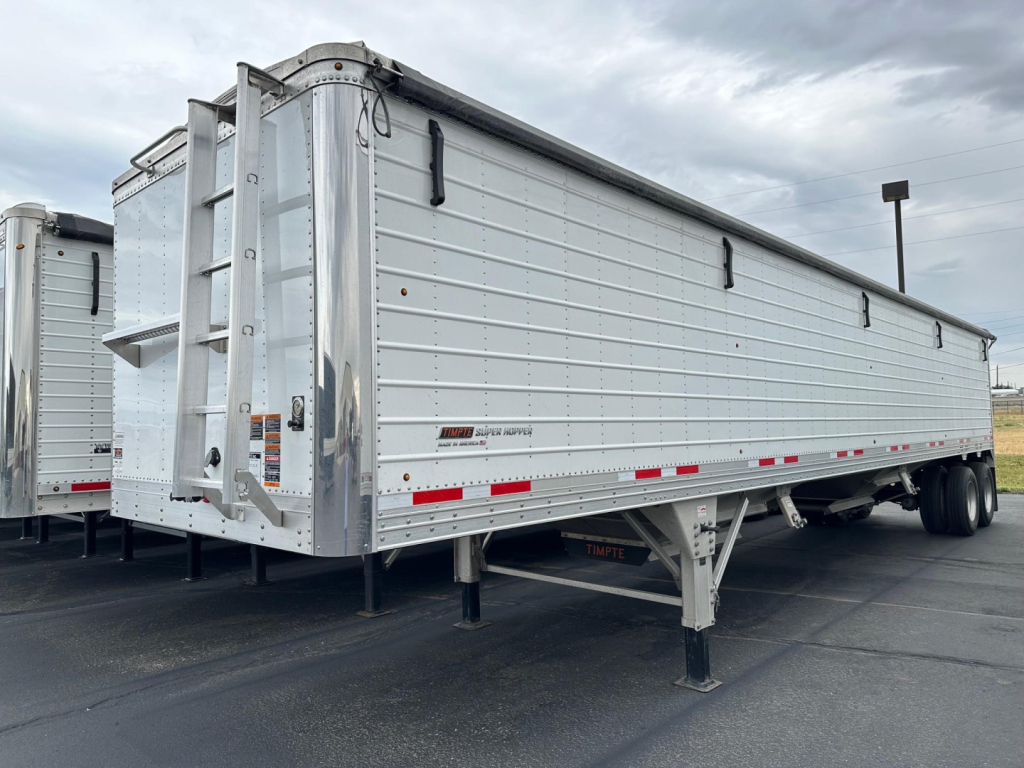
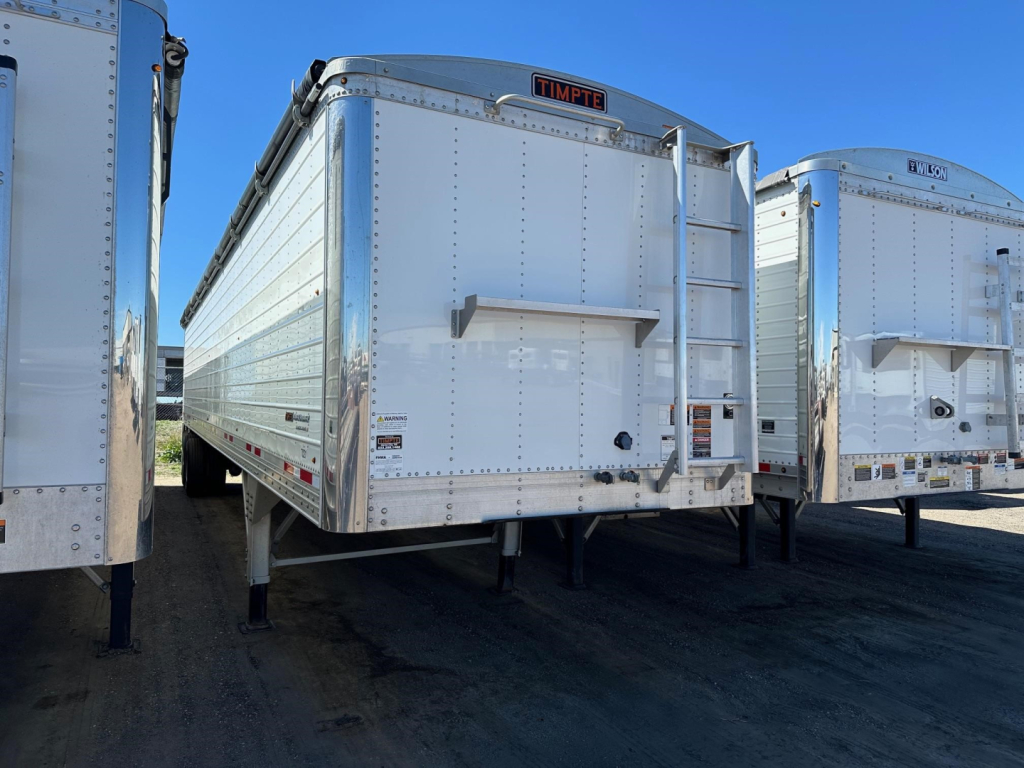
Side height is one of the first spec decisions to make because it directly affects cubic capacity and commodity fit. A 66-inch side trailer may suit denser products and operators focused on staying legal by weight before cubing out, while 72-inch to 74-inch sides can make more sense for lighter commodities that need extra volume. Aluminum construction remains the standard because it helps maximize payload and resists corrosion, while corrugated side panels add strength without excessive weight. Stainless steel front corners and rear panels are common wear-point upgrades, especially for operations that want better durability around impact and abrasion areas.
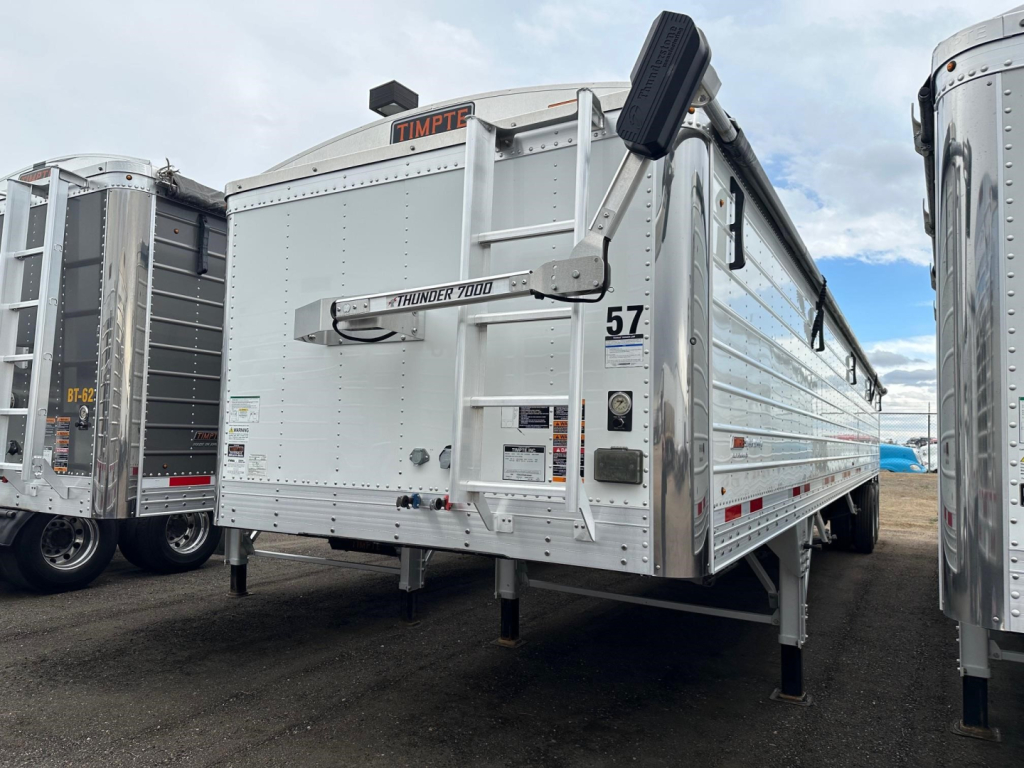
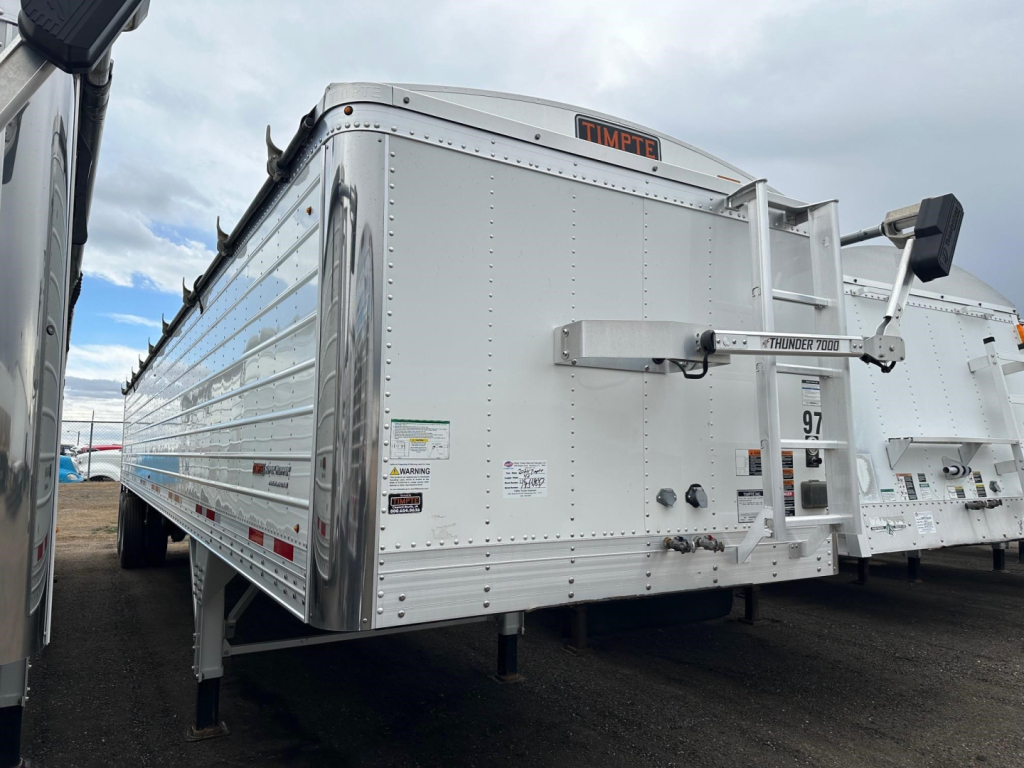
Buyers should also pay close attention to unload components and daily-use features. Two ag hoppers with dependable trap assemblies are standard on many grain specs, and details like manual or air-operated dump valves, load gauges, trap work lights, front and rear ladders, and catwalk access can make a real difference during harvest and after-dark unloading. Tarp choice matters more than many first-time buyers expect. Electric rollover tarps save time and reduce driver effort on frequent loading cycles, while manual tarps keep the spec simple and lower initial cost. Air ride suspension is common on newer hopper trailers because it protects cargo, helps ride quality, and remains a preferred setup for many grain haulers. Tire inflation systems, aluminum wheels, and common rubber sizes such as 11R22.5 or 11R24.5 are also worth comparing because they affect maintenance planning, roadside service availability, and overall operating cost.
A newer hopper trailer buyer should look beyond model year and focus on how the trailer is configured for the intended commodity and lane. Closed tandem layouts, lighting packages, ladder placement, rear frame design, and scale gauge options all influence day-to-day usability. For operators running seasonal agricultural freight in Colorado and surrounding states, a well-spec'd 2024 hopper trailer can offer the capacity and durability of a late-model grain trailer with fewer compromises on weight, access, and unload efficiency. Hopper trailers are also commonly referred to as grain trailers or grain hopper trailers, but the best choice always comes down to commodity density, elevator requirements, road conditions, and how quickly the trailer needs to load, cover, haul, and dump.
Frequently Asked Questions about 2024 Hopper Trailers in Colorado
What is the most common size for a 2024 hopper trailer?
A very common spec in the current market is a 42-foot by 96-inch aluminum hopper trailer with tandem axles and two ag hoppers. That size works well for grain and other bulk agricultural commodities because it balances cubic capacity, payload potential, and maneuverability. Many buyers also compare side heights such as 66, 72, or 74 inches because the right sidewall height depends on whether the operation typically hauls dense products or lighter commodities that require more volume.
How do I choose between 66-inch, 72-inch, and 74-inch sides on a hopper trailer?
The right side height depends on commodity density and how often the trailer cubes out before it hits legal gross weight. Shorter sides are often better for denser commodities because they help avoid carrying unused cubic capacity while keeping the trailer lighter and simpler. Taller sides are typically preferred for lighter grain or bulk products where more cube is needed. Buyers should match side height to their normal commodity mix, legal weight targets, and elevator loading practices rather than assuming more side height is always better.
Are electric tarps worth it on a grain hopper trailer?
Electric rollover tarps are worth serious consideration for operations with frequent loading, multiple stops, or drivers who need to cover loads quickly in changing weather. They reduce physical effort and can speed up the load-to-road cycle. Manual tarps still have value because they are simpler and can lower purchase cost, but they usually require more driver time and effort. The best choice depends on annual load count, driver preference, and how important fast, repeatable tarp operation is to the fleet.
What suspension and tire features should buyers look for on a 2024 hopper trailer?
Air ride suspension is a common and desirable spec because it improves ride quality, helps protect cargo, and is widely accepted in grain hauling applications. Buyers should also review axle layout, wheel material, and tire size, with 11R22.5 and 11R24.5 both appearing regularly in the market. Tire inflation systems can be a useful upgrade because they help maintain proper pressure, reduce irregular wear, and limit roadside downtime. These details matter because hopper trailers often run long seasonal hours under heavy loads and on mixed road surfaces.
What features matter most for unloading efficiency on a hopper trailer?
Unloading efficiency usually comes down to hopper design, trap operation, access, and visibility. Two ag hoppers with well-maintained trap assemblies are standard for fast commodity flow, but buyers should also consider dump valve type, load gauges, trap work lights, and ladder or catwalk setup. Stainless steel wear areas can improve durability in high-contact spots, and a practical rear and side access layout can make inspections and unloading safer. Small spec differences in these areas can have a noticeable impact on turnaround time during harvest and peak hauling periods.