
2024 Utility Trailers For Sale in Colorado
Browse 2024 Utility trailers for sale, including dry vans, reefers, and flatbeds with proven specs for freight, cold chain, and deck work.
Selling a 2024 utility trailer? List your 2024 utility trailer for sale and reach thousands of commercial buyers.
2024 Utility Trailers in Colorado
For dry van work, Utility trailers are often spec'd in 53-foot by 102-inch configurations with air ride suspensions, sliding tandems, side skirts, LED lighting, and logistics posts on close centers for flexible load securement. Buyers hauling packaged freight, retail, beverage, or general LTL typically look at floor construction, wall lining durability, rear frame strength, and aerodynamic options. Features such as anti-dock-walk systems, tire inflation systems, low-profile 22.5 tires, and heavy-duty threshold plates can matter in high-cycle dock operations. If cargo damage prevention is a priority, pay attention to wall construction, floor fastening pattern, wearband spec, and door hardware longevity.
On reefer trailers, the trailer body and the refrigeration unit need to be evaluated as one package. Common Utility reefer specs include aluminum duct floors, rear swing doors, air ride sliders, stainless front corners, and insulated wall and roof structures designed for temperature control and washout durability. Buyers should compare reefer unit brand, engine hours, maintenance records, chute configuration, floor condition, and door seal integrity. In Colorado and other western states, reefer buyers often put extra emphasis on unit pull-down performance, fuel efficiency at elevation, and the condition of air chutes and duct floors when running produce, frozen freight, dairy, or multi-stop distribution.
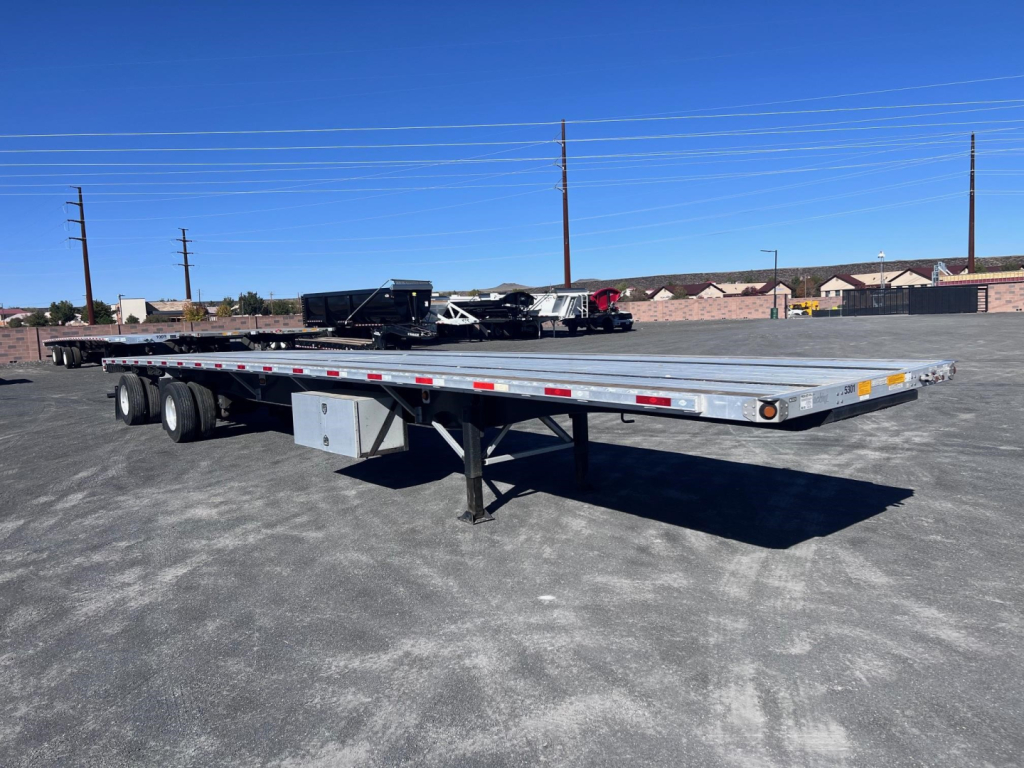
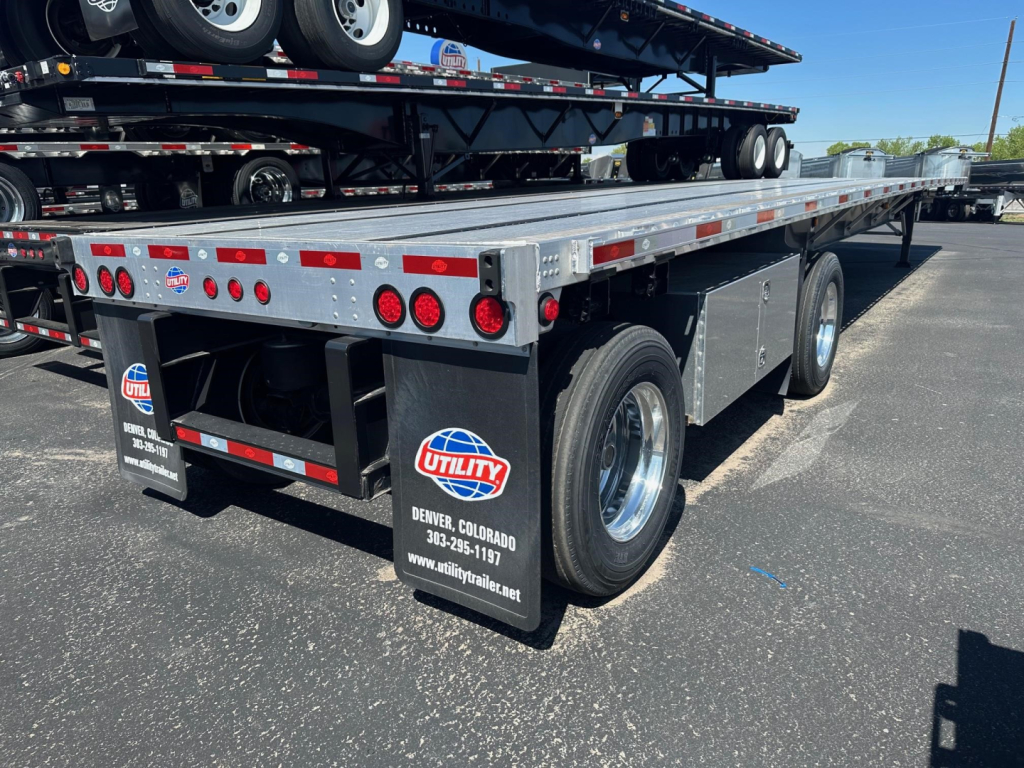
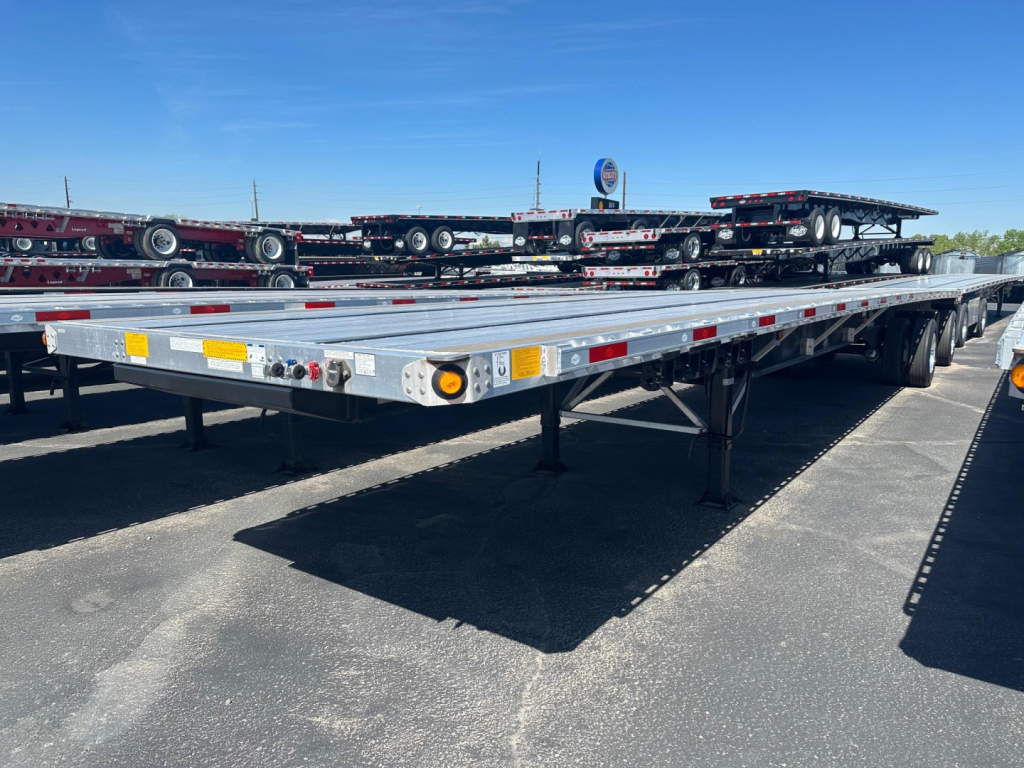
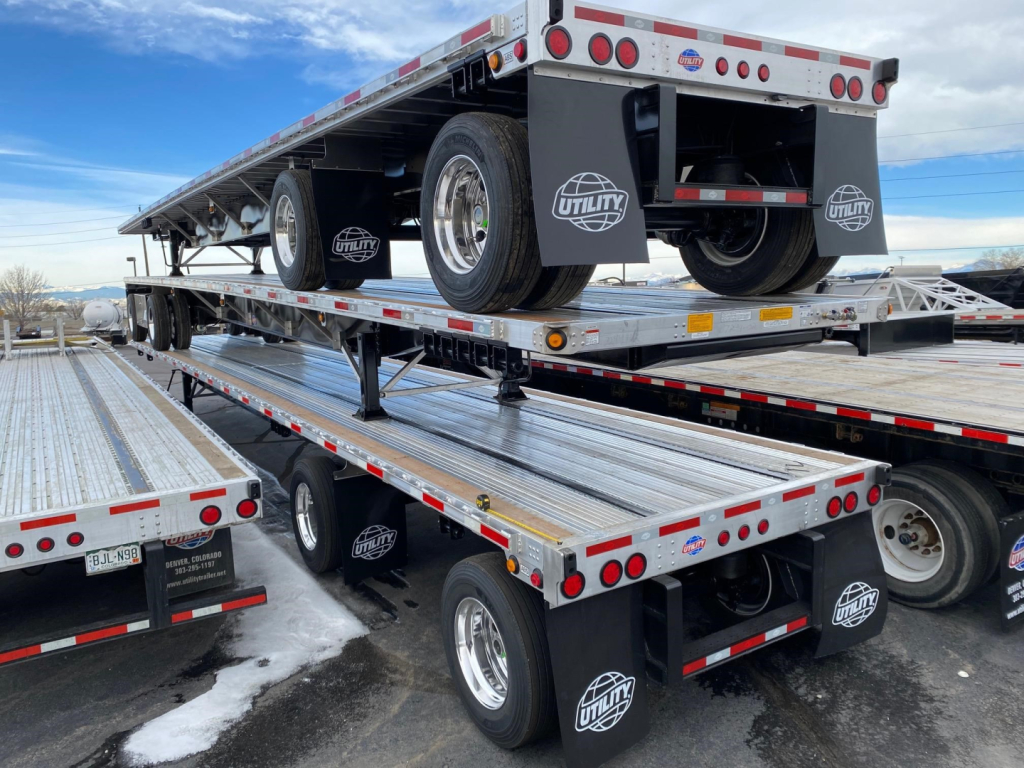
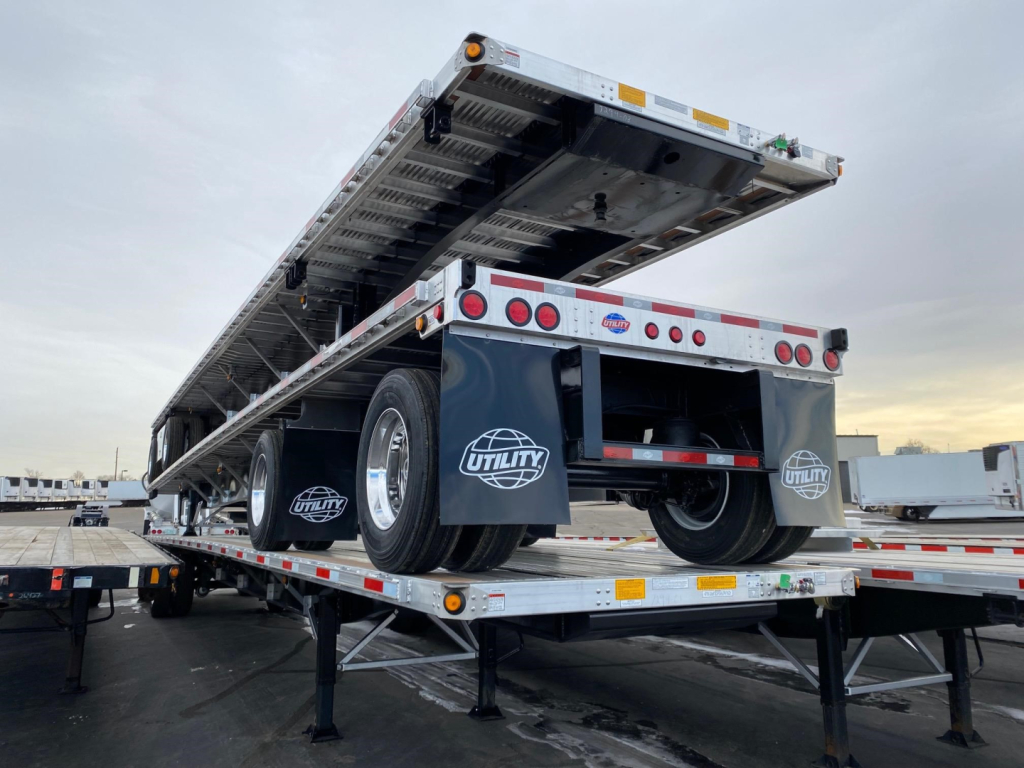
Utility flatbeds, including combo and all-steel designs, are typically chosen based on freight density, securement needs, and tare weight targets. A combo flatbed with aluminum components can help maximize payload, while a steel flatbed may suit tougher jobsite use and repeated concentrated loads. Common specs include stake pockets, sliding winches, winch tracks, pipe spools, coil package options, apitong or aluminum decking, and fixed spread or sliding tandem setups. Buyers hauling steel, machinery, building products, or palletized freight should look closely at deck condition, crossmember spacing, kingpin setting, suspension type, and how the securement package matches the freight mix.
Frequently Asked Questions about 2024 Utility Trailers in Colorado
What types of Utility trailers are most common in the 2024 model year?
The most common 2024 Utility trailer categories are dry vans, refrigerated trailers, and flatbeds. Dry vans are used for general freight and high-volume dock loading, reefers are built for temperature-controlled cargo, and flatbeds are used for open-deck freight such as steel, machinery, and construction materials. Each category has different priority specs, so buyers should match the trailer design to the freight and operating region rather than shop by brand name alone.
What should I look for on a 2024 Utility reefer trailer?
Focus on the condition and specification of both the trailer and the refrigeration unit. Important checkpoints include reefer unit brand and hours, maintenance history, floor and chute condition, door seals, insulation integrity, suspension type, and tandem slider operation. If the trailer will run in mountain states or high ambient conditions, reefer performance under load and at elevation becomes especially important.
Are Utility flatbeds better in combo or steel construction?
It depends on the work. A combo flatbed uses aluminum components with steel in key structural areas, which helps reduce tare weight and increase payload. A steel flatbed usually weighs more but can be a strong fit for severe-duty work, repeated forklift traffic, and concentrated loads. The better choice comes down to the freight profile, expected abuse level, and whether payload or long-term structural ruggedness matters more in the operation.
Why do sliding tandems and air ride matter on Utility trailers?
Sliding tandems help with bridge law compliance, axle weight distribution, and loading flexibility across different freight types and states. Air ride suspension helps protect cargo, improves ride quality, and is often preferred for higher-value or damage-sensitive freight. For many highway applications, the combination of air ride and a tandem slider gives the trailer more operational flexibility and broader shipper acceptance.
What trailer specs matter most for Colorado operations?
Colorado buyers often pay closer attention to brakes, tire condition, suspension health, and aerodynamic efficiency because long grades and changing weather put more stress on equipment. Reefer operators should consider refrigeration performance at elevation and in both hot and cold conditions. Flatbed and van buyers should also think about traction, tire type, and how the tandem setup, payload, and overall weight interact with mountain-route operations.