
2024 Utility Trailers For Sale
Shop 2024 Utility trailers including dry vans and reefers. Compare specs, trailer construction, suspension, axle setups, and cargo applications.
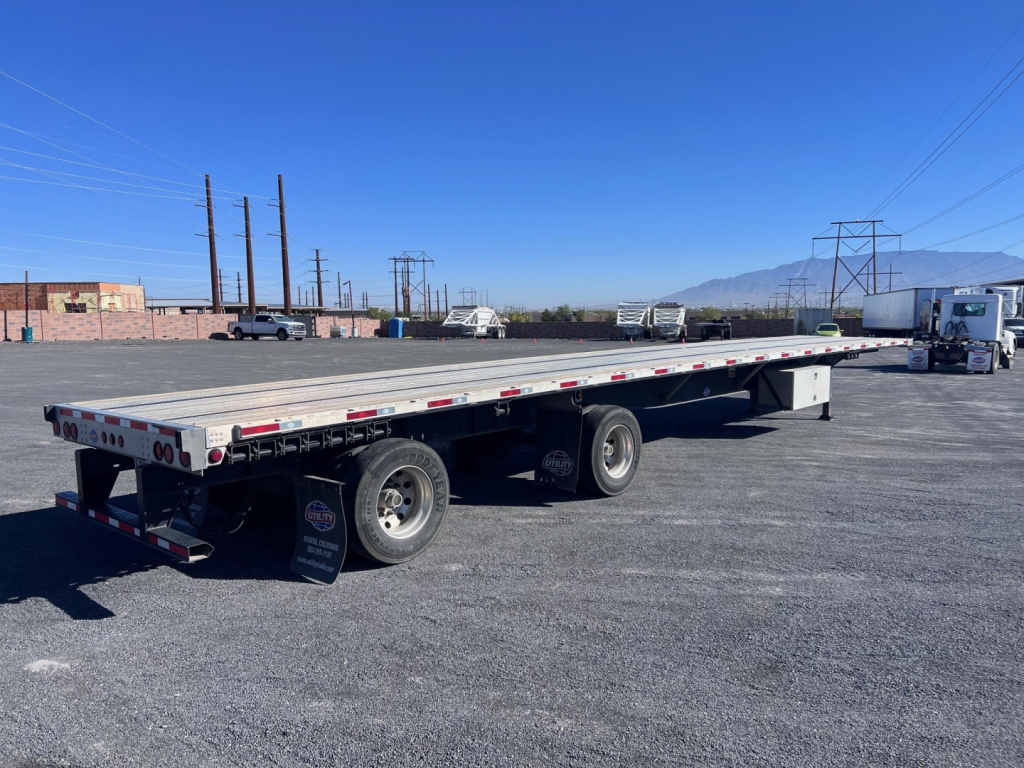
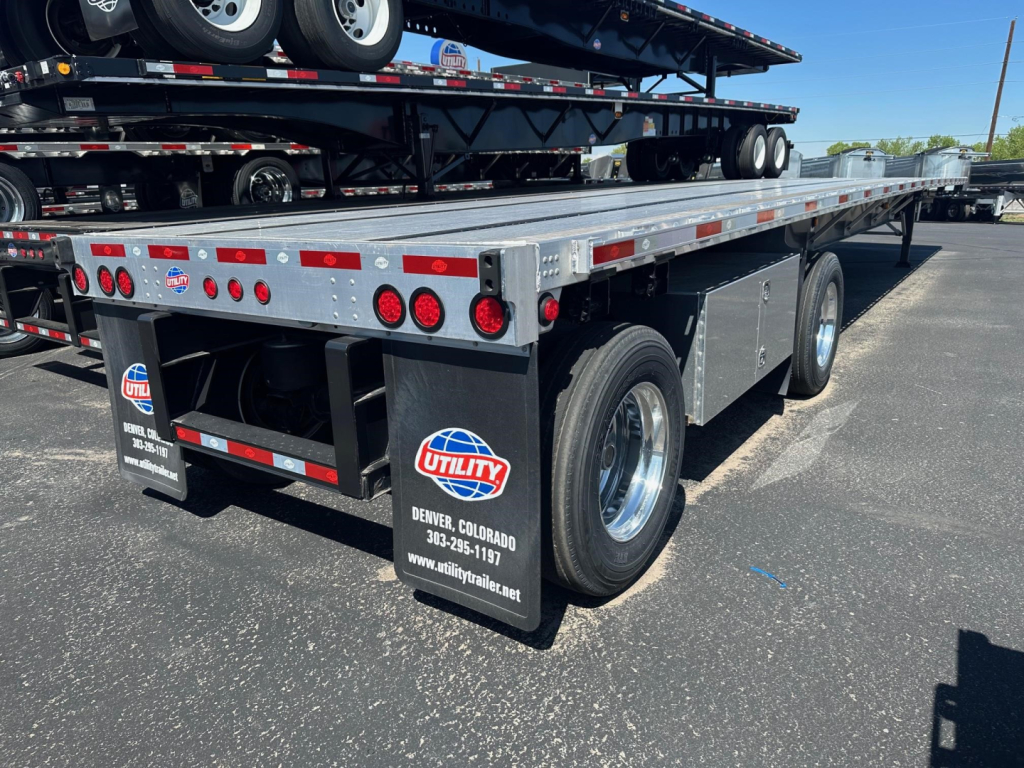
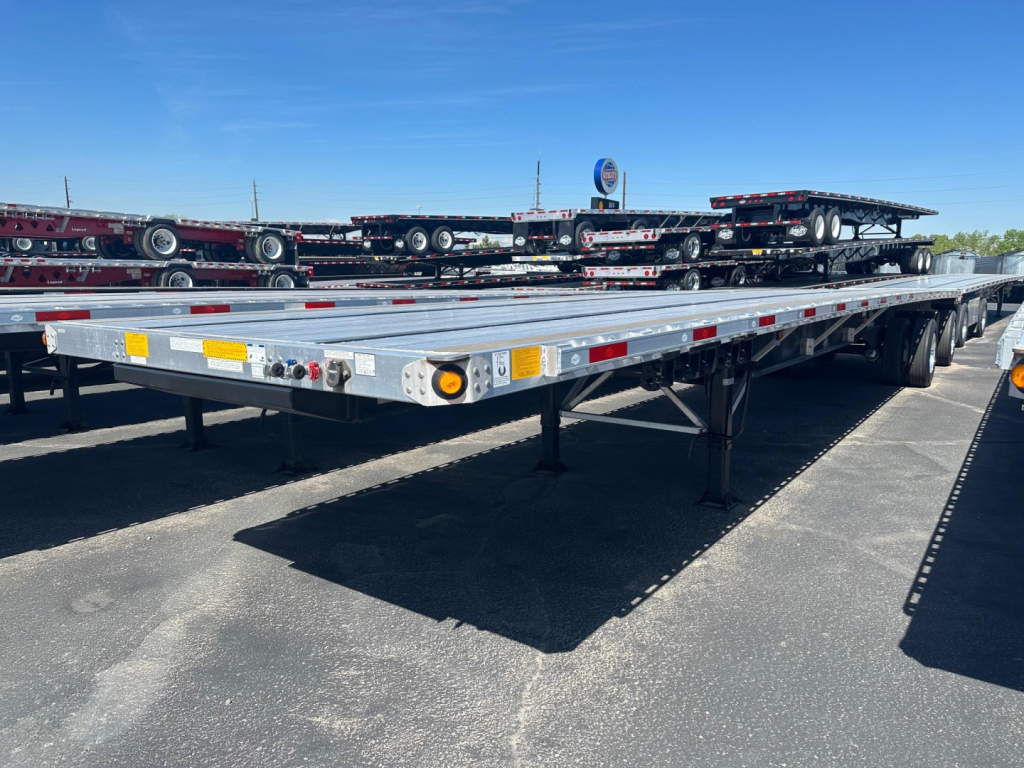
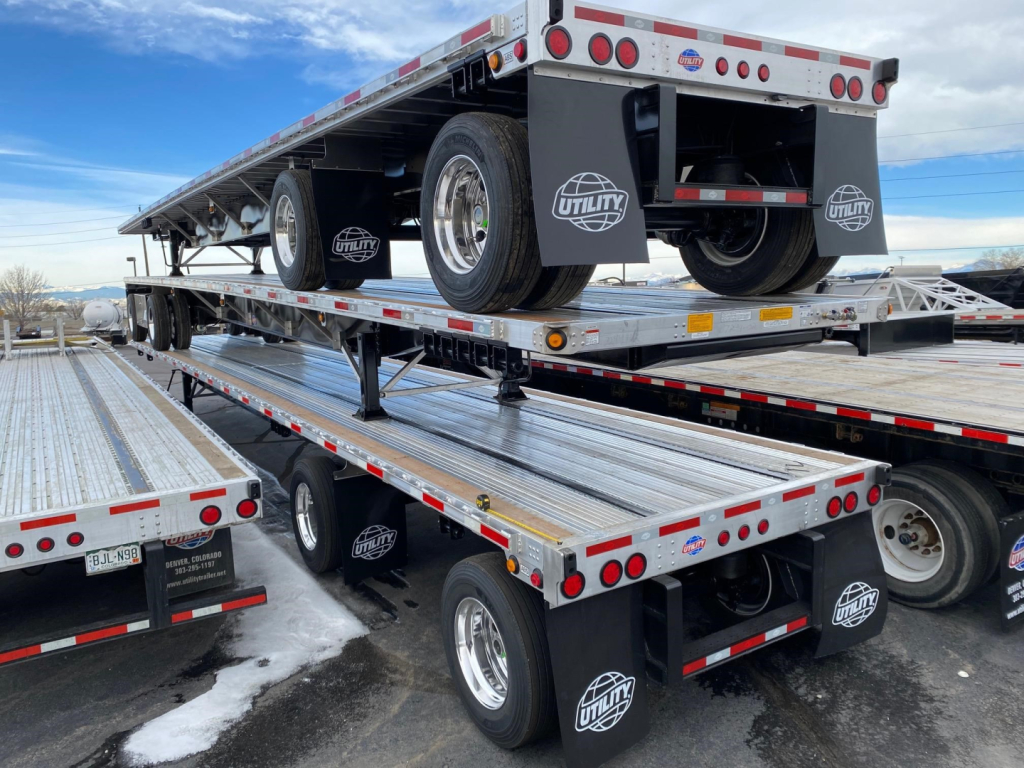
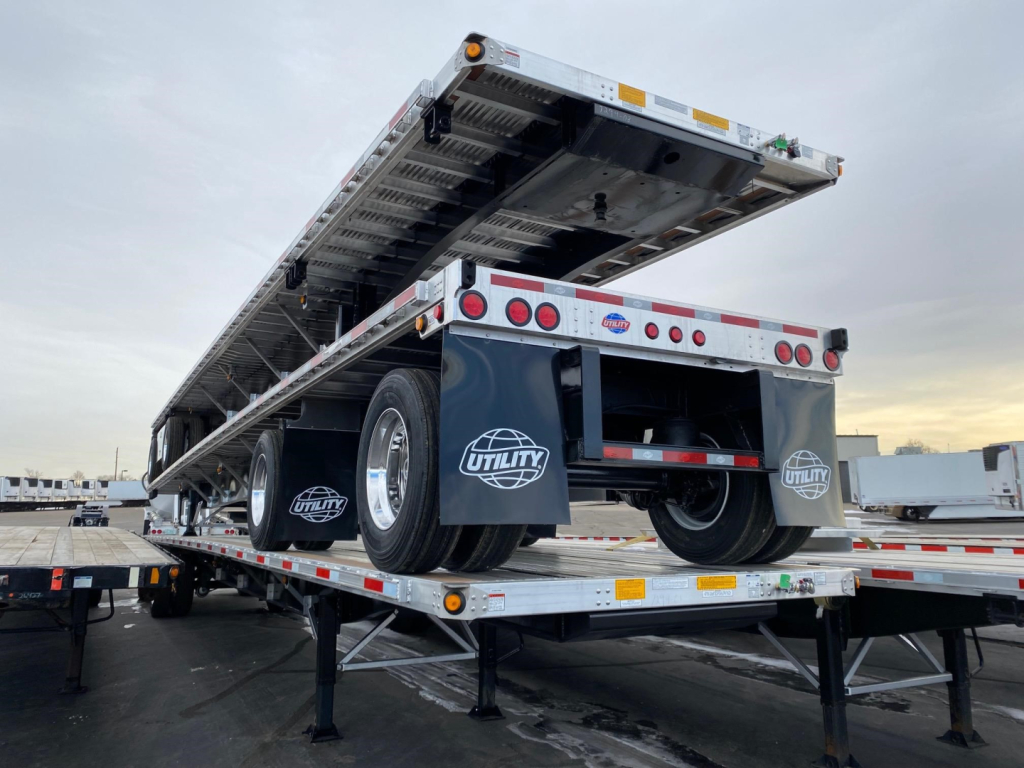

Selling a 2024 utility trailer? List your 2024 utility trailer for sale and reach thousands of commercial buyers.
2024 Utility Trailers
On dry van models, buyers usually compare trailer weight, wall construction, floor rating, roof design, and tandem configuration. Utility composite van trailers are popular because they balance durability with payload efficiency, and many are spec'd with air ride suspension, aluminum wheels, 22.5 low-profile tires, and sliding tandems to help with bridge law compliance and axle adjustment. Interior details matter if the trailer will see heavy dock traffic or mixed freight. Look closely at scuff liners, logistics posts, floor crossmember spacing, rear frame reinforcement, and door hardware. A late-model 2024 van trailer may also include aerodynamic side skirts and other fuel-saving features that add up over long linehaul cycles.
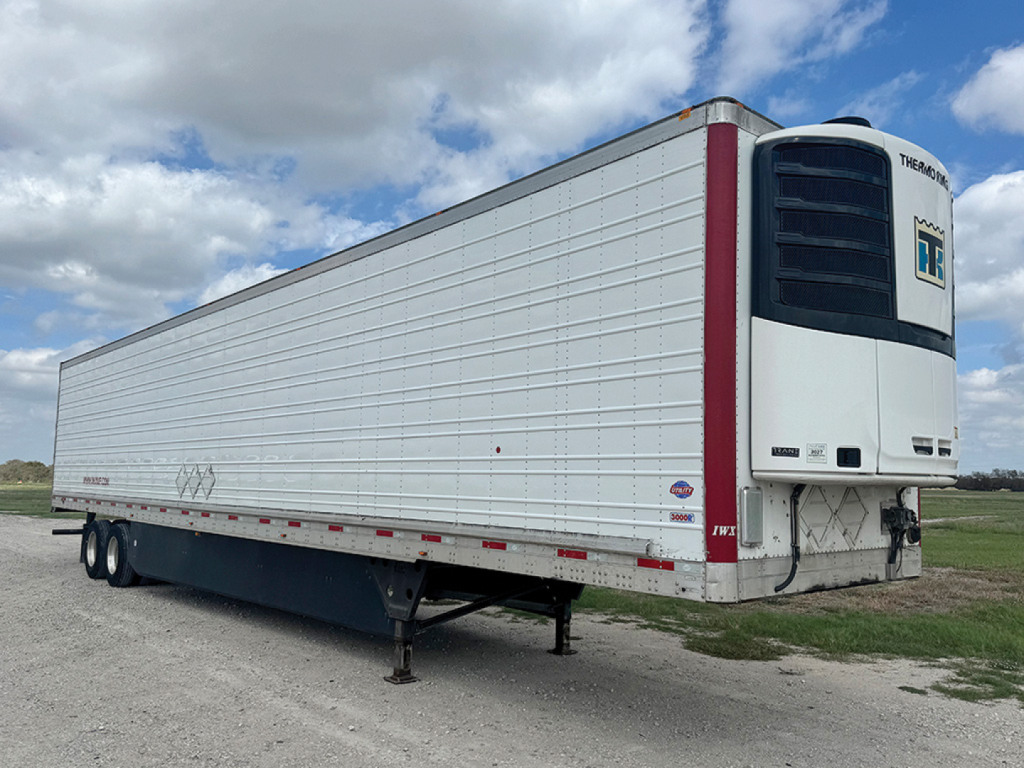
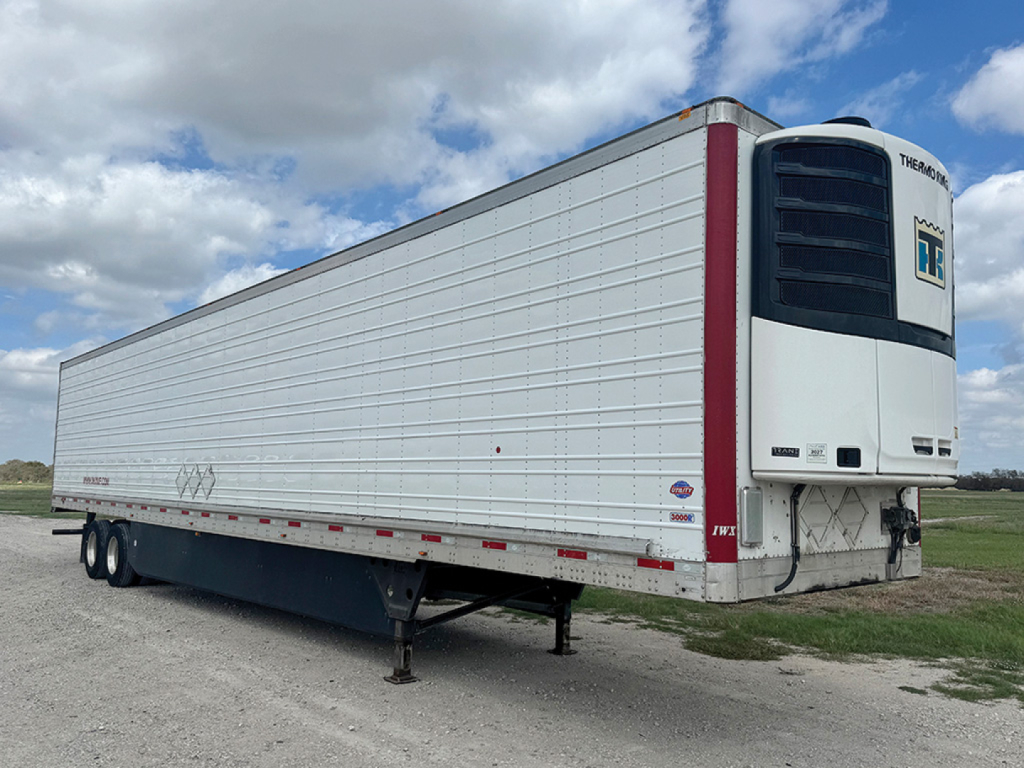
For refrigerated service, Utility reefer trailers are commonly chosen for insulation performance, cargo protection, and compatibility with major refrigeration units such as Thermo King or Carrier. Key points to verify include inside height, evaporator configuration, floor type, chute setup, door seal condition, and the reefer unit's hours, maintenance history, and temperature pull-down performance. Buyers running produce, dairy, frozen freight, or multi-stop delivery should also pay attention to air circulation design, bulkhead options, and interior wall condition. Features like stainless steel rear frames, heavy-duty floors, tire inflation systems, and air ride suspension are common on higher-spec reefer trailers intended for demanding regional or over-the-road use.
A 2024 Utility trailer can fit a wide range of operations, from dedicated contract freight to private fleet distribution. The best value comes from matching the trailer spec to the lane and loading pattern, not just the purchase price. A fleet hauling lightweight consumer goods may prioritize cube and low tare weight, while a reefer operation may put more emphasis on insulation, floor durability, and refrigeration uptime. Buyers comparing Utility trailers for sale should focus on body integrity, suspension and brake spec, tandem slider function, tire condition, and any trailer telematics or fuel-efficiency equipment that affects operating cost over the next several years.
Frequently Asked Questions about 2024 Utility Trailers
What types of 2024 Utility trailers are most common?
The most common 2024 Utility trailers on the market are dry van trailers and refrigerated trailers. Dry vans are used for general freight, retail goods, and palletized shipments, while reefers are built for temperature-controlled cargo such as produce, frozen food, and pharmaceuticals. Utility is especially well known for composite dry van construction and reefer platforms used in fleet applications.
What should I inspect first on a used or late-model Utility reefer trailer?
Start with the refrigeration unit, then move to the trailer body. Confirm unit hours, service records, temperature performance, and any recent repairs to the engine, compressor, or controls. After that, inspect insulation integrity, floor wear, door seals, chute condition, interior lining, and signs of moisture intrusion. Tire inflation systems, air ride suspension components, and tandem slider operation should also be checked closely because they affect uptime and operating cost.
Are Utility dry van trailers good for high-mileage fleet service?
Utility dry van trailers are widely used in high-mileage fleet operations because they are designed around durability, weight control, and straightforward serviceability. Composite wall construction, common replacement parts availability, and familiar fleet specifications make them practical for long-haul and regional use. The exact fit depends on floor rating, crossmember spacing, suspension, and how heavily the trailer will be loaded.
What specs matter most when comparing 2024 Utility trailers for sale?
The most important specs depend on the trailer type, but buyers usually compare length, inside height, suspension, axle spacing, tandem slider setup, wheel and tire package, and body construction. On reefers, reefer unit brand and hours are critical. On dry vans, focus more on tare weight, floor strength, wall condition, logistics track, and rear frame durability. Fuel-saving equipment like side skirts can also matter for fleets running long interstate routes.
Do 2024 Utility trailers hold their value well?
Late-model Utility trailers generally hold value well when they have desirable fleet specs, clean body condition, and documented maintenance. Dry vans with standard 53-foot dimensions, sliding tandems, and air ride suspension tend to remain broadly marketable. Reefer trailers can also retain strong value, but resale is tied closely to refrigeration unit age, hours, maintenance history, and the condition of the insulated trailer body.