
2024 Utility Reefer Trailers For Sale
Shop 2024 Utility reefer trailers with specs buyers want: 53-foot insulated vans, air ride, sliding tandems, duct floors, and proven refrigeration setups.
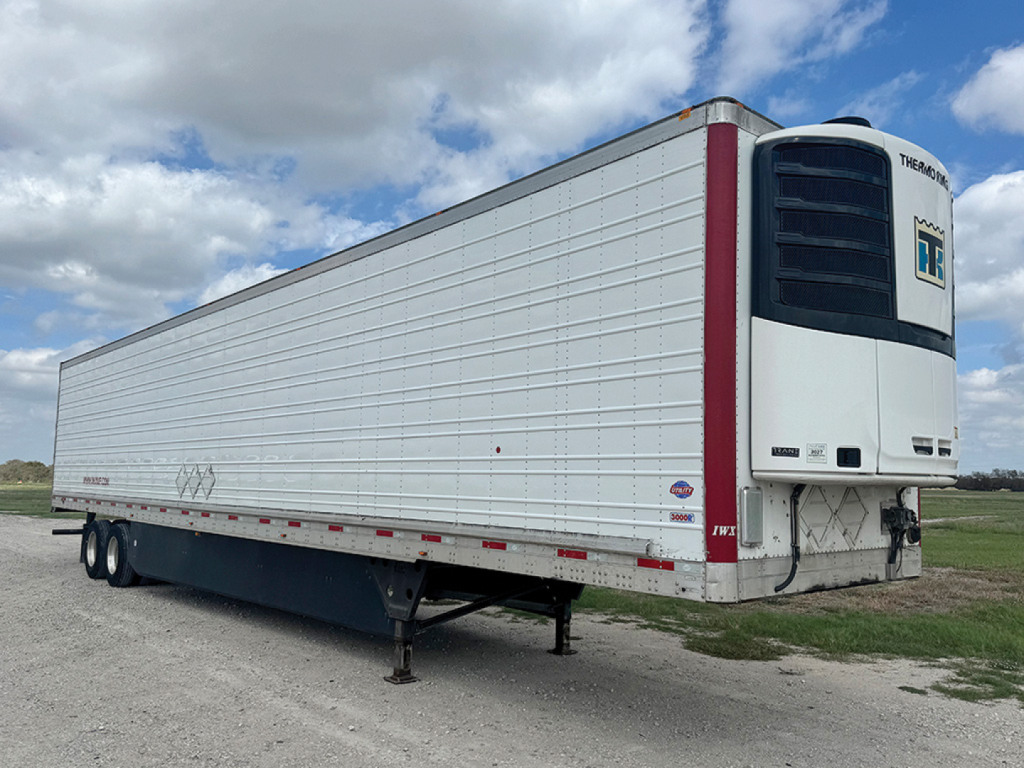
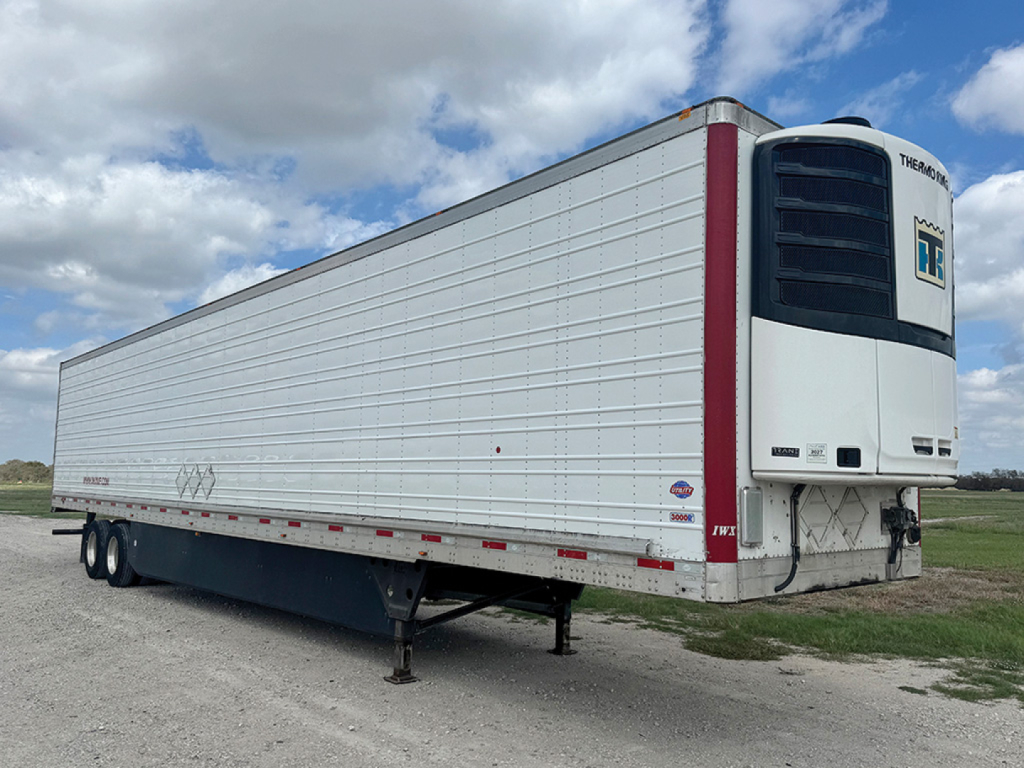

Selling a 2024 utility reefer trailer? List your 2024 utility reefer trailer for sale and reach thousands of commercial buyers.
2024 Utility Reefer Trailers
The spec decisions that matter most usually start with the refrigeration unit and interior airflow package. Carrier and Thermo King units are both common on Utility reefers, and the right choice often comes down to dealer support in your lanes, fuel economy, noise requirements, and emissions compliance in states with tighter rules. Inside the trailer, details like an aluminum duct floor, return air bulkhead, chute, rear vent, and a properly maintained interior liner have a direct effect on temperature recovery and product protection. Buyers should also pay attention to door construction, including quilted stainless rear swing doors, door frame condition, hinge wear, and seal integrity, because a reefer can lose money fast through air leaks and poor pull-down performance.
On the trailer side, Utility reefer specs often include stainless front corners, corrugated side panels, scuff liners or scuff plate protection, wearband height, and stainless rear impact components in higher-duty applications. Suspension and running gear matter more than many first-time reefer buyers expect. Air ride is common for ride quality and cargo protection, while a sliding tandem or closed tandem setup affects bridge law flexibility, turning characteristics, and tire wear. Options such as tire inflation systems, anti-dock walk devices, aluminum outer wheels, low-profile 22.5 tires, and aerodynamic side skirts can improve uptime, safety, and operating cost. If the trailer will spend time in grocery distribution, frequent dock cycles and pallet jack traffic make floor condition, threshold wear, and rear frame integrity especially important.
A 2024 model year Utility reefer trailer can make sense for buyers who want newer insulation, current lighting and ABS configurations, and a trailer body that is still early in its service life. The smartest comparison is not just year and price. It is reefer unit hours, maintenance records, floor and liner condition, suspension spec, California compliance if applicable, and evidence of prior patchwork around the front wall, drain areas, and door frame. For many operations, the best trailer is the one with the right temperature capability, clean airflow path, strong structural condition, and a refrigeration unit supported by service locations where the freight actually runs.
Frequently Asked Questions about 2024 Utility Reefer Trailers
What is the typical configuration of a 2024 Utility reefer trailer?
Most 2024 Utility reefer trailers are 53 feet long, 102 inches wide, and built to a 13-foot 6-inch overall height. Common configurations include tandem axles, air ride suspension, 22.5 low-profile tires, and a sliding tandem or fixed tandem arrangement. Many are built on Utility’s 3000R refrigerated platform with insulated walls, aluminum duct flooring, rear swing doors, and prep for Carrier or Thermo King refrigeration units.
What should I inspect first on a used Utility reefer trailer?
Start with the refrigeration unit hours, service history, and operating performance under load. Then inspect the floor for soft spots or heavy forklift wear, check the interior liner and scuff protection for damage, and look closely at rear door seals, hinges, and frame alignment. Buyers should also inspect the front wall, roof, drains, and lower corners for prior repairs or signs of moisture intrusion, because insulated body damage can be expensive and difficult to correct properly.
Is a Utility reefer trailer good for frozen freight and multi-temp food work?
Utility reefer trailers are widely used in frozen and chilled food service because the platform supports the airflow and insulation features needed for temperature control. Frozen performance depends heavily on the refrigeration unit capacity, insulation condition, door seal integrity, and the presence of components like a chute, duct floor, and return air management. For multi-stop or multi-temp applications, buyers should confirm that the unit spec and trailer interior setup match the freight profile rather than assuming every reefer body is equipped the same way.
Which options add the most value on a Utility reefer?
The most valuable options depend on the operation, but many buyers place a premium on air ride suspension, tire inflation systems, anti-dock walk devices, side skirts, stainless front corners, durable rear doors, and higher-wear interior protection. A strong refrigeration package with good dealer support is usually the biggest value driver. For high-frequency dock operations, floor durability, wearband height, and rear frame condition often matter just as much as cosmetic appearance.
How important is California compliance on a Utility reefer trailer?
California compliance can be critical if the trailer will operate in California or in fleets that cross multiple emissions-regulated markets. Reefer unit model, engine family, and emissions status can affect where and how the trailer can be used. Buyers should verify current CARB-related requirements, unit certification details, and any documentation tied to the refrigeration system before purchase, especially if the trailer will run regional produce, grocery, or port-related lanes.