
Trail King Trailers For Sale in Colorado
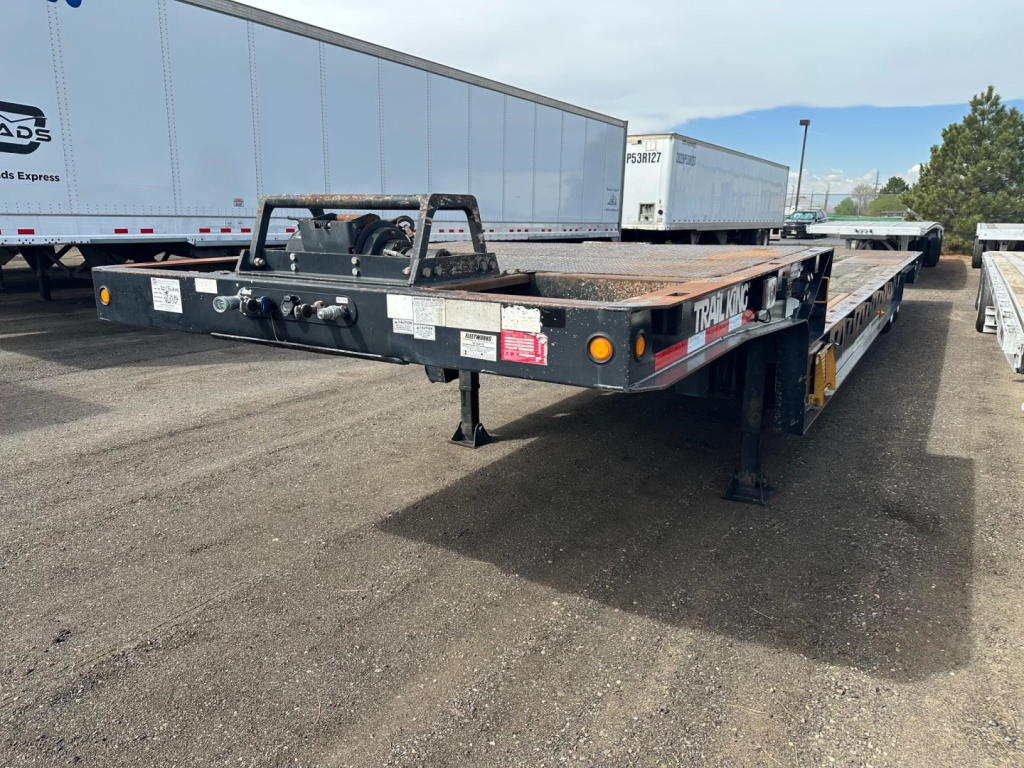
Shop Trail King trailers for sale in Colorado, including lowboy and RGN configurations built for heavy equipment, wide loads, and demanding haul work.
Selling a trail king trailer? List your trail king trailer for sale and reach thousands of commercial buyers.
Trail King Trailers in Colorado
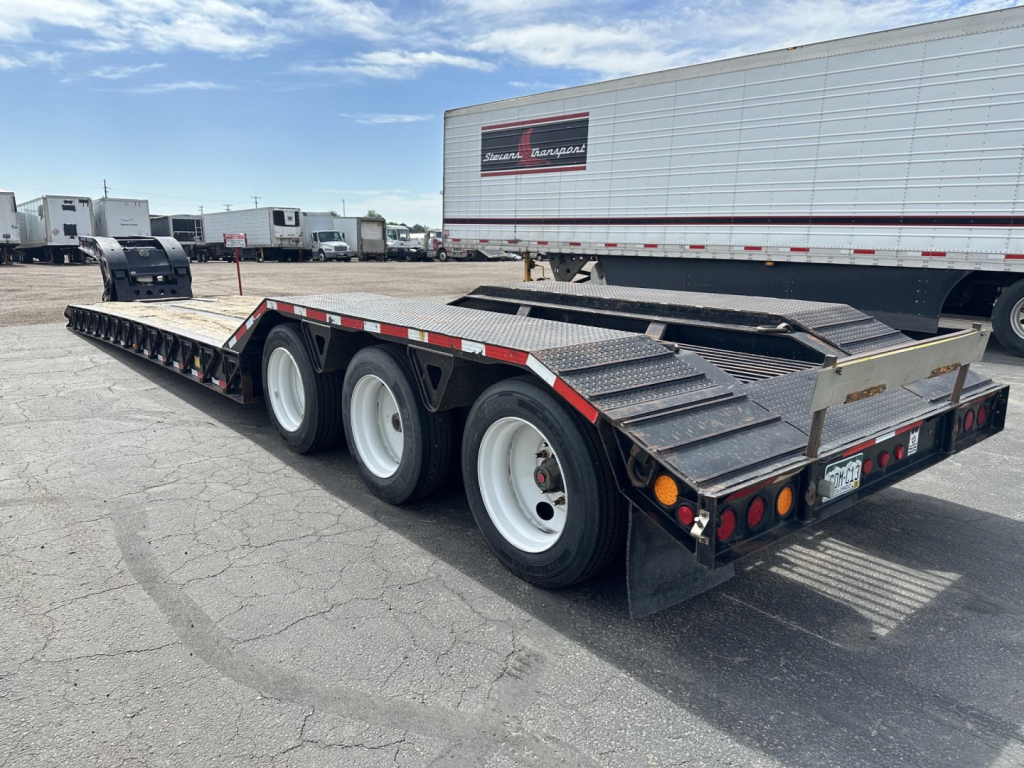
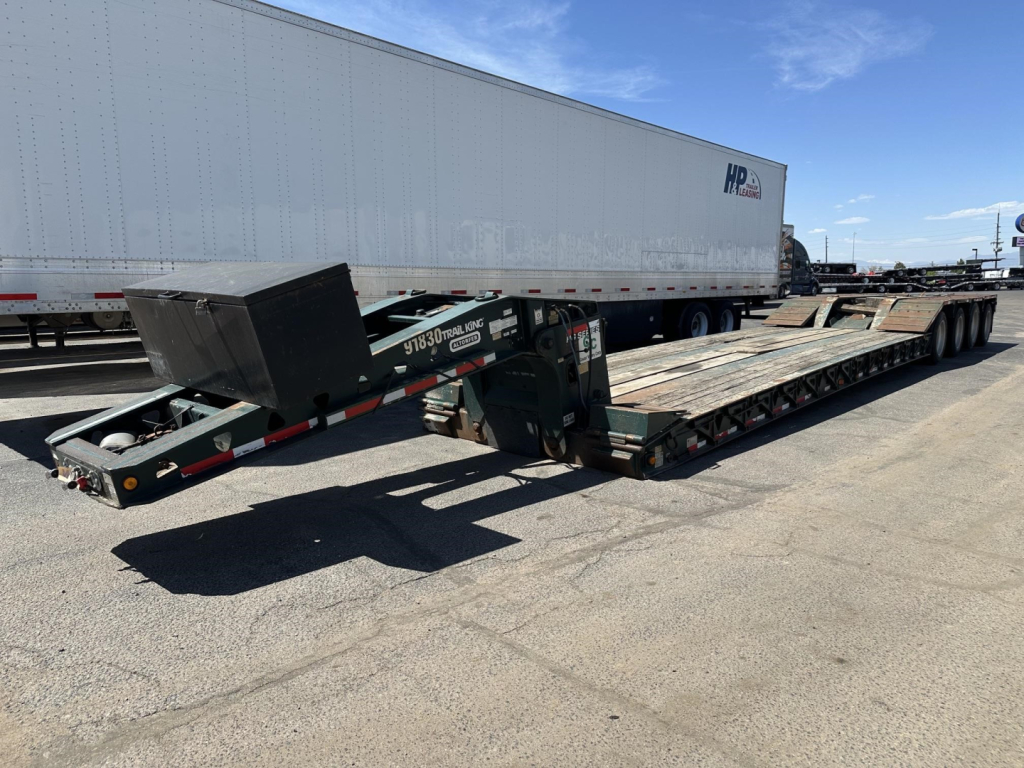
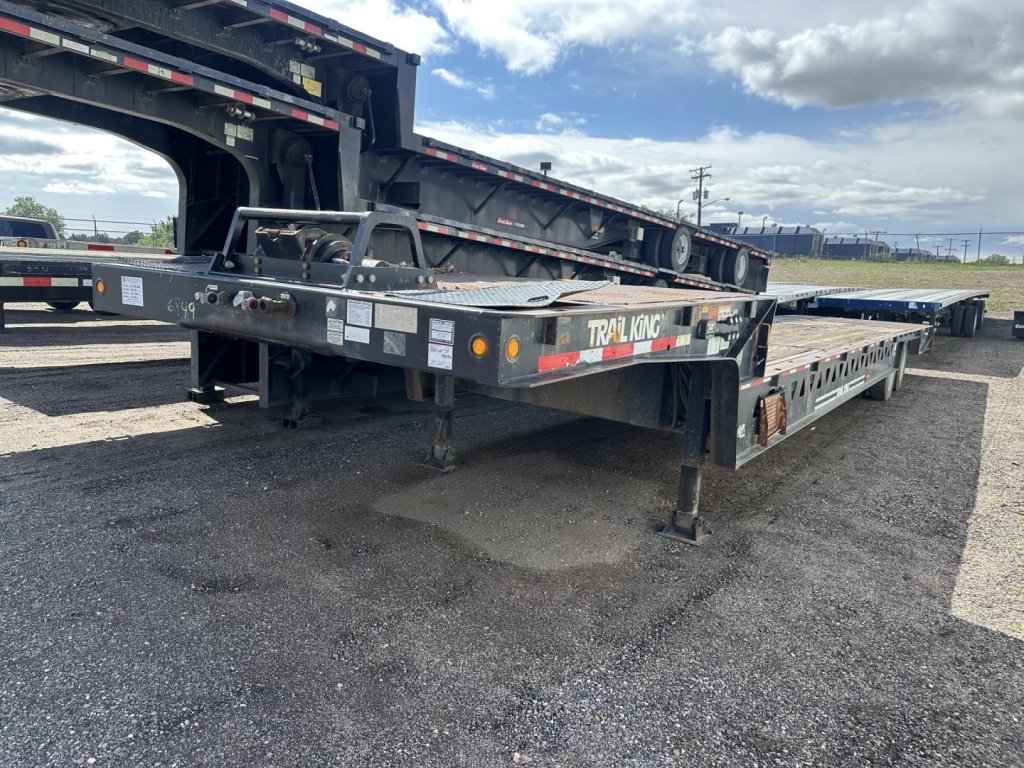
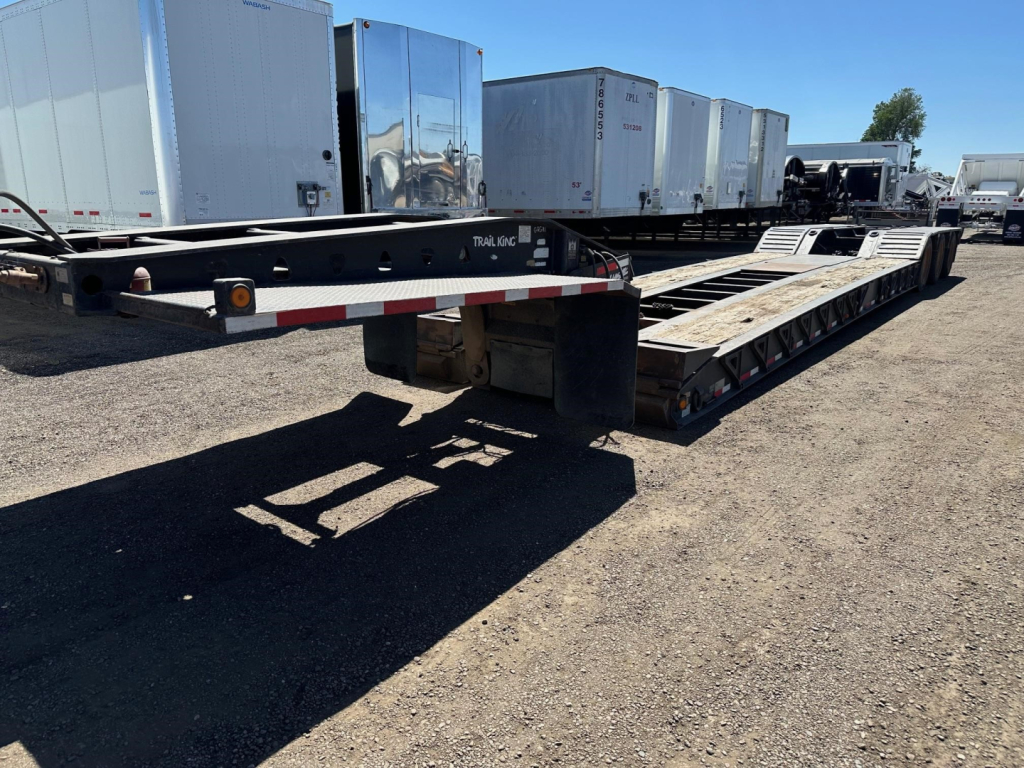
For many buyers, the real decision starts with the load profile. A 50 ton to 55 ton Trail King lowboy is a common fit for hauling dozers, excavators, paving equipment, and other concentrated heavy machinery. Well length, deck width, and loaded deck height all affect how easily a trailer handles taller machines and how often permits come into play. A 26 foot well is a popular setup because it gives useful loading space without moving into a much larger trailer than many regional fleets need. Detachable hydraulic necks, pony motors, PTO hookups, and multiple kingpin settings are also important details because they affect tractor compatibility, loading convenience, and how the trailer can be configured for different jobs.
Suspension, axle layout, and expandability should be checked closely on any Trail King trailer listing. Tri-axle setups with air ride suspension are common in this class, and a rear lift axle can help with bridge compliance, tire wear, and maneuverability when the trailer is empty or lightly loaded. Some trailers are pre-plumbed or otherwise set up for a fourth axle, which can matter for buyers planning to increase legal payload flexibility. Tire size, load-bearing fenders, deck material such as Apitong or other hardwood flooring, and tiedown hardware like bent D-rings all deserve attention because they affect both service life and day-to-day usability. On heavy-haul trailers, condition of the neck, hydraulic system, frame rails, axle alignment, and deck structure is usually more important than cosmetic appearance.
Trail King has a strong reputation in specialized hauling because these trailers are built around real jobsite use, not just highway miles. Buyers comparing listings should look at how each trailer is equipped for the freight they actually move. Width options, flip ramps, swing-out outriggers, bucket pockets, tool trays, and adjustable ride height can make a major difference in loading and permit efficiency. If the work involves mixed fleets or multiple tractors, verify wet kit requirements, pony motor operation, and kingpin settings before purchase. A properly spec'd Trail King trailer can stay productive for years in heavy construction, equipment rental, utility, and oversize transport service.
Frequently Asked Questions about Trail King Trailers in Colorado
What types of Trail King trailers are most common on the used market?
Lowboy and removable gooseneck trailers are among the most common Trail King units buyers will see, especially in heavy equipment hauling. Many are built in 50 ton to 55 ton classes with hydraulic detachable necks, tri-axle groups, and features like outriggers, boom troughs, and bucket wells. Trail King also builds other specialized trailer types, but lowboys are often the most sought-after in construction and machinery transport.
What should I look for when buying a used Trail King lowboy trailer?
Start with capacity, well length, deck height, and axle configuration, then move to condition. On a used Trail King lowboy, inspect the hydraulic neck operation, frame condition, deck wear, suspension components, axle alignment, brakes, and tire condition. Check for cracks, repairs, or distortion around high-stress areas such as the neck connection, crossmembers, and axle group. Functional details like pony motor operation, PTO hookups, kingpin settings, and tiedown hardware can also affect how useful the trailer will be in service.
Why do buyers choose a hydraulic detachable RGN instead of a fixed-neck lowboy?
A hydraulic detachable RGN makes loading self-propelled equipment faster and safer because the machine can usually be driven directly onto the deck from the front. That setup is especially useful for excavators, dozers, and paving equipment with limited ramp loading practicality. It also gives flexibility for fleets running different machines across changing jobs. The tradeoff is added hydraulic complexity, more components to maintain, and the need to confirm tractor wet kit or pony motor compatibility.
How important are outriggers, boom troughs, and bucket wells on a Trail King trailer?
These features matter when the trailer is hauling equipment with uneven dimensions or attachments that need to sit lower than the main deck. Swing-out outriggers can increase usable deck width for wider tracked machines. A boom trough helps accommodate excavator booms or similar components, while a bucket well creates space for buckets or attachments that would otherwise raise loaded height. For buyers handling mixed construction equipment, these features can improve legal loadability and reduce reconfiguration time.
Are Trail King trailers a good fit for Colorado hauling conditions?
Trail King trailers are well suited to Colorado work because many models are built for demanding terrain, concentrated loads, and specialized equipment transport. Buyers operating in Colorado often need to balance payload, legal dimensions, and grade performance while dealing with construction sites, mountain corridors, and regional permit requirements. A properly spec'd Trail King lowboy with the right axle group, deck height, and width can be a practical choice for heavy equipment moves across both local and interstate routes.