
Vacuum Trailers For Sale in Colorado
Browse vacuum trailers for fluid hauling, waste transfer, and oilfield service. Compare barrel capacity, material, pump setup, and axle specs.
Selling a vacuum trailer? List your vacuum trailer for sale and reach thousands of commercial buyers.
Vacuum Trailers in Colorado
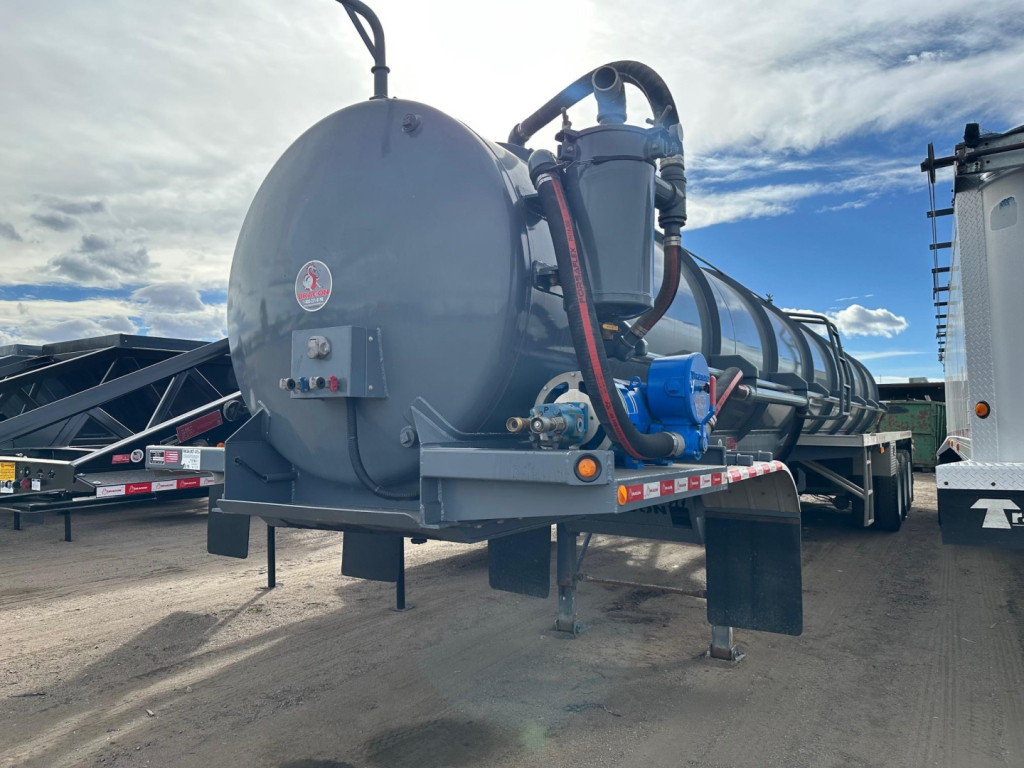
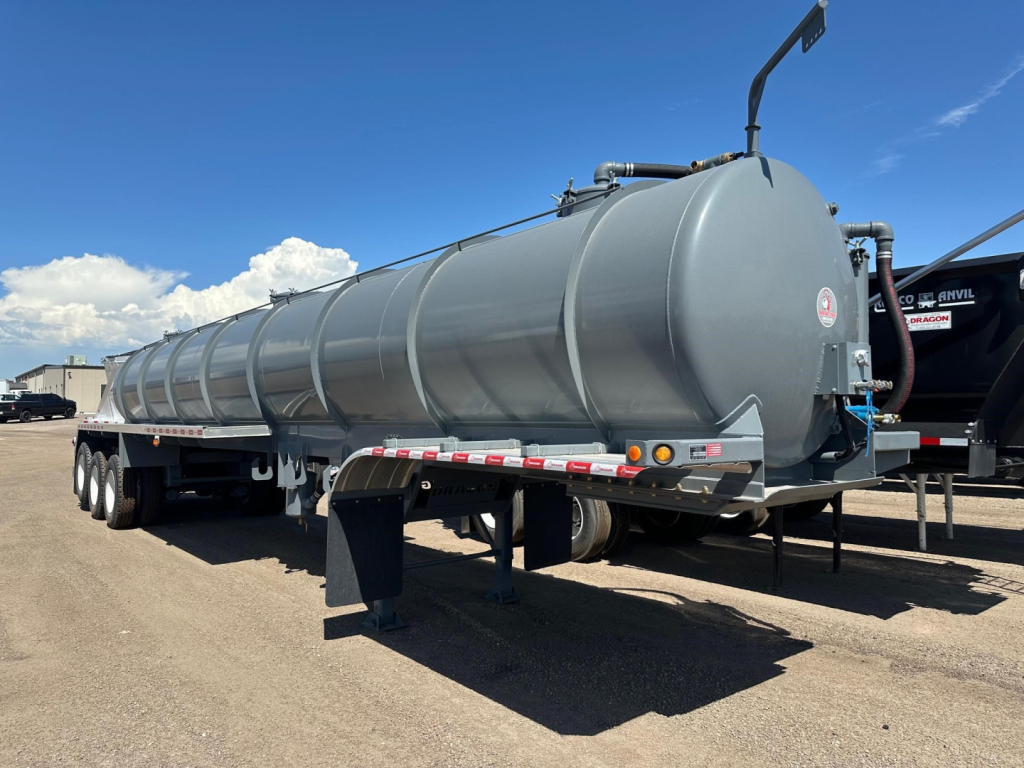
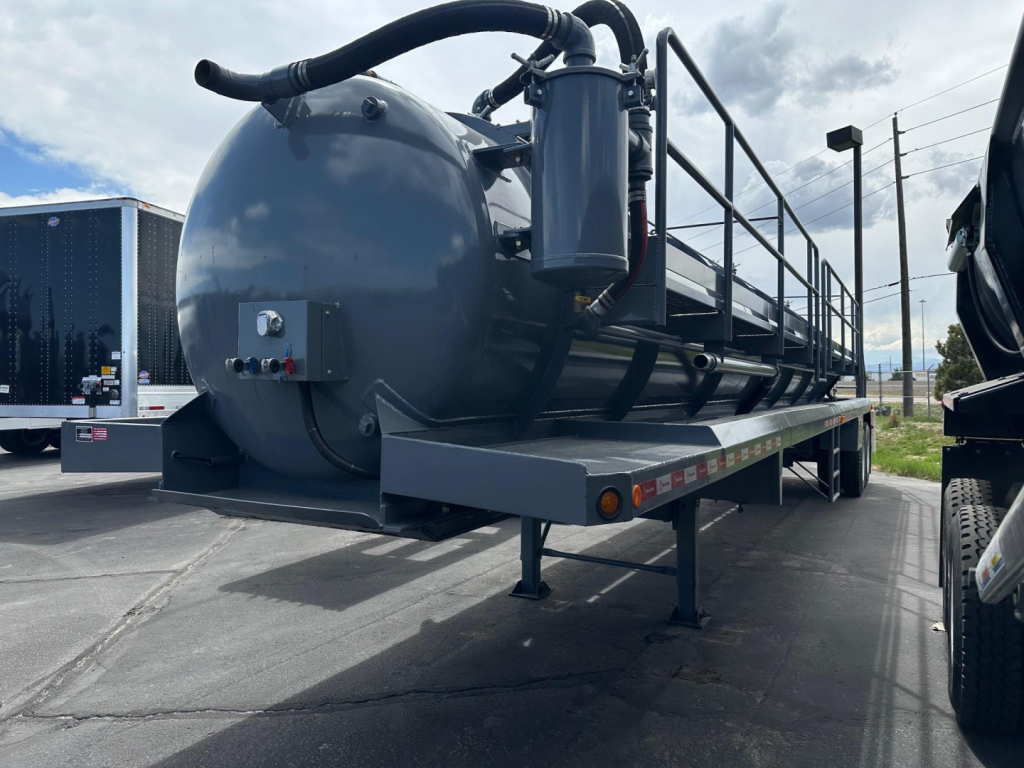
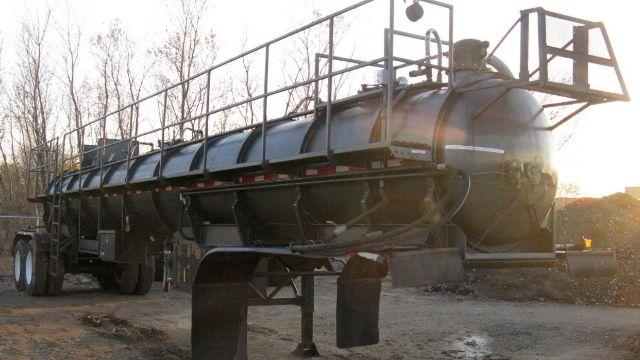
Material choice has a direct impact on tare weight, corrosion resistance, and repair strategy. Aluminum vacuum trailers are popular when maximizing payload is important and when corrosion from water or certain waste streams is a concern. Mild steel tanks remain common for hard-use service and can be a strong fit where durability, lower acquisition cost, and easier field repair matter more than weight savings. Buyers should also look closely at shell and head thickness, internal baffle design, interior lining, and the number and placement of manways. Features like hose trays, catwalks with safety rails, rear work lights, sight glasses, pressure gauges, and toolboxes are not cosmetic details in this category. They affect daily serviceability, safety, and turnaround time on jobsites.
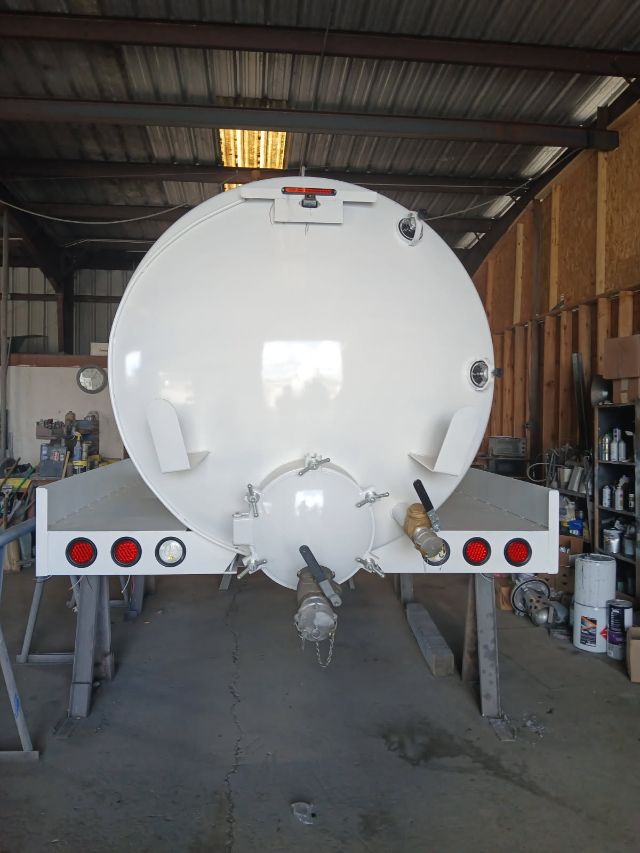
Pump and plumbing setup often separates one vacuum trailer from another more than the barrel rating does. Many units are equipped with hydraulic-driven vacuum pumps such as Fruitland or Challenger systems, and pump capacity needs to match loading time expectations, hose length, and product viscosity. Check the trailer's operating pressure and vacuum rating, primary and secondary shutoff protection, relief valves, rear discharge plumbing, dump valves, and scrubber arrangement. Rear 4-inch butterfly valves, stainless discharge tubes, manual dump valves, and level indicators are all common on this class of trailer. If the trailer will see mixed-duty service, pay attention to cleanout access, sump design, and how easily the plumbing can be maintained in winter conditions common across Colorado.
Running gear and chassis details matter because vacuum trailers carry dense loads and spend time on lease roads, transfer yards, and uneven approaches. Air ride suspension is common for load stability and chassis longevity, with 30,000-lb axle sets, 11R24.5 or 11R22.5 tires, ABS brake systems, and two-speed landing gear frequently specified. Tri-axle designs, including rear lift axle setups, can help manage payload and distribute weight more effectively, but they also add complexity and maintenance points. A serious buyer should compare overall length, axle spread, wheel type, kingpin structure, and brake spec with the intended tractor and route profile. The right vacuum trailer is the one that matches product type, legal payload, pump performance, and service environment without forcing constant compromises in loading speed, cleaning time, or roadability.
Frequently Asked Questions about Vacuum Trailers in Colorado
What is the difference between a non-code vacuum trailer and a code vacuum trailer?
A non-code vacuum trailer is generally used for non-hazardous liquids such as water, saltwater, septic waste, and similar fluids where a coded pressure vessel is not required. A code vacuum trailer is built and certified to applicable tank standards for certain products and operating conditions, and it may be required when hauling regulated materials or when pressure and documentation requirements are stricter. Buyers should verify the intended product, route, and customer requirements before choosing between the two.
Is aluminum or steel better for a vacuum trailer?
Aluminum usually offers lower tare weight and better corrosion resistance, which can improve legal payload and reduce long-term issues with water-based loads. Steel is often favored for lower upfront cost, rugged service, and easier repair in some markets. The better choice depends on what the trailer will haul, how aggressively it will be used off-road, and whether payload or durability is the top priority.
What barrel capacity is common for vacuum trailers?
A common range for vacuum trailers is about 130 to 165 barrels, or roughly 5,400 to 6,900 gallons depending on the exact configuration. Smaller capacities may fit operations focused on maneuverability or shorter hauls, while larger units are used where maximizing loads is more important. Capacity should be matched to product weight, axle count, and state weight limits, not just tank volume.
What pump specifications matter most on a vacuum trailer?
The main factors are pump brand and support, vacuum performance, hydraulic drive requirements, shutoff protection, relief valves, and the plumbing layout for loading and discharge. A trailer with the right pump setup will load efficiently, protect the system from overfill, and handle the product without excessive wear or downtime. Buyers should also consider how easy the pump, scrubber, valves, and hose connections are to service in field conditions.
What should I inspect on a used vacuum trailer?
Focus on tank condition, weld quality, corrosion, lining integrity, baffles, manway seals, and signs of damage around the sump, rear head, and discharge plumbing. Check the vacuum pump, relief valves, gauges, suspension, brakes, landing gear, and tires, and look for documentation on pressure or leak testing where applicable. On older units, the value often depends as much on structural condition and pump health as on brand or barrel capacity.