
2026 Vacuum Trailers For Sale in Colorado
Shop 2026 vacuum trailers for sale in Colorado. Compare non-code vac tank trailers by capacity, axle setup, pump type, tank material, and spec.
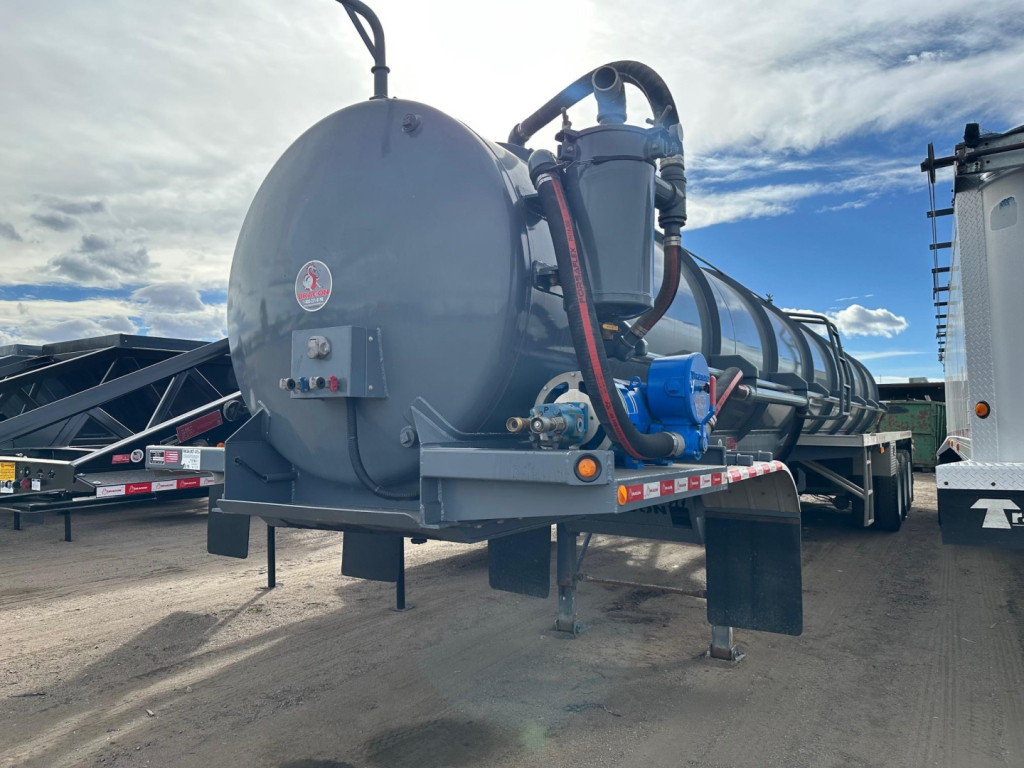
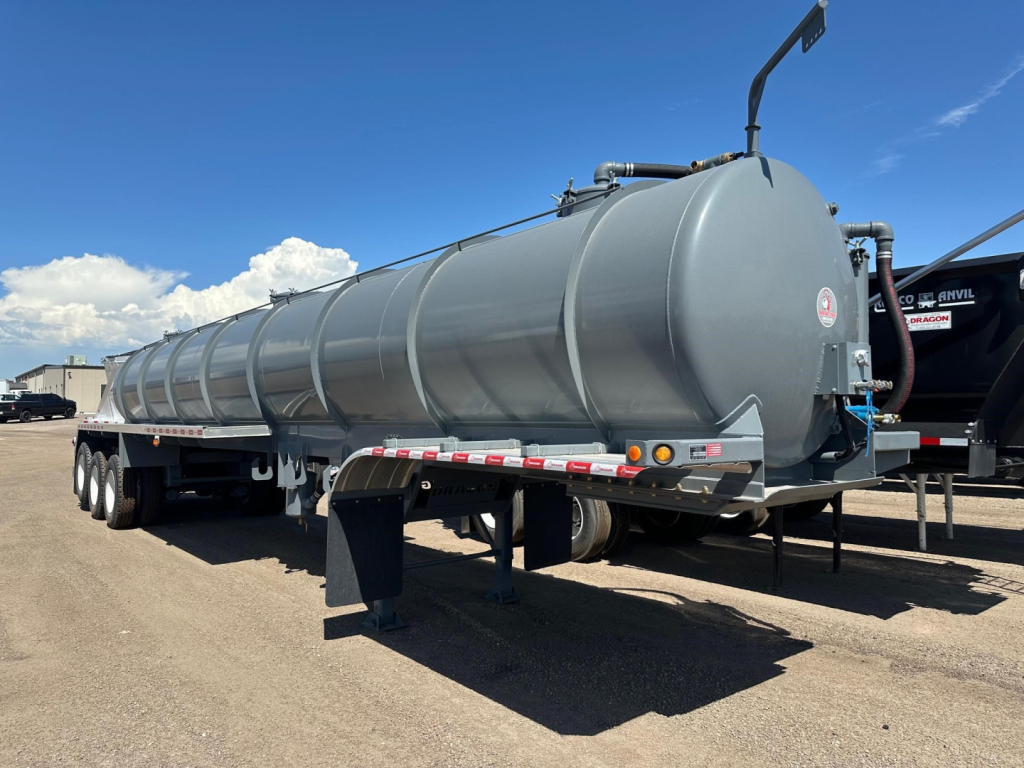
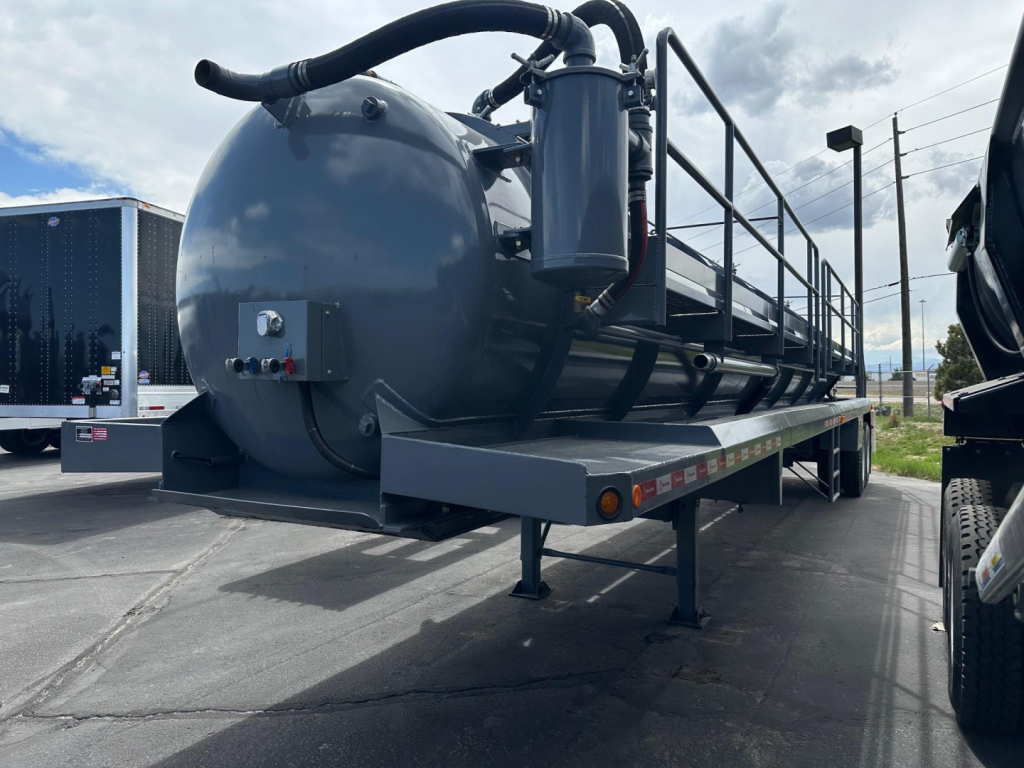
Selling a 2026 vacuum trailer? List your 2026 vacuum trailer for sale and reach thousands of commercial buyers.
2026 Vacuum Trailers in Colorado
Frequently Asked Questions about 2026 Vacuum Trailers in Colorado
What size vacuum trailer is most common for Colorado work?
A common size is 150 to 165 BBL, which is roughly 6,300 to 6,900 gallons depending on the exact build. That range is popular because it gives strong hauling capacity without pushing every operation into the same axle and bridge-law limitations. Tandem axle trailers are common at 150 BBL, while 165 BBL trailers are often tri-axle and may include a lift axle to manage loaded weight and tire wear.
What is the difference between a non-code vacuum trailer and a code trailer?
A non-code vacuum trailer is generally built for vacuum loading and transfer of non-hazardous liquids and waste streams within the trailer's design limits, but it is not built to the same DOT pressure vessel code requirements as a code trailer. Buyers should match the trailer to the product being hauled, the customer site requirements, and state or federal regulations. If the application involves hazardous materials or regulated products, the tank specification matters as much as capacity and pump choice.
Should I choose an aluminum or steel vacuum tank trailer?
Aluminum vacuum trailers are popular when tare weight matters because they help preserve payload and offer good corrosion resistance in many water and fluid hauling applications. Steel tanks can be favored for certain harsher service environments, repair preferences, or lower initial acquisition cost. The right choice depends on product compatibility, expected corrosion exposure, repair network, and how important empty weight is to your revenue model.
What pump and vacuum system features matter most?
The pump is the heart of a vacuum trailer, so buyers should pay attention to pump brand, hydraulic motor setup, shutoff protection, scrubber arrangement, relief valves, and service access. A good system should include primary and secondary shutoffs, a visible vacuum and pressure gauge, and plumbing sized for the product and loading speed required. Rear suction and discharge plumbing, butterfly valves, sump design, and hose storage also affect cycle time in daily operation.
What trailer features improve safety and day-to-day usability?
Air ride suspension, ABS, auto slack adjusters, good lighting, full catwalks with handrails, side ladders, and clear sight glasses all add value in real service. Buyers also look for practical details such as hose trays, tool boxes, fenders, mud flaps, sturdy landing gear, and accessible grease and service points. In mountain and energy-sector work common in Colorado, stability, braking condition, tire spec, and axle alignment deserve close attention because they directly affect uptime and operating cost.