
2026 Vacuum Trailers For Sale
Shop 2026 vacuum trailers with common specs, tank materials, BBL capacities, pump setups, suspension options, and oilfield hauling insights.
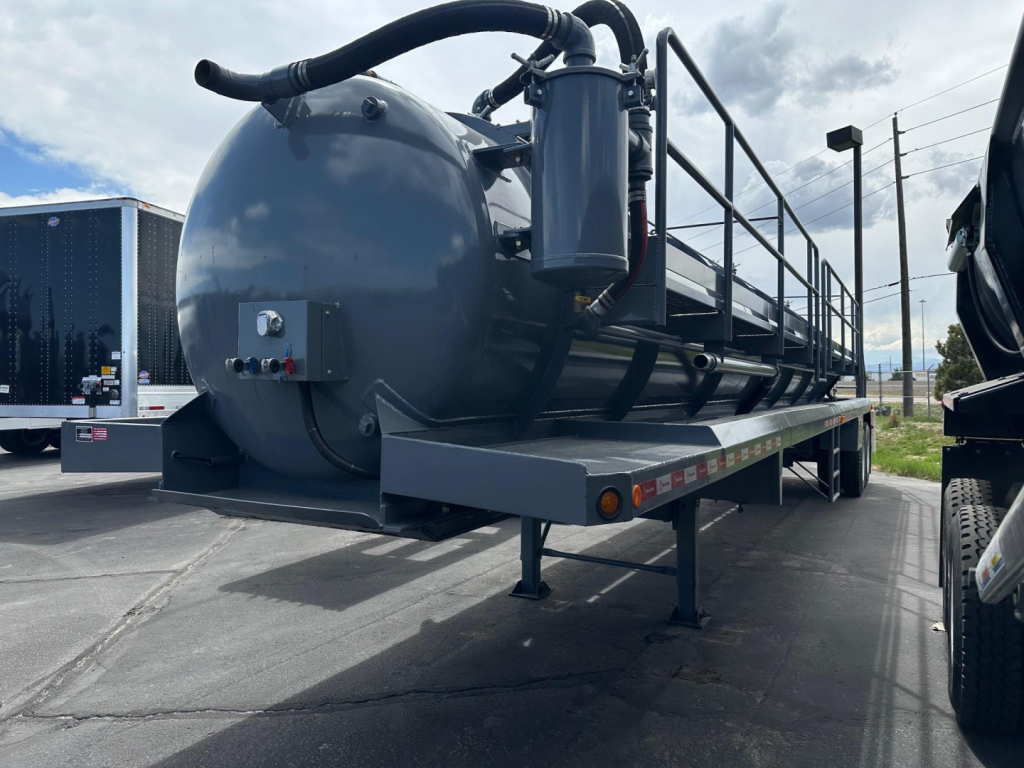
Selling a 2026 vacuum trailer? List your 2026 vacuum trailer for sale and reach thousands of commercial buyers.
2026 Vacuum Trailers
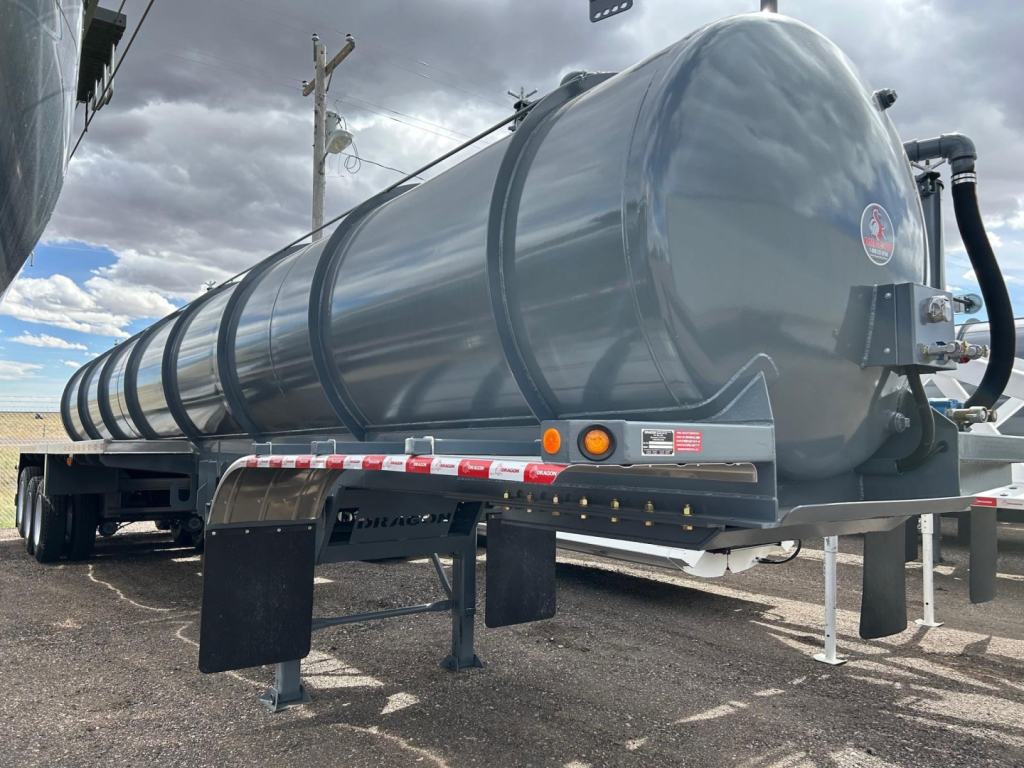
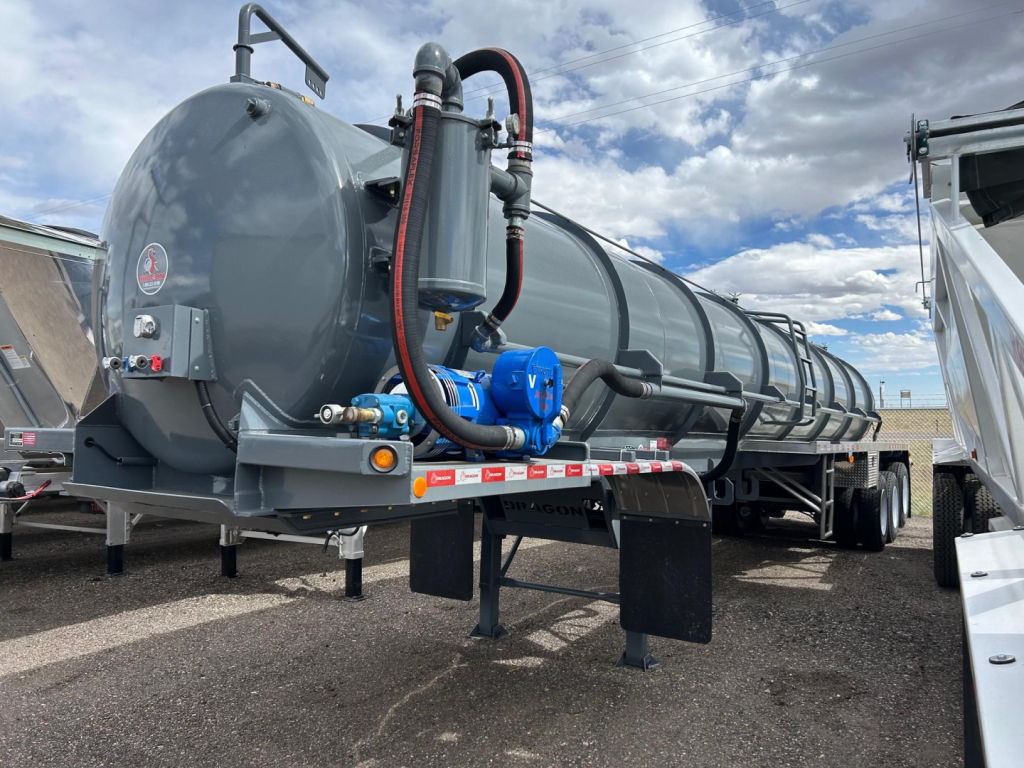
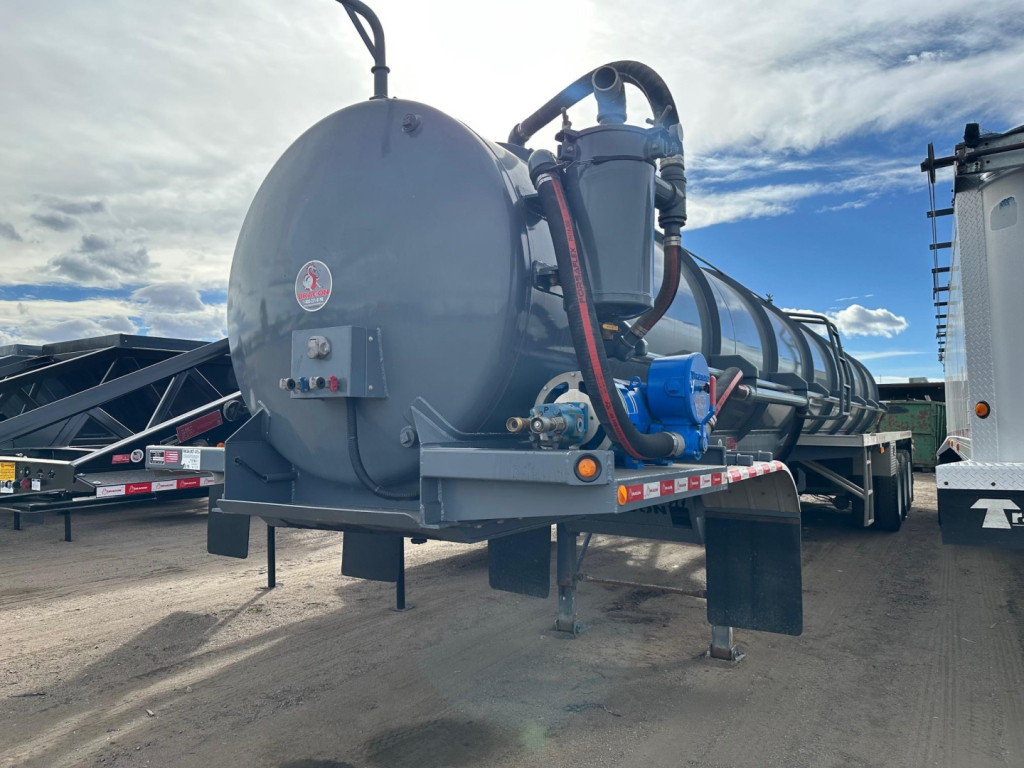
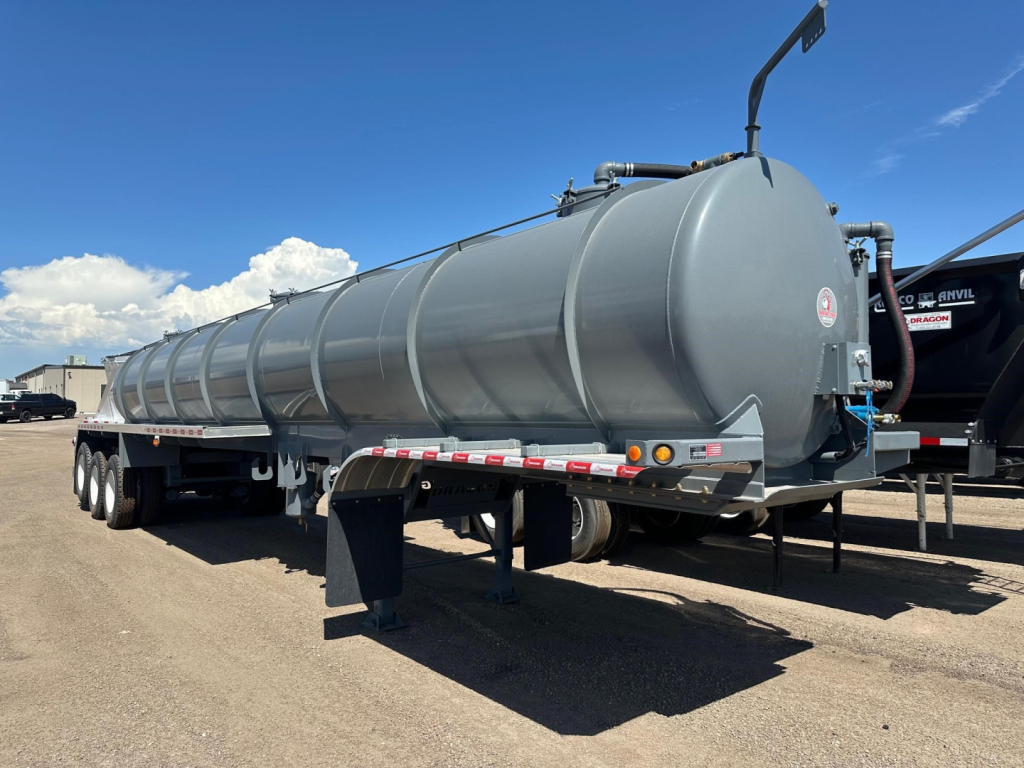
Capacity is only one part of the buying decision. Tank material matters just as much. Aluminum vacuum trailers are popular when corrosion resistance and tare weight are priorities, and they are often built with 5454 aluminum shells, aluminum subframes, internal baffles, and epoxy-lined interiors. Steel vacuum trailers still have a place in severe-service applications where buyers want a more traditional repair path and lower upfront cost. Look closely at shell thickness, head thickness, baffle count, interior coating, relief valve ratings, and whether the trailer uses a straight cylindrical body, rear sump, sight glasses, scrubber setup, and primary and secondary shutoff protection. Those details affect service life, cleanout, and pump protection.
Pump and suspension specs deserve close attention because they directly affect daily productivity. Many vacuum trailers in this category use Fruitland or Challenger-style vacuum pump setups with hydraulic motors, rear discharge plumbing, butterfly valves, and vacuum relief protection in the 22 in/Hg range, with pressure ratings commonly around 15 PSI on non-code units. Suspension can vary from spring ride to air ride, and that choice matters if the trailer will spend time on lease roads, caliche, or broken pavement. Air suspension typically helps with ride quality and chassis stress, while spring suspension can be attractive for simplicity. Buyers should also compare axle spread, lift axle configuration, tire size such as 11R22.5 or 11R24.5, wheel material, landing gear, hose trays, catwalk design, ladder placement, and lighting package for jobsite visibility.
For many buyers, the right 2026 vacuum trailer comes down to matching barrel capacity, empty weight, and pump package to the route and product. A 130 BBL trailer may fit operators trying to stay lighter and move efficiently in tighter field conditions, while a 150 to 165 BBL trailer can make sense where legal payload and haul distance support the added volume. It also pays to verify manway count, rear head access, discharge size, level gauge style, ABS configuration, and overall trailer length before comparing price alone. A well-spec’d vacuum trailer should balance usable payload, tank durability, pump reliability, and serviceability in the field.
Frequently Asked Questions about 2026 Vacuum Trailers
What is a non-code vacuum trailer used for?
A non-code vacuum trailer is typically used to load, transport, and unload non-hazardous liquids or waste streams such as produced water, drilling fluids, wash water, and other oilfield or industrial fluids. It is built for vacuum loading and pressure-assisted discharge, but it is not automatically approved for every commodity. The actual application depends on the trailer’s tank rating, construction, lining, and the regulations governing the material being hauled.
How many barrels does a typical vacuum trailer hold?
A common vacuum trailer capacity range is about 130 to 165 barrels, with 150 BBL being a frequent mid-range spec. The right size depends on legal gross weight, fluid density, route conditions, and how important maneuverability is in the field. Higher barrel capacity can improve productivity on long hauls, but a lighter or shorter trailer may perform better on soft roads, tighter leases, or variable payload operations.
Is aluminum or steel better for a vacuum tank trailer?
Aluminum is often preferred when corrosion resistance and lower tare weight matter most, which can help maximize payload and reduce long-term tank deterioration in certain fluid applications. Steel can be a good fit for buyers who want lower initial cost, familiar repair practices, or a heavier-duty feel in punishing service. The better choice depends on hauled product, maintenance environment, repair access, and how the trailer will be used day to day.
What vacuum pump and suspension features should buyers compare?
Buyers should compare pump brand, hydraulic drive setup, shutoff protection, scrubber design, relief valve ratings, discharge plumbing, and service access. These features affect loading speed, pump life, and ease of maintenance. Suspension is equally important. Air ride is commonly chosen for improved ride quality and reduced stress on the trailer and tank, while spring suspension remains attractive for simpler construction and potentially lower maintenance in some fleets.
What should I check before buying a 2026 vacuum trailer?
Start with capacity, tank material, and axle configuration, then review shell thickness, baffle design, pump setup, valve layout, and overall trailer length. Confirm the trailer’s pressure and vacuum ratings, check for sight glasses, manways, hose trays, catwalks, and work lights, and make sure the suspension and tire package fit your operating region. It is also important to verify the trailer’s certification and intended commodity compatibility before putting it into service.