
Hopper Trailers For Sale in Colorado
Shop hopper trailers for grain, feed, sand, and bulk commodities. Compare lengths, side heights, hopper styles, tarps, and suspensions.
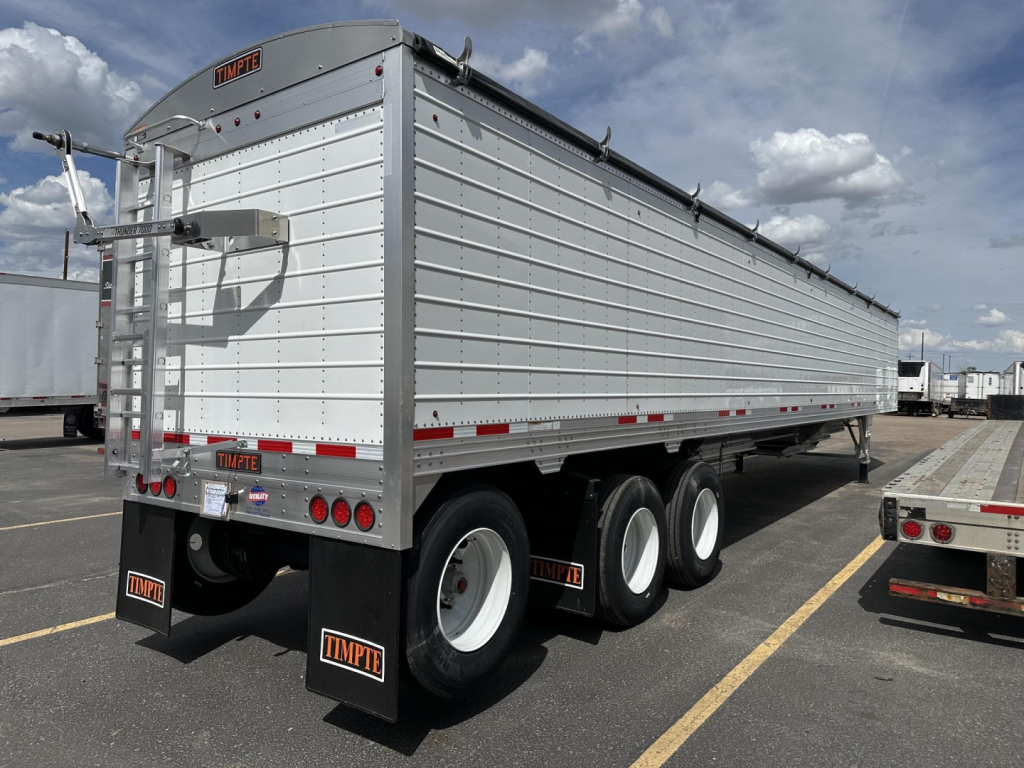
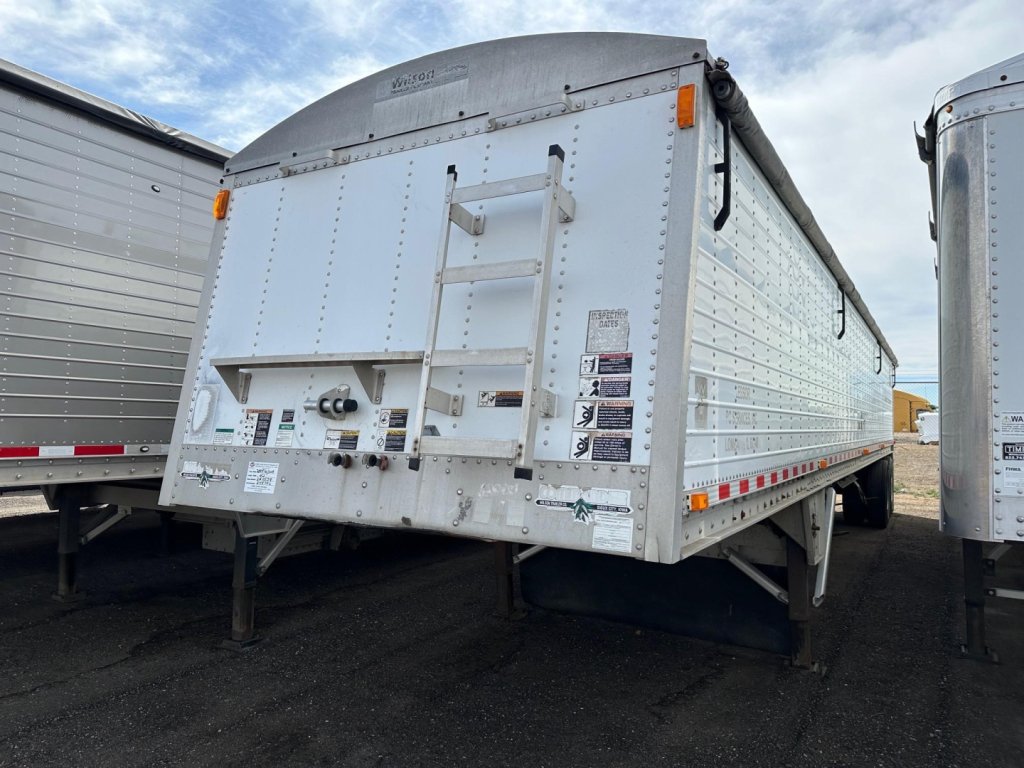
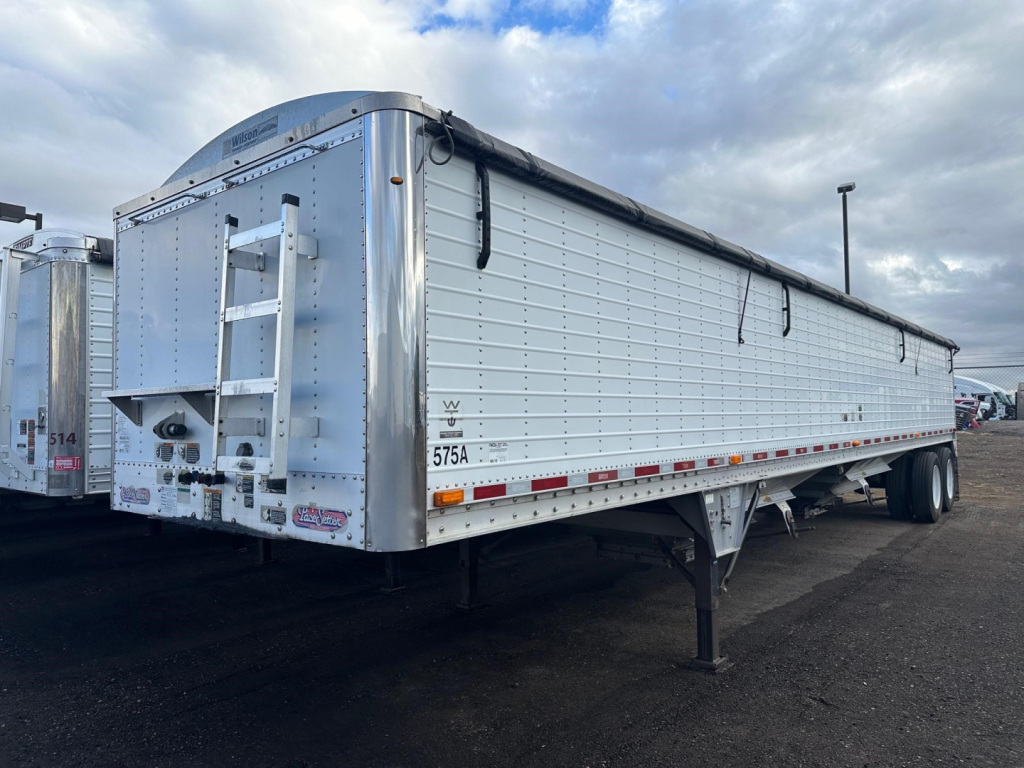
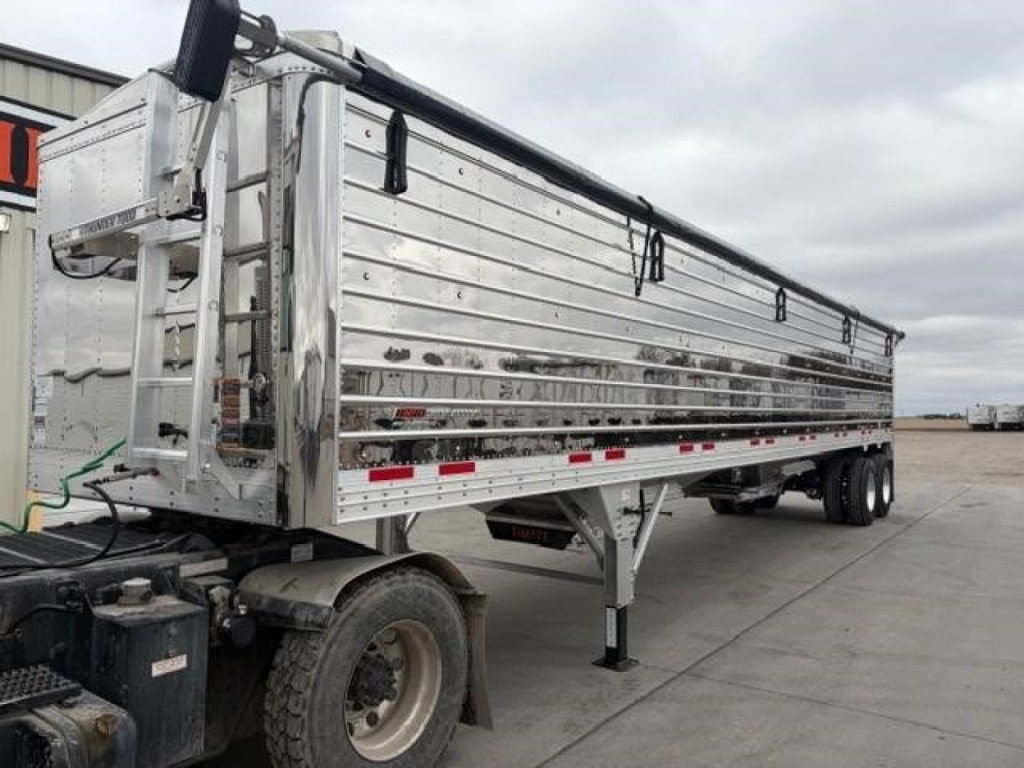
Showing 1 to 28 of 33 results
Selling a hopper trailer? List your hopper trailer for sale and reach thousands of commercial buyers.
Hopper Trailers in Colorado
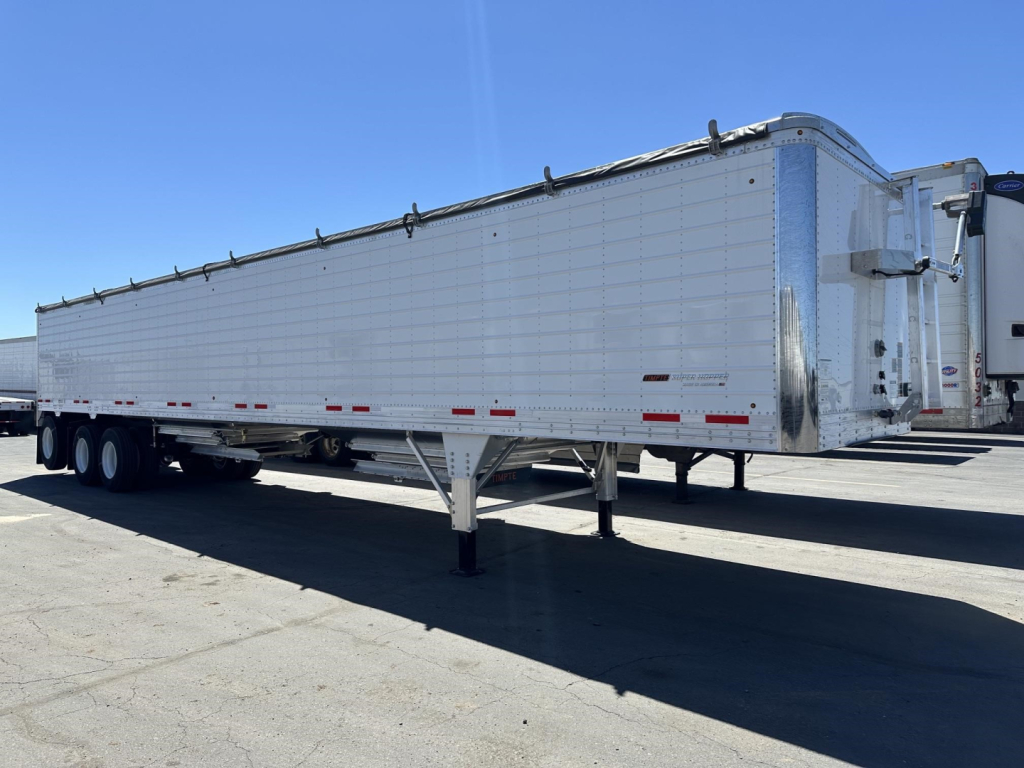
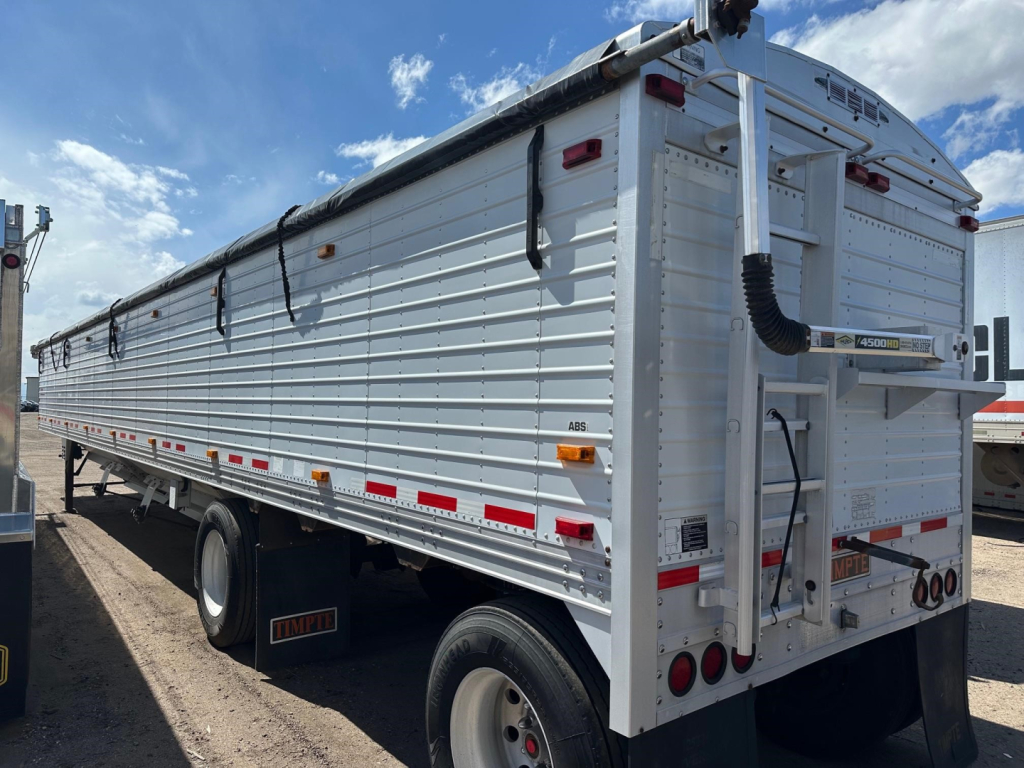
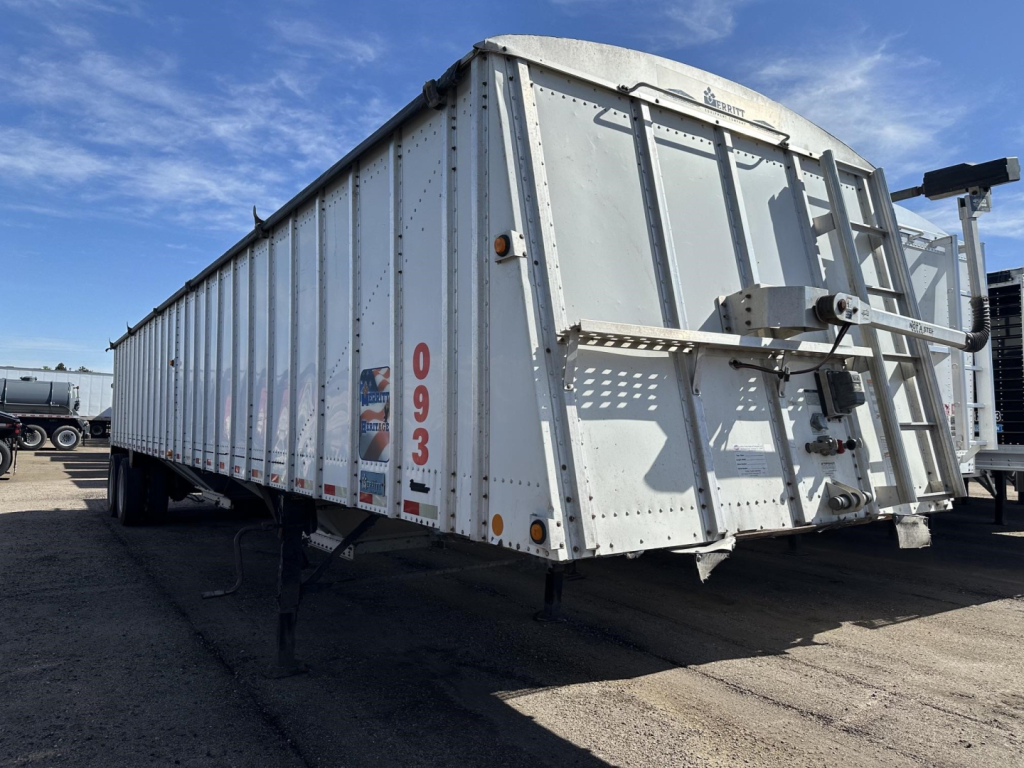
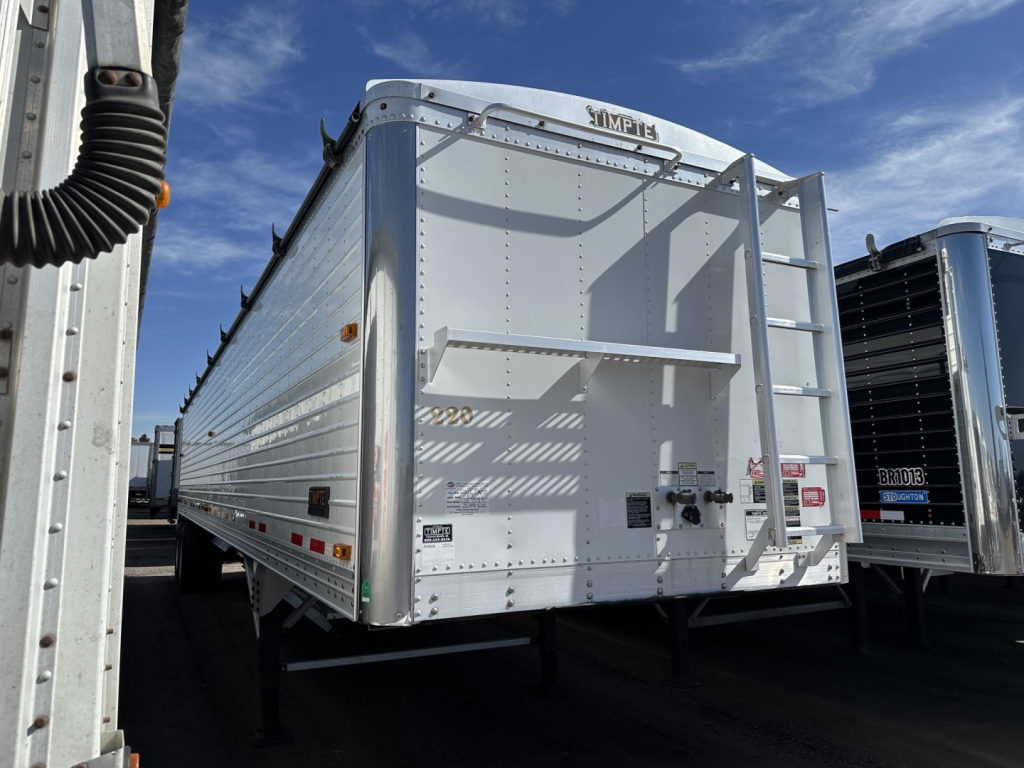
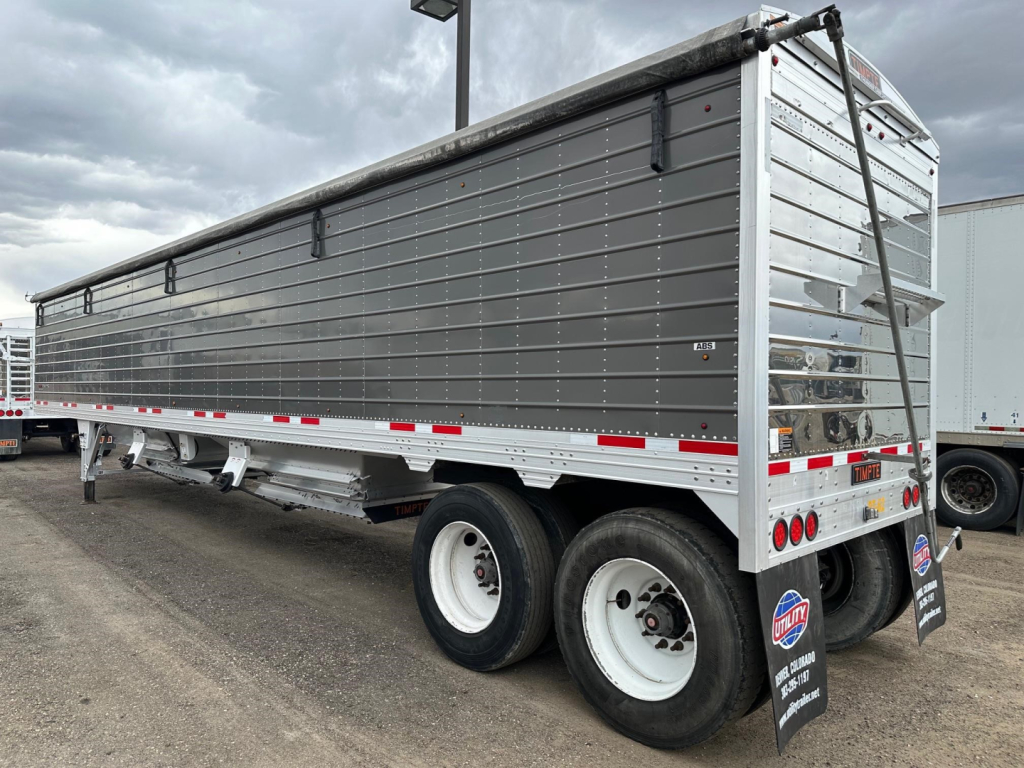
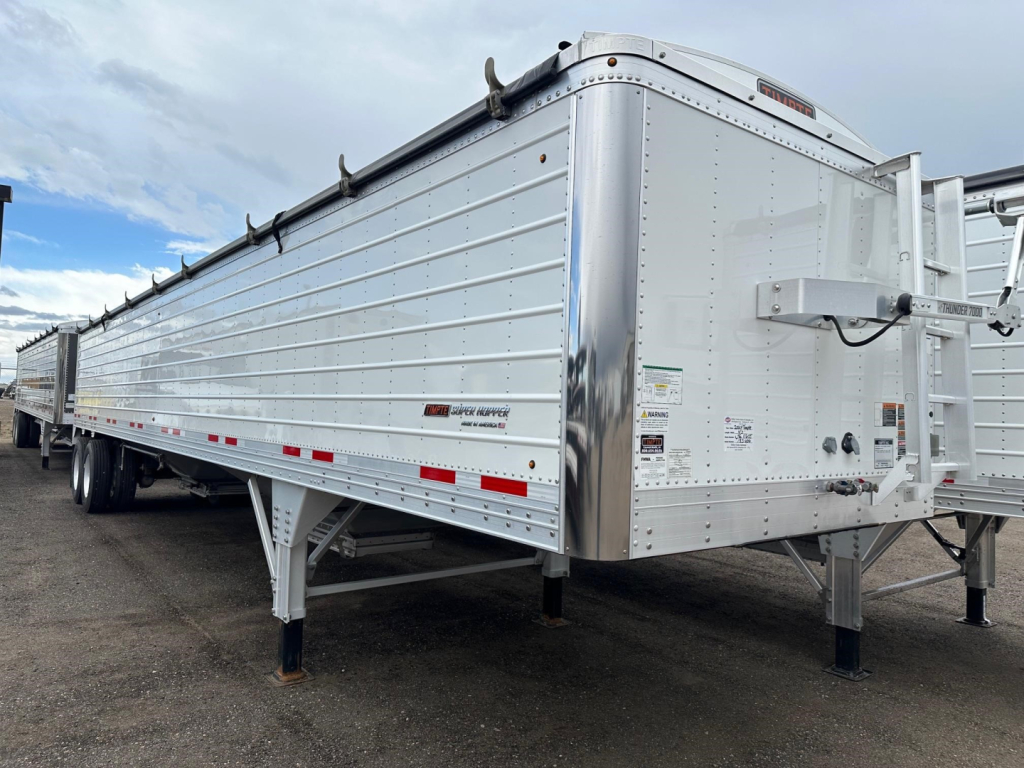
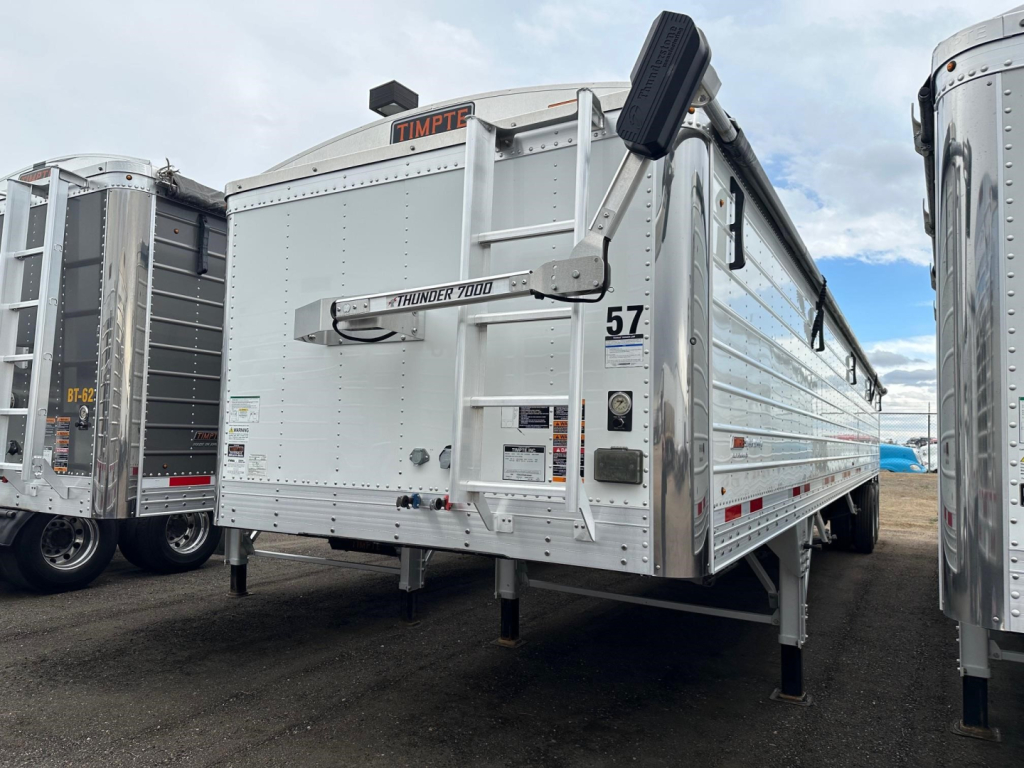
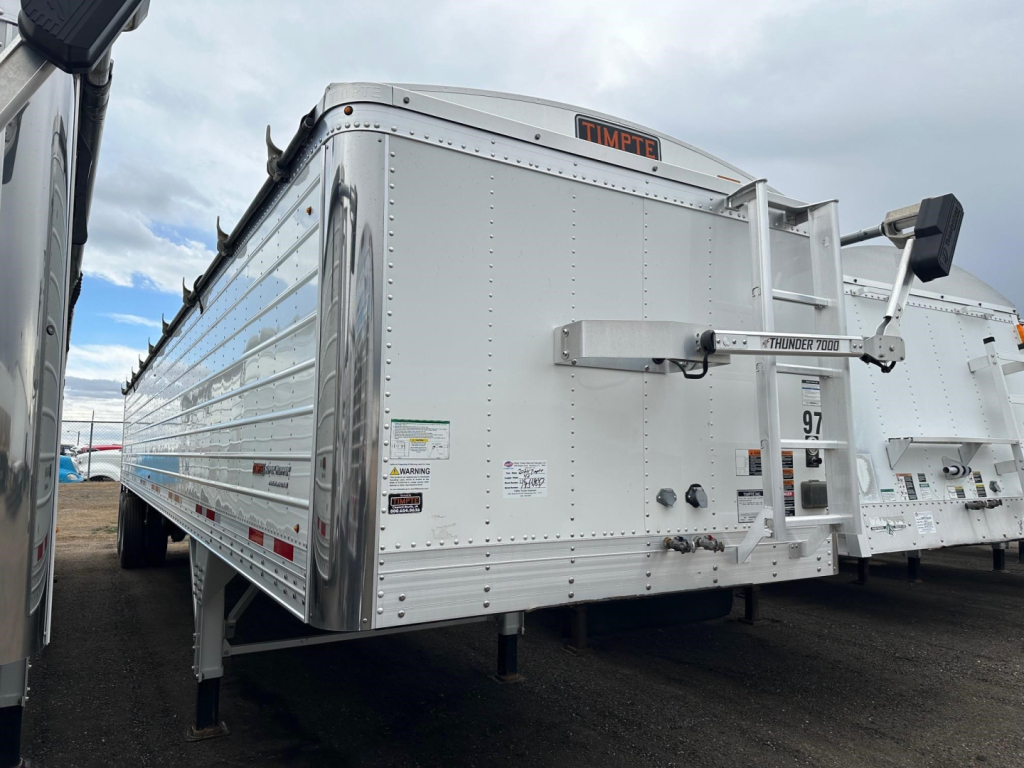
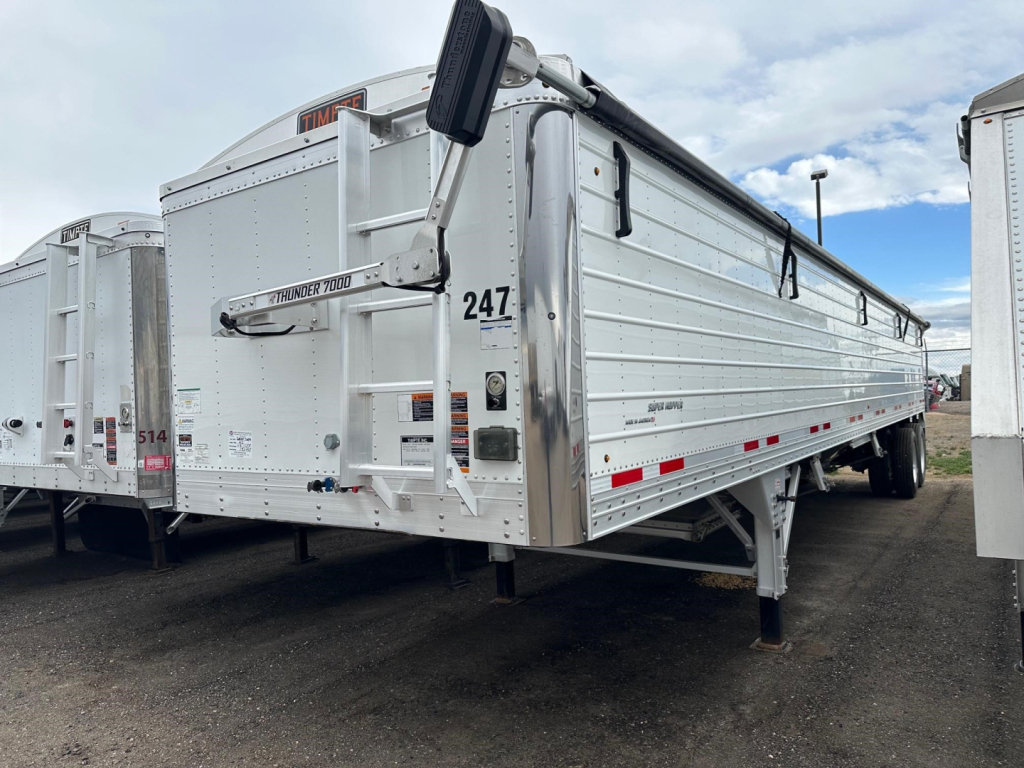
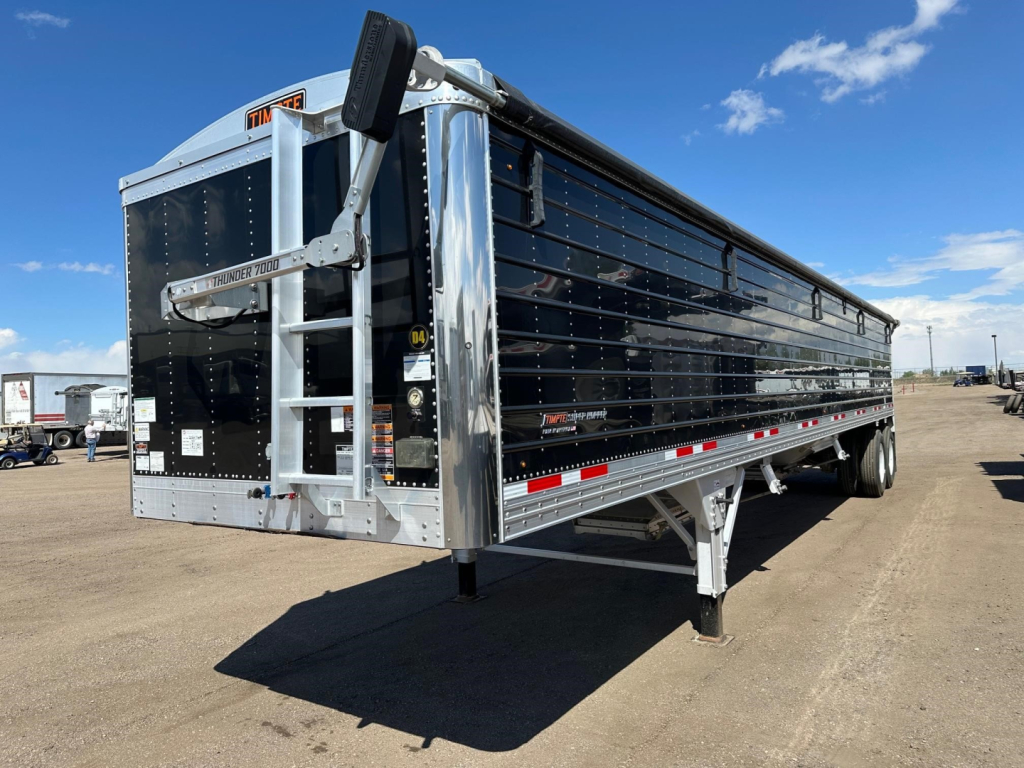
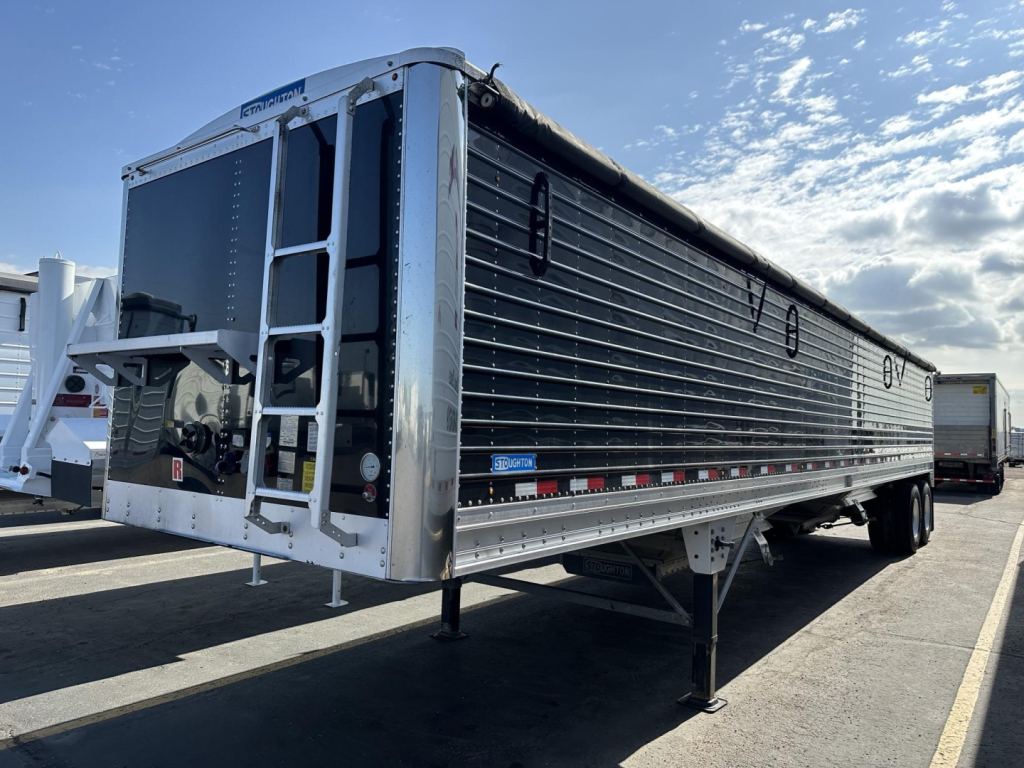
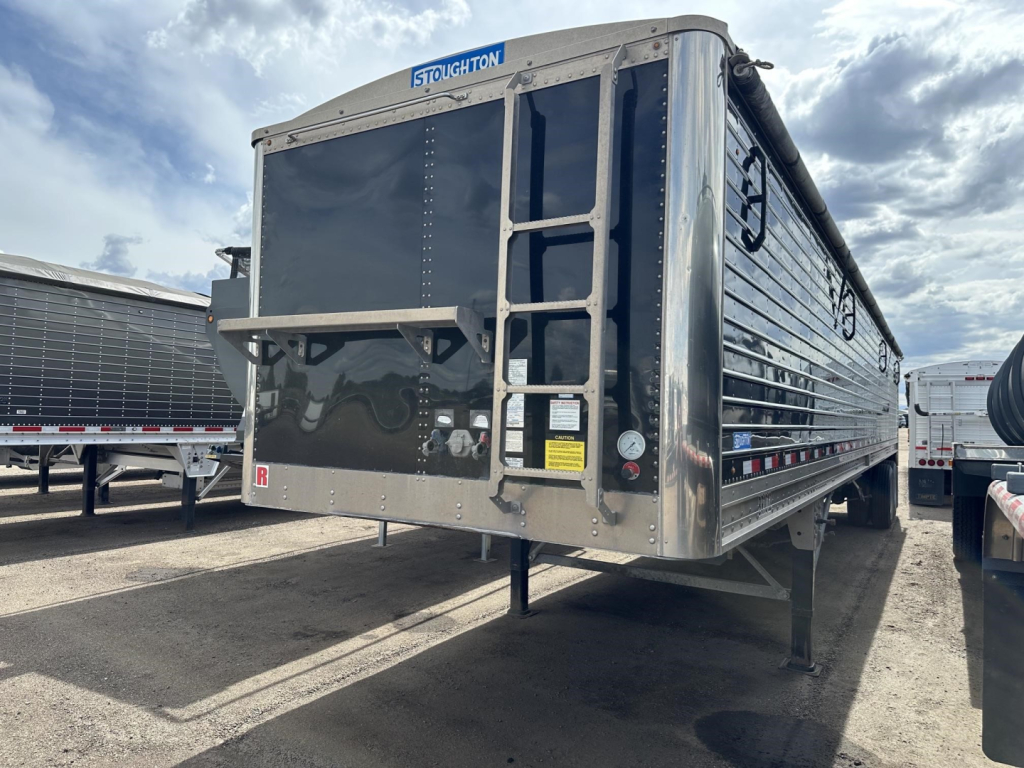
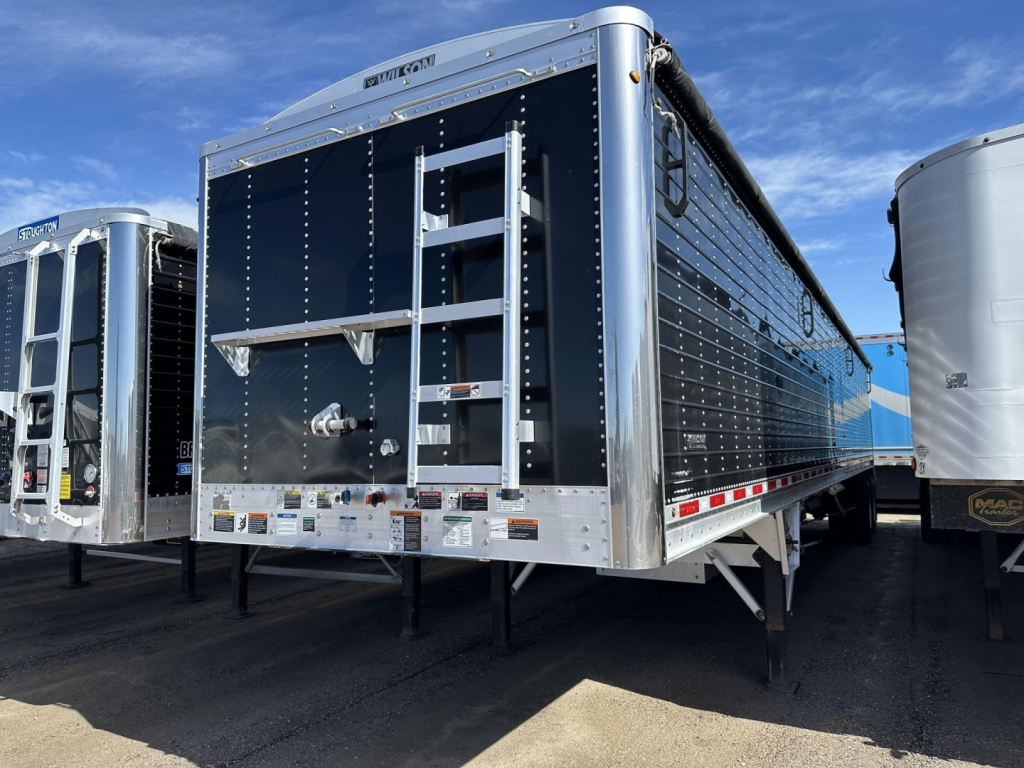
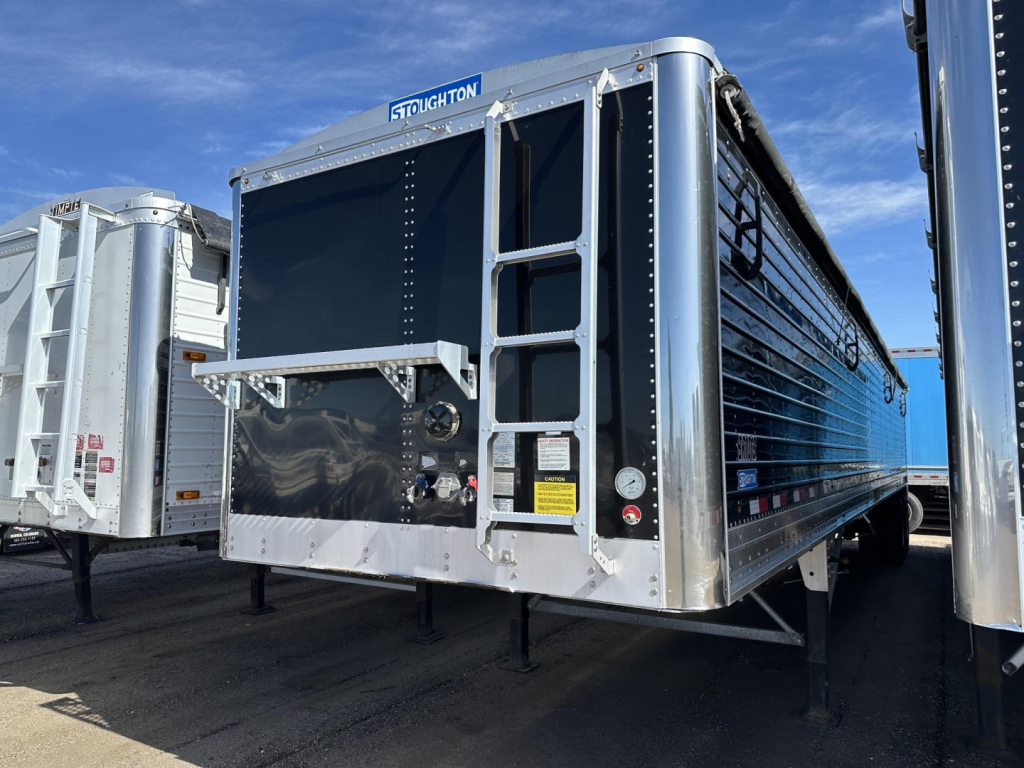
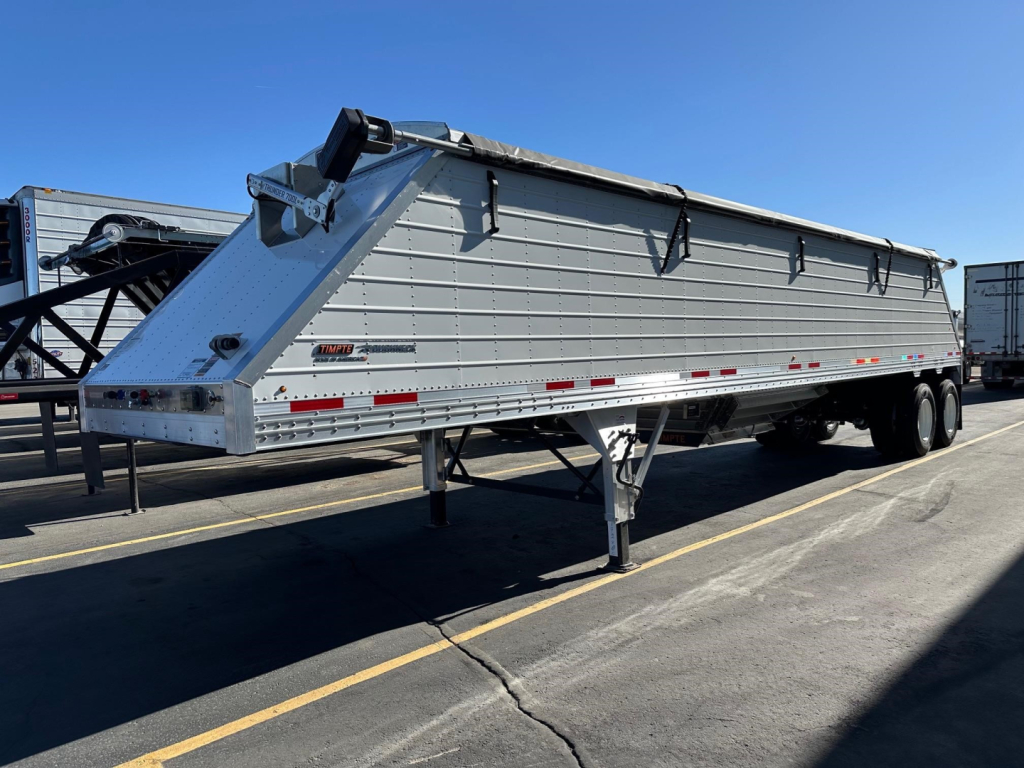
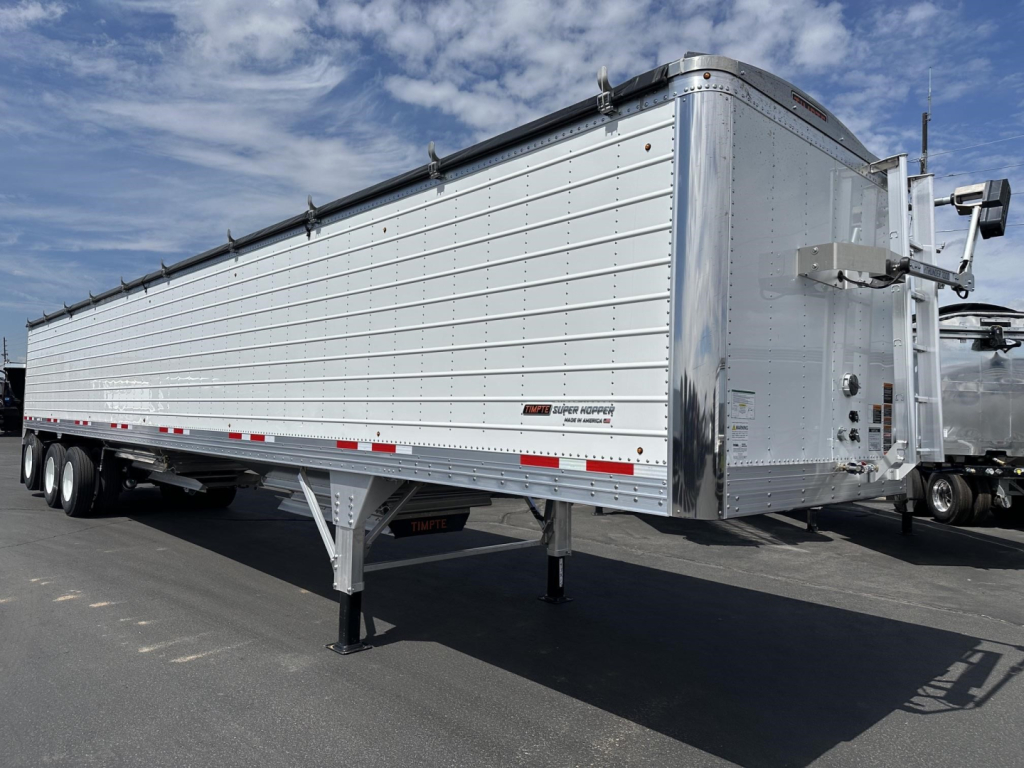
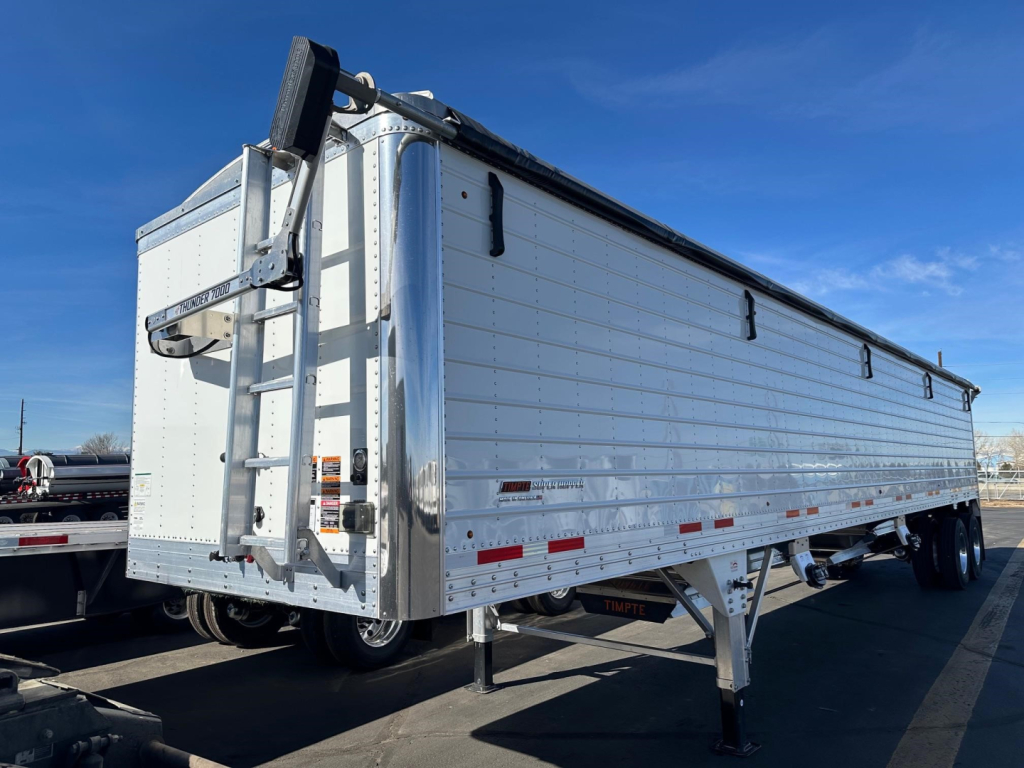
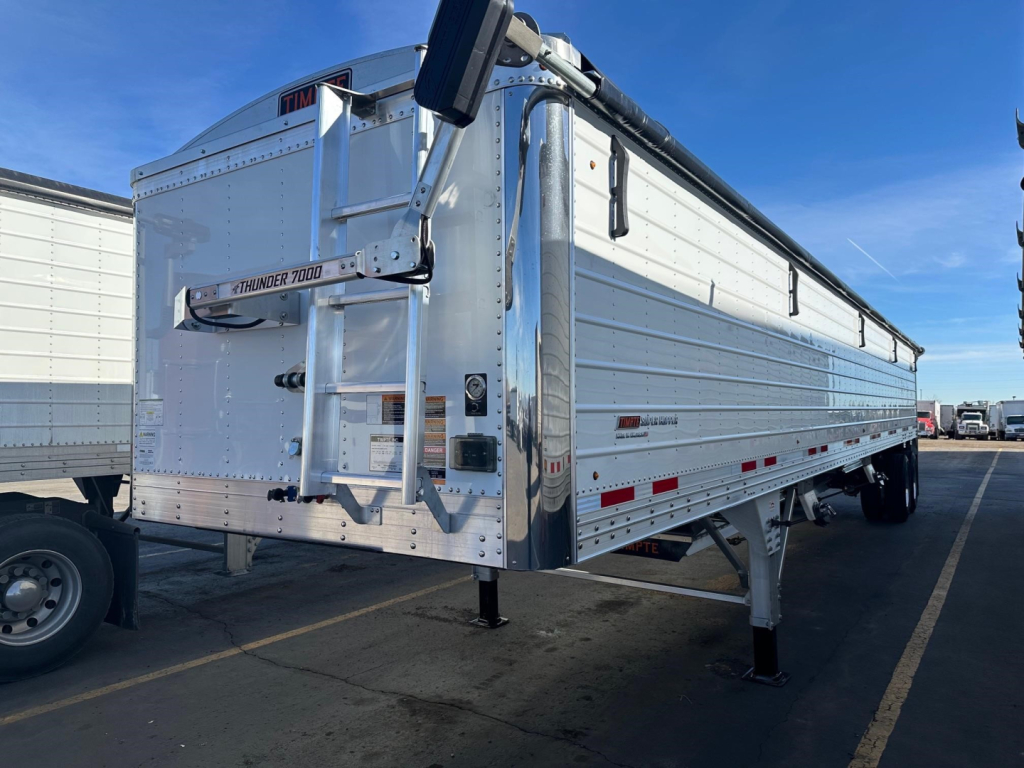
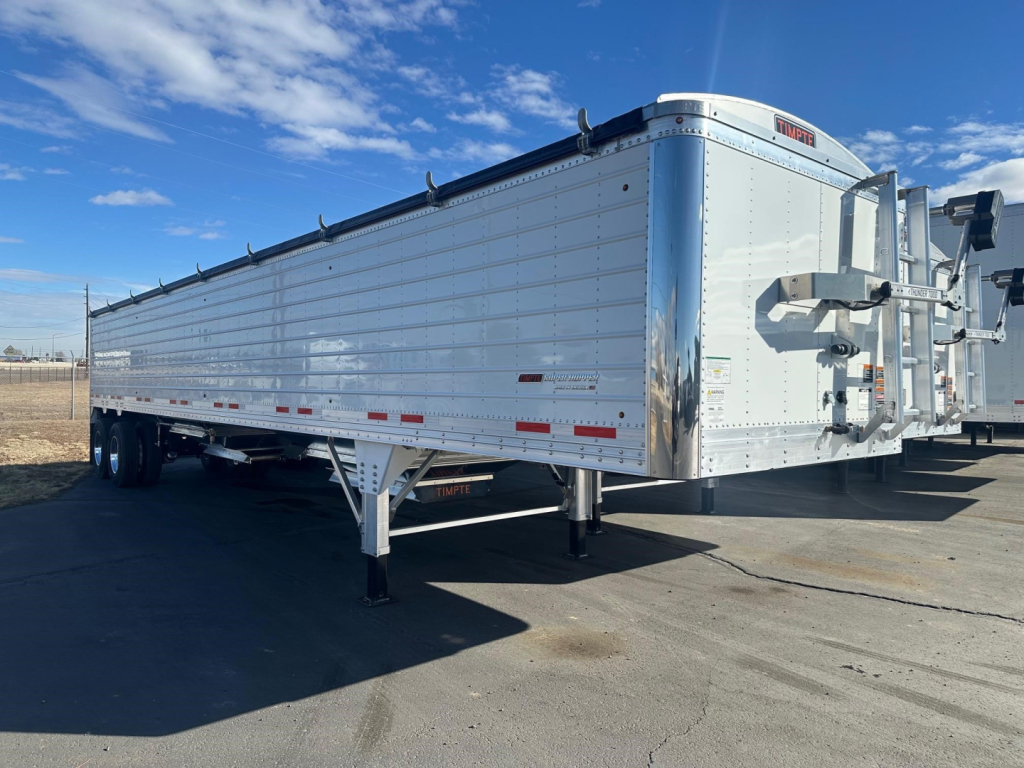
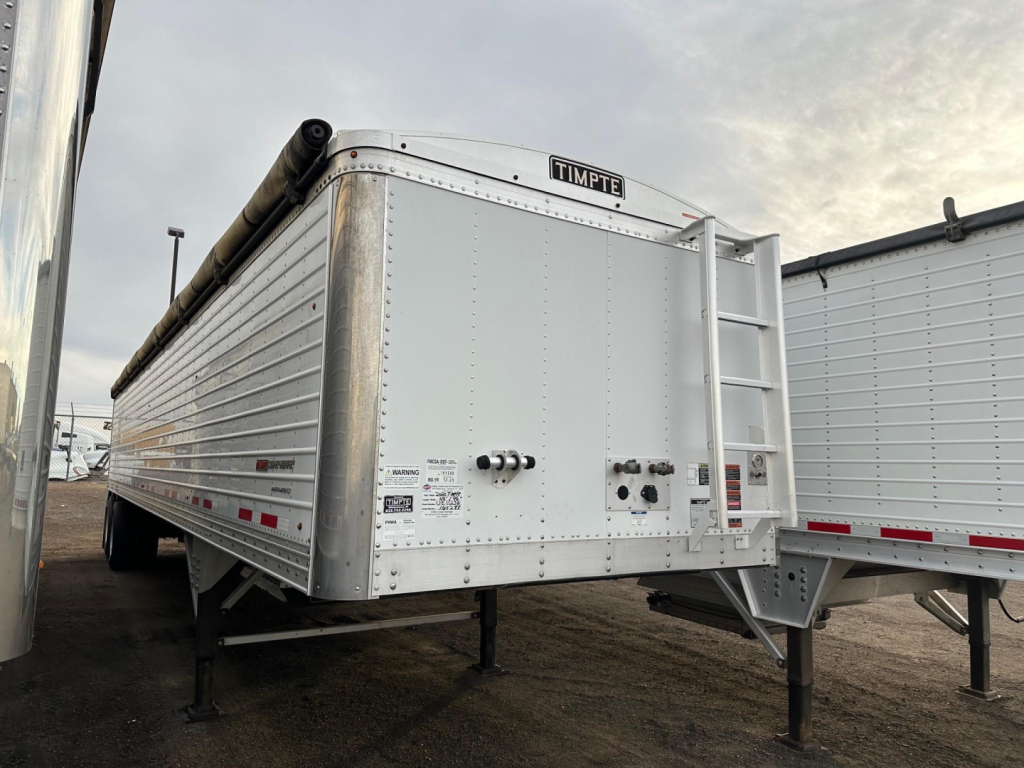
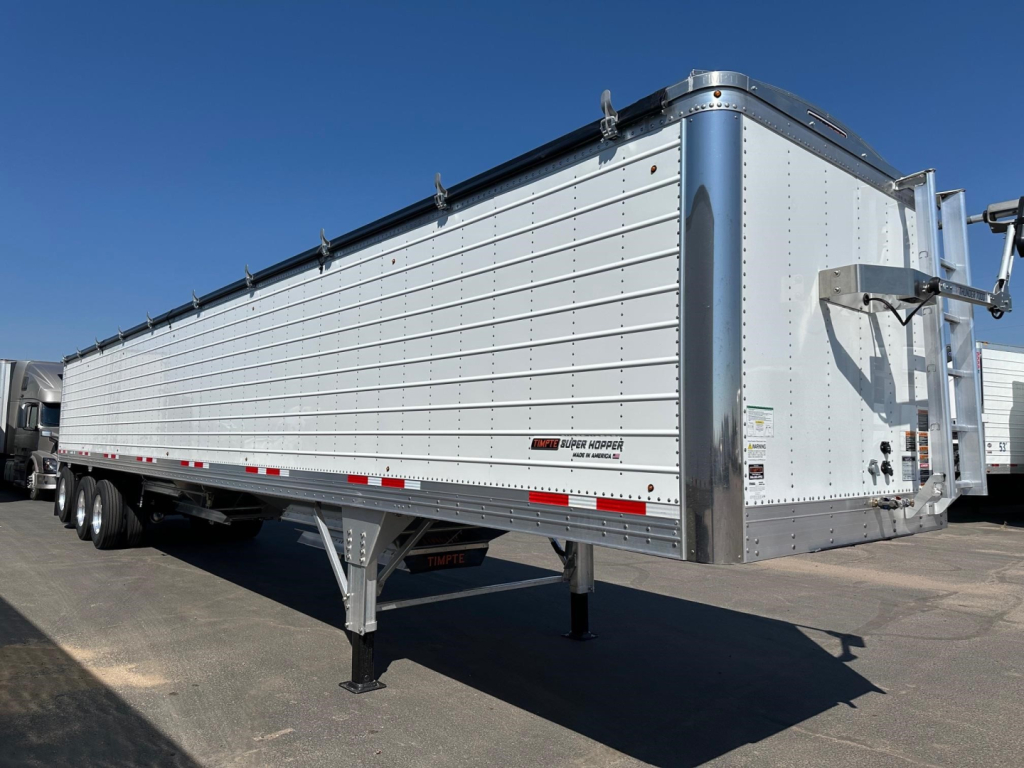
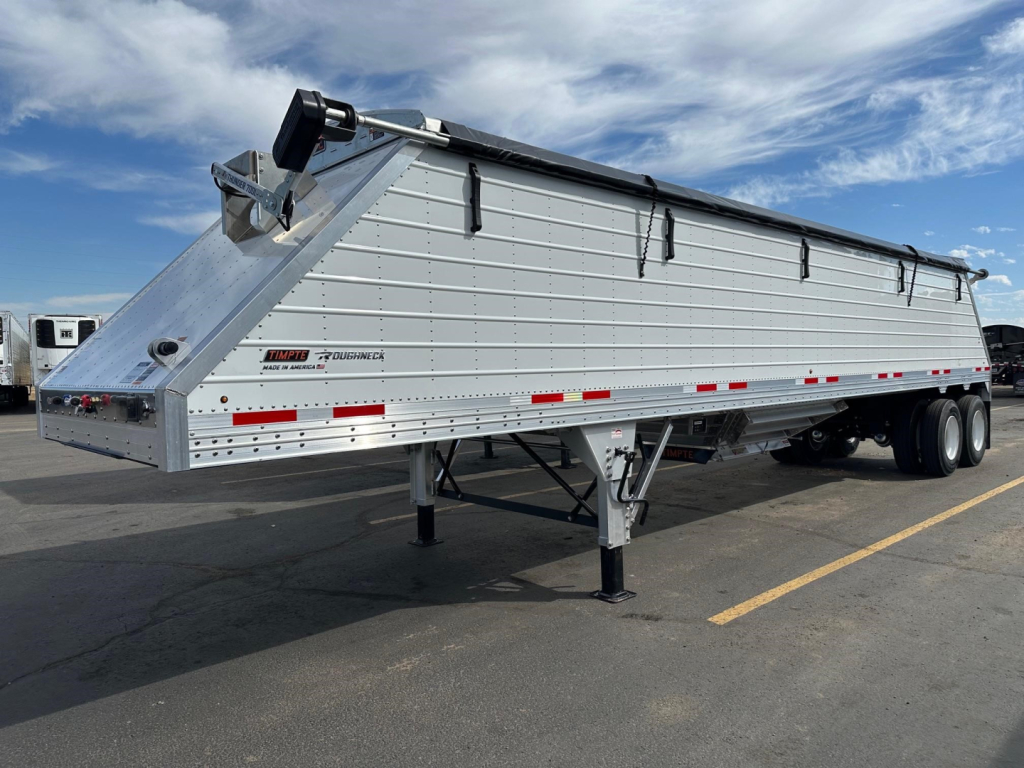
The first big decision is commodity type. A grain hopper trailer usually runs 42 to 43 feet long with 96-inch width, tandem axles, air ride suspension, and two hoppers with manual traps and a roll tarp. Side heights often fall in the mid-70-inch to high-70-inch range, which helps balance cubic capacity with legal weight on agricultural products. Sand hopper trailers and frac sand trailers are often shorter and built around denser material, with heavier-duty trap systems, hydraulic doors, knock rails, and body designs that prioritize controlled discharge and durability over maximum cube. If you are hauling multiple commodities, pay close attention to hopper opening size, gate style, and how easily the trailer cleans out between loads.
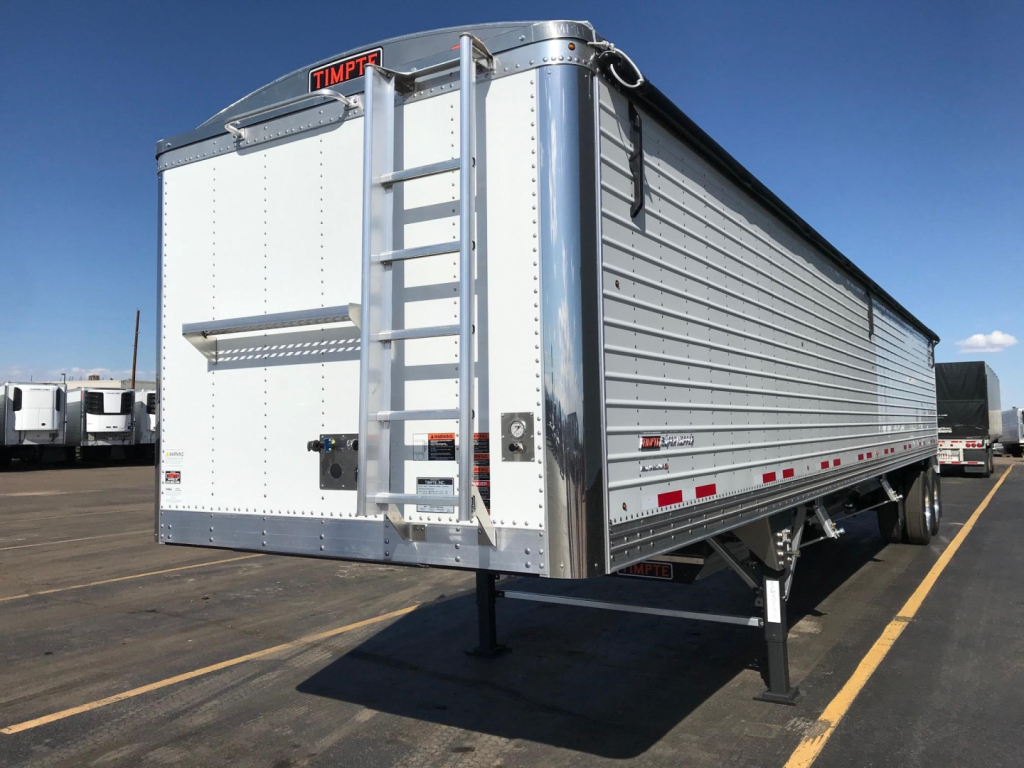
Construction details make a real difference in service life and operating cost. Aluminum composition is popular because it helps maximize payload and resists corrosion, while common features like stainless front corners, stainless rear panels, corrugated side panels, and combination wheel setups help manage wear and maintenance. Air ride remains the standard on many hopper trailers because it protects the trailer and cargo on rough roads and improves ride quality. Buyers should also check tire size, wheel material, axle rating, axle spread, landing gear, ABS compliance, and whether the trailer has practical options like front and rear ladders, catwalks, trap work lights, liquid-filled load scales, lift axles, vented hoppers, and electric or manual tarp systems.
A good hopper trailer spec is tied to where and how it will run. Colorado operators often deal with variable weather, long farm-to-elevator miles, and a mix of highway and rural roads, so tarp reliability, lighting, suspension condition, and trap-door operation deserve close inspection. Manual traps and tarps are simple and cost-effective, but hydraulic hopper doors and electric roll tarps can improve unload speed and reduce driver effort on high-cycle routes. Also review kingpin area condition, subframe integrity, landing gear wear, gate seals, and signs of commodity carryover or corrosion around traps and seams. The right hopper trailer is the one that matches your commodity density, unload setup, maintenance tolerance, and target payload without creating headaches at the scale or at the pit.
Frequently Asked Questions about Hopper Trailers in Colorado
What is the difference between an ag hopper trailer and a sand hopper trailer?
An ag hopper trailer is generally designed for grain, feed, fertilizer, and other agricultural bulk products that need cubic capacity and efficient bottom unloading. These trailers commonly use two hopper bays, taller sidewalls, and manual trap systems. A sand hopper trailer, including frac sand or bottom-drop designs, is typically built for heavier material and often uses stronger trap assemblies, different gate configurations, and specs that prioritize durability and controlled discharge rather than maximum cube.
What length and side height are common on hopper trailers?
Many grain hopper trailers are commonly found in the 40-foot to 43-foot range, with 96-inch widths and side heights roughly from the mid-60s to upper-70s in inches, depending on commodity and desired capacity. Shorter and heavier-duty hopper trailers may be used for dense materials like sand. Side height affects cubic volume, but payload is still limited by commodity weight and axle laws, so taller sides do not always mean more legal tons.
Are manual or hydraulic hopper doors better?
Manual hopper doors are common on grain trailers because they are simple, proven, and less expensive to maintain. Hydraulic hopper doors are often preferred on higher-cycle applications or denser commodities because they reduce driver effort and can speed up unloading. The better choice depends on your commodity, unload frequency, and maintenance approach. Buyers should inspect door seals, linkage wear, and how smoothly the trap opens and closes under load.
Why do many hopper trailers use aluminum construction and air ride suspension?
Aluminum helps reduce trailer tare weight, which can improve legal payload and corrosion resistance. That makes it a popular choice for grain and other bulk commodities where every pound matters. Air ride suspension is widely used because it improves ride quality, helps protect the trailer structure on rough roads, and can reduce shock to the commodity during transport. Together, aluminum construction and air ride are a common spec for modern hopper trailers focused on payload and longevity.
What should I inspect first on a used hopper trailer?
Start with the trap doors, hopper seams, subframe, kingpin area, suspension, brakes, and landing gear. On hopper trailers, wear often shows up around discharge openings, gate seals, and moving trap components. Also inspect the tarp system, ladders, catwalks, light wiring, wheel ends, and any signs of corrosion, cracking, or commodity buildup. A trailer can look clean from the outside and still have expensive issues in the hopper structure or discharge hardware.