
2026 Hopper Trailers For Sale in Colorado
Shop 2026 hopper trailers for sale in Colorado. Compare grain trailer specs like length, side height, hopper style, axle setup, tarp, and suspension.
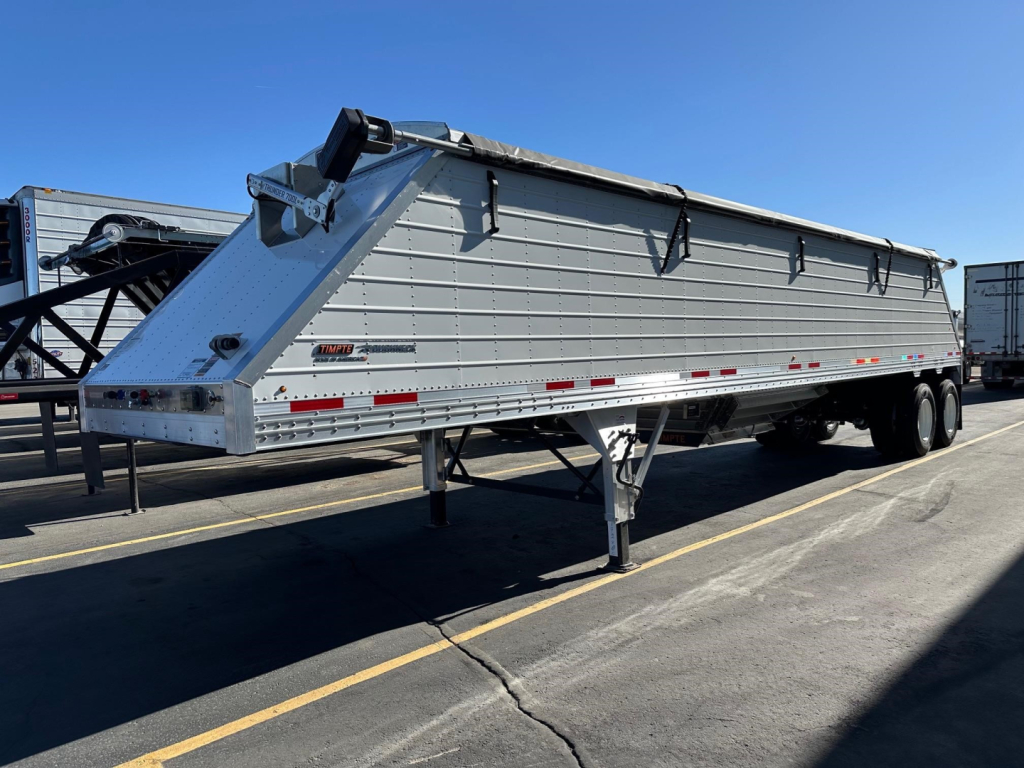
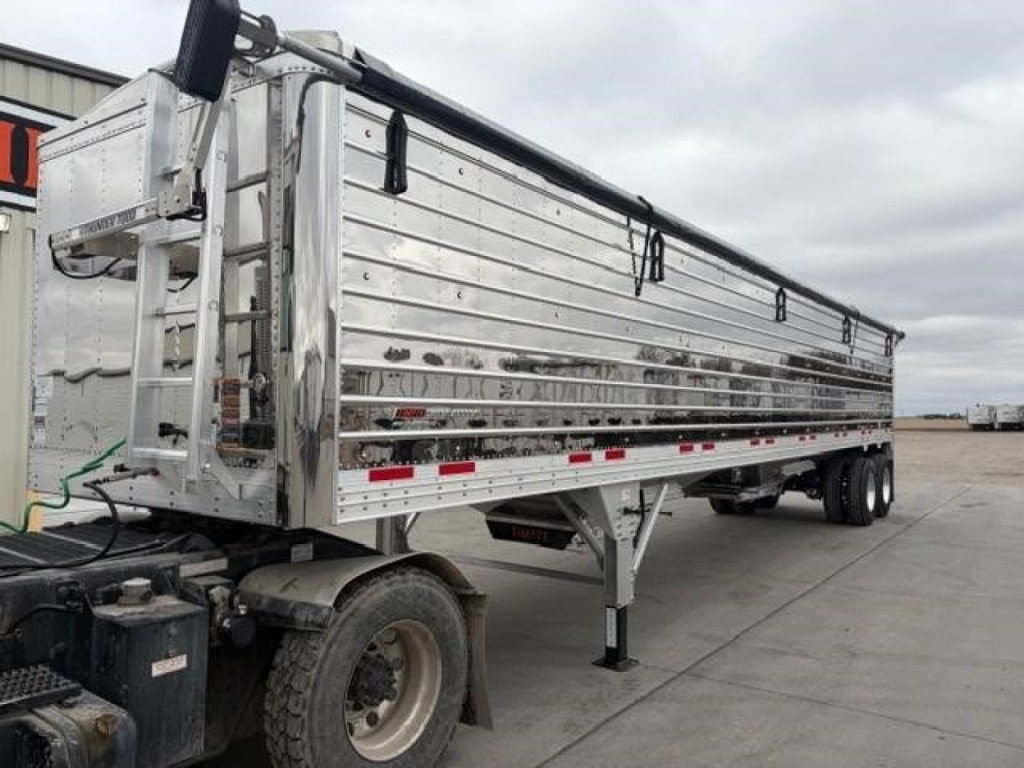
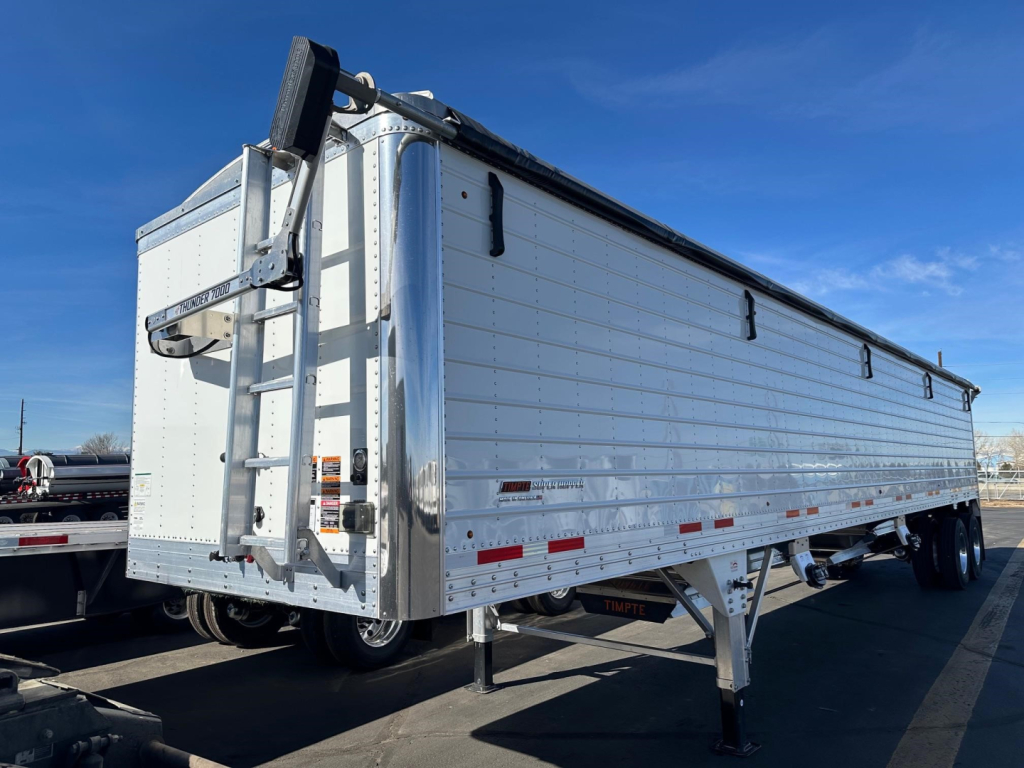
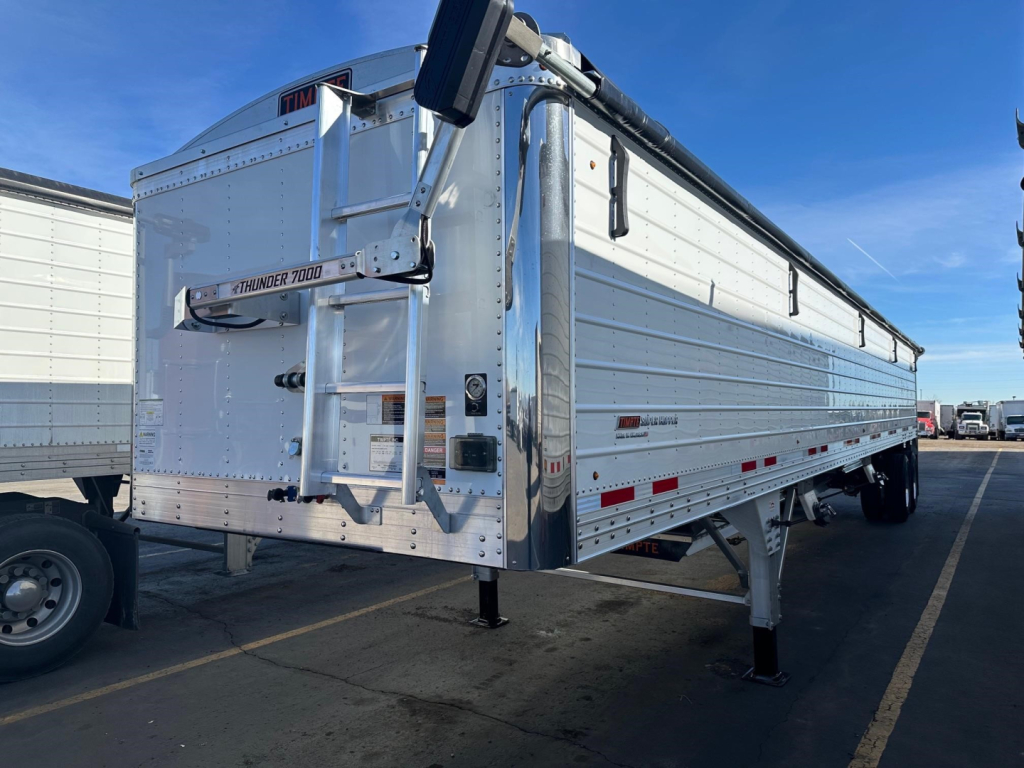
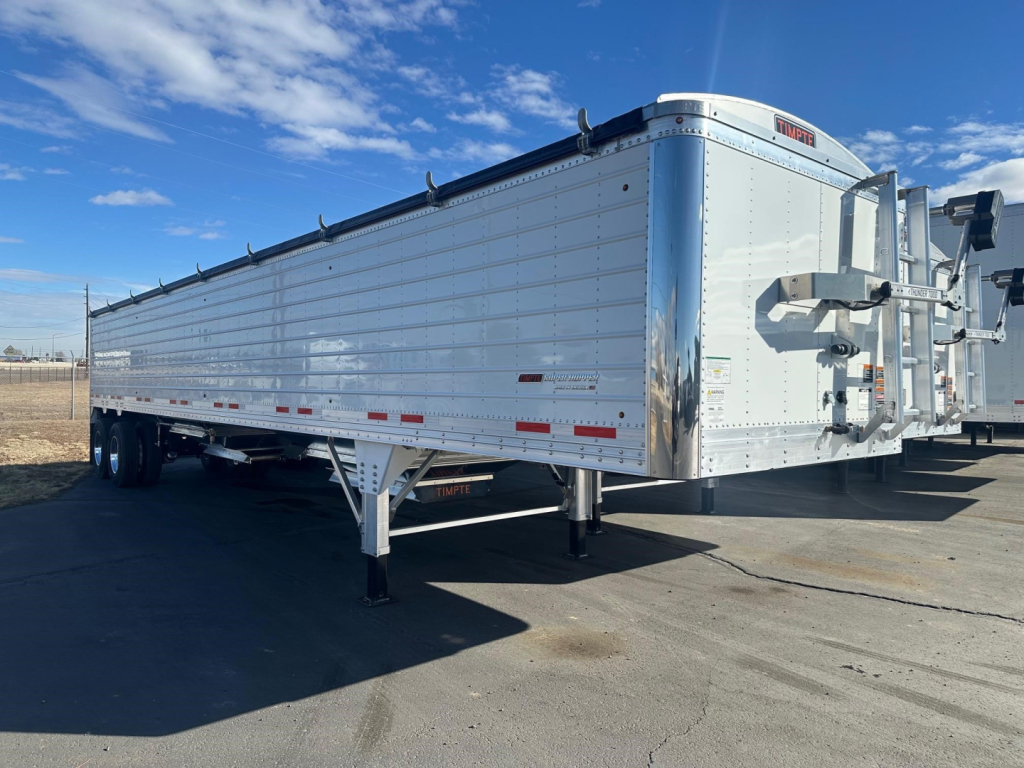
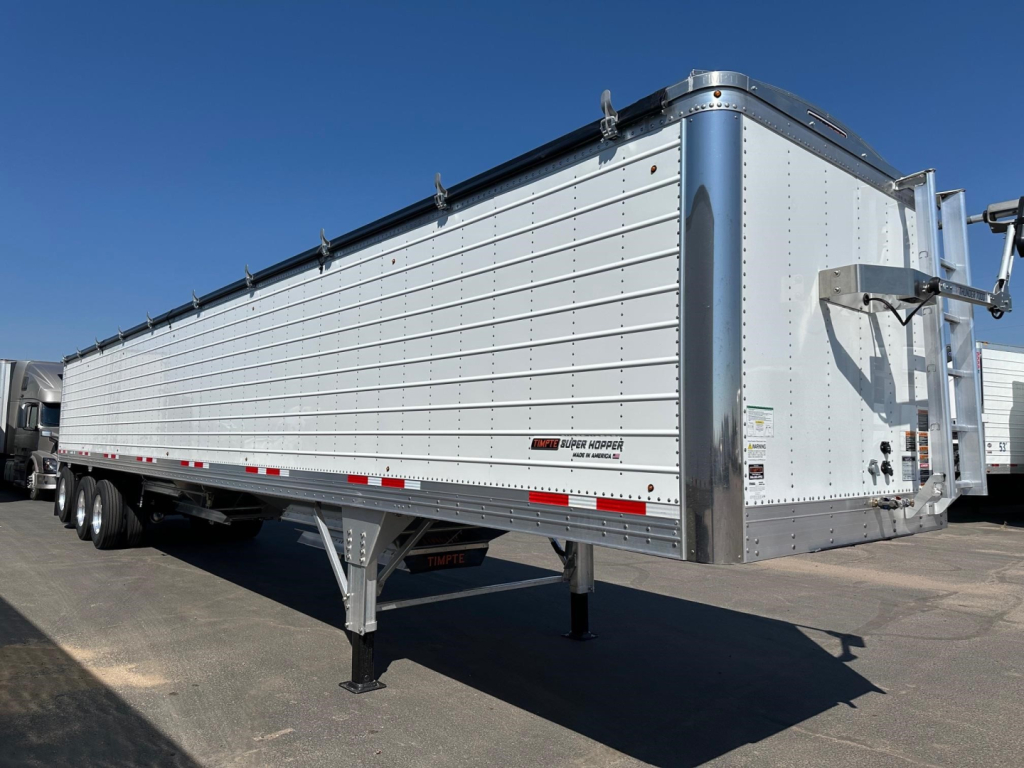
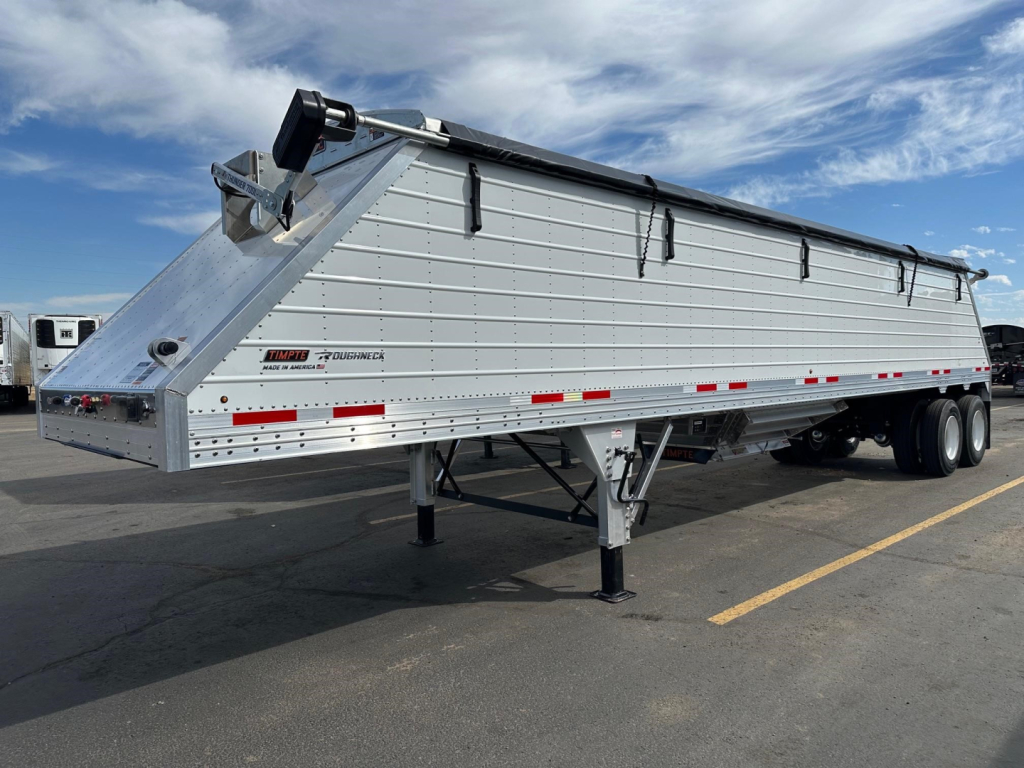
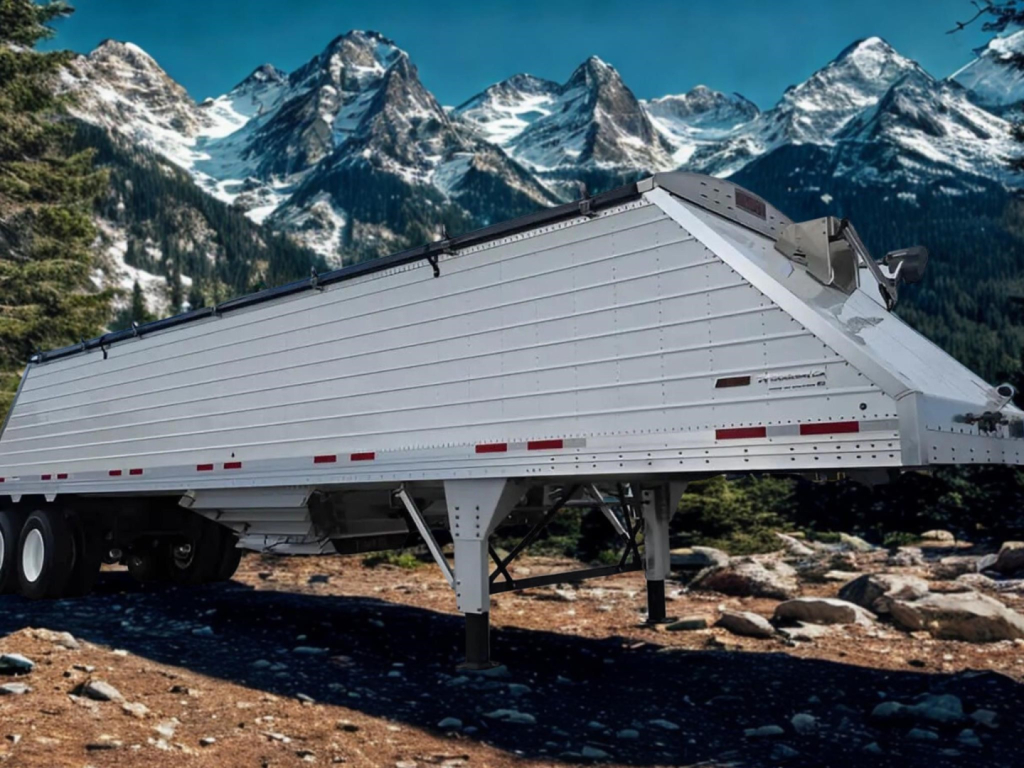
Selling a 2026 hopper trailer? List your 2026 hopper trailer for sale and reach thousands of commercial buyers.
2026 Hopper Trailers in Colorado
Frequently Asked Questions about 2026 Hopper Trailers in Colorado
What size hopper trailer is most common for grain hauling?
A common grain hopper configuration is 42 to 50 feet long and 96 inches wide, with side heights selected to match desired cubic capacity and legal payload goals. Shorter trailers can be easier to maneuver and may fit certain farm and elevator operations better, while longer trailers generally maximize volume for light commodities. Buyers should compare side height, overall trailer weight, and axle spacing together because capacity on paper does not always translate into legal net payload on the road.
Should I choose a tandem or tri-axle hopper trailer?
Tandem axle hopper trailers remain common because they are lighter, simpler, and widely accepted across grain applications. A tri-axle hopper can make sense when bridge formula, commodity density, or route requirements support the extra axle, especially in regional operations trying to optimize legal weight distribution. The tradeoff is added tare weight, more tires and brakes to maintain, and a more complex suspension setup if a lift axle is involved.
What features matter most on a hopper bottom trailer?
The most important features usually include hopper and trap design, suspension type, tarp system, load scale, and material construction. Buyers also pay close attention to side sheet style, stainless front corners, rear panels, catwalk and ladder layout, wheel specification, and tire size. A well-configured trailer should unload cleanly, seal well at the gates, hold up to corrosive exposure, and fit the loading and unloading practices used in the operation.
Is air ride the best suspension for a hopper trailer?
Air ride is popular on hopper trailers because it improves ride quality, helps protect cargo, and is generally preferred for highway use and mixed road conditions. It can also help reduce shock loading into the trailer structure compared with a harsher suspension. The best choice still depends on route conditions, maintenance practices, and how often the trailer sees rough field entrances, scales, and uneven elevator approaches.
Why are tarp systems and traps such a big deal on grain trailers?
Tarp systems and trap assemblies directly affect daily efficiency. A reliable roll tarp helps protect commodity quality, reduce loss, and speed up loading and unloading, while well-designed traps and dump valves improve flow and reduce operator effort. Manual systems can be cost-effective and straightforward, but electric tarp systems and scale options can save time on high-cycle operations where the trailer is loaded and emptied repeatedly through the week.