
2026 Timpte Hopper Trailers For Sale in Colorado
Shop 2026 Timpte hopper trailers for grain, feed, fertilizer, and sand hauling. Compare specs, side heights, tarp systems, and suspension options.
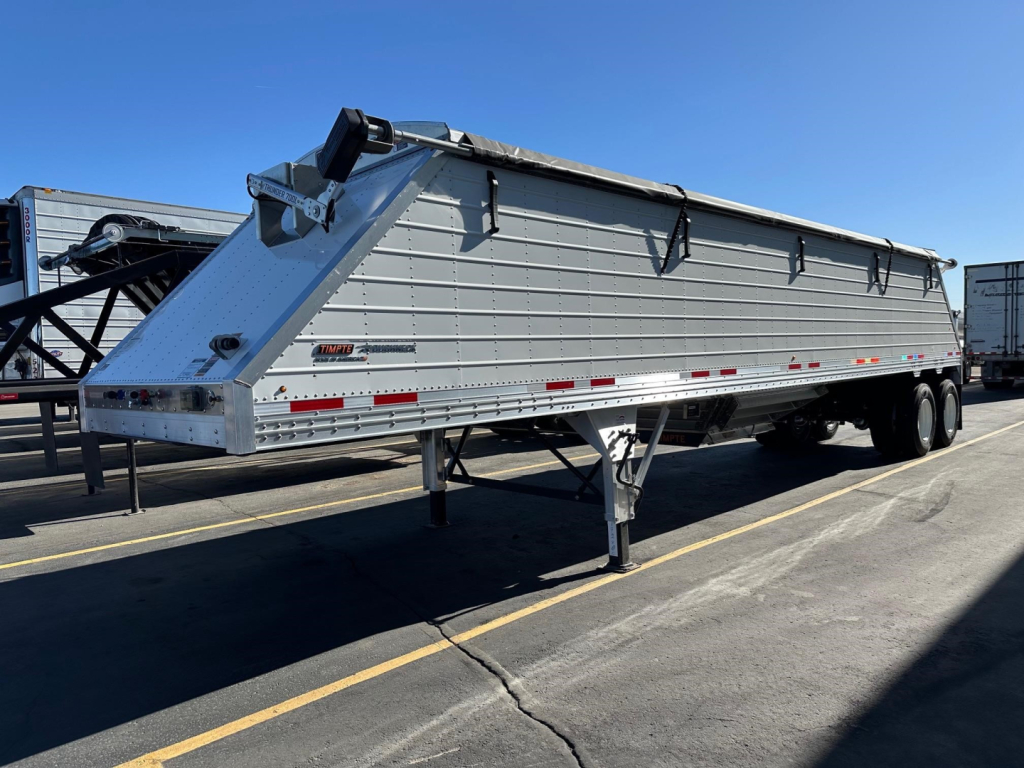
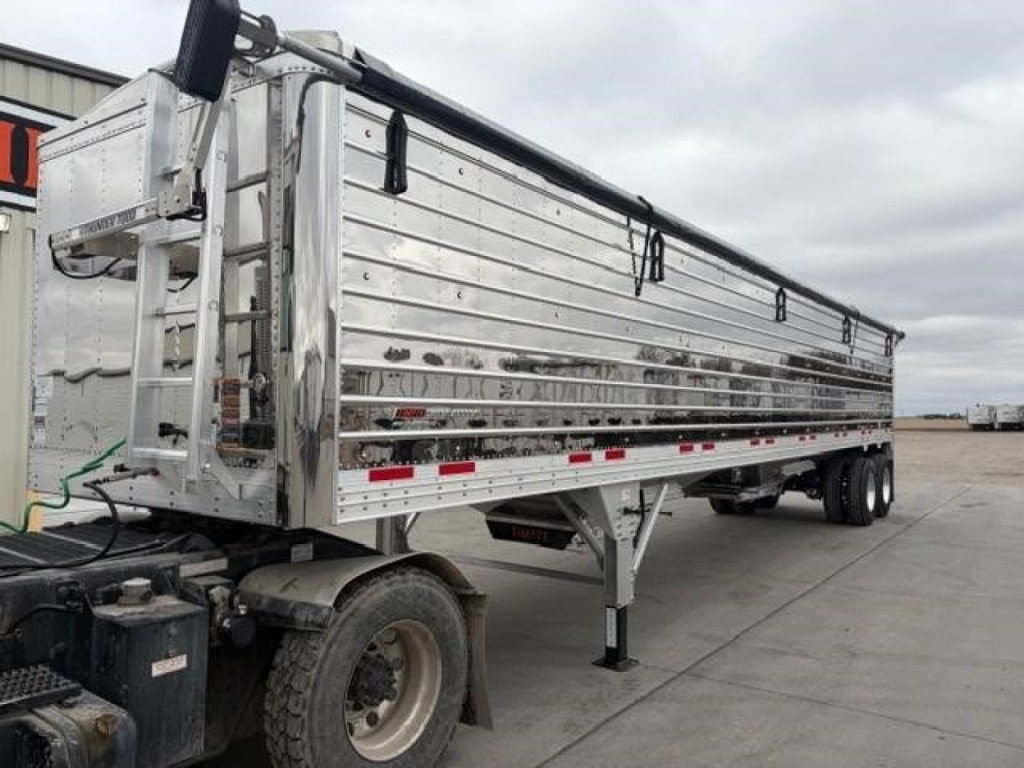
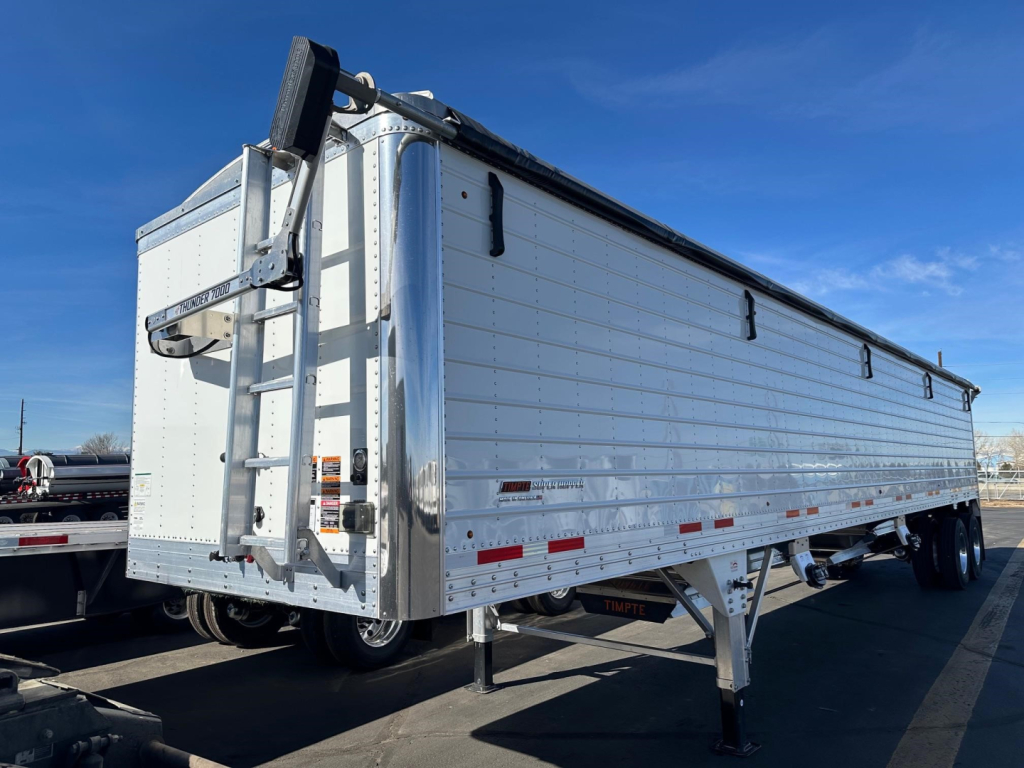
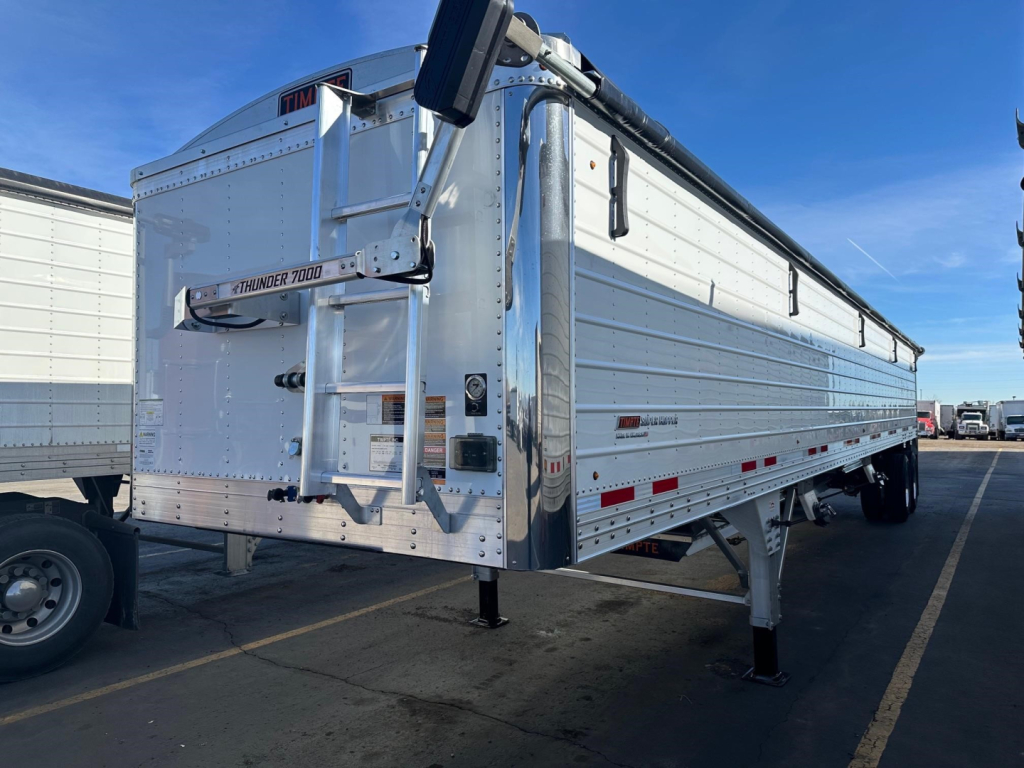
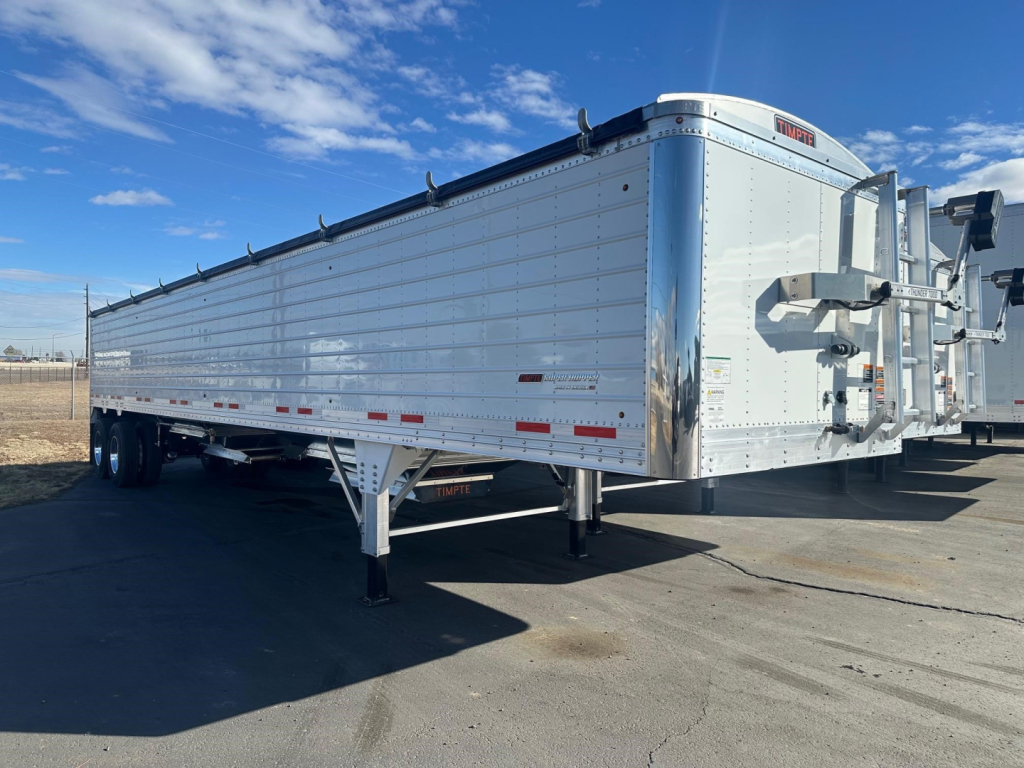
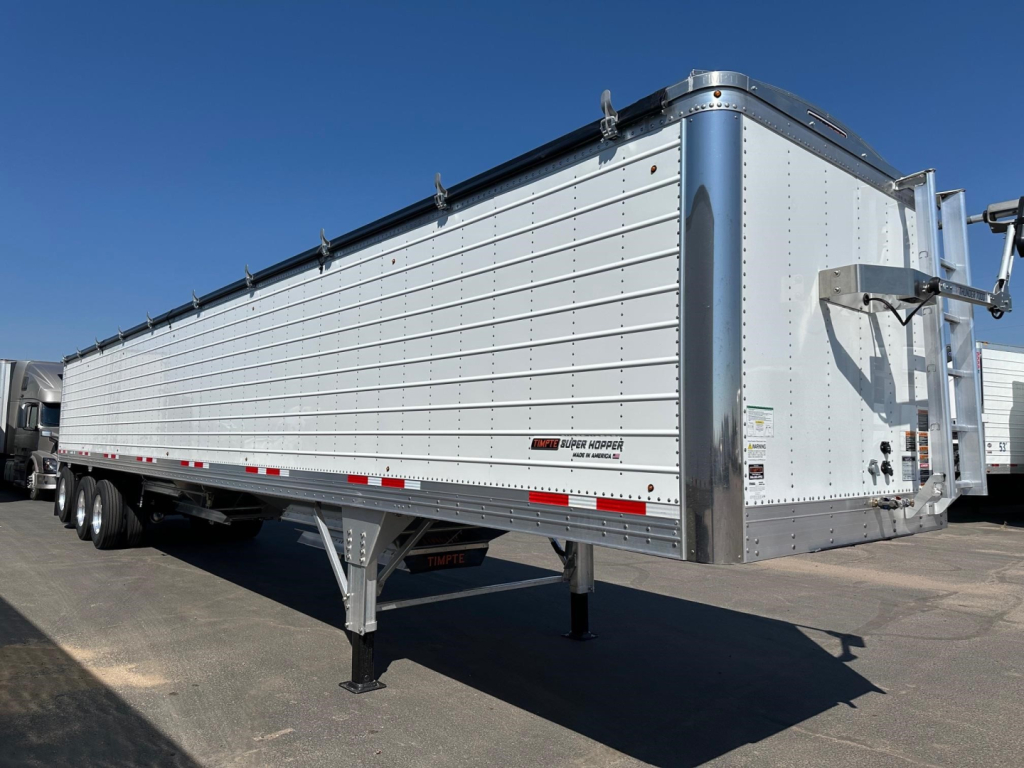
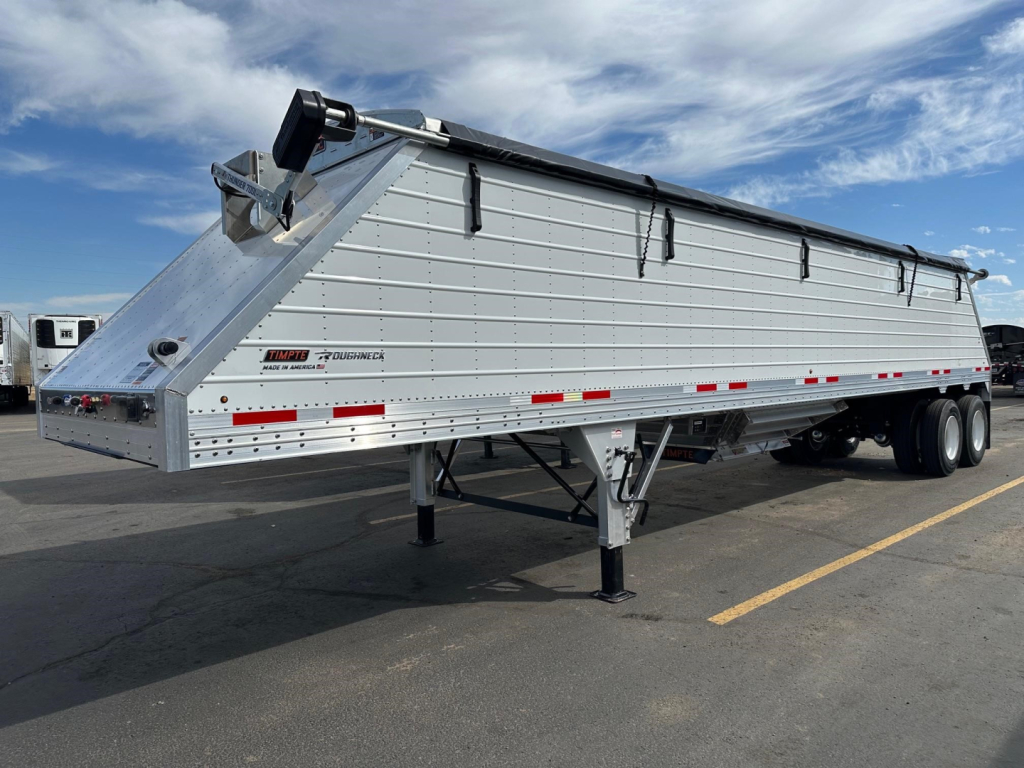
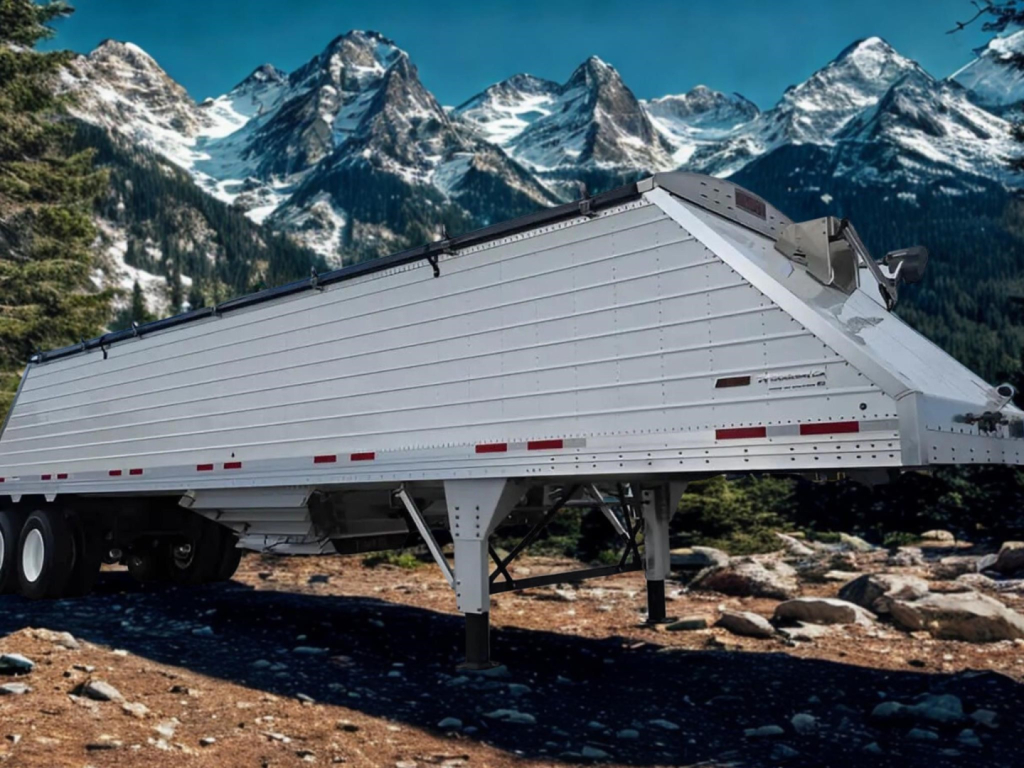
Selling a 2026 timpte hopper trailer? List your 2026 timpte hopper trailer for sale and reach thousands of commercial buyers.
2026 Timpte Hopper Trailers in Colorado
For Colorado operators, tare weight, weather protection, and suspension spec matter. Air ride closed tandem setups are common because they balance ride quality with commodity protection and broad fleet acceptance. Buyers should pay close attention to tire size, wheel material, and inflation support systems such as PSI, especially if the trailer will see long highway miles and seasonal demand swings. Electric rollover tarps are popular for faster load securement, while manual tarps still appeal to buyers prioritizing lower initial cost and simpler maintenance. Load scale systems, scale gauges, and dump valves are also high-value options because they help manage payload, avoid overweight tickets, and speed unloading at elevators, mills, or transload sites.
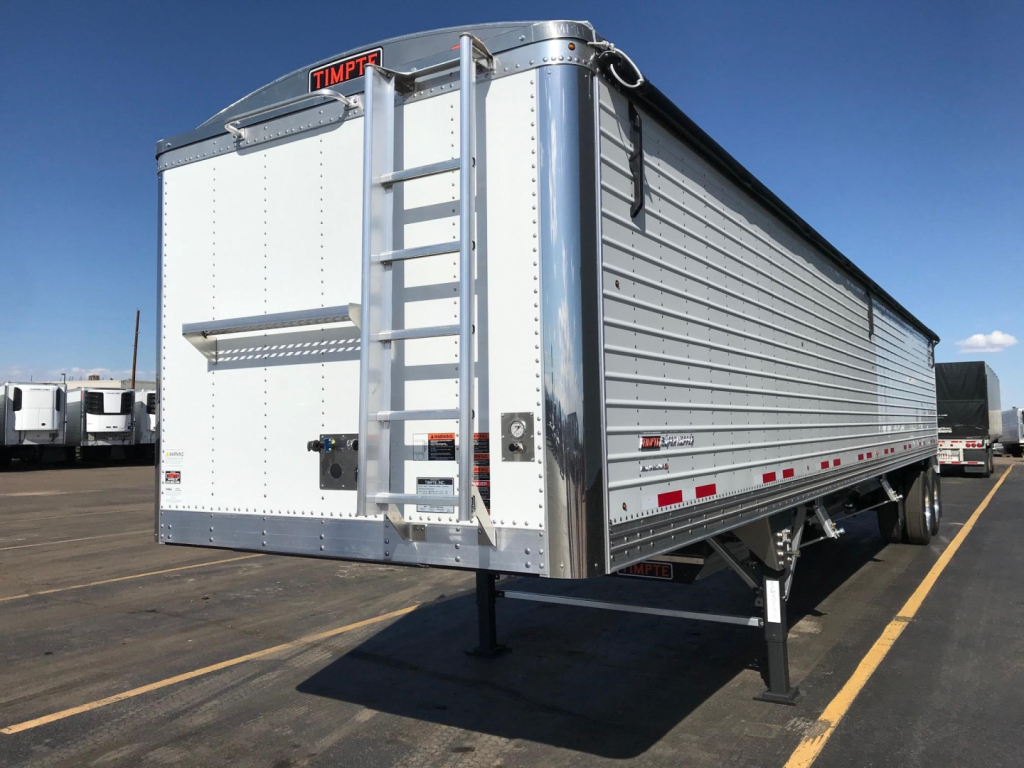
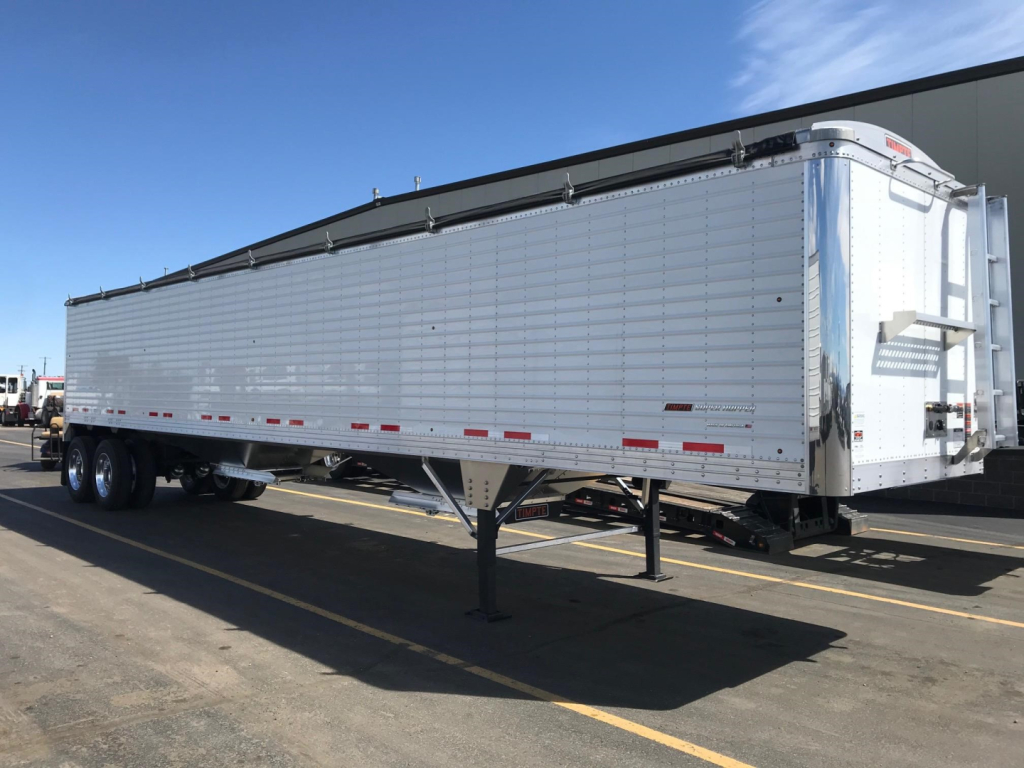
Body construction details separate one hopper trailer from another. Timpte units commonly feature corrugated side panels for strength, stainless front corners, stainless rear panels, ladders, catwalks, and knock rails on ag configurations. Side height affects cubic capacity, but it also changes center of gravity and loading flexibility, so it should match the commodity and route profile. A 66-inch side trailer may fit one operation better than a 72-inch or 78-inch side trailer depending on product density and legal payload targets. Hopper door design matters too. Ag hoppers are suited to grain and feed, while specialized single-hopper setups with hydraulic or EZ-flow style trap systems are often chosen for frac sand or other dense, controlled-flow materials.
A buyer comparing 2026 Timpte hopper trailers should look closely at commodity type, desired cubic volume, unload environment, and axle placement. Closed tandem axle configurations are common, but kingpin setting and suspension layout still affect bridge compliance, tractor match, and maneuverability. Lighting package, ladder access, rear visibility, and wheel specification all influence day-to-day usability. Timpte remains a strong choice for operators who want a premium aluminum hopper trailer with broad acceptance in ag and bulk markets, especially when the trailer is spec'd correctly for the commodity, region, and unloading method.
Frequently Asked Questions about 2026 Timpte Hopper Trailers in Colorado
What are the most important specs to compare on a 2026 Timpte hopper trailer?
The most important specs are length, width, side height, hopper configuration, suspension type, axle layout, tarp system, and weight-related options such as onboard scales. A buyer should also compare wheel and tire spec, door style, and construction details like stainless front corners or rear panels. These choices affect cubic capacity, tare weight, unload speed, maintenance cost, and how well the trailer matches the commodity being hauled.
What is the difference between a two-hopper ag trailer and a single-hopper sand trailer?
A two-hopper ag trailer is designed for grain, feed, seed, and similar free-flowing commodities that unload efficiently through separate hopper outlets. A single-hopper sand trailer is typically built for more controlled discharge and may use a specialized trap door or hydraulic opening system. The right choice depends on commodity density, unload point setup, and how precisely the flow needs to be managed.
How do side height and trailer length affect capacity on a Timpte hopper?
Side height and trailer length work together to determine cubic volume. A longer 42-foot trailer with taller sides generally carries more volume than a shorter or lower-side trailer, but payload still depends on commodity density and legal axle weights. Taller sides can improve volume for lighter commodities, while lower sides may be a better fit for heavier products where weight limits are reached before the trailer is physically full.
Are electric rollover tarps worth it on a hopper trailer?
Electric rollover tarps are often worth the added cost for operations with frequent loading cycles because they save time and reduce driver effort. They can improve consistency in bad weather and help with compliance when loads must be covered quickly. Manual tarps remain a valid option for buyers who want lower upfront cost and fewer electrical components to maintain.
Why are onboard scales and tire inflation systems common on hopper trailers?
Onboard scales help drivers load more accurately, reduce the risk of overweight citations, and improve dispatch efficiency when every pound of legal payload matters. Tire inflation systems such as PSI help maintain proper tire pressure across long runs, which can reduce irregular wear, improve tire life, and support better fuel economy. Both options are especially useful in high-mileage bulk commodity operations.