
2026 Timpte Hopper Trailers For Sale
Shop 2026 Timpte hopper trailers for grain and bulk ag hauling. Compare Super Hopper specs, side heights, tarp options, suspensions, and doors.
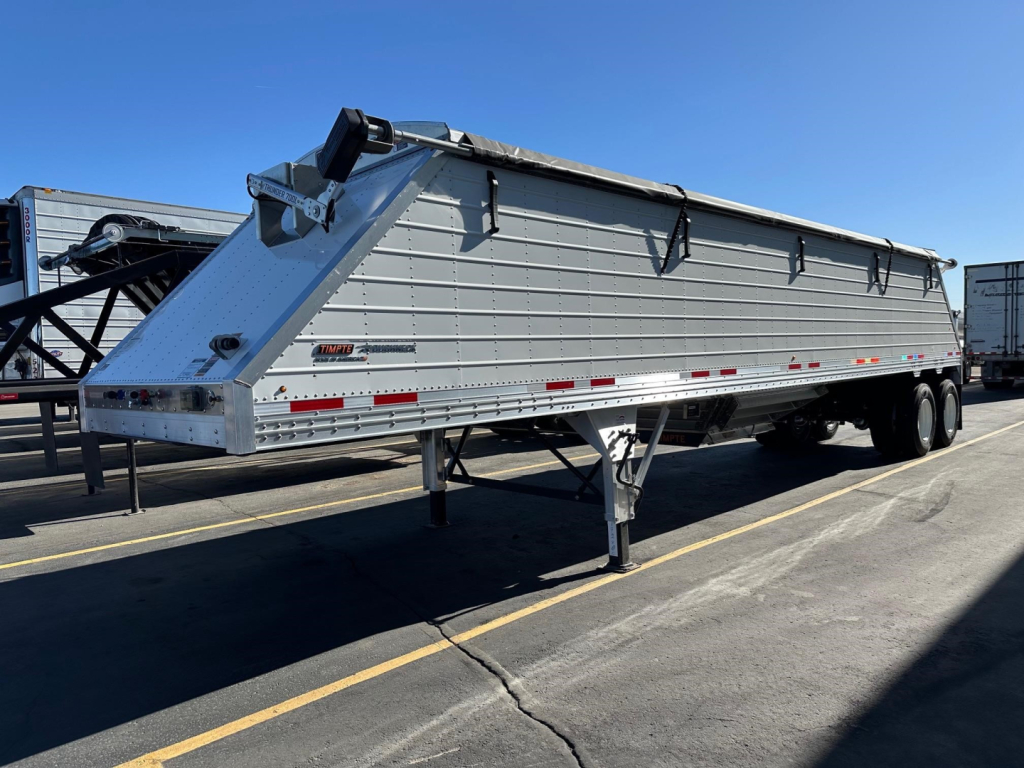
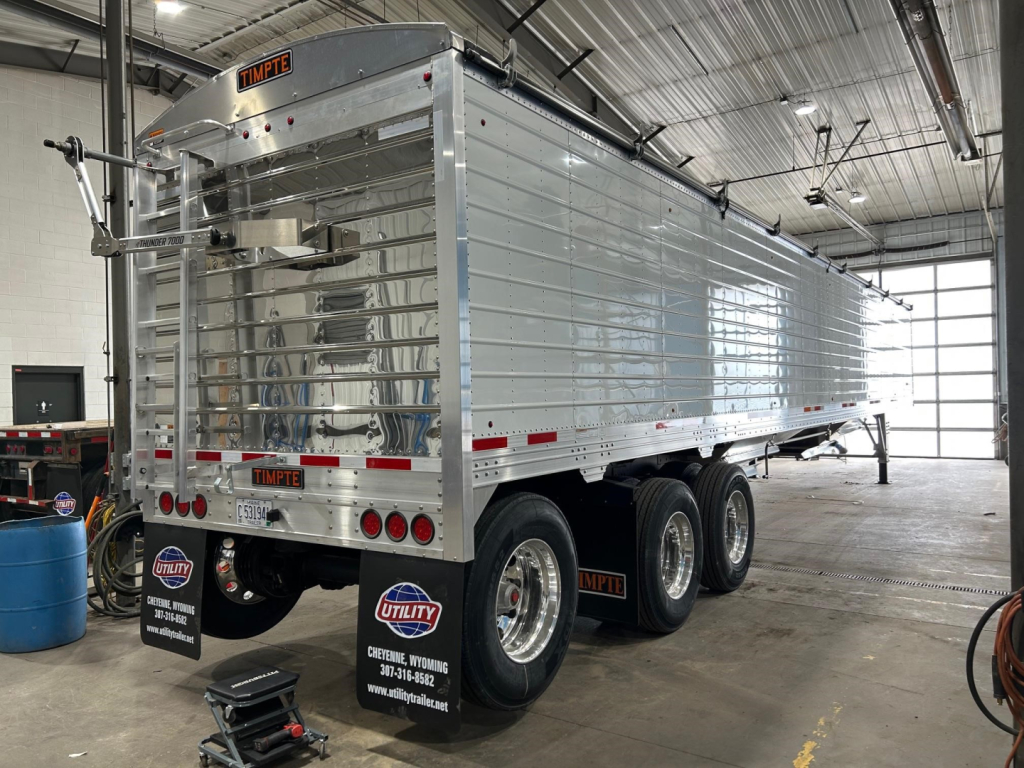
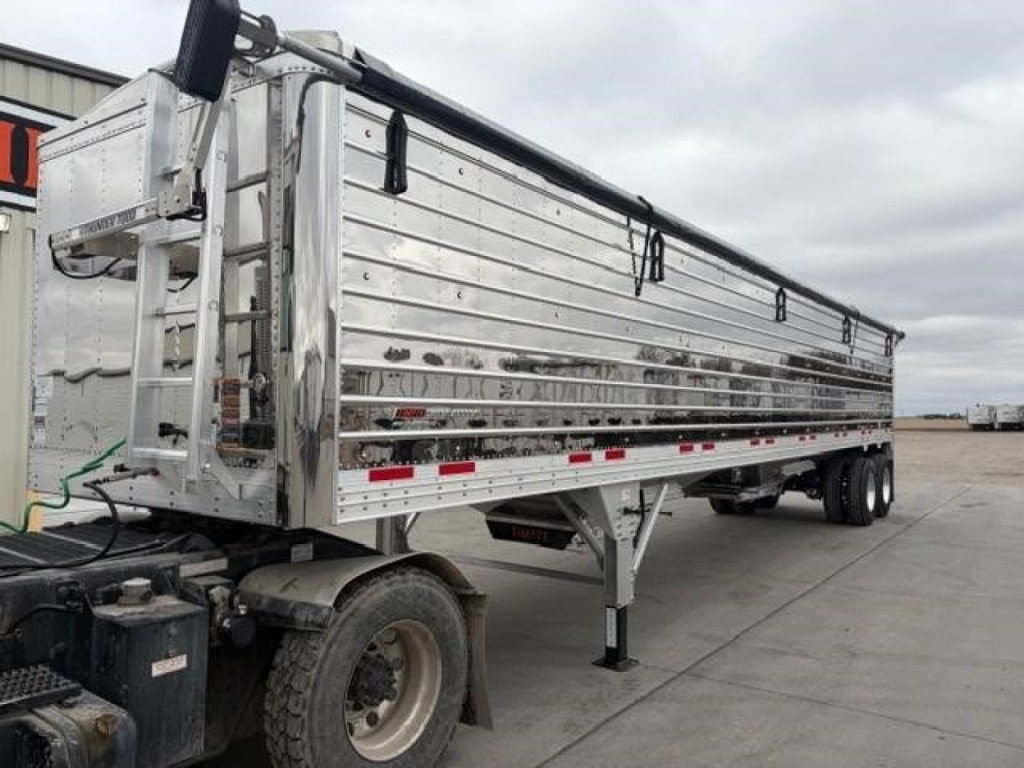
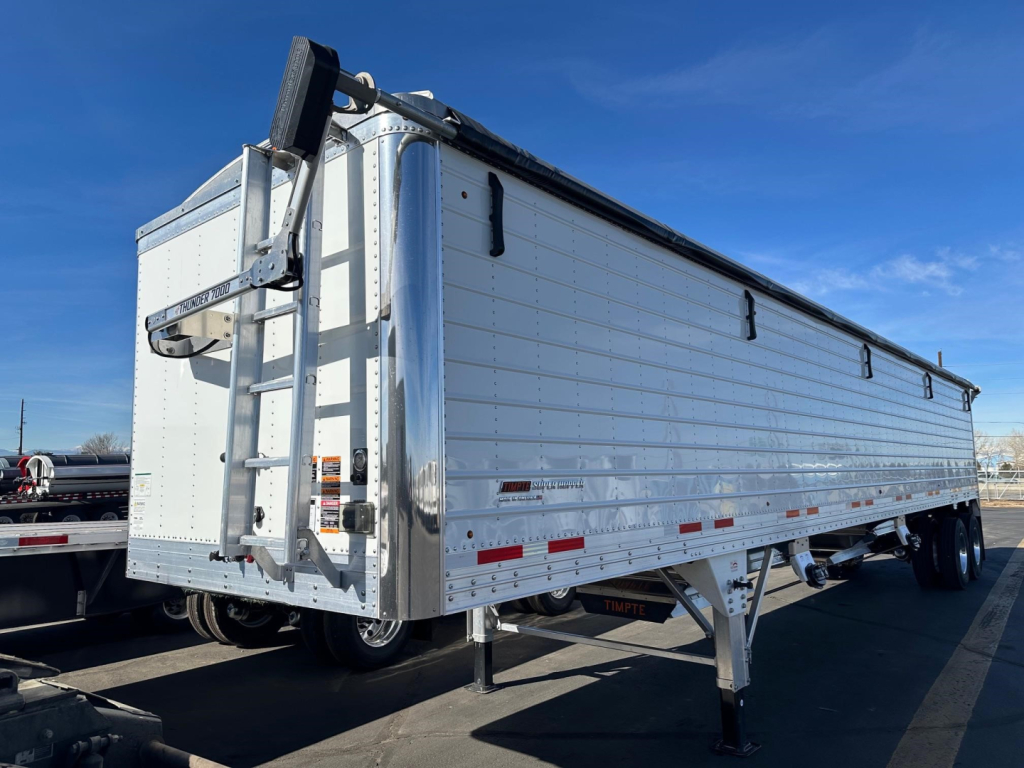
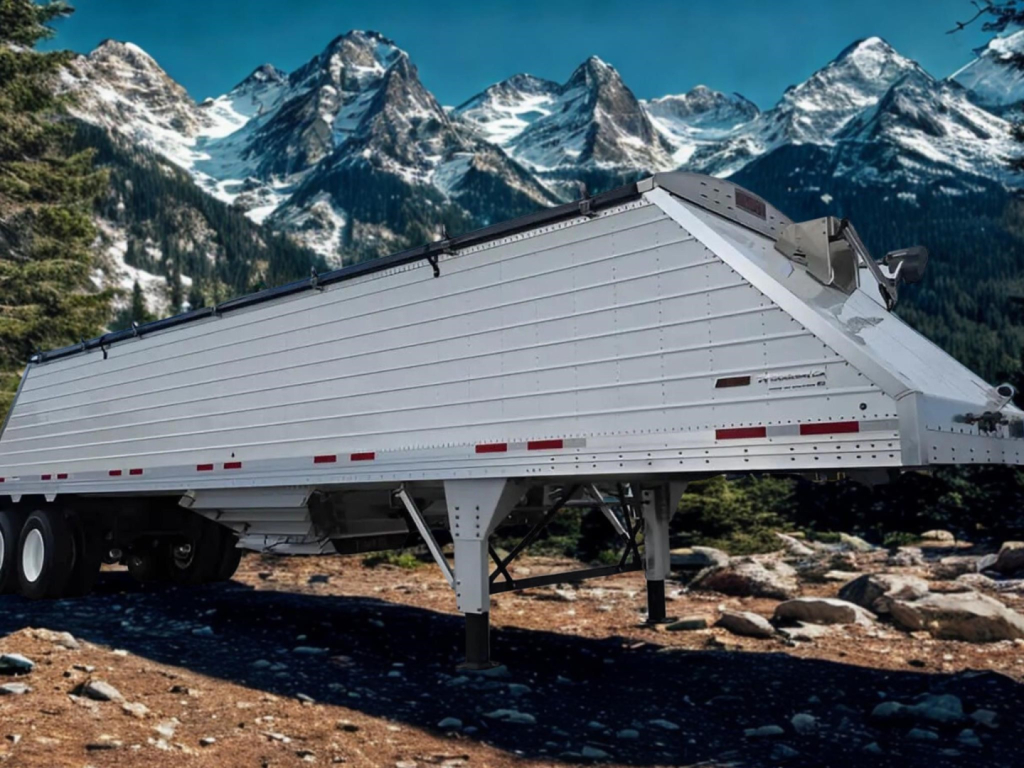
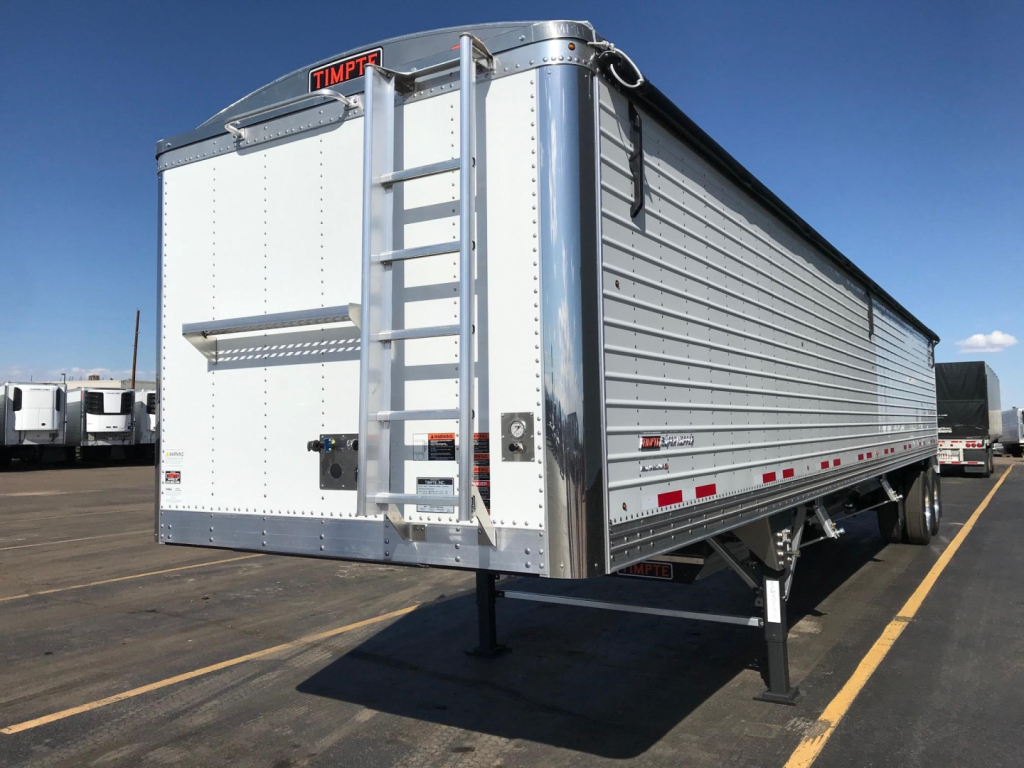
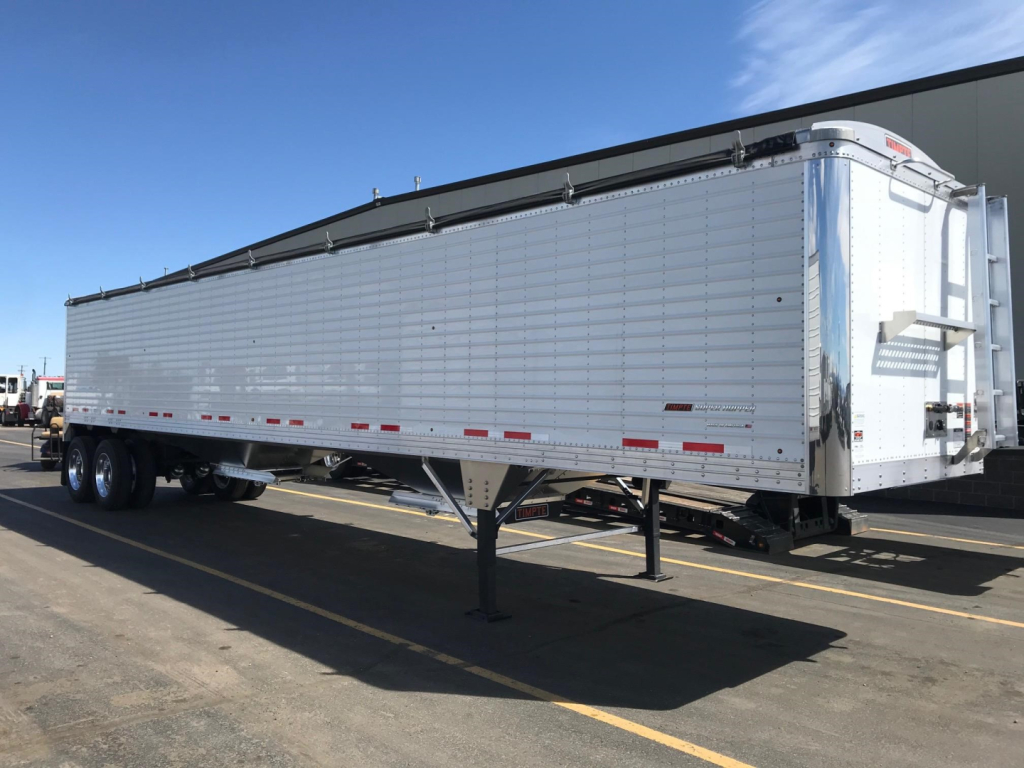
Selling a 2026 timpte hopper trailer? List your 2026 timpte hopper trailer for sale and reach thousands of commercial buyers.
2026 Timpte Hopper Trailers
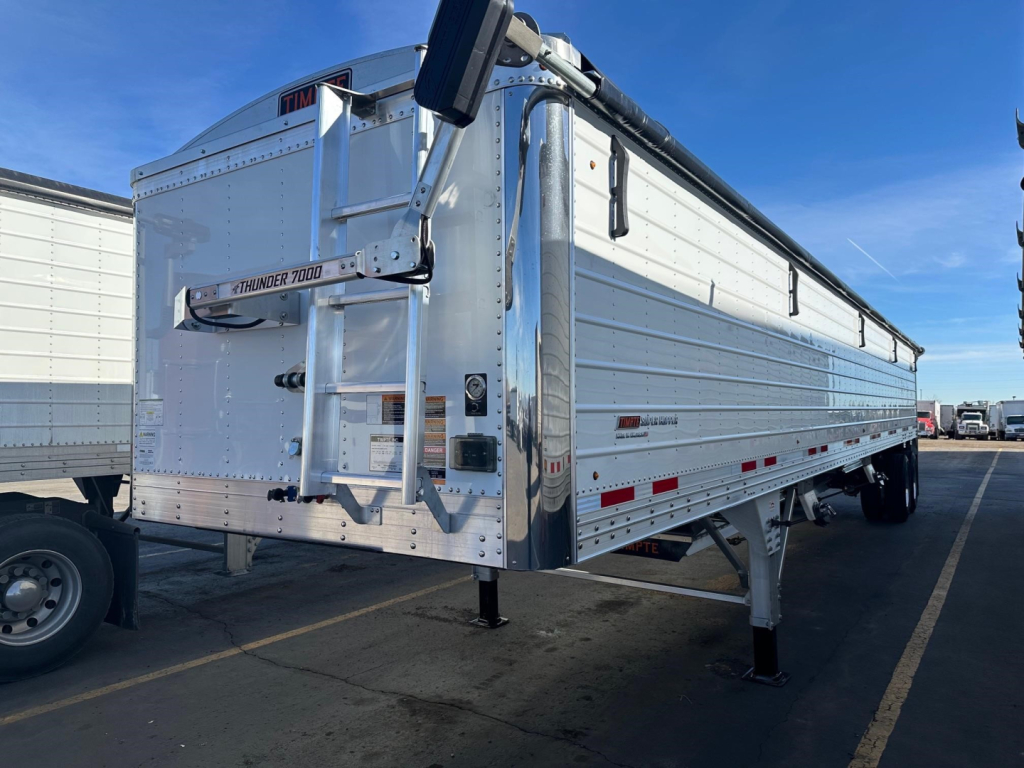
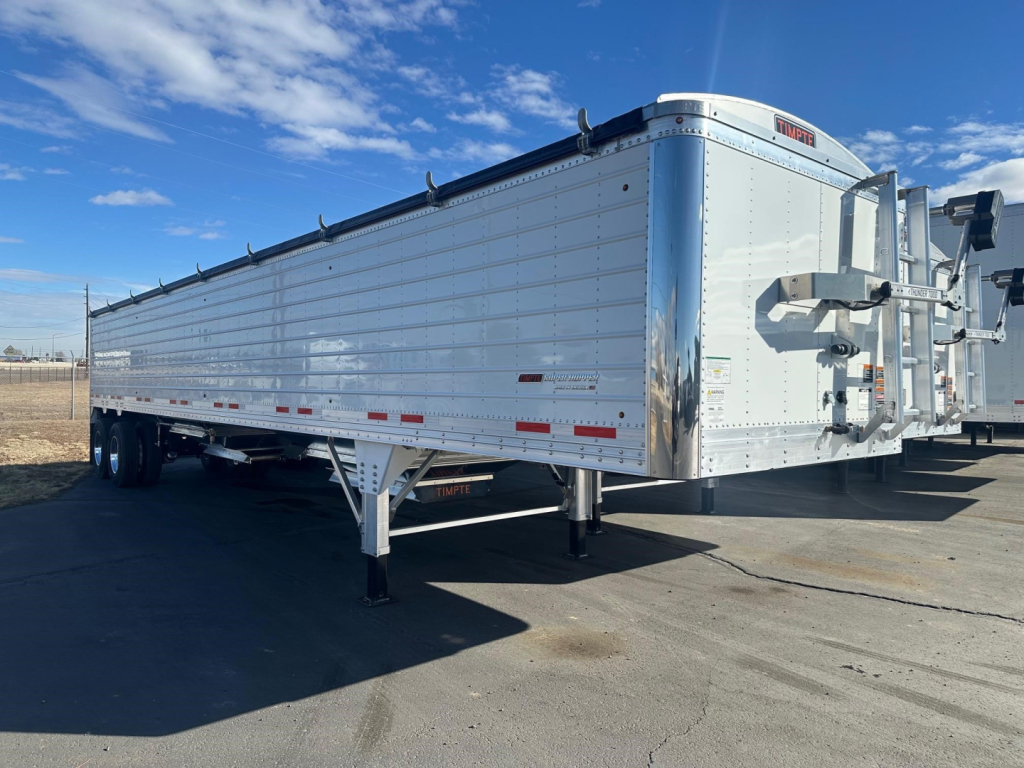
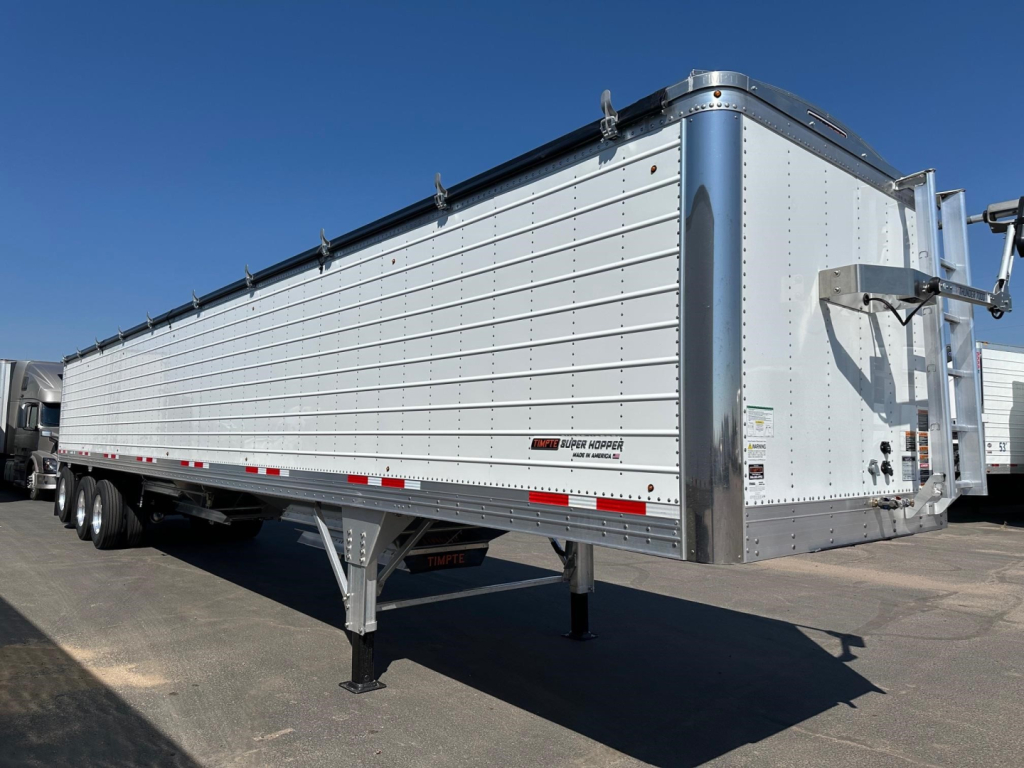
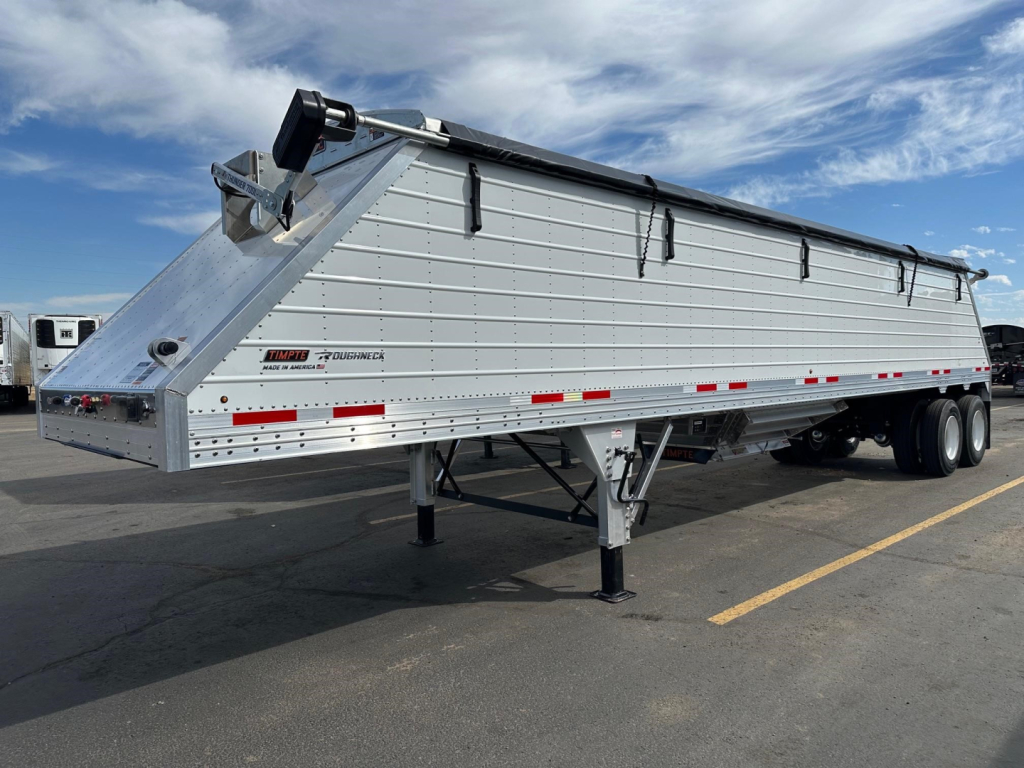
The main spec decisions usually start with side height, hopper configuration, and door operation. Timpte hopper trailers commonly show up with 66-inch, 72-inch, or 78-inch sides, and that choice directly affects cubic capacity and commodity flexibility. Two-ag-hopper layouts are common because they balance discharge control and unloading speed well at grain pits and augers. Buyers should pay close attention to manual versus electric hopper doors, along with manual or electric rollover tarps. Electric doors and electric tarps can speed up repetitive loading and unloading, reduce driver effort, and improve consistency during harvest or shuttle work, but they also add components that need to be maintained in harsh dust and weather conditions.
Construction details matter on Timpte trailers because they influence both durability and resale. Corrugated side panels are common for strength, and many buyers prefer stainless steel front corners, stainless rear panels, or full stainless front panels in high-wear areas. Closed tandem axle settings are typical in this class, and air ride suspension remains a preferred spec for ride quality and reduced commodity shock over rough farm-to-elevator routes. Features such as tire inflation systems, air scales or scale gauges, dump valves, vibrators, ladders, catwalks, knock rails, and light package upgrades can make a noticeable difference in day-to-day use. Wheel and tire choices also matter, with 22.5 low-profile and 11R24.5 setups both appearing regularly depending on fleet standardization and regional preferences.
For a buyer comparing 2026 Timpte hopper trailers, the smartest approach is to match the trailer to the lane and commodity rather than chasing maximum capacity alone. A taller-side trailer may pencil out for light grains, but bridge laws, route restrictions, pit compatibility, and loading practices still drive real-world productivity. Check suspension type, door style, tarp system, ladder and catwalk layout, wheel spec, and any onboard scale equipment before narrowing options. On a hopper trailer, those practical details affect turnaround time, ease of operation, cleanout, and long-term operating cost just as much as the nameplate year and make.
Frequently Asked Questions about 2026 Timpte Hopper Trailers
What are the most common specifications on a Timpte hopper trailer?
Common Timpte hopper trailer specs include a 42-foot length, 96-inch width, tandem axle layout, aluminum construction, and two hopper bottom discharges. Side heights often range from 66 inches to 78 inches depending on the target commodity and desired cubic capacity. Many units are also equipped with air ride suspension, rollover tarps, ladders, catwalks, and either manual or electric hopper doors.
What side height should I choose on a hopper trailer?
Side height should be matched to the commodity, legal payload targets, and the facilities where the trailer will load and unload. A 66-inch side can make sense when heavier commodities or weight limits cap out before cube, while 72-inch and 78-inch sides are often chosen for lighter grain where added volume improves revenue per trip. Buyers should also confirm clearance, loading spout reach, and whether the trailer will stay legal on their regular routes when loaded to full cubic capacity.
Are electric hopper doors worth it on a grain trailer?
Electric hopper doors can be a good investment for operators who unload frequently, work alone, or want faster and more repeatable discharge control. They reduce manual cranking effort and can improve efficiency during harvest, shuttle runs, and busy elevator schedules. The tradeoff is added electrical hardware and actuator maintenance, so buyers should weigh driver convenience and cycle time benefits against simplicity and long-term service considerations.
Why do buyers look for air ride and tire inflation systems on hopper trailers?
Air ride suspension helps protect the trailer structure and the commodity by softening road shock, especially on rough county roads and uneven farm approaches. Tire inflation systems help maintain proper tire pressure, which can reduce irregular wear, improve fuel economy, and limit roadside downtime from heat-related tire issues. On high-mileage ag trailers, both features can support lower operating cost and better trailer longevity when maintained properly.
What should I inspect first when comparing hopper trailers for grain hauling?
Start with the structural condition and spec match. Look closely at the hopper slopes, door operation, traps, subframe, suspension, wheel ends, landing gear, and tarp system. Then verify side height, axle setting, tire size, wheel material, and any scale or PSI system against the work the trailer will actually do. A hopper trailer that fits your commodity mix, pit setup, and route restrictions will usually outperform a higher-spec trailer that is mismatched to the job.