
2026 Hopper Trailers For Sale
Compare 2026 hopper trailers for grain and bulk ag hauling. Review common lengths, side heights, capacities, hopper styles, tarps, and suspensions.
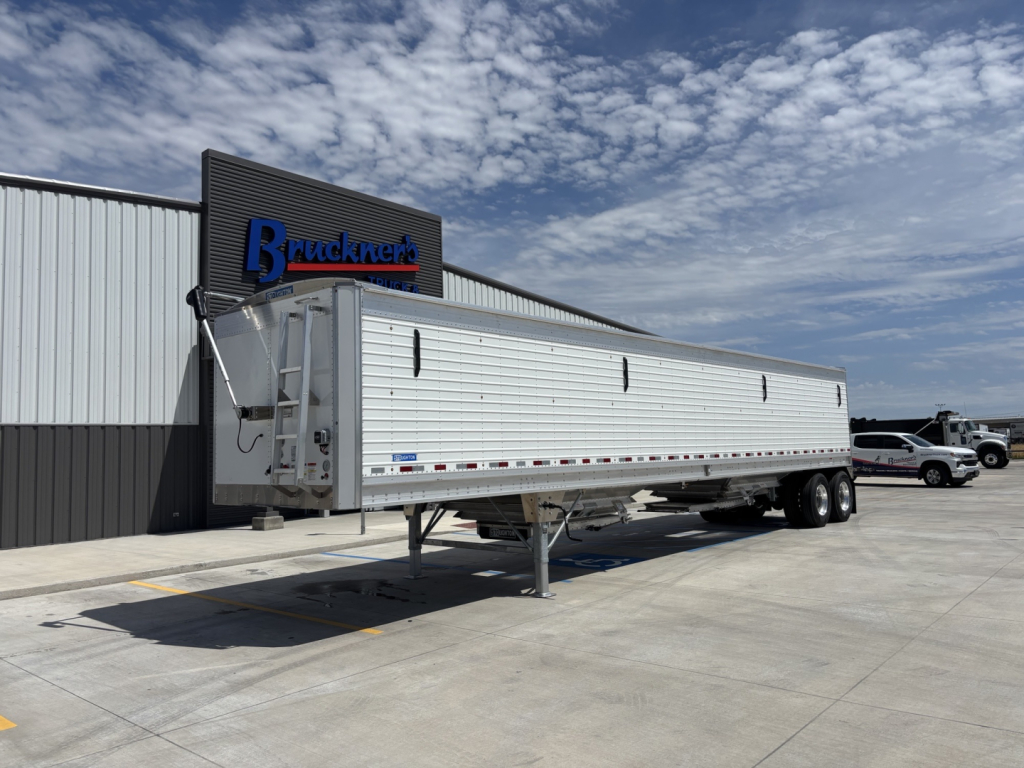
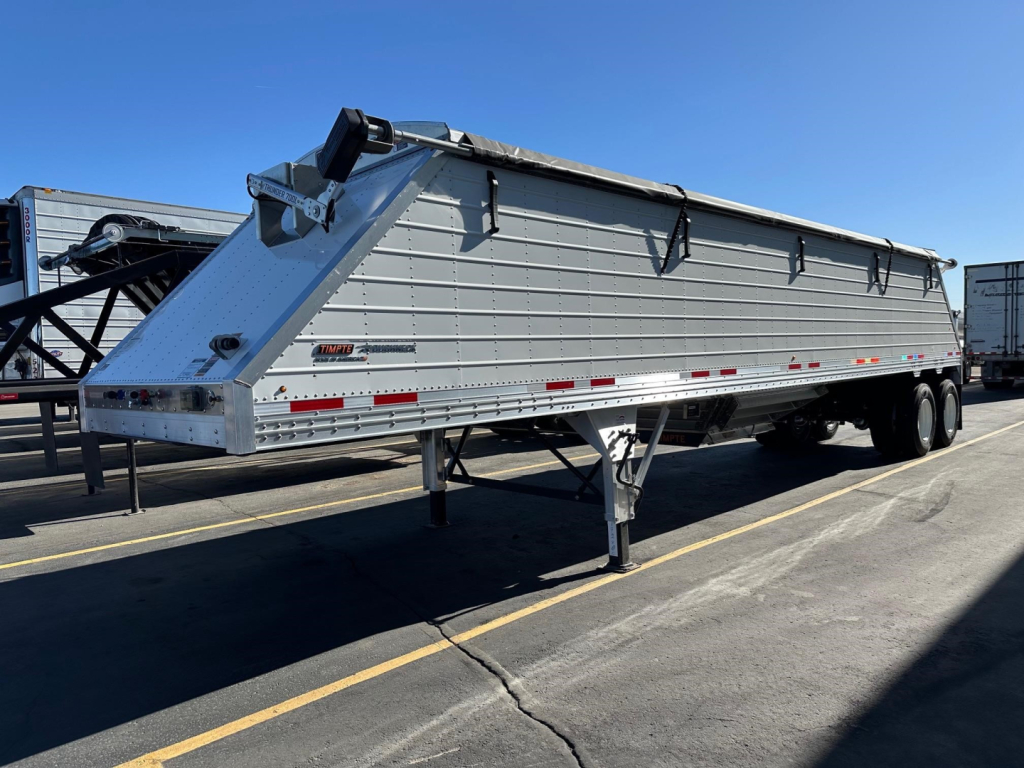
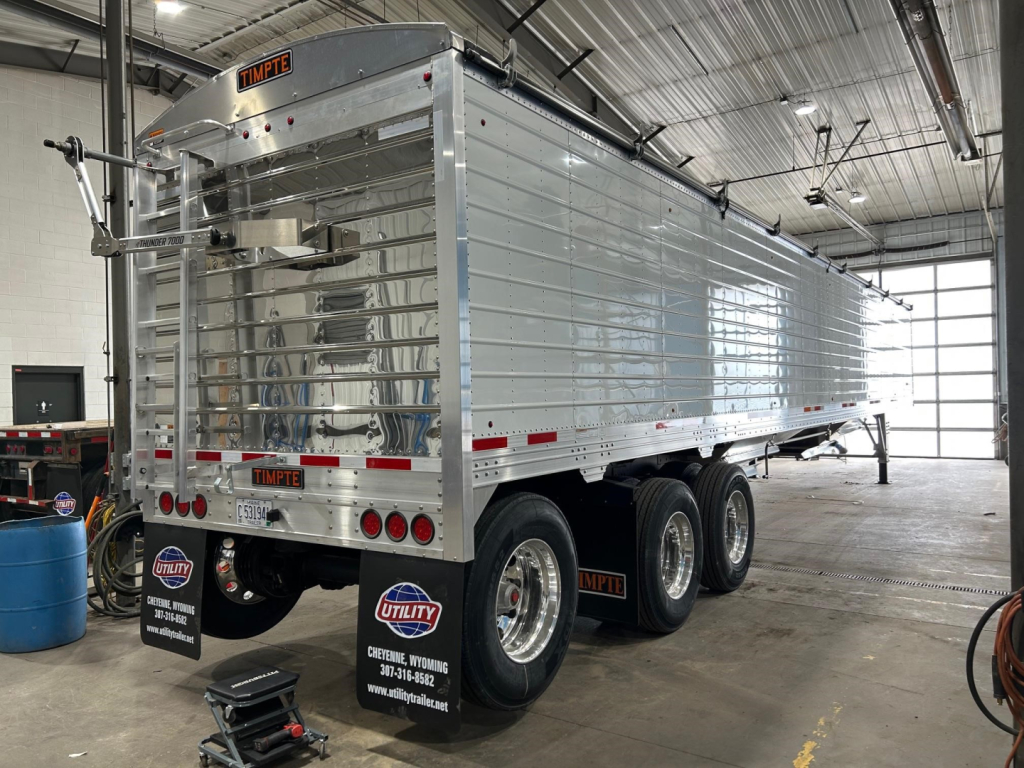
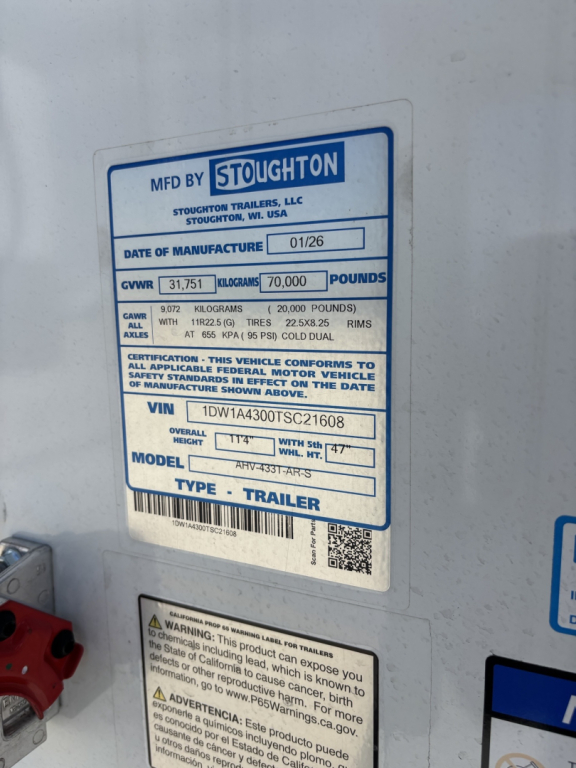
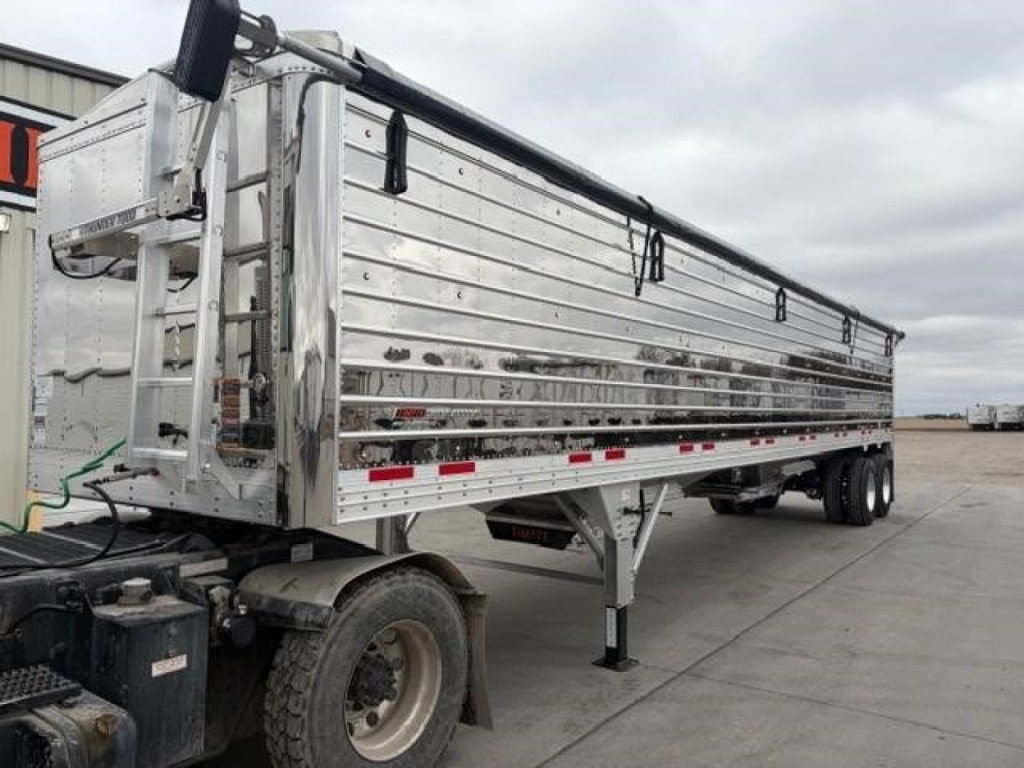
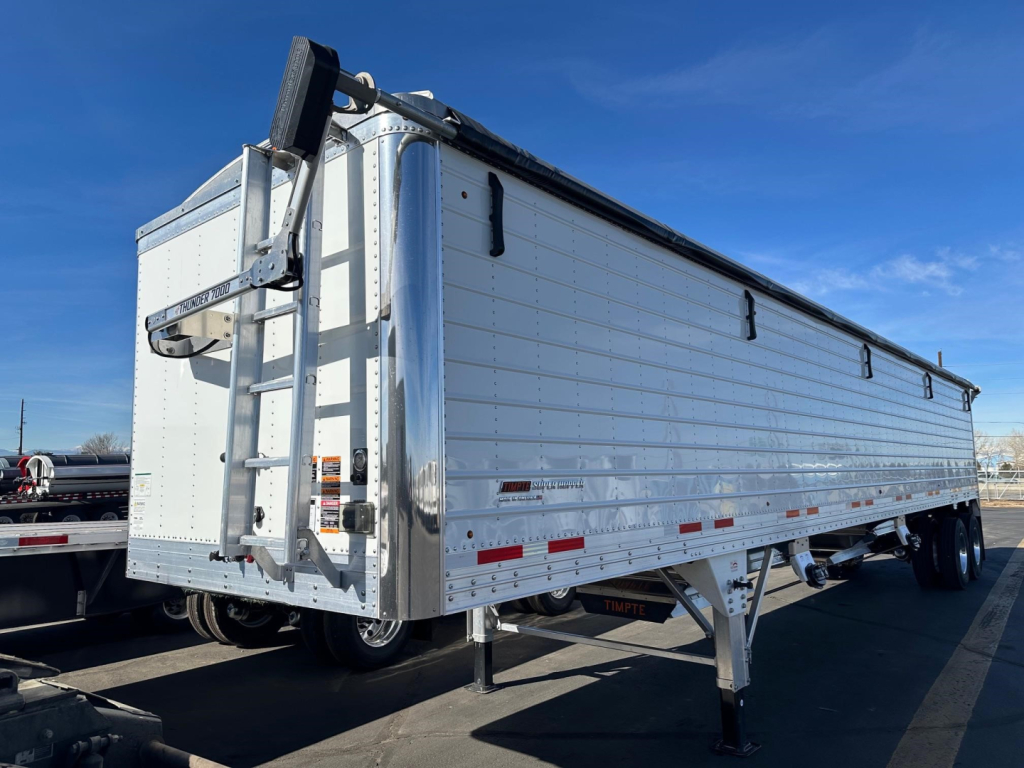
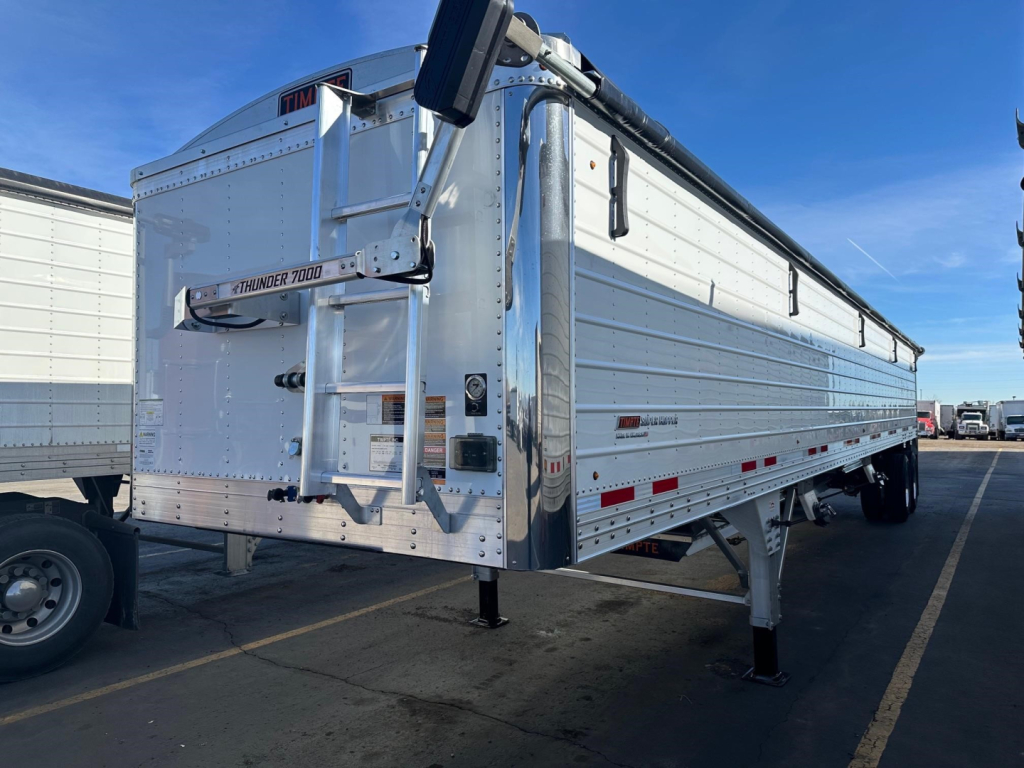
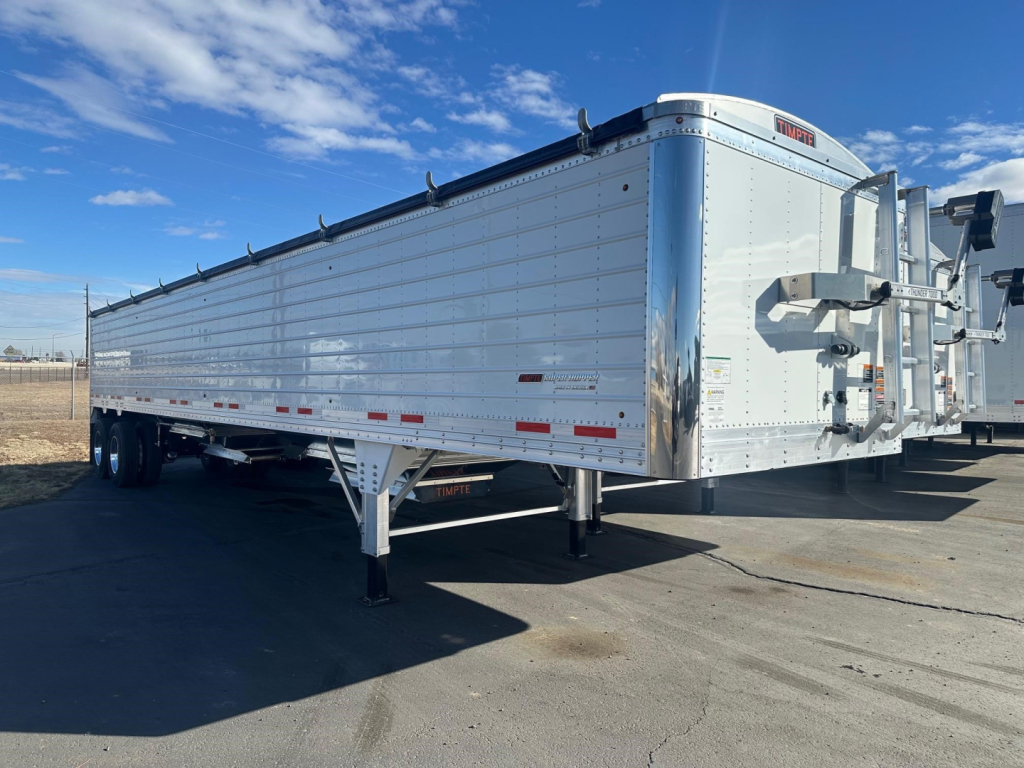
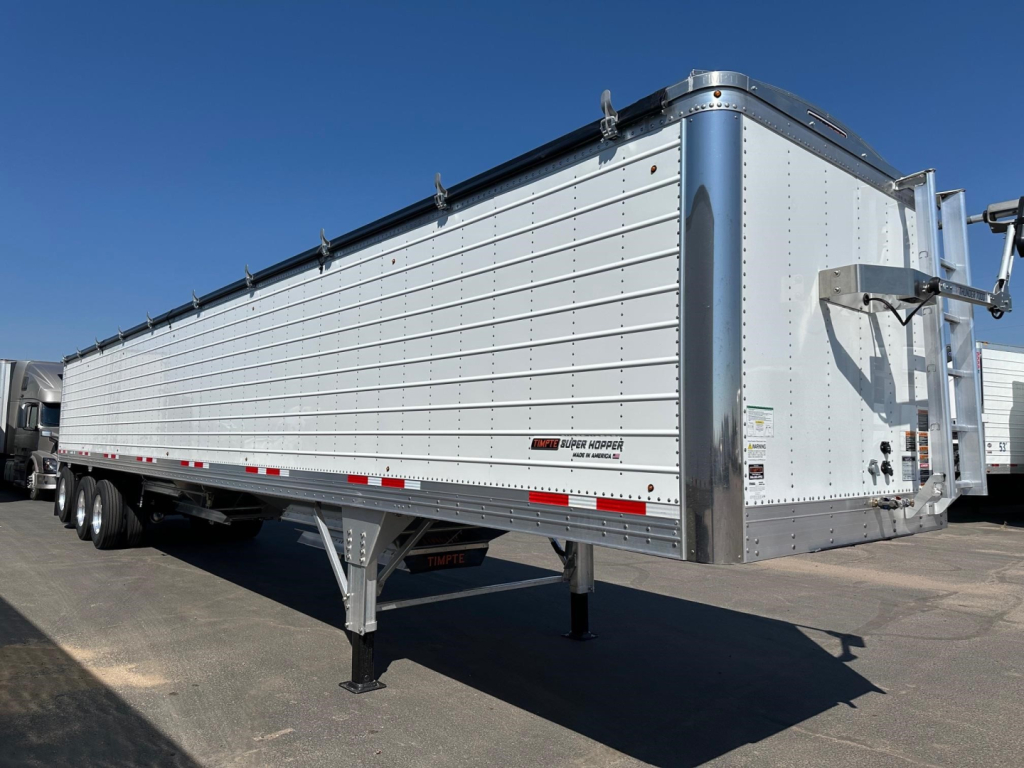
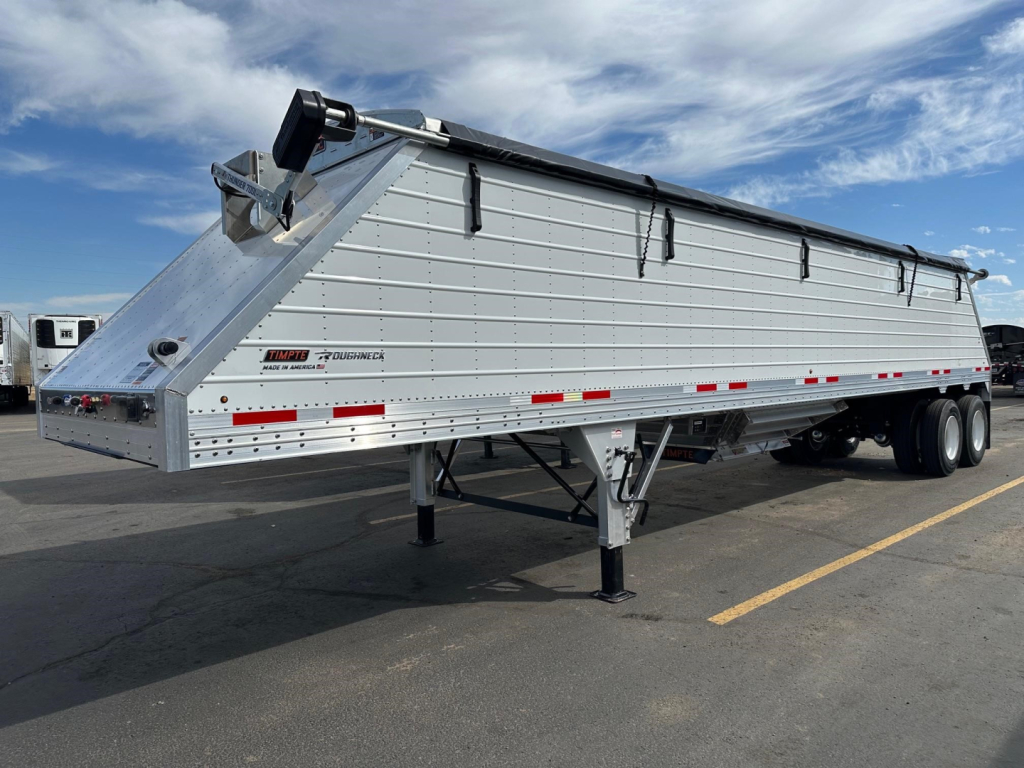
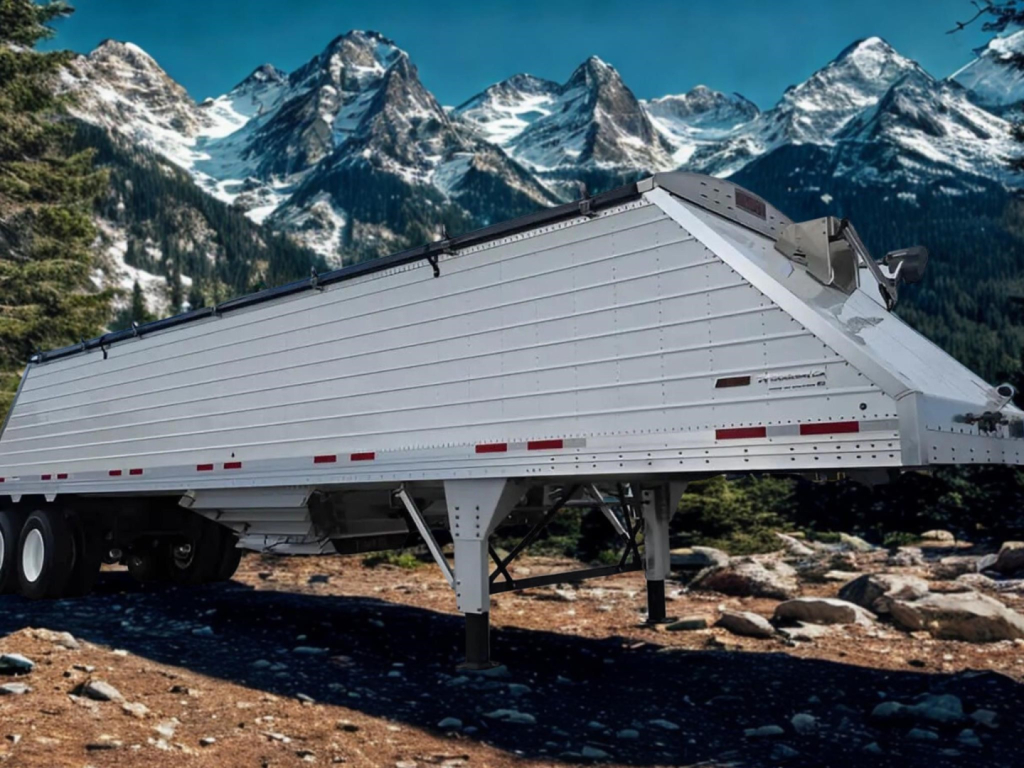
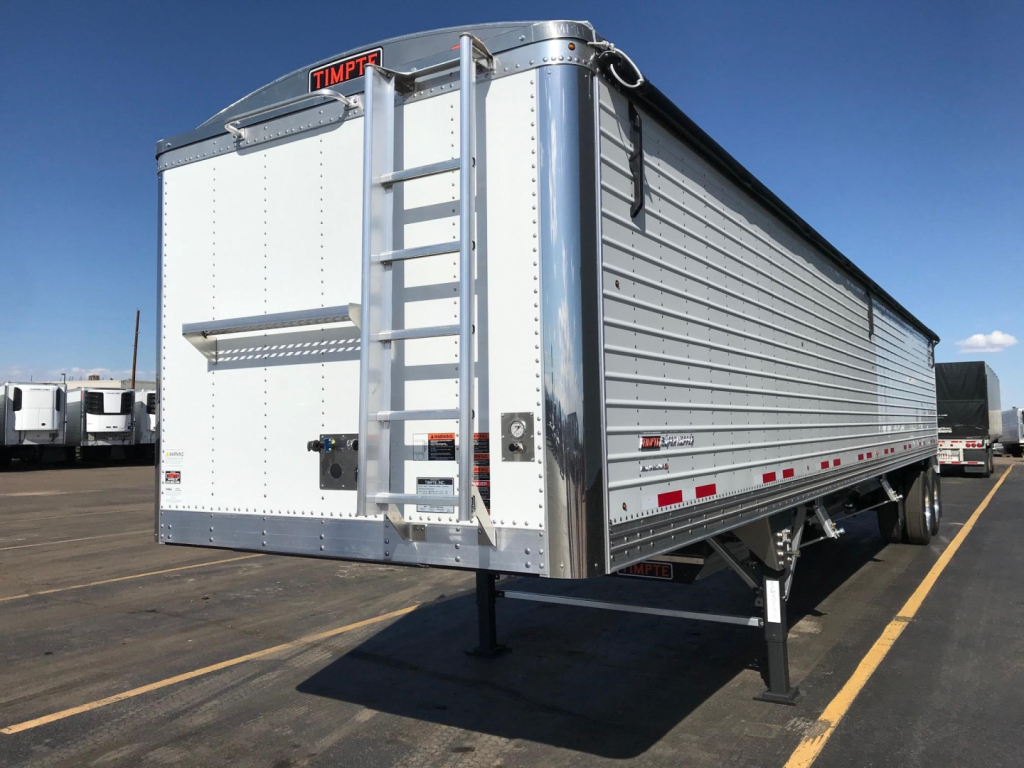
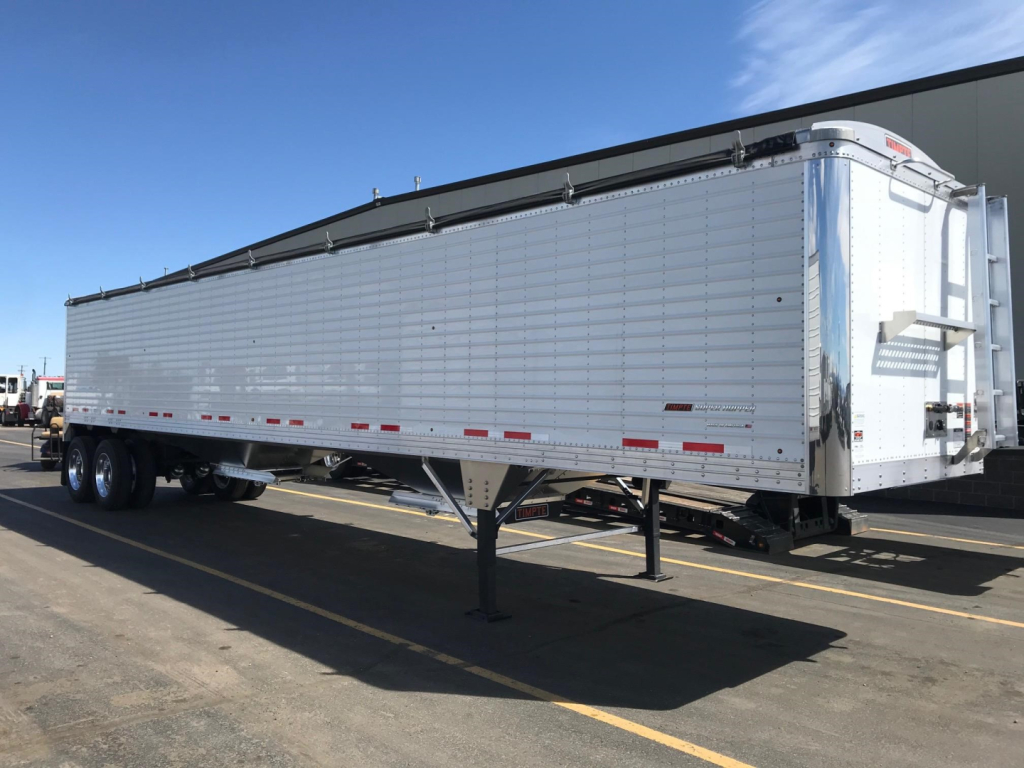
Selling a 2026 hopper trailer? List your 2026 hopper trailer for sale and reach thousands of commercial buyers.
2026 Hopper Trailers
Hopper design matters as much as body size. Most ag-spec units use two hopper bays with manual or 2-stage trap doors sized for fast discharge into augers, pits, and commodity sheds. Ground clearance under the traps is important if the trailer will see uneven farm drives, rural elevators, or older unload stations. Buyers should also look closely at subframe construction, post spacing, rear wall material, and whether the trailer includes stainless steel corner panels or rear panels in high-wear areas. Features like removable inner liners, dump valves with load gauges, and scale systems can improve cleanout, cargo visibility, and loading accuracy. If the trailer will haul multiple commodities through the season, cleanout access and trap operation effort can make a real difference in daily use.
Running gear choices affect maintenance cost and ride quality. Tandem axle hopper trailers with air ride suspension are common because they protect the trailer structure, cargo, and tarp system better than rougher spring ride setups, especially on mixed highway and county road use. Closed tandem and spread axle layouts each have a place depending on state bridge laws and maneuverability needs. Tire size often lands in 11R22.5 or 11R24.5, and wheel packages may be all aluminum, steel, or a mixed setup to balance appearance, weight, and cost. Drum brakes remain common in this segment, and buyers should verify ABS configuration, brake component condition, and whether a tire inflation system is installed. On newer hopper trailers, LED lighting, sealed harnesses, and better splash protection help reduce nuisance repairs during harvest.
The tarp system and access package deserve careful attention because they directly affect safety and cycle time. Manual roll tarps still have a place on simple farm routes, but electric tarp systems with remote operation are increasingly common on late-model grain hoppers because they save time and reduce strain on the driver. Front and rear ladders, catwalks, and secure footholds matter if the trailer is loaded in different environments throughout the year. A buyer comparing 2026 hopper trailers should focus on commodity type, target bushel capacity, axle layout, suspension, trap style, and material construction before looking at cosmetic options. The right trailer is the one that unloads efficiently, stays legal in your operating region, and delivers the best payload-to-durability balance for your lane and crop mix.
Frequently Asked Questions about 2026 Hopper Trailers
What is the typical size and capacity of a hopper trailer?
Most grain hopper trailers in this class are around 40 to 42 feet long and 96 inches wide, with side heights commonly ranging from the mid-60-inch range up to the upper-70-inch range. Capacity often falls between roughly 1,150 and 1,550 cubic feet, which can translate to about 1,100 to 1,250 bushels depending on commodity and trailer design. Exact usable capacity depends on sidewall height, hopper slope, cargo density, and local legal weight limits.
Should I choose an aluminum hopper trailer or a steel hopper trailer?
Aluminum hopper trailers are usually preferred when payload and corrosion resistance are top priorities. They generally weigh less, which can help maximize legal load and improve long-term value in grain service. Steel hopper trailers can offer a lower purchase price and solid durability, especially in operations where weight is less critical. The better choice depends on your haul distance, commodity mix, expected annual miles, and how heavily road salt, fertilizer, and wash chemicals factor into your operating environment.
What hopper trailer features matter most for grain hauling?
The most important features are hopper door design, trap opening size, tarp system, suspension type, and overall capacity. Buyers should also pay attention to ladder and catwalk access, ground clearance under the hoppers, subframe construction, and high-wear materials such as stainless steel corner panels or rear panels. If accurate loading matters, scale gauges or onboard scale systems can be valuable. For multi-commodity work, cleanout access and liner options can save time between loads.
Is air ride better than spring suspension on a hopper trailer?
Air ride is the more common choice on late-model hopper trailers because it improves ride quality, helps protect the trailer structure, and can reduce vibration-related wear on lights, tarps, and fasteners. It is especially useful for operators covering a mix of interstate, state highway, and rough county road miles. Spring suspension can still work well in simpler applications and may appeal to buyers looking for a more basic specification, but air ride is typically favored for overall performance and resale.
What should I inspect first on a used hopper trailer?
Start with the traps, hoppers, subframe, suspension, brakes, and tarp system because those areas affect both daily usability and repair cost. Check for corrosion, cracked crossmembers, worn bushings, bent trap linkages, leaking air components, and uneven tire wear. Inspect ladders, catwalks, lights, wiring, and landing gear, and look closely at the rear frame and kingpin area for signs of stress. On aluminum units, pay attention to rivets, seams, and panel condition. On any hopper trailer, evidence of poor cleanout or fertilizer use can point to hidden wear.