
Unknown Trailers For Sale in Colorado
Browse unknown trailers for sale in Colorado, including equipment and lowboy trailers with common specs, payload ranges, deck setups, and hauling uses.
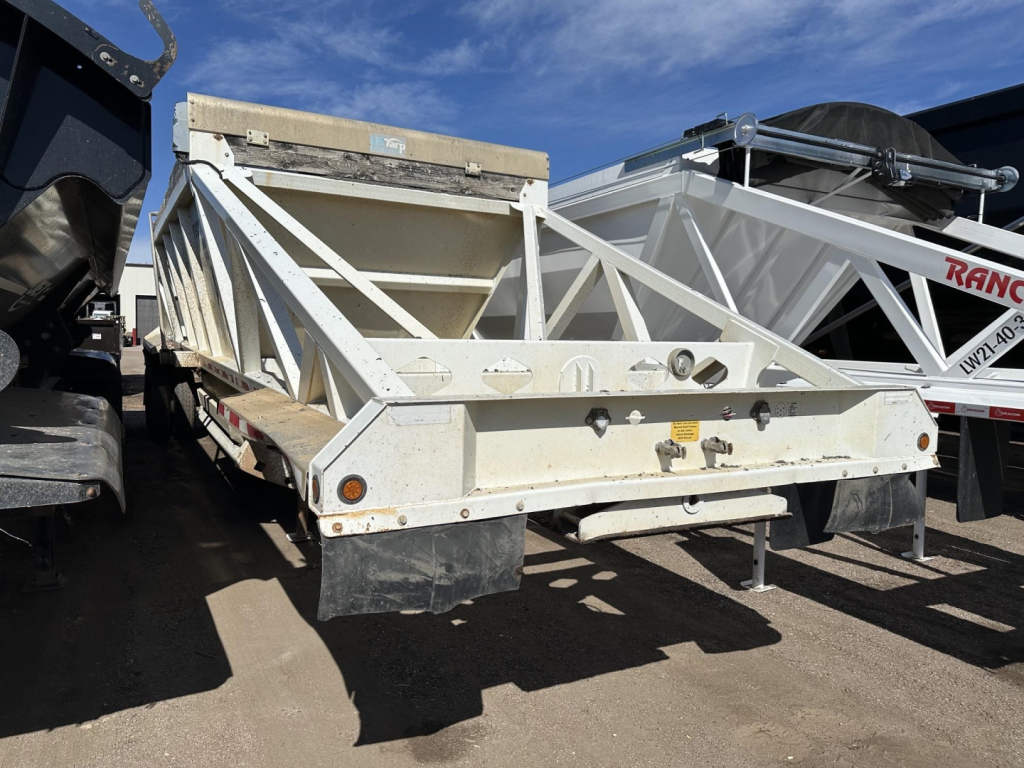
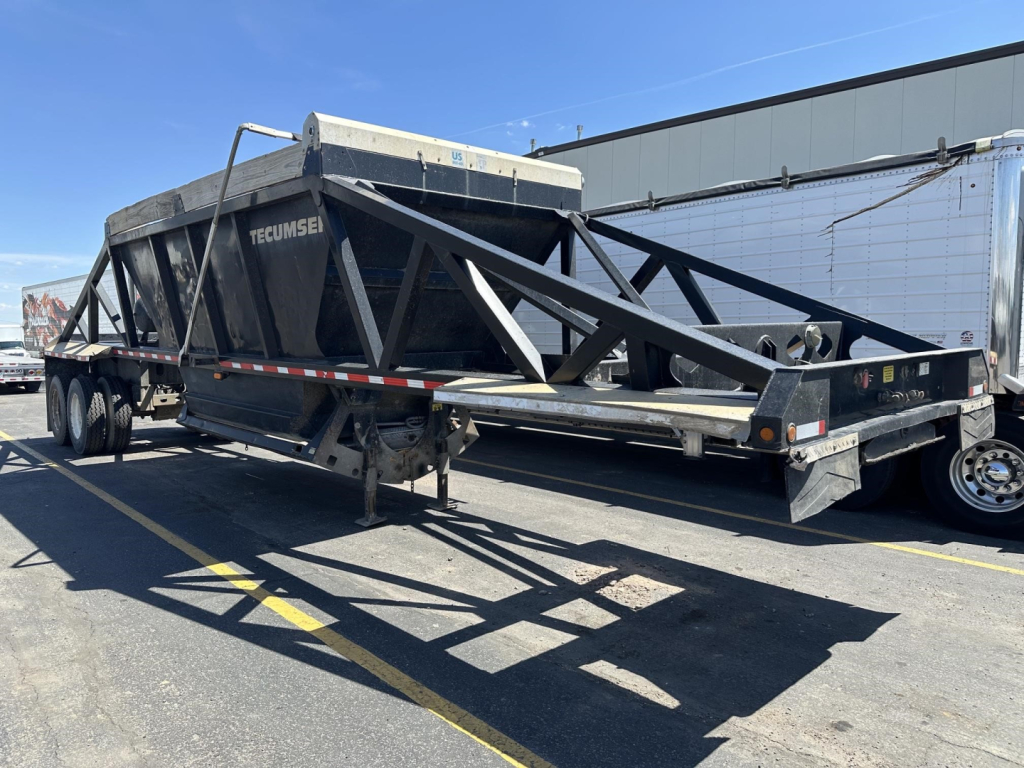
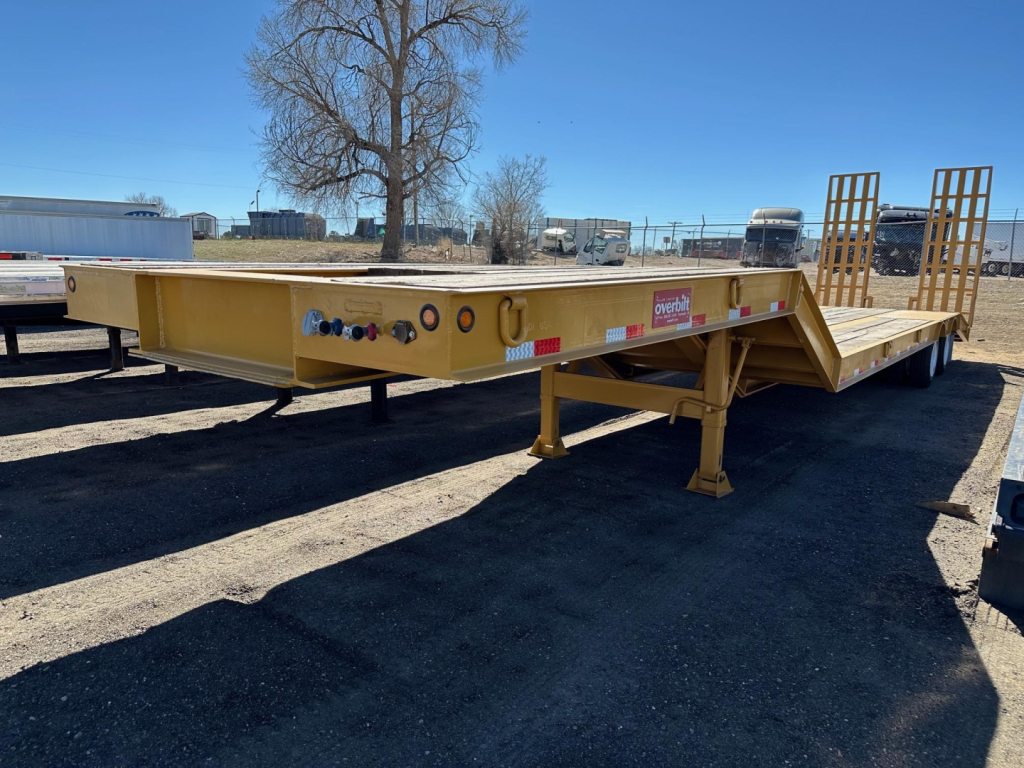
Selling a unknown trailer? List your unknown trailer for sale and reach thousands of commercial buyers.
Unknown Trailers in Colorado
For equipment hauling, buyers should look closely at GVWR, payload capacity, deck length, overall length, axle configuration, and loading angle. Tandem axle fixed-neck trailers with beavertails and hydraulic air ramps are common in this class because they simplify loading for skid steers, mini excavators, tractors, and other wheeled or tracked machines. A steel frame with a wood or Apitong floor is a common setup because it balances deck durability, traction, and serviceability. Suspension type also matters. Spring ride is straightforward and economical, while tire size, wheel type, and brake condition have a direct effect on service life and downtime.
Colorado buyers should pay extra attention to how a trailer will perform on grades, rough yard surfaces, and changing weather. Trailer width, deck height, and ramp design all affect loading safety, especially with low-clearance equipment or machines with uneven weight distribution. Tie-down points, D-rings, rub rails, stake pockets, mud flaps, toolboxes, and wheel shields are practical features that improve day-to-day use. On heavier trailers, buyers should also confirm coupler style, brake setup, lighting, frame integrity, and any signs of deck sag, weld repairs, or uneven tire wear that could point to alignment or axle issues.
When the make is listed as unknown, the smarter buying approach is to judge the trailer by its actual specifications and the quality of its running gear. Axles, brakes, suspensions, landing gear, ramps, and tires are often sourced from major component manufacturers even when the trailer brand is not clearly identified. That can make parts support more manageable than buyers expect. For resale and compliance, confirm the VIN plate is legible, the capacity ratings are clear, and the trailer dimensions match the work you plan to do. A well-built unknown trailer can still be a productive asset if the structure is sound, the components are serviceable, and the configuration fits the equipment being hauled.
Frequently Asked Questions about Unknown Trailers in Colorado
What should I check first on an unknown trailer?
Start with the VIN plate, GVWR, axle ratings, brake type, deck dimensions, and overall structural condition. On an unknown trailer, branding matters less than whether the frame is straight, the neck and crossmembers are solid, the ramps operate correctly, and the running gear can be serviced with commonly available parts. Tire wear, cracked welds, bent suspension components, and wiring problems are more important than the decal on the side.
Are unknown equipment trailers harder to maintain?
They can be, but not always. Many trailers with an unknown or unclear make use standard commercial components such as common axles, brake assemblies, suspension parts, lights, and tires. Maintenance becomes much easier when those components are identifiable and replacement parts are widely distributed. The challenge usually comes when the trailer has custom ramp hardware, unusual brake parts, or missing tags that make capacity and component identification harder.
What trailer specs matter most for hauling equipment?
Payload capacity, deck length, deck height, axle configuration, ramp style, and loading angle are the main decision points. Buyers hauling compact machines may prioritize lower deck height and simple ramps, while heavier iron may require a lowboy-style layout, stronger frame construction, and higher-rated axles. Tie-down layout also matters because securement is easier when D-rings, stake pockets, and rub rails are positioned to match the machines being hauled.
Is a beavertail and ramp setup better than a full flat deck for machinery?
For many equipment applications, yes. A beavertail with ramps reduces the loading angle and makes it easier to load wheeled and tracked equipment without dragging or high-centering. That setup is especially useful for skid steers, small rollers, trenchers, and compact excavators. A full flat deck can offer more flexible cargo space, but it may require separate ramps or different loading methods depending on machine clearance.
Why does Colorado use change trailer buying priorities?
Colorado hauling often includes elevation changes, uneven jobsite access, and weather that can shift quickly. That makes brake condition, tire quality, suspension health, and deck traction more important than they might be in flatter regions. Buyers should also consider trailer stability on grades, securement options for mixed loads, and whether the trailer width, height, and capacity fit both mountain routes and local permitting requirements.