
Unknown Trailers For Sale
Browse unknown trailers for sale, including reefer and general freight models, with specs that matter for payload, durability, and compliance.
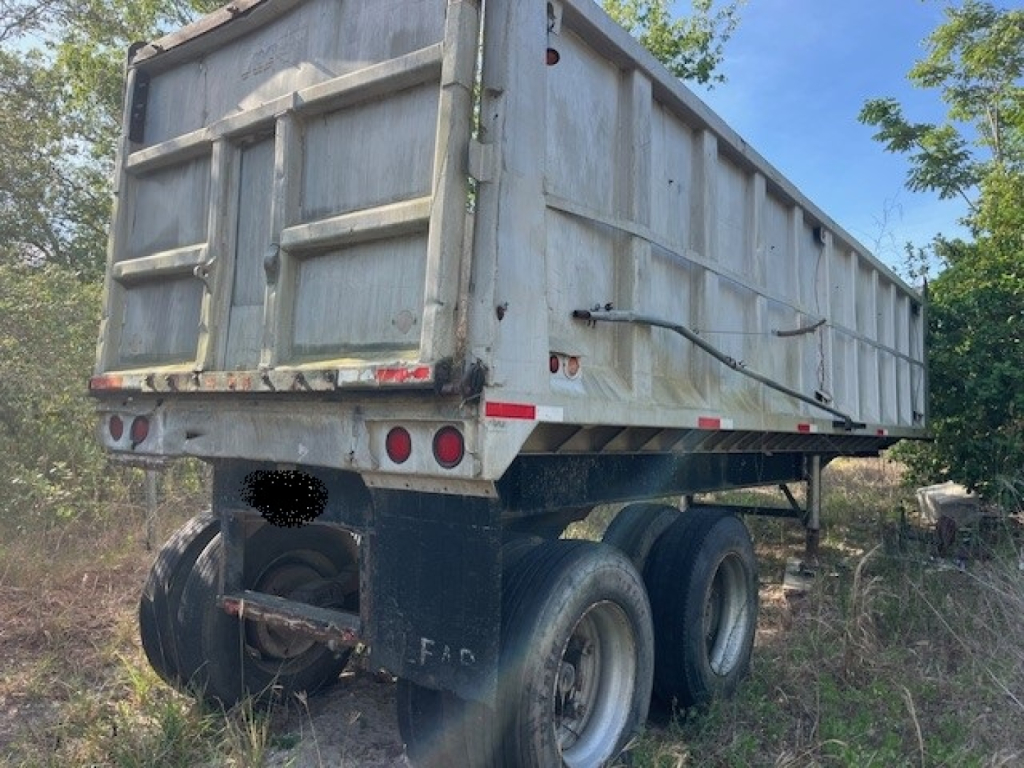
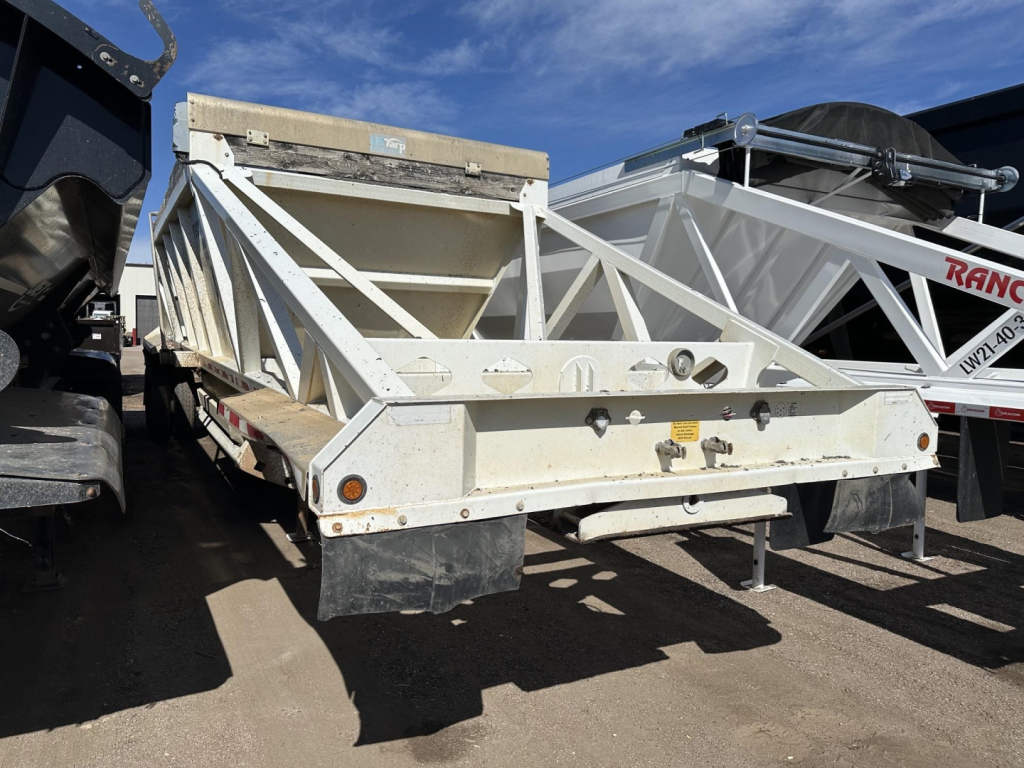
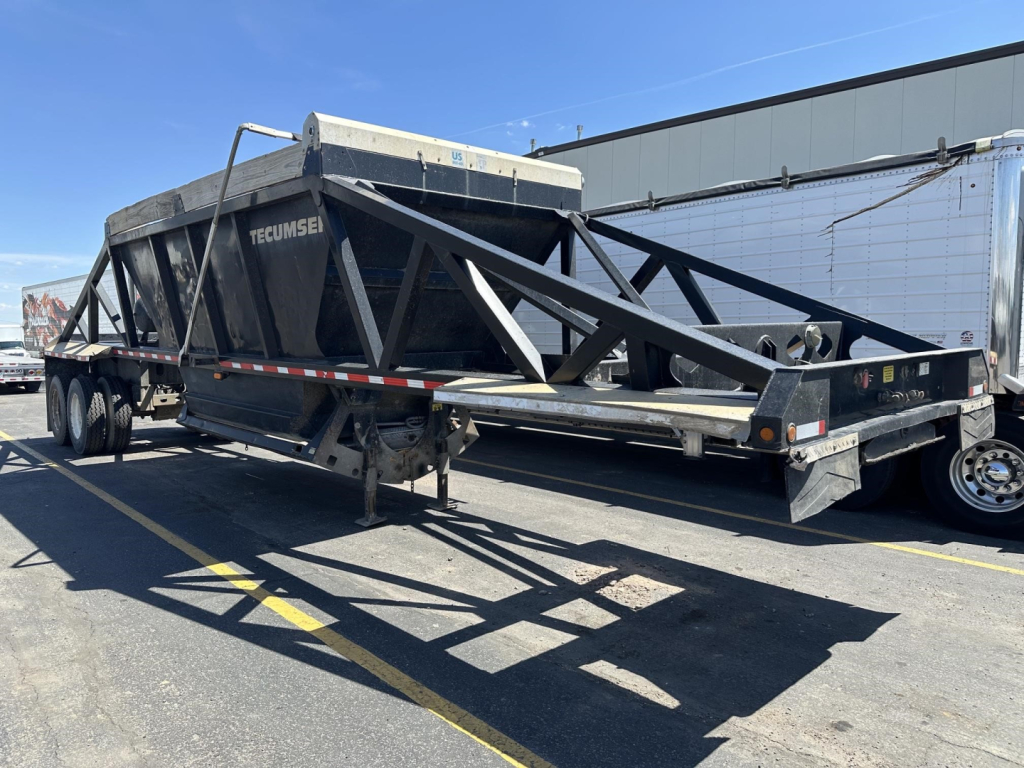
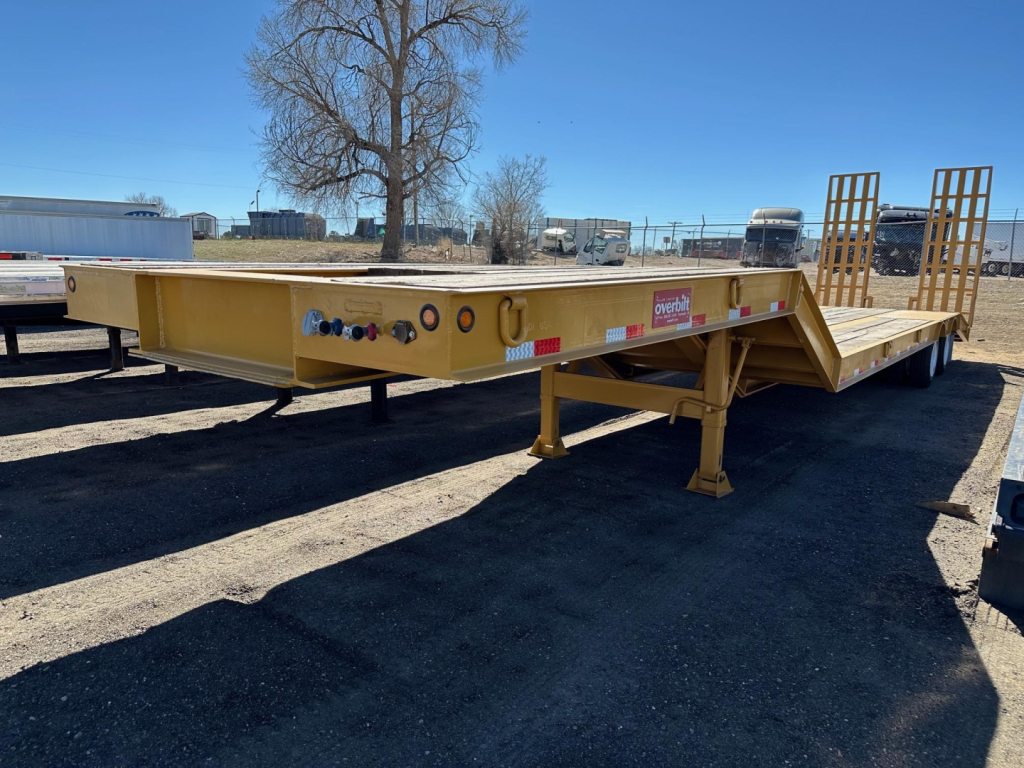
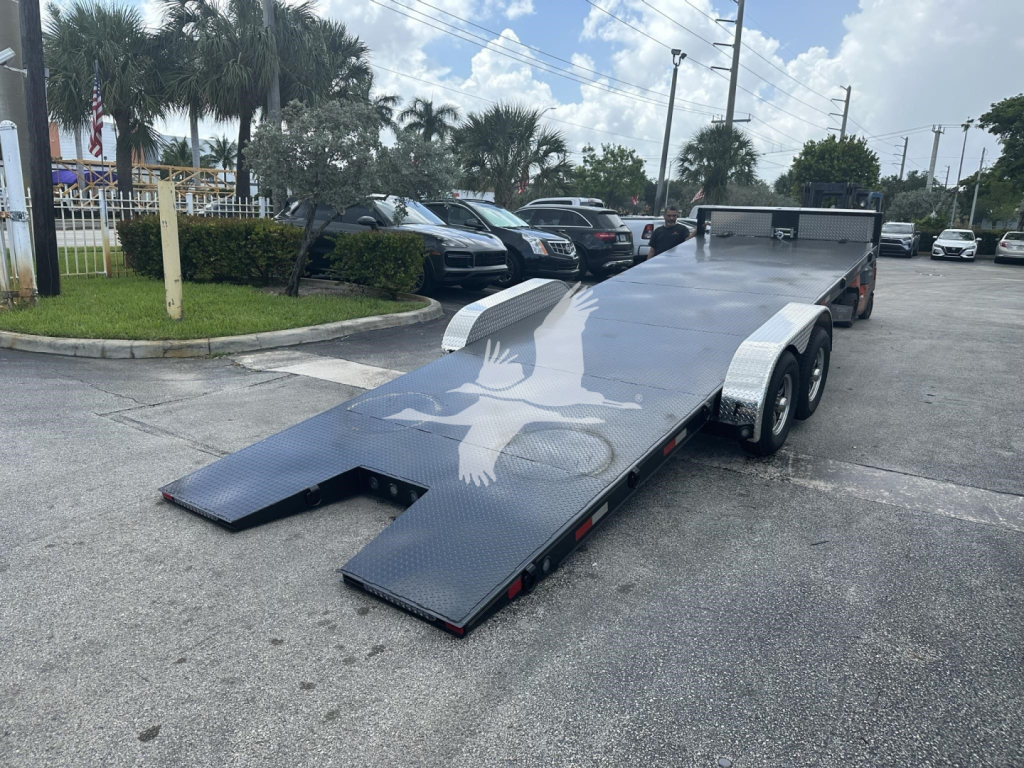
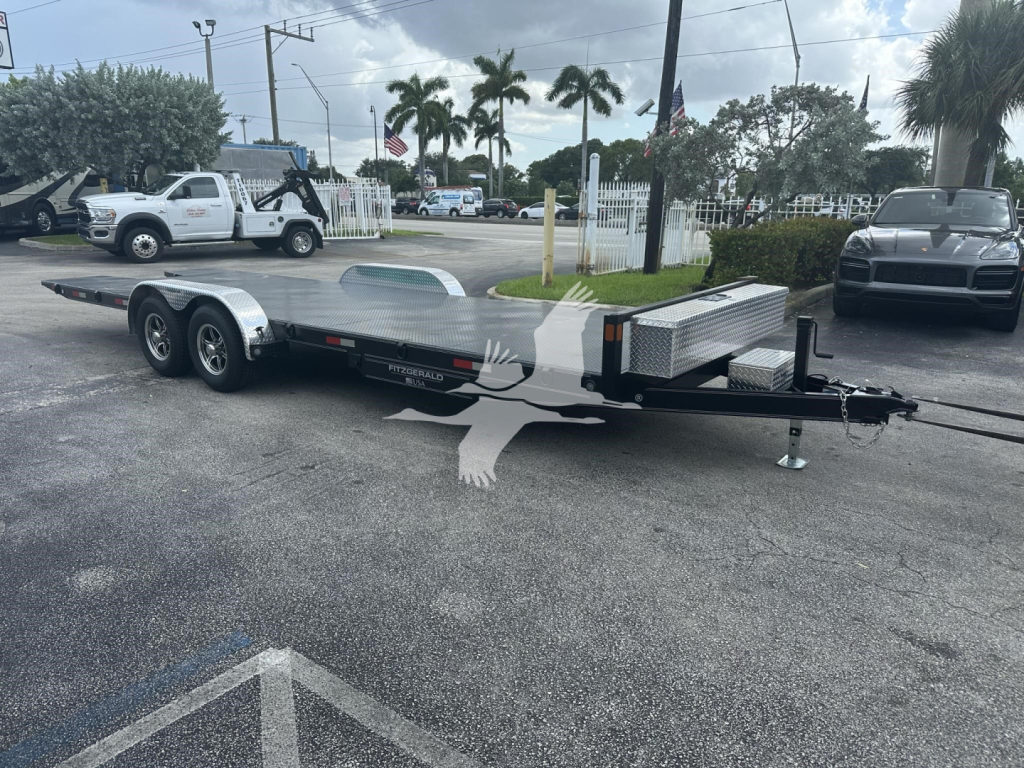
Selling a unknown trailer? List your unknown trailer for sale and reach thousands of commercial buyers.
Unknown Trailers
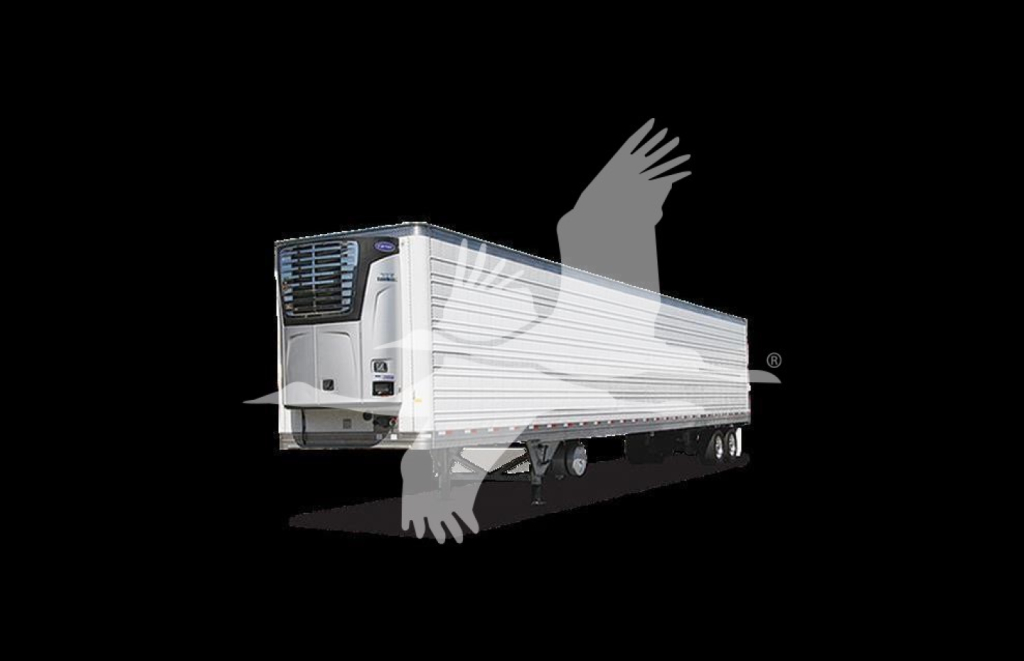
For refrigerated trailers, also known as reefer trailers, the refrigeration unit and insulation package are usually the biggest value drivers. Common road specs include 53-foot by 102-inch dimensions, tandem axles, air-ride suspension, sliding tandems, aluminum construction, and features like scuff liners, logistic posts, and chute systems for controlled airflow. Buyers should verify reefer unit brand, engine hours, start-run operation, fuel tank condition, and whether the trailer holds temperature under load. Door configuration matters too. Roll-up doors can be useful for frequent stops, while swing doors may provide a tighter seal and simpler serviceability in some operations.
On any unknown trailer, inspect wear points closely. Look at crossmembers, side rails, landing gear, suspension bushings, air lines, brake chambers, hub seals, and tire wear patterns. Check the floor for soft spots, patches, or forklift damage, especially in high-cycle freight service. If it is a reefer, inspect the interior liner, insulation integrity, drain channels, and signs of moisture intrusion around the front wall and roof seams. A trailer with steel disc wheels, current DOT-ready running gear, and a straight frame can still perform well in regional or over-the-road service if the maintenance history supports it.
The best buying approach is to match the trailer's actual configuration to the lane and commodity. Regional food distribution may prioritize a reefer with air-ride, a dependable Carrier or Thermo King unit, and a clean insulated interior. General freight may put more weight on floor rating, door opening, and tare weight. If the make is unknown, documentation becomes even more important. Confirm the VIN plate, title status, service records, tire date codes, and any recent brake or reefer work before making a decision.
Frequently Asked Questions about Unknown Trailers
What does it mean when a trailer is listed as unknown make?
An unknown make listing usually means the seller could not verify the manufacturer in the listing data, not necessarily that the trailer lacks identification. Buyers should confirm the VIN plate, manufacturer tag, title, and registration information to identify the builder and verify legal ownership. If the trailer cannot be clearly identified, component condition and documentation become even more important.
What should I inspect first on an unknown reefer trailer?
Start with the refrigeration unit, the trailer body, and the running gear. Verify the reefer starts and runs properly, review engine hours and maintenance records, and confirm it can maintain setpoint temperature. Then inspect insulation, interior liner condition, floor wear, door seals, tandem slide function, brakes, tires, and suspension. A reefer trailer's value is heavily tied to cold-chain performance and structural integrity.
Are unknown trailers risky to buy?
They can be, but the risk depends on documentation and condition rather than the listing label alone. A trailer with a clear VIN, valid title, recent service history, and a sound inspection can be a practical purchase. The risk increases when identification is missing, maintenance history is weak, or there are signs of structural repairs, corrosion, or unresolved brake and tire issues.
What specs matter most when comparing used trailers in this category?
Focus on trailer type, length, width, axle configuration, suspension, body material, floor condition, door style, and overall structural condition. For reefer trailers, add insulation quality, reefer unit brand, unit hours, chute, scuff liners, and temperature performance. These specs affect payload, maintenance cost, loading efficiency, and suitability for your freight lanes.
How do sliding tandems and air-ride suspension affect trailer use?
Sliding tandems help with axle weight distribution, bridge law compliance, and dock positioning. Air-ride suspension improves ride quality and can reduce cargo shock compared with mechanical setups, which is especially important for refrigerated freight, beverages, and other sensitive loads. Together, these features can make a trailer more flexible in multi-state and mixed-freight operations.