
Unknown Dump Trailers For Sale
Browse dump trailers for hauling aggregate, dirt, scrap, and ag products. Compare body materials, gate styles, hoists, suspension, and axle specs.
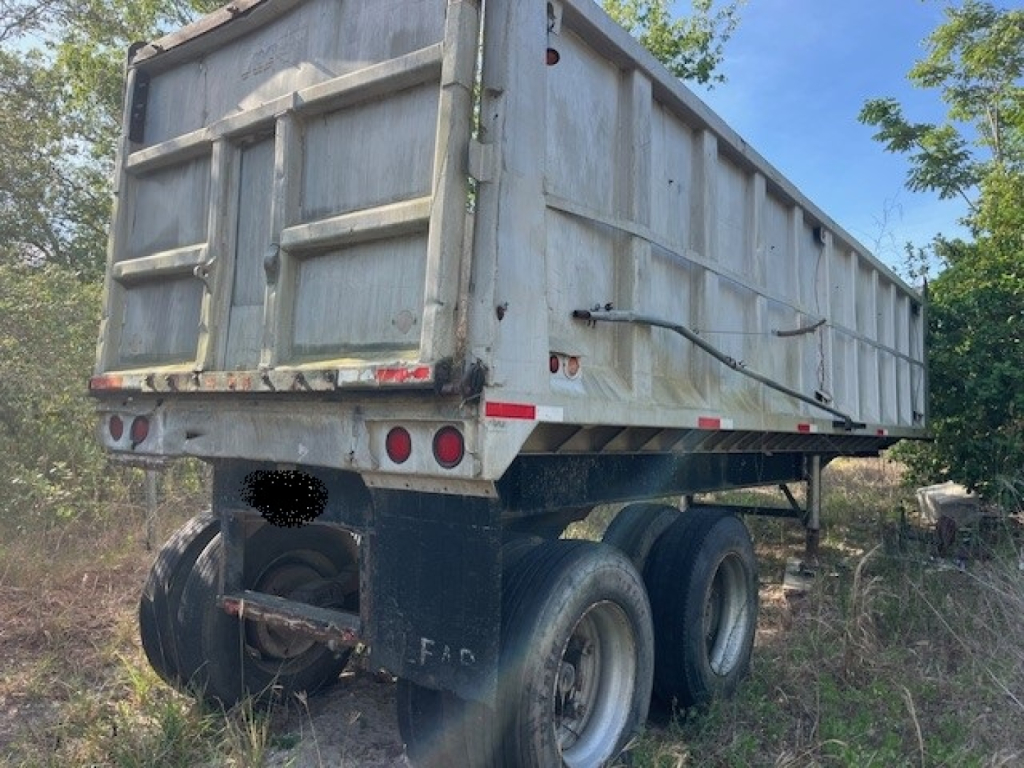
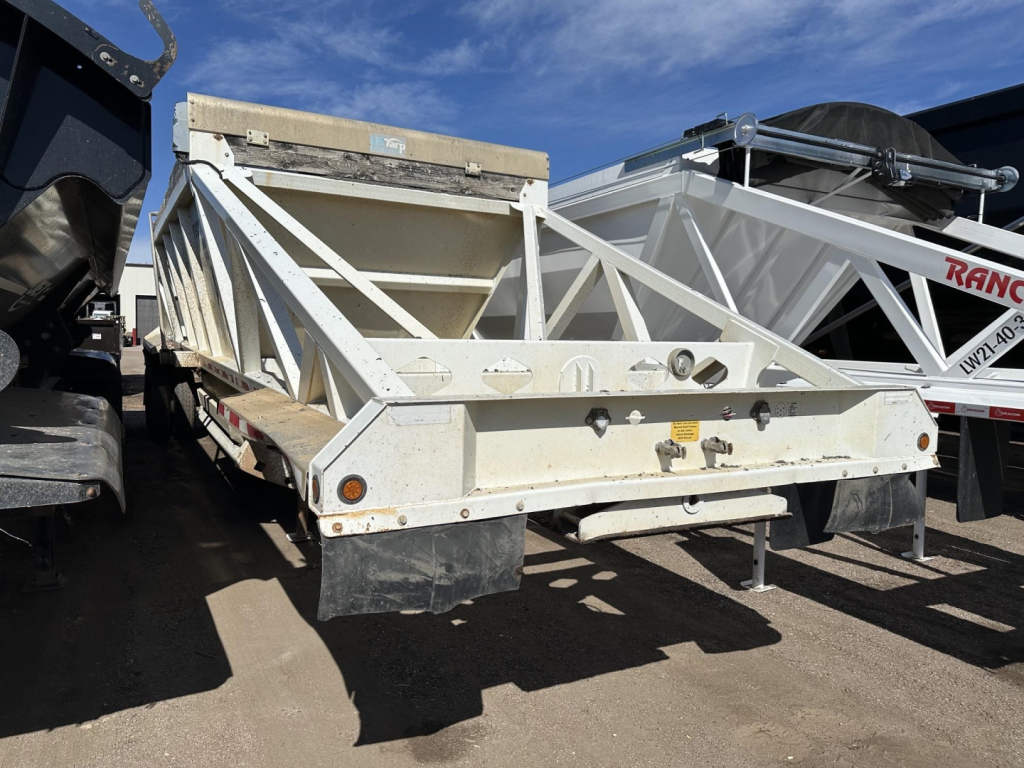
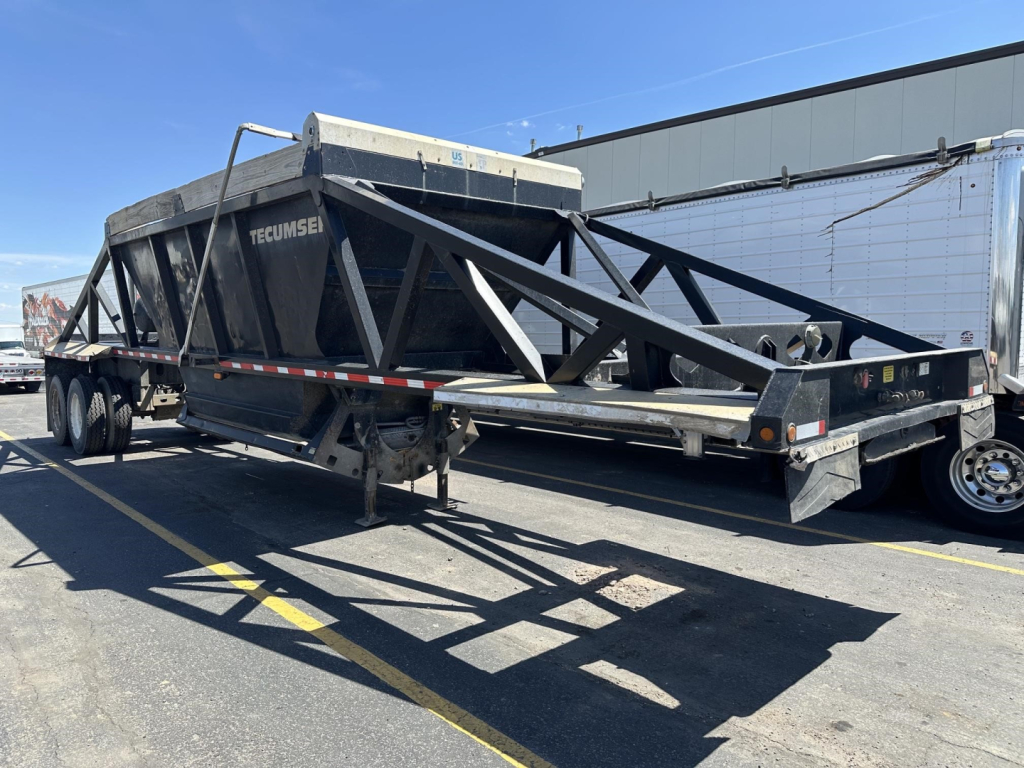
Selling a unknown dump trailer? List your unknown dump trailer for sale and reach thousands of commercial buyers.
Unknown Dump Trailers
Length, side height, and cubic yard capacity should match the material you haul most often, not the occasional load. A 40-foot trailer can make sense for lighter bulk commodities, but heavy aggregate work may call for a shorter or heavier-spec configuration to stay legal and stable. Pay close attention to gate style, including barn door, high-lift, and combination gates, because discharge control affects turnaround time and jobsite flexibility. Suspension type, axle rating, wheelbase spread, and tire size all influence payload, ride, and maintenance cost. Buyers should also inspect the frame rails, hinge points, doghouse, tarp system, air lines, wiring, and the condition of the hydraulic cylinder or telescopic hoist, since those components directly affect uptime.
Stability during the dump cycle is a major consideration with any end dump trailer. Trailer geometry, suspension condition, bushing wear, and frame alignment all play a role when dumping on uneven ground or in crosswind conditions. Operators hauling sticky material often look for liner options or smooth interior condition to improve cleanout. In scrap or demolition service, look closely for weld repairs, floor patches, and signs of impact damage around the body and rear structure. If the trailer will see paving or quarry work, check for heavy-duty kingpin plate construction, reliable tarp coverage, and brake components sized for repeated stop-and-go service.
Unknown-make dump trailers can still be viable work trailers if the structure is sound and replacement parts are serviceable through common component suppliers. Many older trailers use standard axles, brakes, suspension parts, lights, and hydraulic components that can be sourced without depending on a factory parts network. The key is to evaluate the trailer as a system: body material, hoist condition, gate function, running gear, and evidence of proper maintenance. A well-spec'd dump trailer with a solid frame and clean hoist operation can still be productive for hauling bulk material, even when the nameplate is secondary to condition.
Frequently Asked Questions about Unknown Dump Trailers
What should I inspect first on a used dump trailer?
Start with the structural items that are expensive to repair and critical to safe operation. Inspect the floor, sidewalls, crossmembers, frame rails, hinge assembly, kingpin area, and hoist mounts for cracks, excessive corrosion, bent sections, or poor-quality weld repairs. Then check the hydraulic cylinder for leaks or scoring, verify the gate opens and seals correctly, and inspect suspension, axles, brakes, tires, lights, and air system components. A trailer with ordinary cosmetic wear can still be a good buy, but major structural fatigue or a compromised hoist system can turn into a costly rebuild.
Is an aluminum dump trailer better than a steel dump trailer?
It depends on the material and duty cycle. Aluminum dump trailers usually offer lower empty weight, which helps maximize payload for products like grain, fertilizer, sand, and some lighter aggregates. Steel dump trailers are typically preferred for severe-duty work involving rock, scrap, demolition debris, and other abrasive or impact-heavy loads because the body can better tolerate abuse. Buyers should match the body material to the actual commodity mix, not just the highest possible payload on paper.
How do I choose the right size dump trailer?
Choose size based on payload legality, material density, and jobsite conditions. Longer trailers with taller sides can carry more volume, but dense material such as stone or wet sand can make a large body impractical under axle weight limits. Capacity should be balanced with axle spacing, suspension rating, and the tractor you plan to run. Maneuverability also matters, especially for paving, construction, and transfer point work where tight turns and uneven surfaces are common.
Are parts a problem on an unknown-brand dump trailer?
Not always. Many dump trailers, especially older units, were built with common industry components such as standard axles, brake chambers, suspension parts, lights, bearings, seals, and hydraulic hardware. The larger concern is not the badge, but whether the trailer uses serviceable parts and whether previous repairs were done correctly. If the major structure is sound and the running gear uses common components, an unknown-brand trailer can still be practical to own and maintain.
What affects dump trailer stability during unloading?
Dump stability is influenced by body height, trailer geometry, suspension condition, ground slope, wind, load distribution, and how freely the material releases from the body. Worn bushings, twisted frames, uneven suspension height, or a load hanging up on damaged floors can all increase rollover risk. Buyers should pay attention to signs of previous tip-over repair, uneven tire wear, and body alignment, because those issues can indicate a trailer that may not track or dump correctly.