
Unknown Trailers For Sale in Florida
Browse unknown trailers for sale in Florida, including used dump and general trailer options with common specs, applications, and buying tips.
Selling a unknown trailer? List your unknown trailer for sale and reach thousands of commercial buyers.
Unknown Trailers in Florida
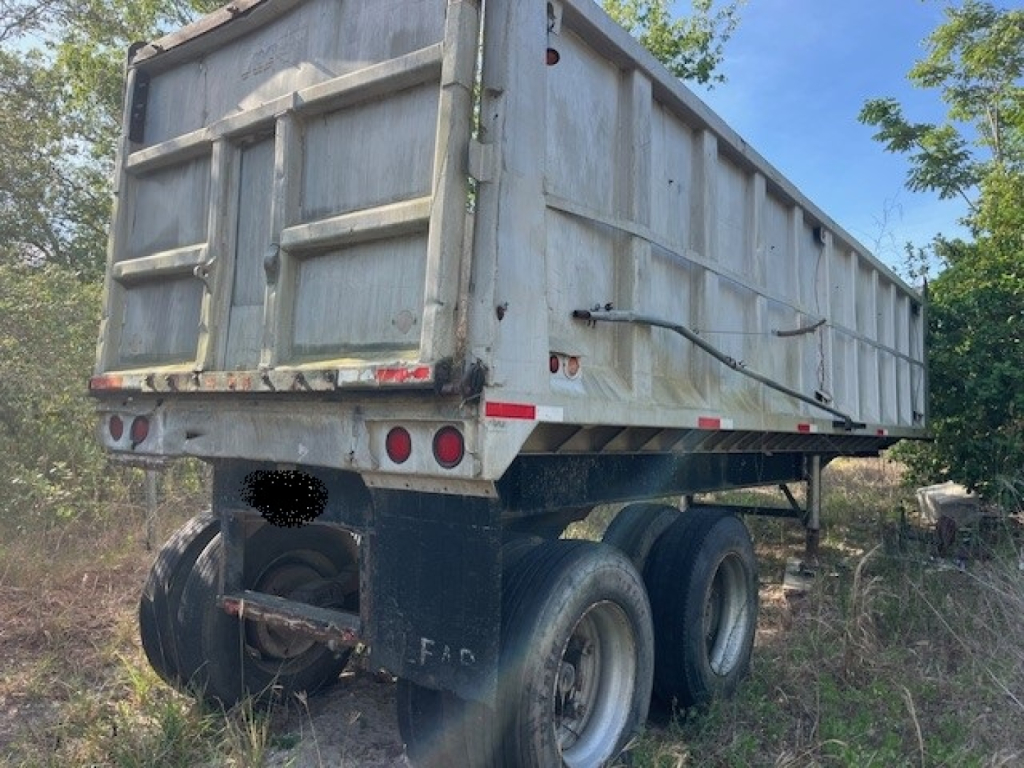
For dump trailers, body construction is usually the first decision point. Aluminum bodies reduce tare weight and can help maximize payload for aggregate, mulch, demolition debris, or agricultural material, while steel typically offers better impact resistance in harsher loading environments. Buyers should inspect the floor crossmembers, lower sidewalls, hinge points, tailgate hardware, and hoist or hydraulic cylinder condition. On older units, the most common trouble spots are floor wear, corrosion around seams, cracked welds, air and electrical issues, and signs of previous patchwork. In Florida service, salt air, moisture, and outdoor storage can accelerate wiring and corrosion problems, so lights, connectors, brake chambers, and suspension components deserve close attention.
Trailer dimensions, axle rating, and gate style should match the work. A 40-foot dump trailer, for example, is often selected for volume-oriented hauling where cubic capacity matters as much as gross weight. Suspension type, wheelbase spread, and tire condition all affect stability, maintenance cost, and legal payload strategy. Buyers also look at liner condition, tarp system operation, kingpin area wear, landing gear integrity, and whether replacement parts are standard enough to source easily. With unknown-brand trailers, parts compatibility is especially important because proprietary components can slow repairs.
Documentation matters as much as structure. Confirm the VIN, title status, GVWR information, brake configuration, and any signs of modification or rebuilt sections. If the trailer has hydraulic components, inspect cylinder seals, hoses, mounts, and pump compatibility if it relies on a wet kit. A careful inspection can uncover a solid value trailer, especially for operators who prioritize function over branding and are comfortable judging maintenance history, roadworthiness, and repair needs on their own merits.
Frequently Asked Questions about Unknown Trailers in Florida
What should I inspect first on an unknown-brand trailer?
Start with the frame, VIN plate, suspension, brakes, tires, floor, and wiring. Those areas tell you more about the trailer’s value than the manufacturer name alone. On a dump trailer, pay close attention to the hoist or hydraulic cylinder, hinge area, tailgate, crossmembers, and floor condition because these are common high-stress points. If the trailer has visible repairs, check whether they were done cleanly and whether there is any distortion, cracking, or corrosion around the repaired area.
Are unknown trailers harder to maintain than name-brand trailers?
They can be, but it depends on parts standardization. Many trailers use common axles, brake components, lights, suspension parts, wheels, and landing gear from major suppliers, which keeps service straightforward. The challenge comes when a trailer has custom body sections, unusual gate hardware, or non-standard structural parts that are harder to identify or replace. Buyers should verify what components are installed and how easily a local shop can source replacements before putting the trailer into regular service.
Is an aluminum dump trailer a good choice for Florida hauling?
An aluminum dump trailer is often a strong fit for Florida operations where payload and corrosion resistance are important. Aluminum helps reduce trailer weight and generally handles moisture better than untreated steel, which can be an advantage in humid and coastal environments. The tradeoff is that buyers still need to inspect for floor wear, cracking, impact damage, and previous weld repairs, especially on older trailers or units that handled abrasive material such as rock, concrete, or demolition debris.
How important is trailer age when buying a used trailer with an unknown make?
Age matters, but condition and maintenance history matter more. An older trailer can still perform well if the structure is sound, the running gear has been maintained, and wear items have been replaced on schedule. Buyers should focus on rust or corrosion, floor thickness, brake performance, suspension wear, tire age, and the condition of any hydraulic equipment. A thorough inspection often gives a clearer picture of value than the model year alone.
What documents should come with a used trailer for sale in Florida?
The most important documents are a clear title, readable VIN information, and any available registration or maintenance records. Buyers should also confirm the trailer’s GVWR data, axle information, and brake setup. If the trailer has been modified, rebuilt, or repaired significantly, supporting paperwork can help clarify what was changed and whether the work was done properly. Clean documentation reduces registration problems and makes it easier to verify that the trailer matches its listed specifications.