
Transcraft Trailers For Sale in Colorado
Shop Transcraft trailers for sale, including flatbeds and drop decks with combo or steel construction, air ride options, and hauling specs buyers need.
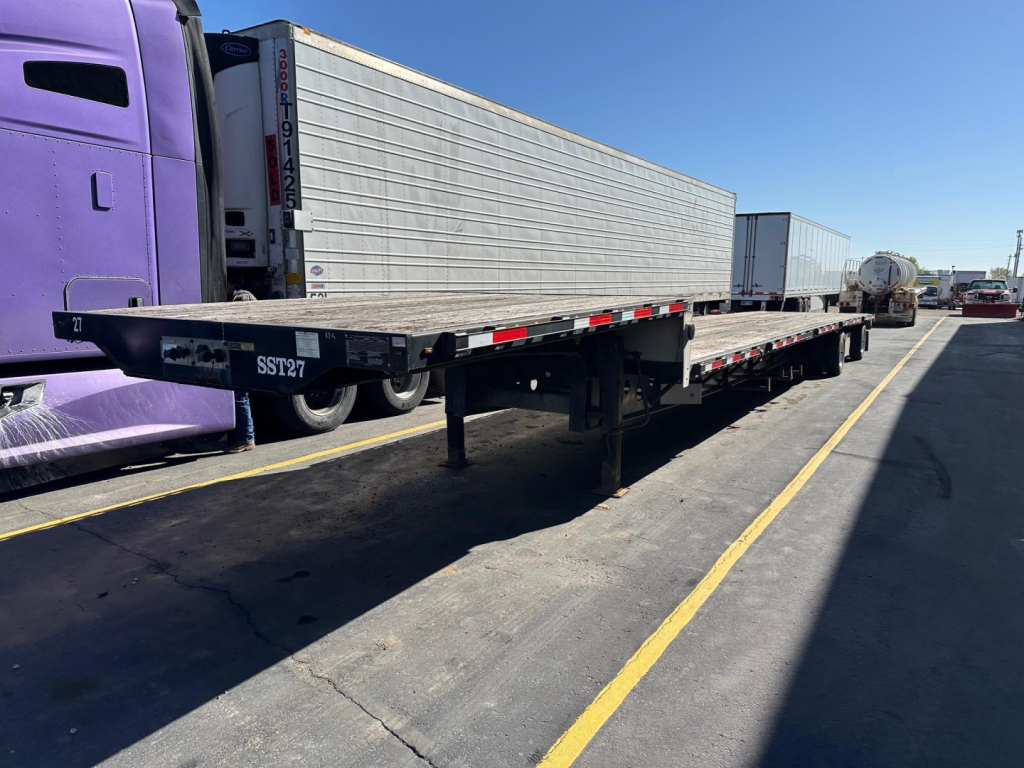
Selling a transcraft trailer? List your transcraft trailer for sale and reach thousands of commercial buyers.
Transcraft Trailers in Colorado
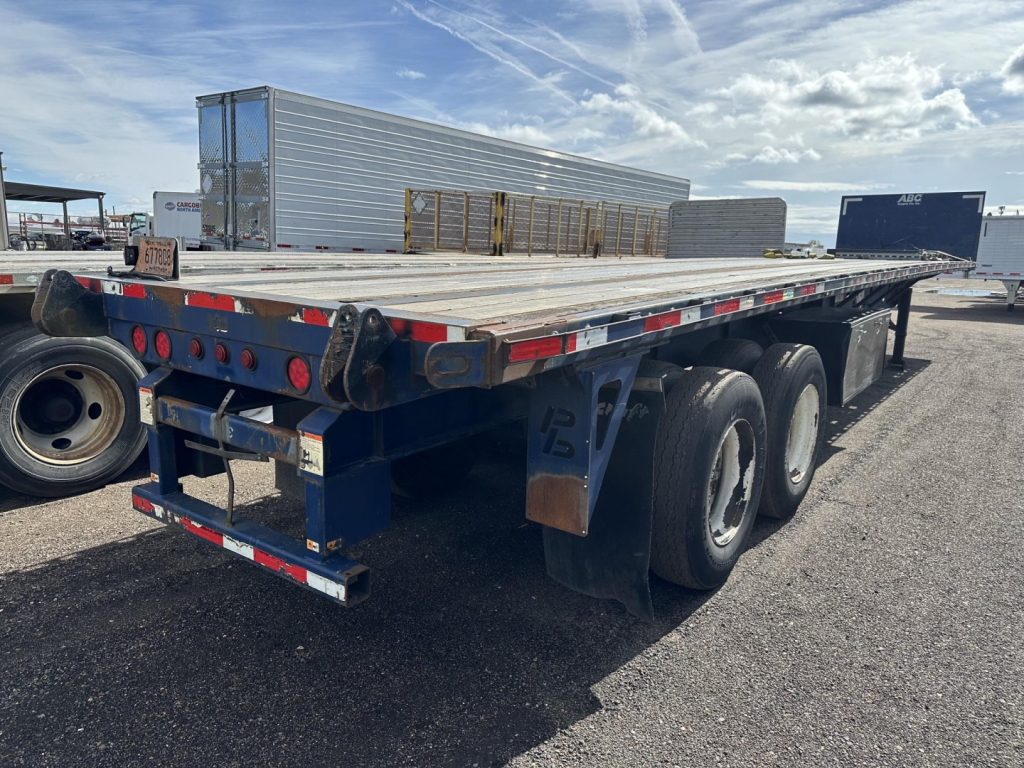
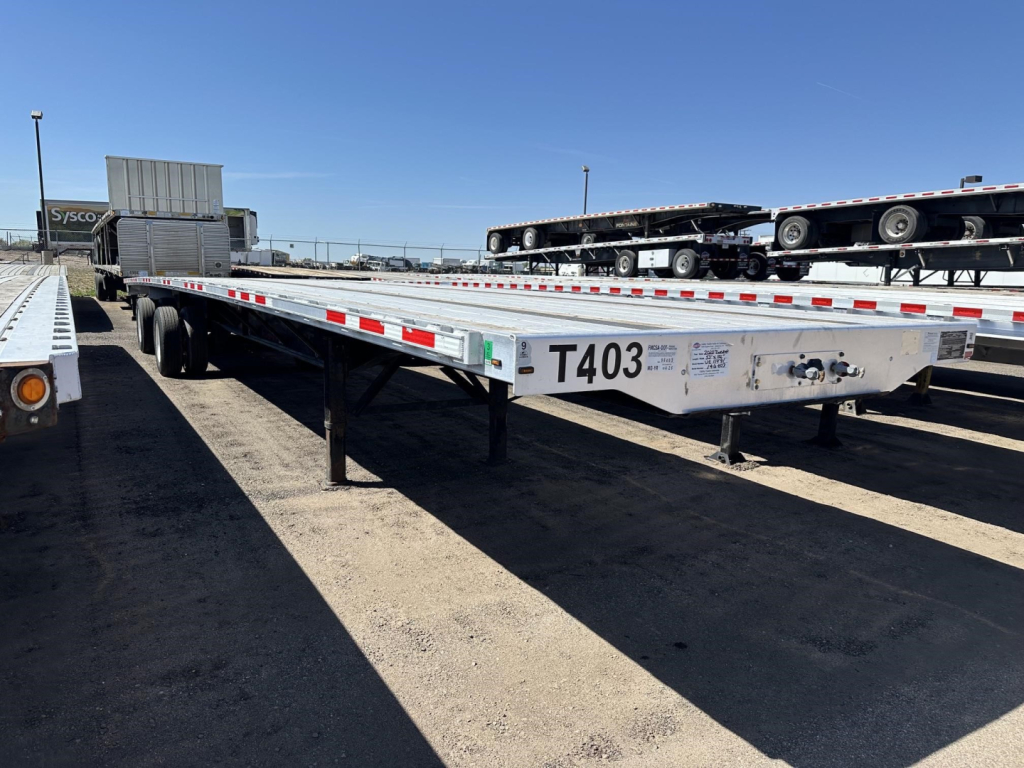
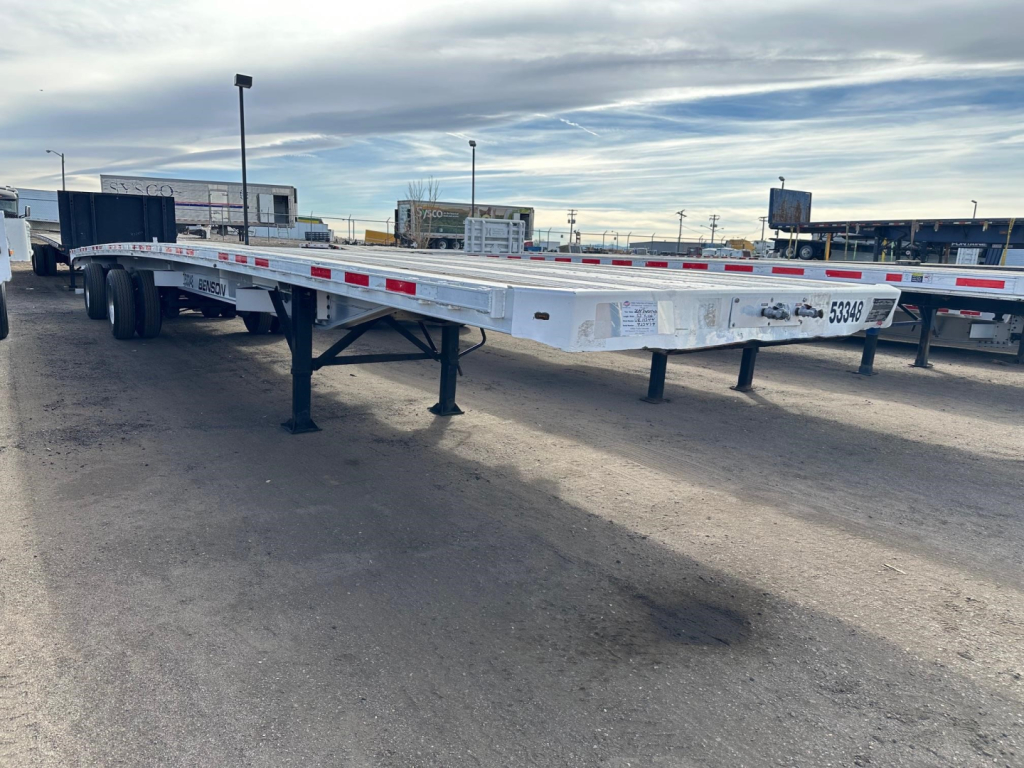
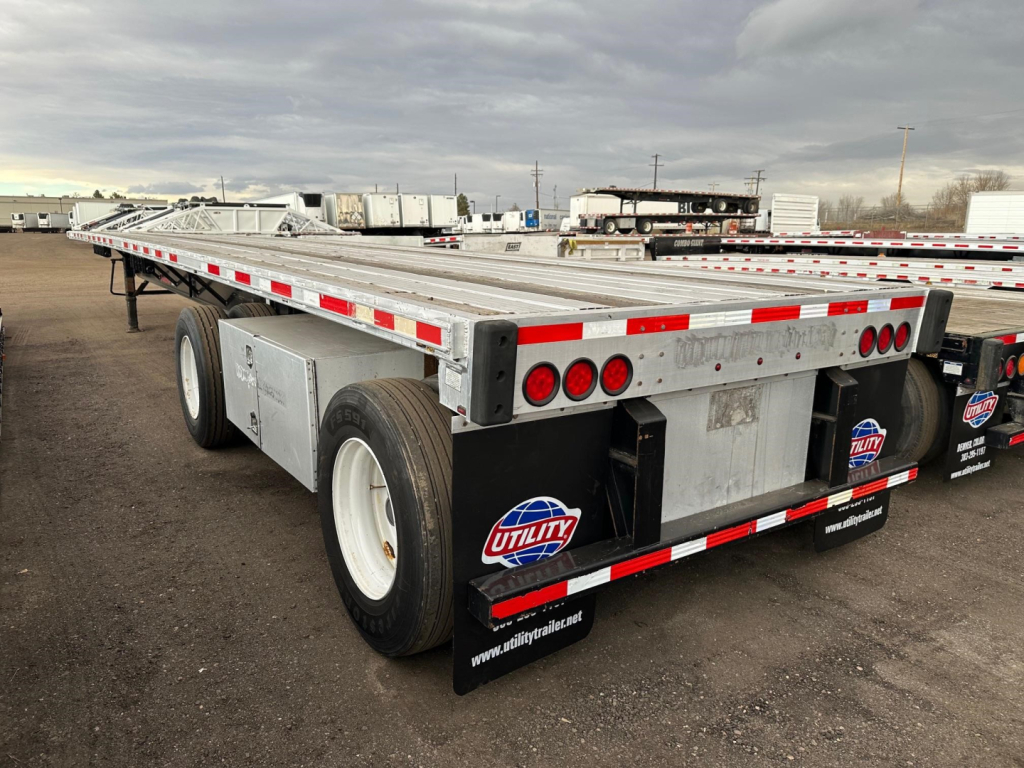
One of the main buying decisions is construction. A steel Transcraft trailer usually appeals to buyers prioritizing durability and a lower acquisition cost, especially for rougher jobsite use, dense freight, or fleets that do a lot of short-haul work. A combo Transcraft, with steel main beams and aluminum components such as the deck or side rails, is often preferred when payload matters more because it can trim tare weight without giving up the familiar flatbed layout. Deck material also matters. Wood or Apitong floors remain popular for freight flexibility and repairability, while aluminum deck sections can help keep weight down for operations chasing every legal pound.
Suspension and axle setup should match the lanes you run. Common Transcraft specs include tandem axles with air ride or spring ride, plus fixed spread, sliding tandem, or rear slide configurations. Air ride is usually the better fit for more delicate freight and broader resale appeal, while spring ride can still make sense for simpler, lower-cost flatbed service. In Colorado and other western states, axle placement can be especially important if the trailer will cross multiple jurisdictions or haul heavier concentrated loads. California-legal set-forward and spread-axle configurations are also worth noting for buyers who need bridge-law flexibility. Tire sizes such as 22.5 low-profile or 17.5-inch rubber show up depending on whether the trailer is a standard flatbed or a lower-deck application.
For drop deck buyers, Transcraft models are often selected for machinery, taller freight, and loads that need extra deck height clearance without stepping up to a specialized heavy haul trailer. Look closely at loaded deck height, upper deck length, main deck length, and whether the trailer is fixed or expandable. On flatbeds, pay attention to winch track condition, rail straightness, floor wear, crossmember integrity, and how the coil package is laid out if steel service is part of the plan. On any used Transcraft trailer, the most important real-world checks are suspension condition, slider function, tire wear patterns, brake life, frame repairs, and evidence of hard concentrated loading around the kingpin area and axle group.
Frequently Asked Questions about Transcraft Trailers in Colorado
What types of Transcraft trailers are most common on the used market?
The most common Transcraft trailers on the used market are 48-foot and 53-foot flatbeds, combo flatbeds, steel flatbeds, and drop deck trailers. Many are equipped for general open-deck freight with stake pockets, pipe spools, sliding winches, and wood or aluminum decking. Buyers will also see spread-axle, sliding tandem, and California-legal configurations depending on the trailer’s original application.
Is a combo Transcraft trailer better than an all-steel Transcraft trailer?
A combo Transcraft trailer is usually better for payload-sensitive operations because the steel-and-aluminum construction lowers tare weight compared with an all-steel trailer. An all-steel Transcraft may be the better fit for buyers who prioritize ruggedness, lower purchase cost, and resistance to abuse in tougher daily service. The right choice depends on freight type, route profile, and how much value your operation places on every pound of legal payload.
What should I inspect first on a used Transcraft flatbed or drop deck?
Start with the frame, crossmembers, suspension, brakes, and axle alignment because those items determine both roadability and repair cost. After that, inspect the deck condition, side rails, winch track, stake pockets, landing gear, and slider mechanism if equipped. Uneven tire wear, cracked welds, repairs near the kingpin, and deck damage around coil wells or concentrated load points can tell you a lot about how the trailer was used.
Are Transcraft drop deck trailers a good fit for machinery and taller freight?
Yes. Transcraft drop deck trailers are commonly used for machinery, palletized freight with extra height, and loads that need lower deck height than a standard flatbed can provide. Buyers should confirm the lower deck length, loaded deck height, axle spread, and any expandable feature if longer freight is part of the job. Those details matter more than brand alone when matching a drop deck to actual freight requirements.
Why does axle configuration matter on a Transcraft trailer?
Axle configuration affects bridge compliance, maneuverability, tire scrub, and the types of loads the trailer can legally and efficiently haul. A sliding tandem gives flexibility for weight distribution and dock positioning, while a fixed spread can help with load legality and stability on certain lanes. Set-forward and California-legal axle layouts are especially important for operators who cross state lines or haul freight where axle law compliance is a constant concern.