
Used Freightliner Trucks For Sale

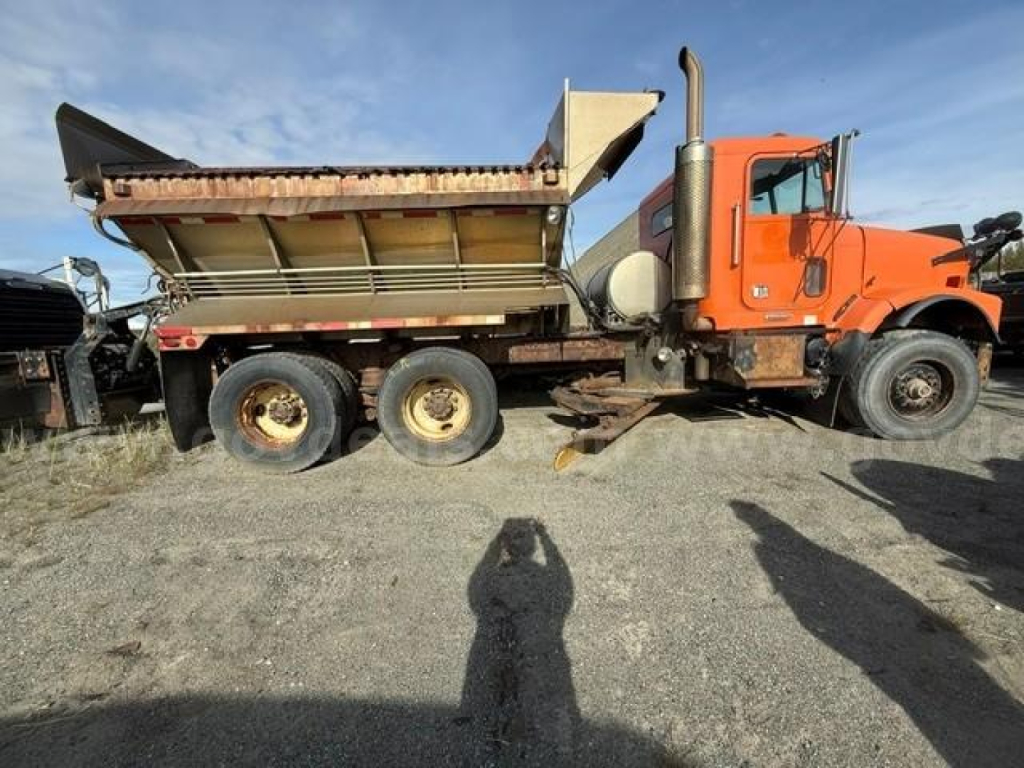
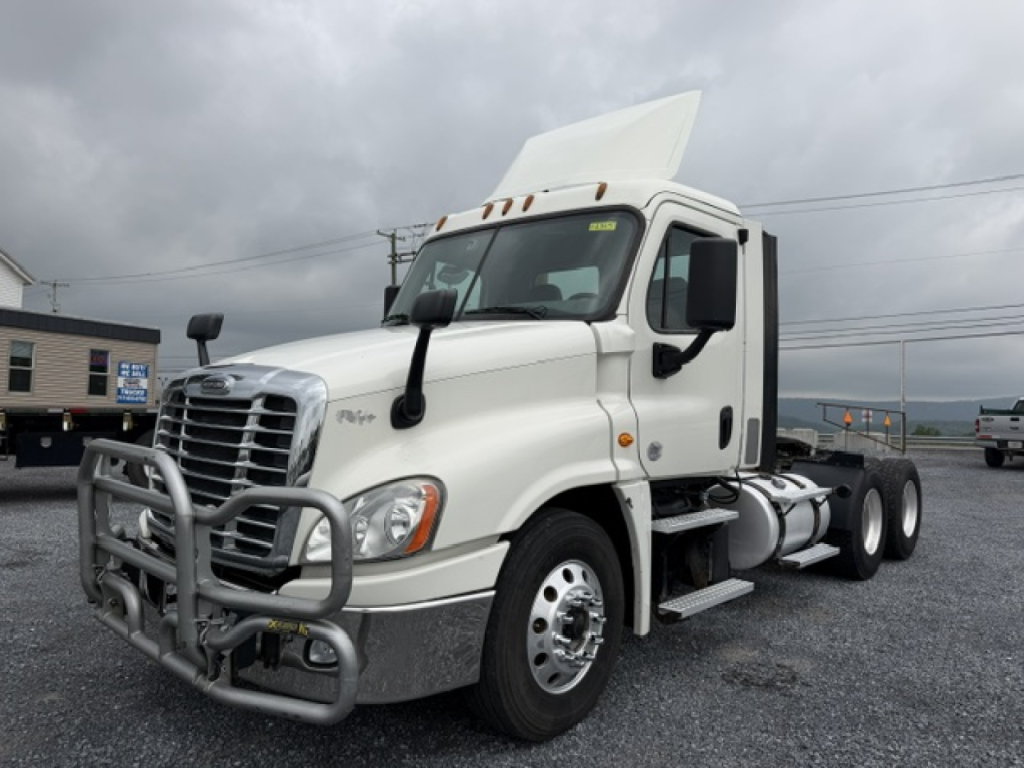
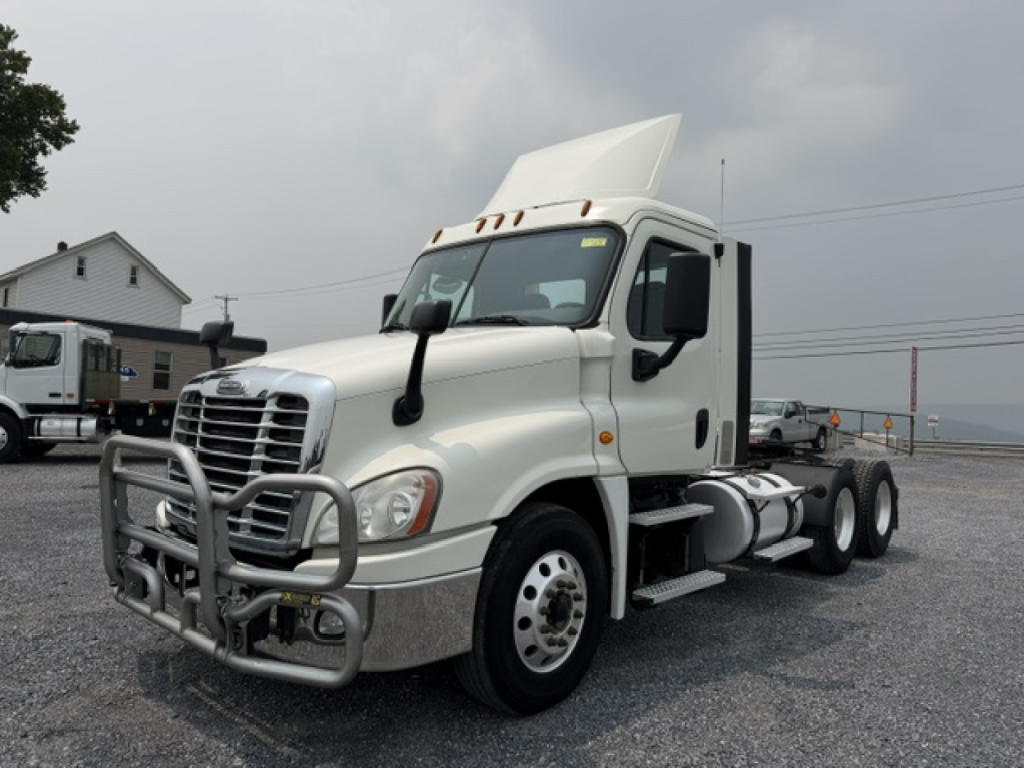
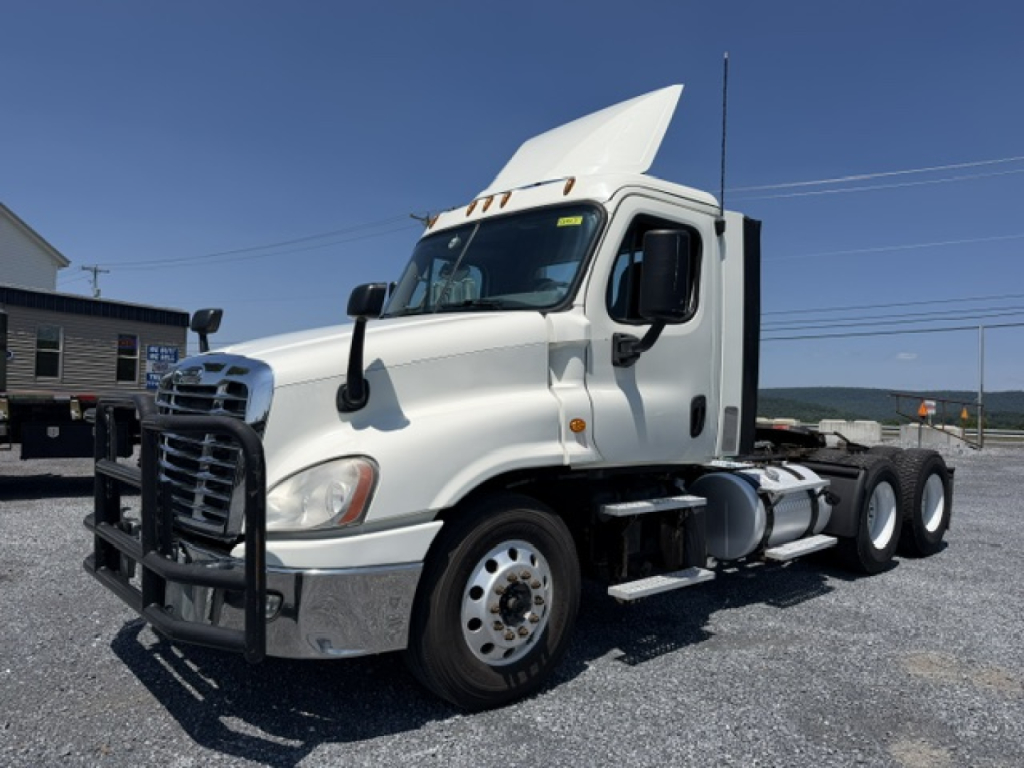
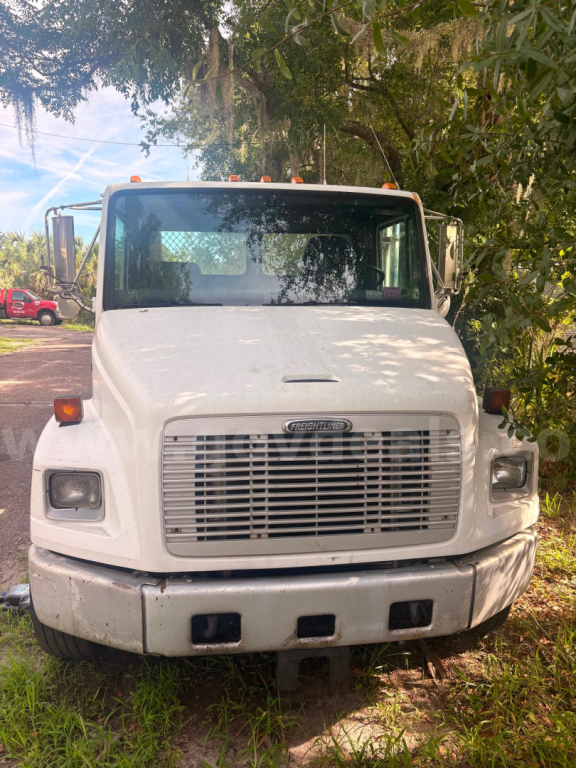
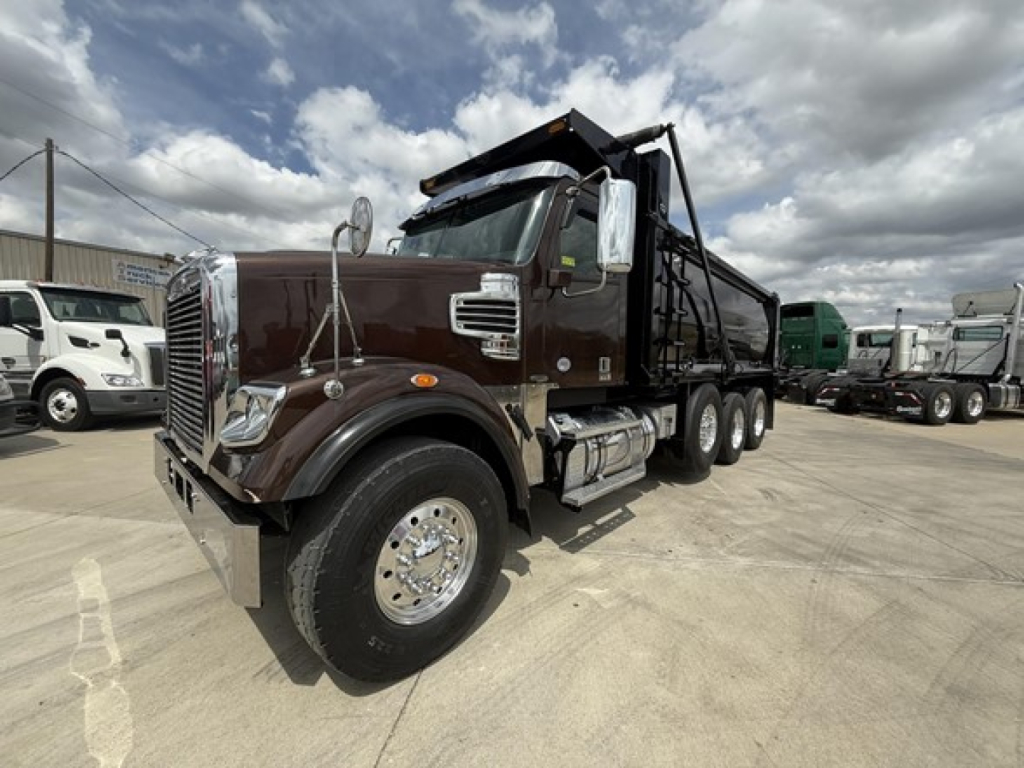
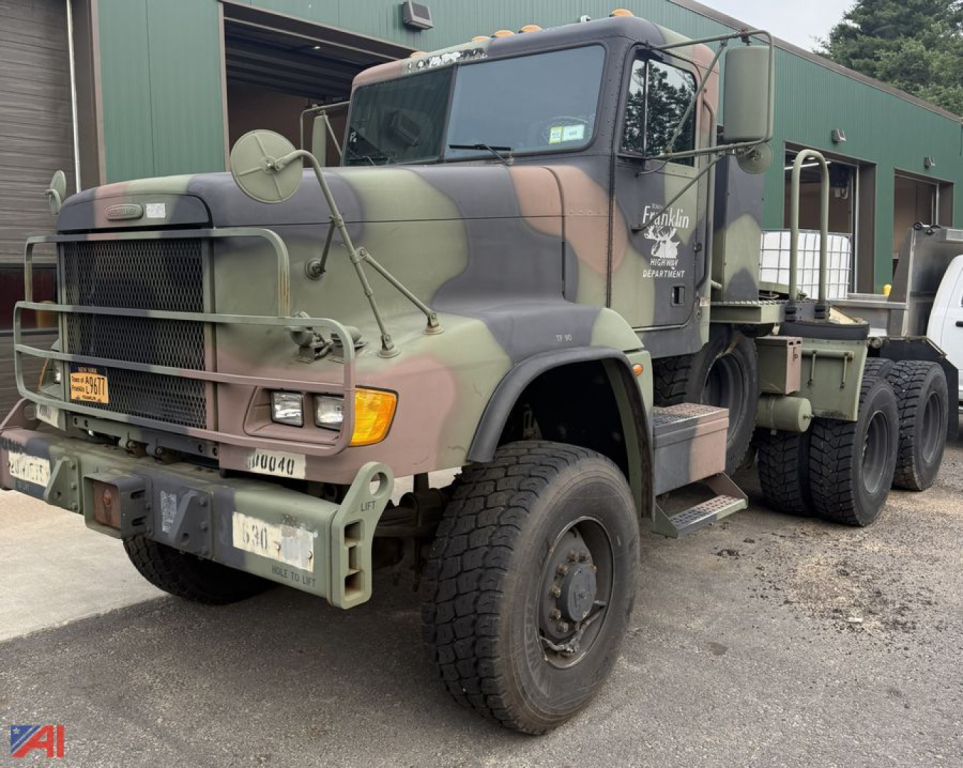
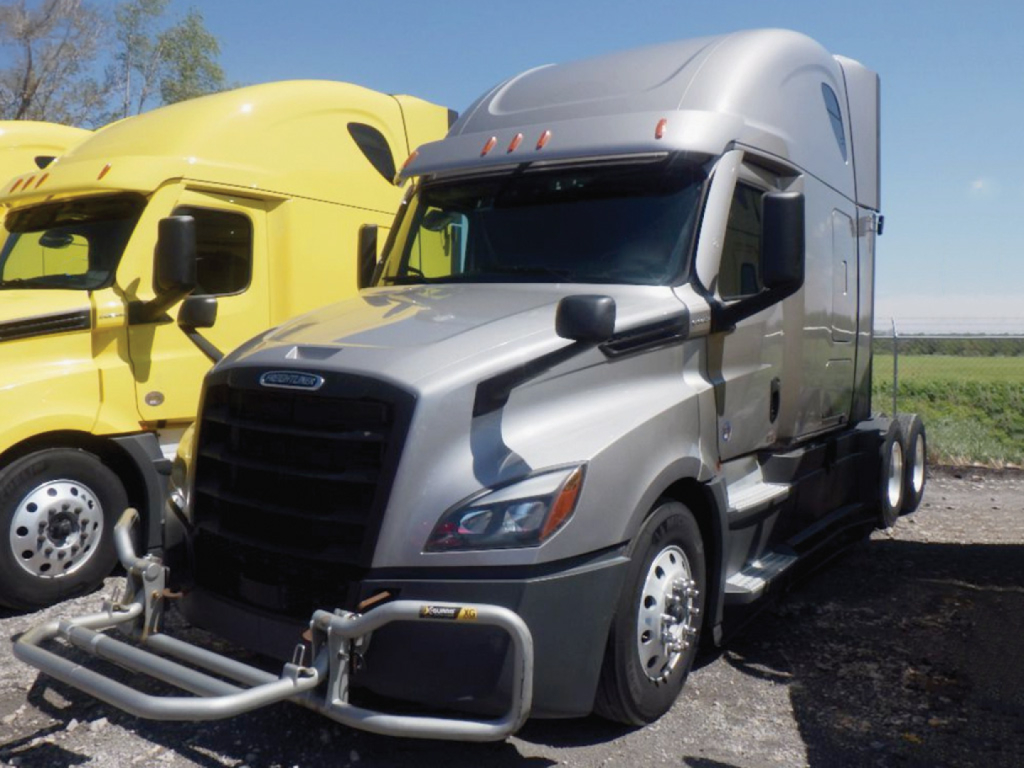
Showing 1 to 24 of 573 results
Have used freightliner truck to sell? List it here to reach thousands of buyers.
Used Freightliner Trucks
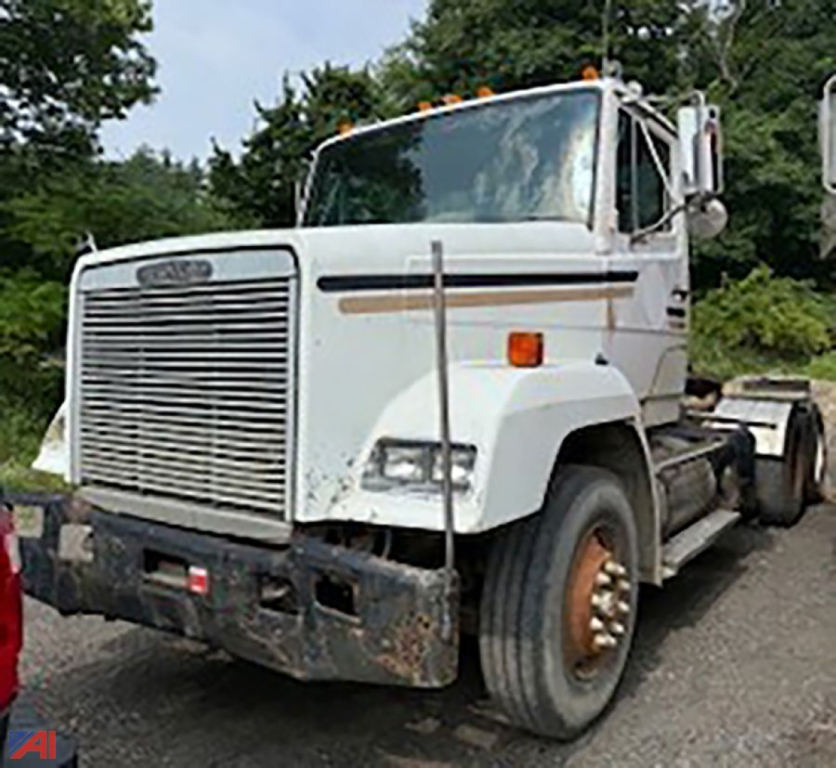
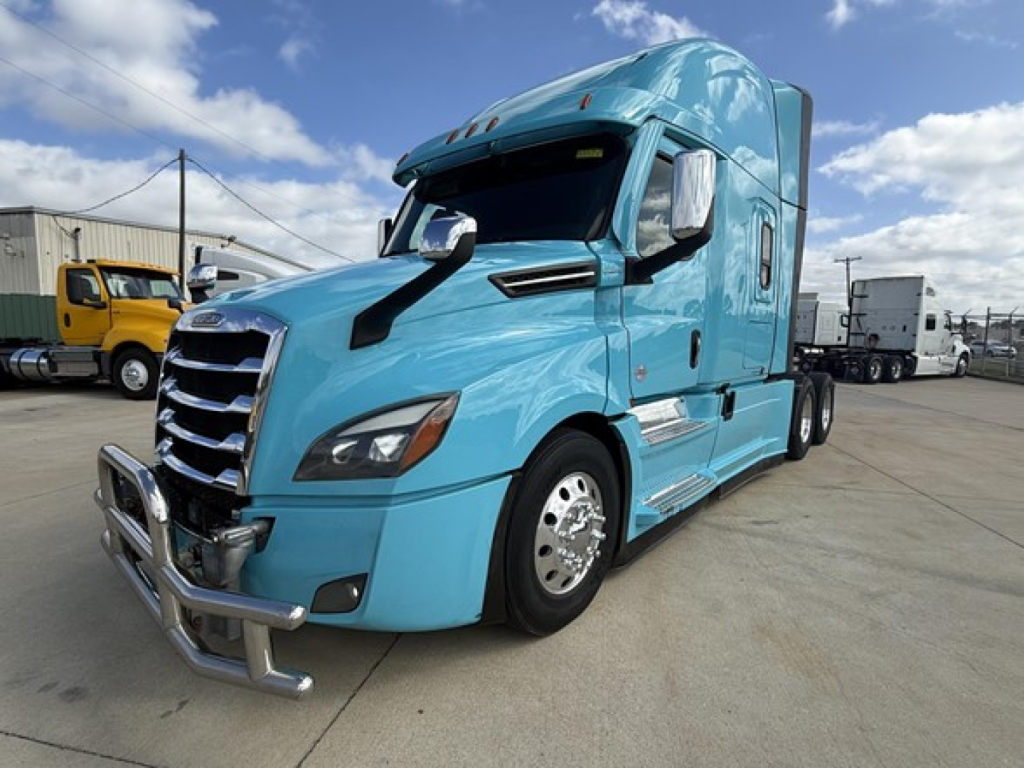
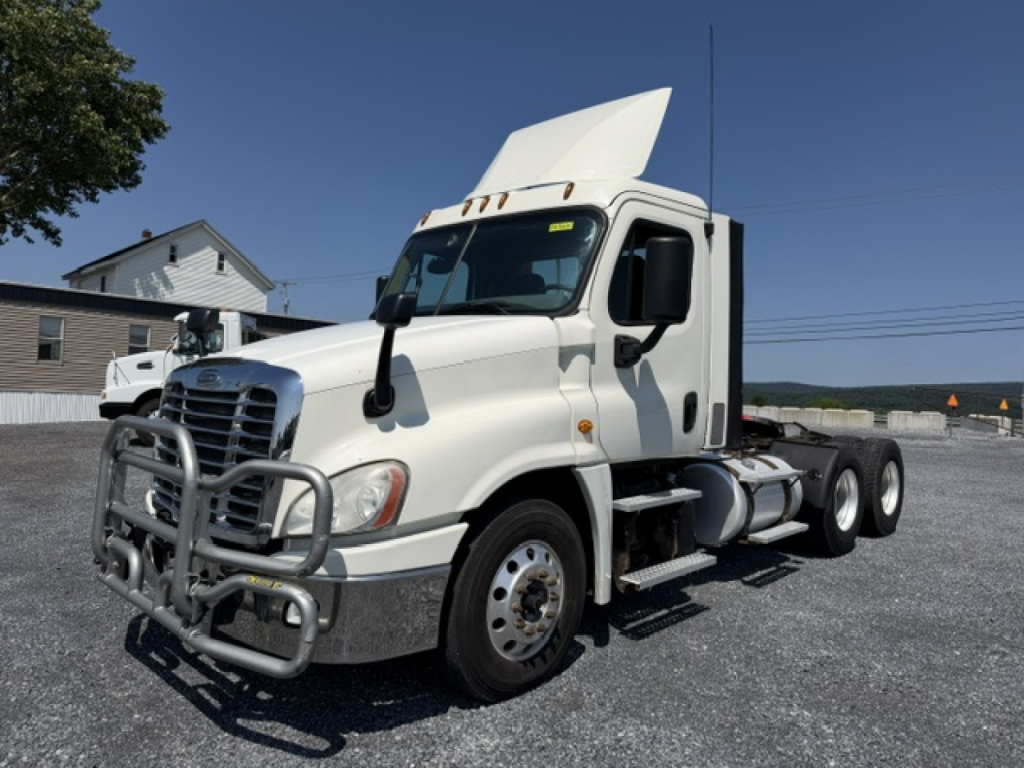
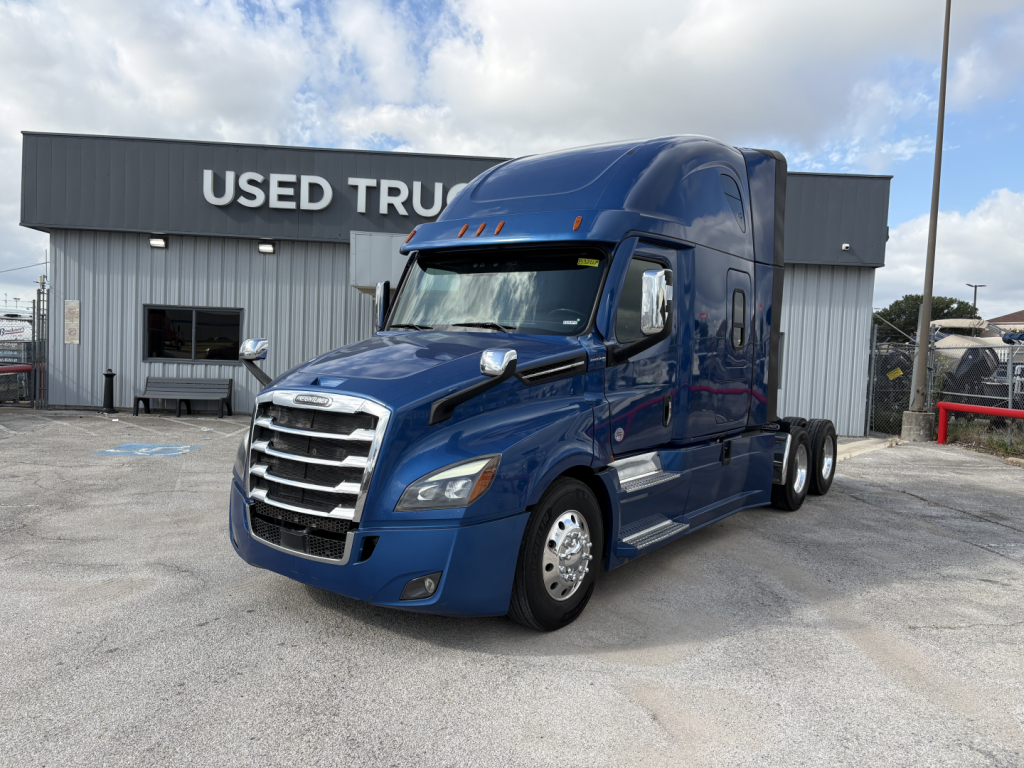
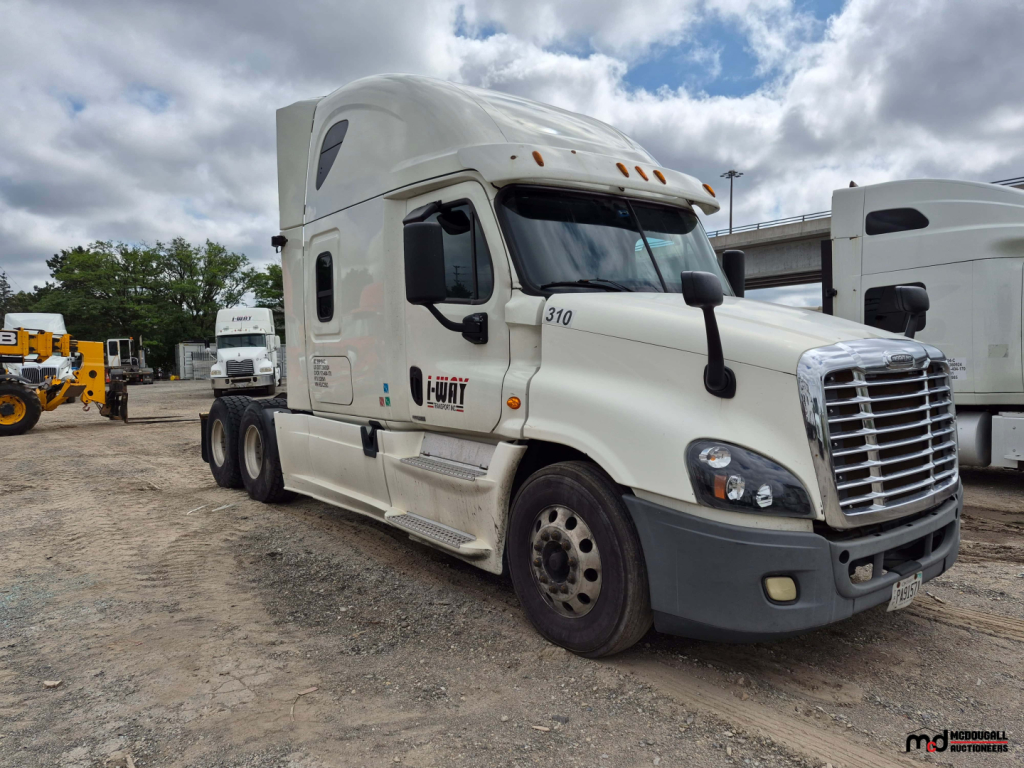
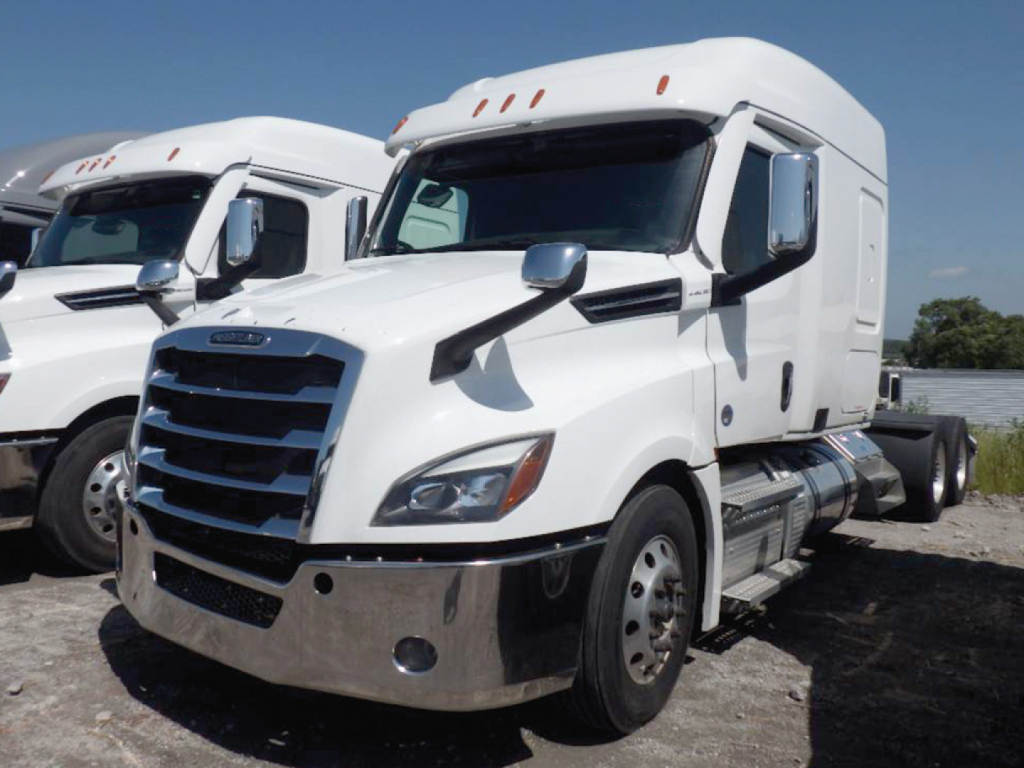
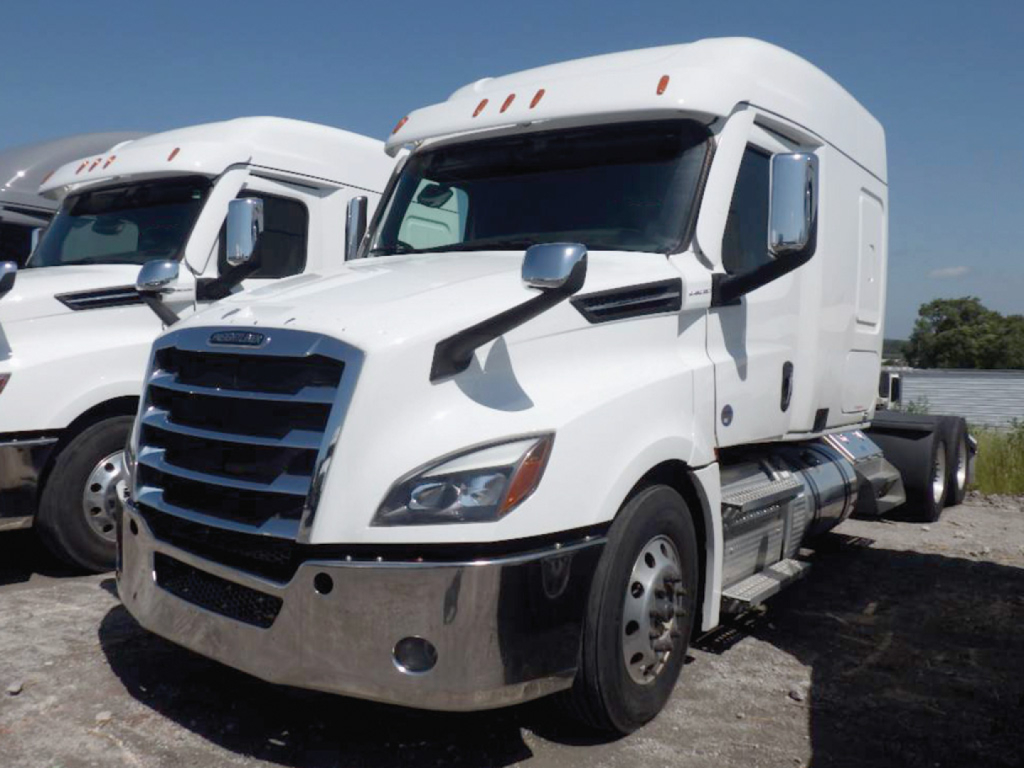
For over-the-road and regional hauling, the used Freightliner category is heavily centered on the Cascadia, also known as a conventional tractor. Common setups include Detroit DD13 or DD15 diesel engines, DT12 automated manual transmissions, tandem rears around 40,000 pounds, and ratios such as 3.08 for fuel-conscious highway service. Buyers comparing day cabs to sleepers should look closely at wheelbase, fifth wheel type, cab fairings, fuel capacity, and brake configuration. Air ride suspension, engine brakes, DEF-equipped emissions systems, and aerodynamic packages are standard considerations in late-model units. Mileage matters, but service history, idle hours, aftertreatment condition, and any evidence of head gasket, injector, or transmission issues usually matter more than odometer alone.
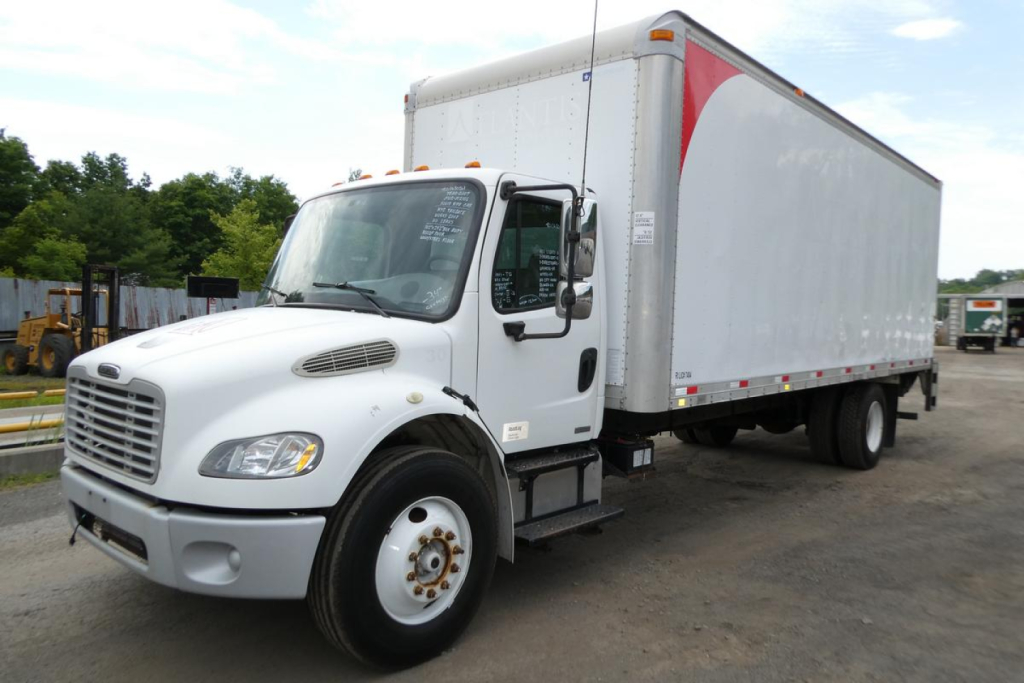
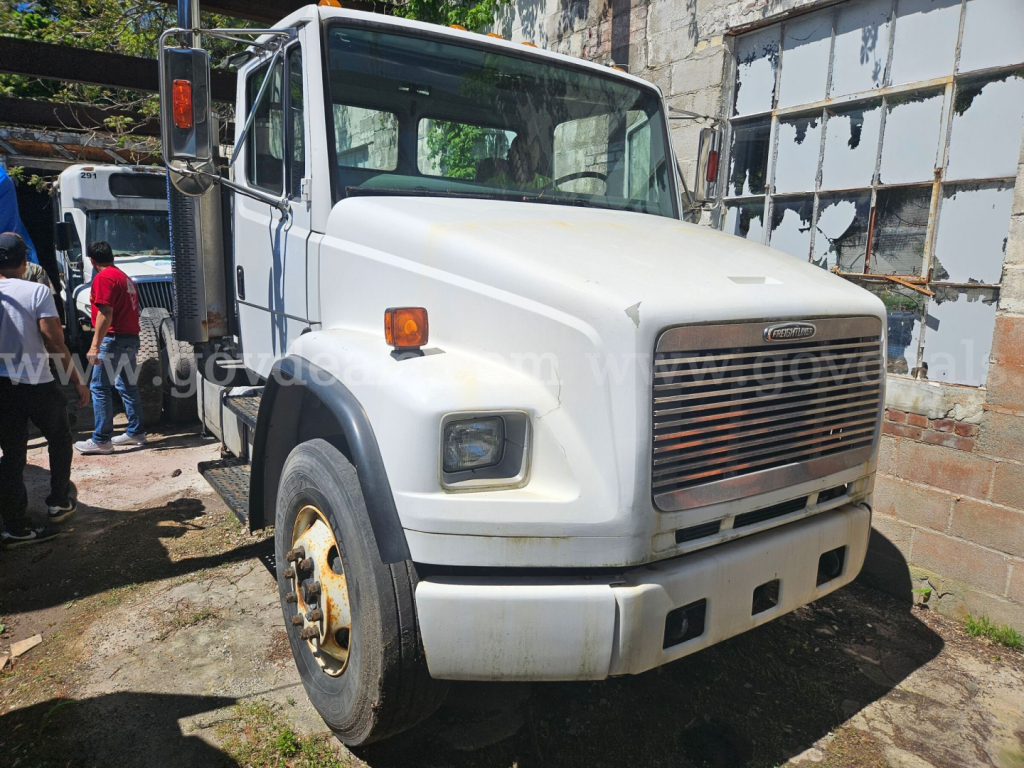
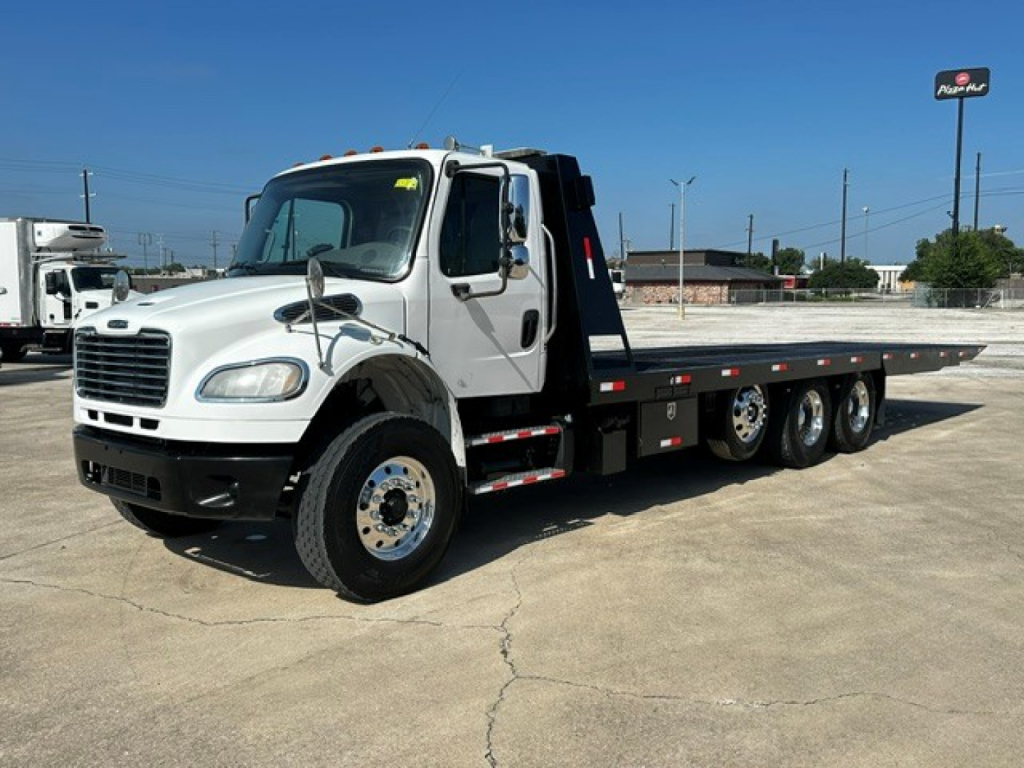
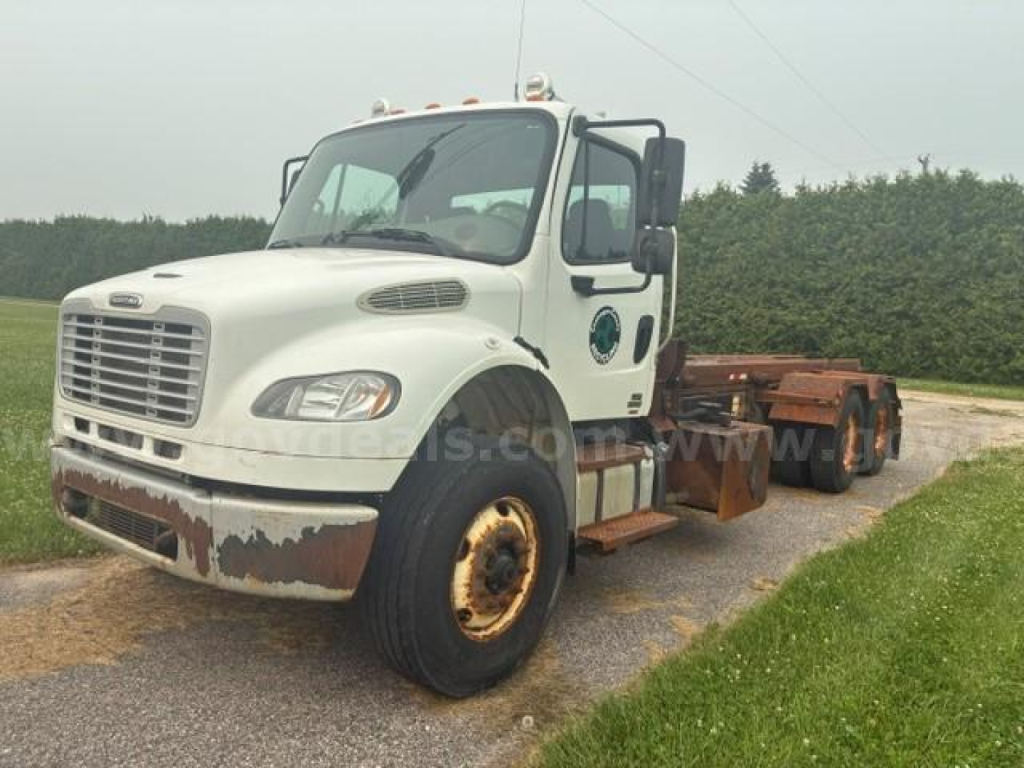
In medium-duty and vocational Freightliner trucks, the M2 platform is common in utility, municipal, box truck, flatbed, dump, service, and derrick applications. These trucks can carry very different body and PTO setups, so the chassis specs need to match the work. Front axle capacity, rear axle rating, frame type, cab-to-axle, power take-off compatibility, and suspension design are critical. A buyer looking at a digger derrick or bucket truck, for example, should evaluate hydraulic system condition, outriggers, boom certification history, and body manufacturer support just as closely as engine and transmission specs. For local delivery or municipal work, visibility, turning radius, automatic transmission options, and brake type can be just as important as horsepower.
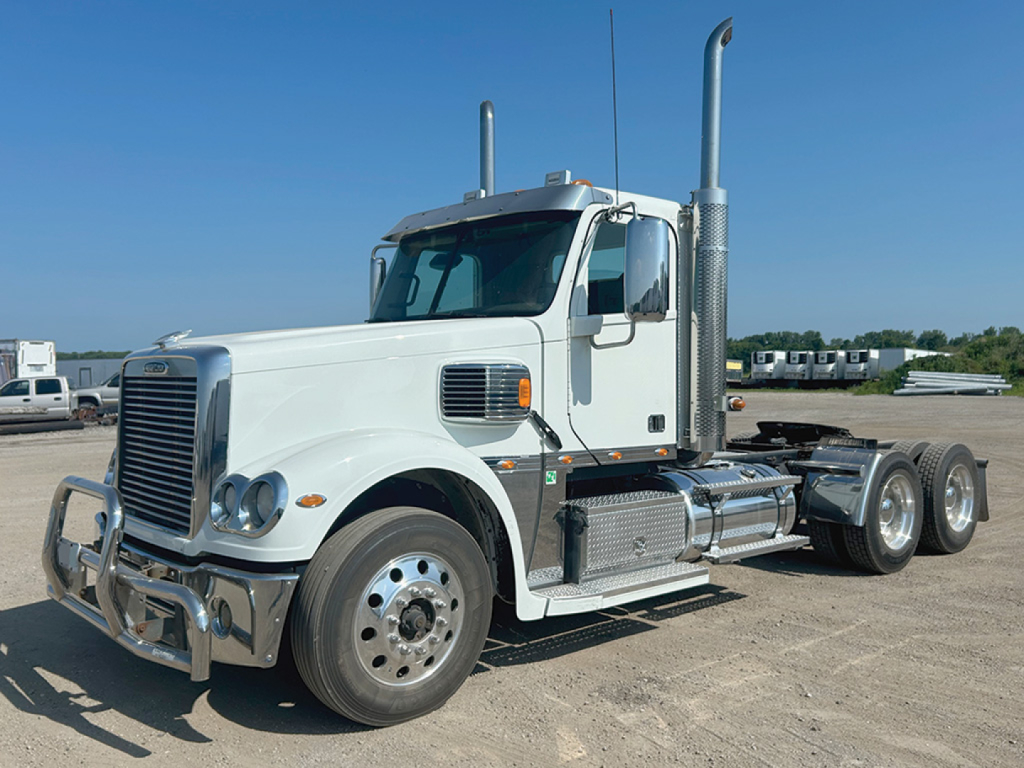
A good used Freightliner purchase comes down to application fit and total operating cost. Check the engine family, transmission model, axle ratio, wheelbase, GVWR or GCWR, tire size, and any recent emissions or drivetrain repairs before comparing price alone. Freightliner trucks are common enough that spec differences can be significant even within the same model year. A highway day cab with a 172-inch wheelbase and air slide fifth wheel serves a very different role than a double bunk sleeper or an M2 vocational chassis. Buyers who focus on intended use, maintenance records, and component specs usually make the strongest comparison across the used Freightliner market.
Frequently Asked Questions about Used Freightliner Trucks
What should I look for first when buying a used Freightliner truck?
Start with the truck’s intended application, then verify the core chassis and powertrain specs match that job. On a used Freightliner, the key items are engine model, transmission type, axle ratings, axle ratio, wheelbase, suspension, brake setup, and emissions equipment status. After that, review maintenance records, fault history, aftertreatment repairs, tire condition, and any signs of engine, transmission, or cooling system problems. A lower price does not offset the wrong spec or deferred maintenance.
Are used Freightliner Cascadia trucks good for regional and long-haul work?
Yes, the Cascadia is one of the most common used Freightliner trucks for both regional and over-the-road service. It is widely used because it offers aerodynamic design, strong parts support, and familiar Detroit engine and DT12 transmission combinations. Buyers should choose between day cab and sleeper layouts based on route length, driver requirements, and payload strategy. Fuel tank size, rear axle ratio, fairings, and wheelbase all affect how well a Cascadia fits a specific haul.
What is the difference between a Freightliner day cab and sleeper tractor?
A day cab is built for local and regional operation where the driver returns regularly and does not need living space. A sleeper tractor adds a bunk compartment for overnight or team operation, and it often carries different wheelbase, fairing, and fuel capacity specs. Used buyers should compare not just cab style, but also weight, maneuverability, maintenance access, and resale demand in their lane or region. The right choice depends on dispatch pattern more than appearance.
How important are DD13, DD15, and DT12 specs on a used Freightliner?
They are very important because these components define performance, fuel economy, serviceability, and repair exposure. A DD13 may be a solid fit for lighter regional work, while a DD15 is common in heavier linehaul service where torque and highway efficiency matter. The DT12 automated manual is widely used and can perform well, but buyers should confirm clutch, calibration, and shift history along with any stored fault codes. Matching engine horsepower, torque rating, and gearing to the load is more important than choosing the biggest available engine.
Are used Freightliner M2 trucks a good choice for vocational work?
In many cases, yes. The Freightliner M2 is a common medium-duty platform for utility bodies, box trucks, flatbeds, service trucks, dumps, and specialized municipal equipment because it offers versatile chassis configurations and broad service support. The important step is to evaluate the body and equipment package along with the truck itself. Cab-to-axle measurement, PTO capability, frame strength, hydraulic systems, and body condition often determine value more than the cab badge alone.