
Used Freightliner Day Cab Trucks For Sale
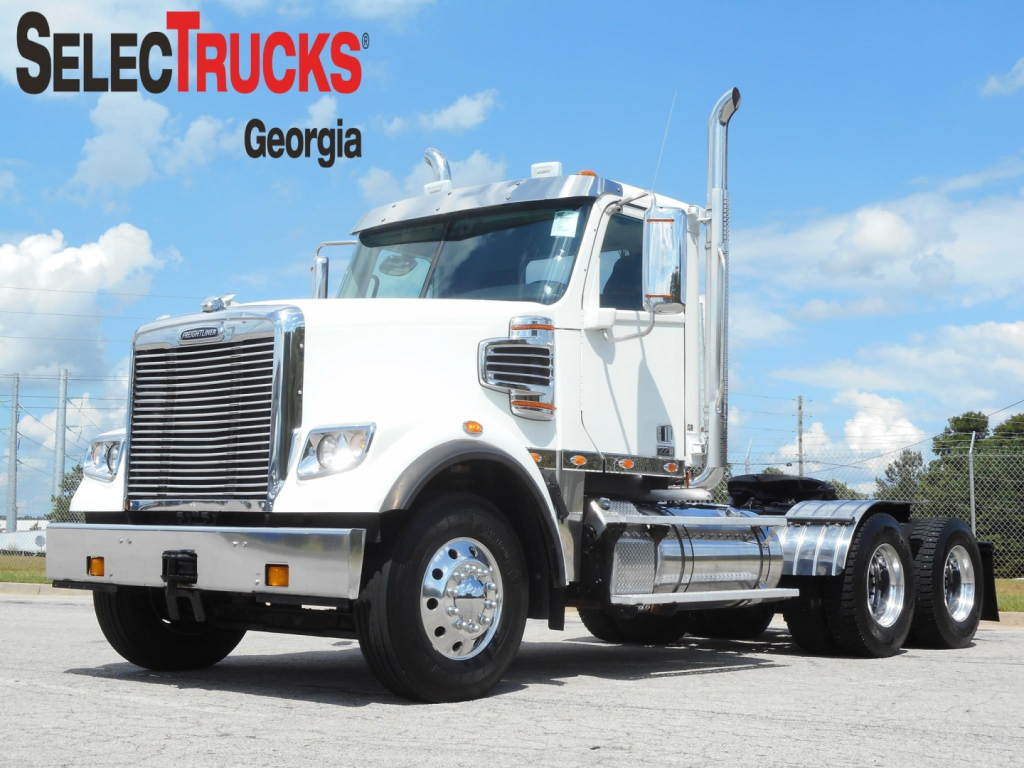
Shop used Freightliner day cab trucks, including Cascadia and M2 models, with specs for regional haul, drayage, P&D, and terminal work.
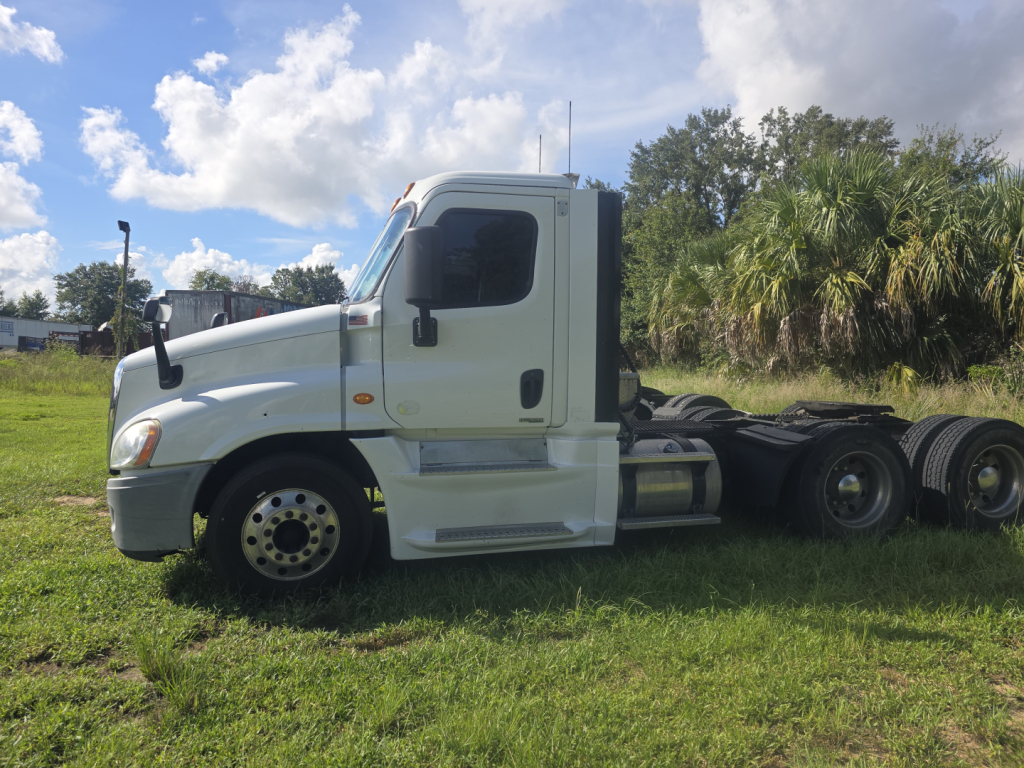
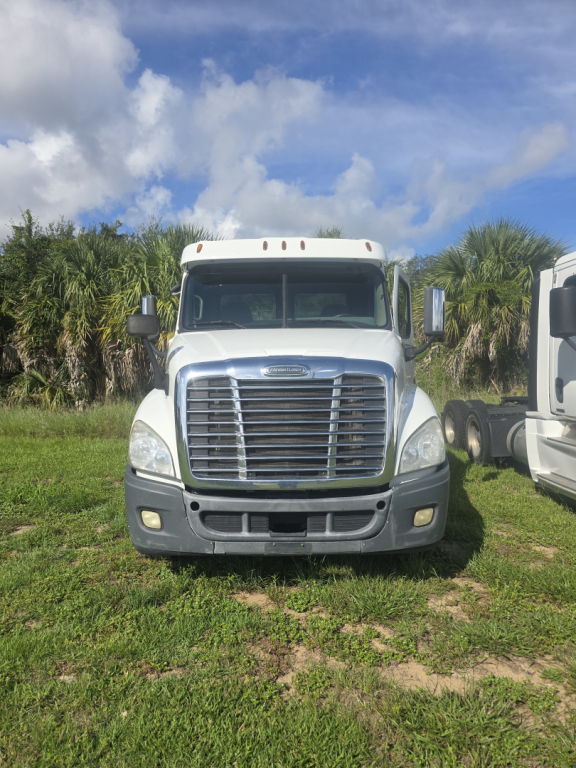
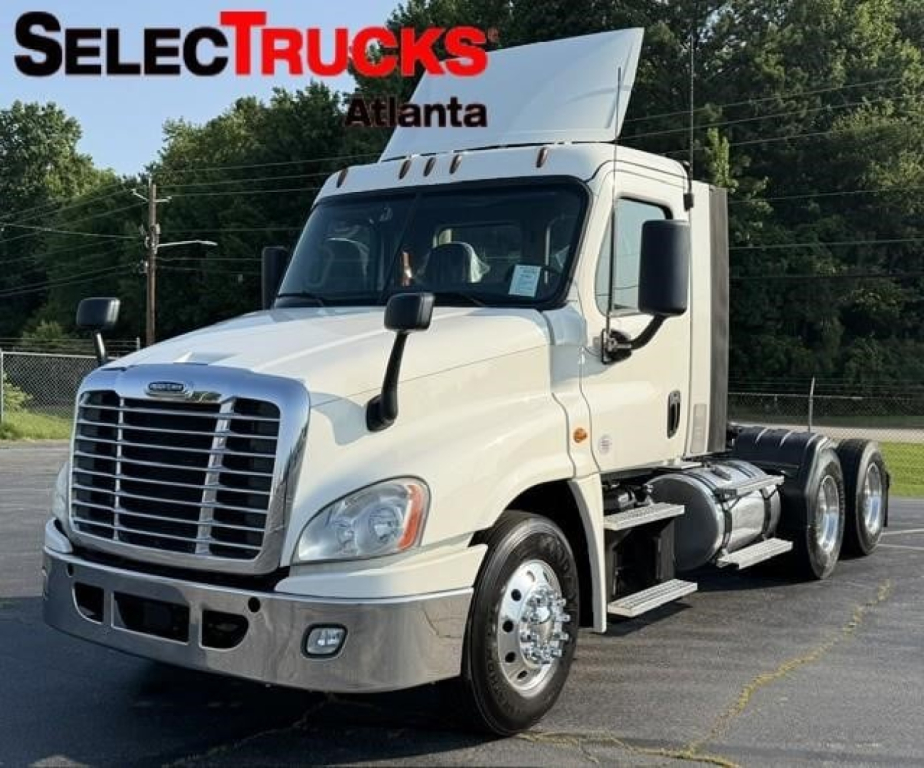
2017 Freightliner Cascadia 125
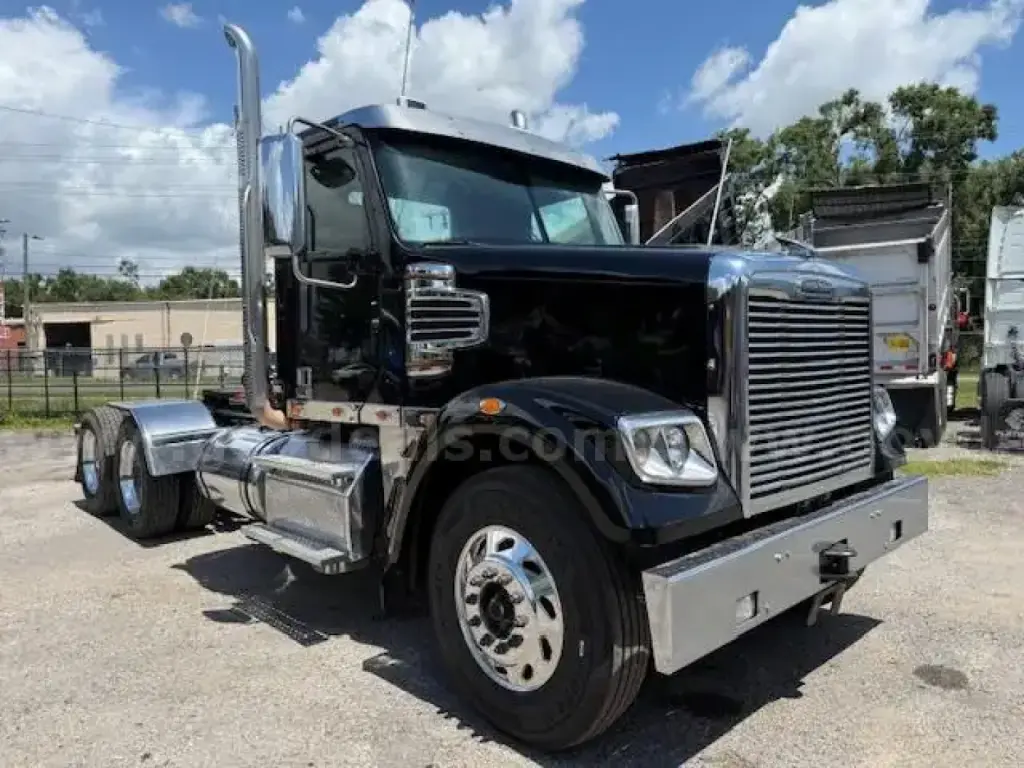
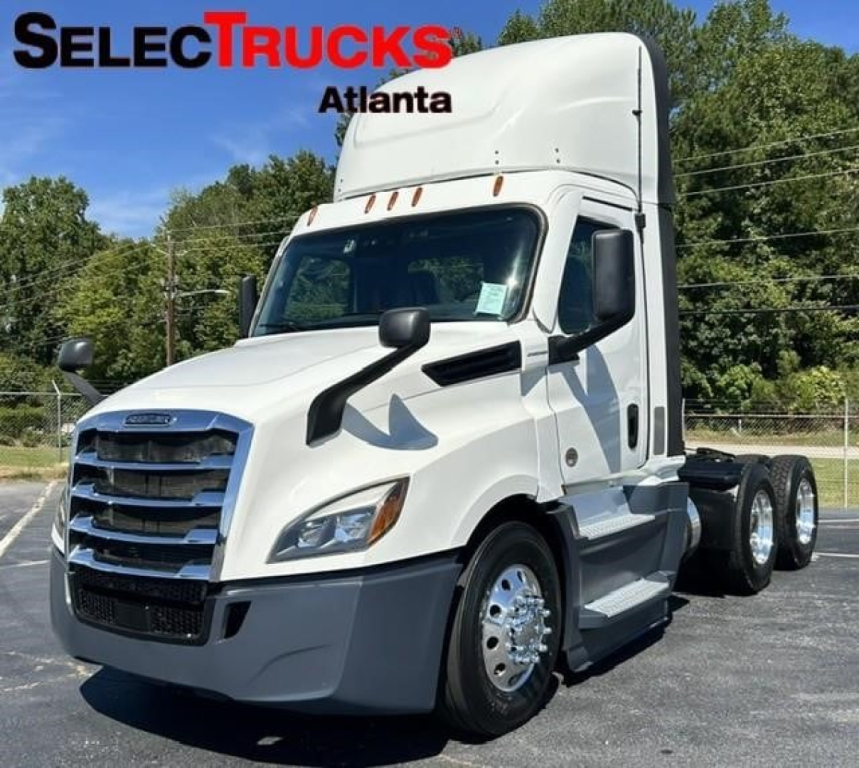
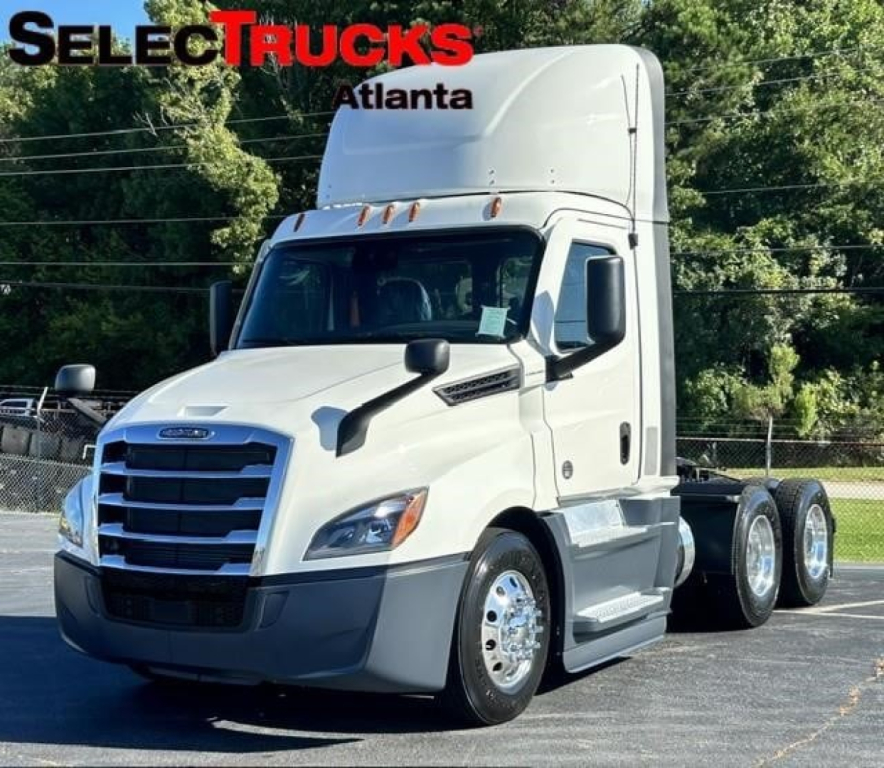
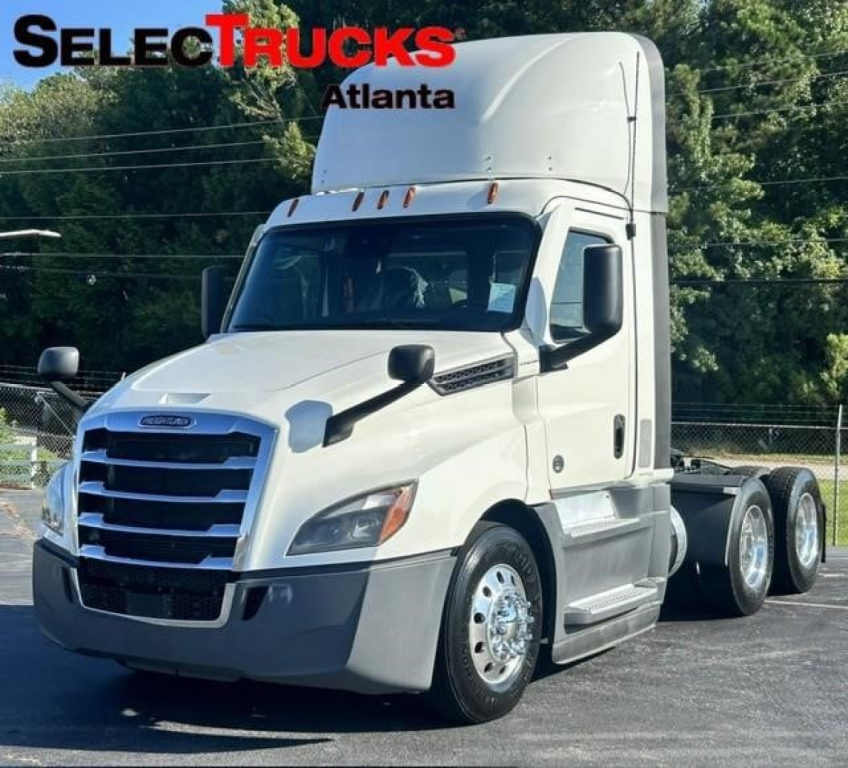
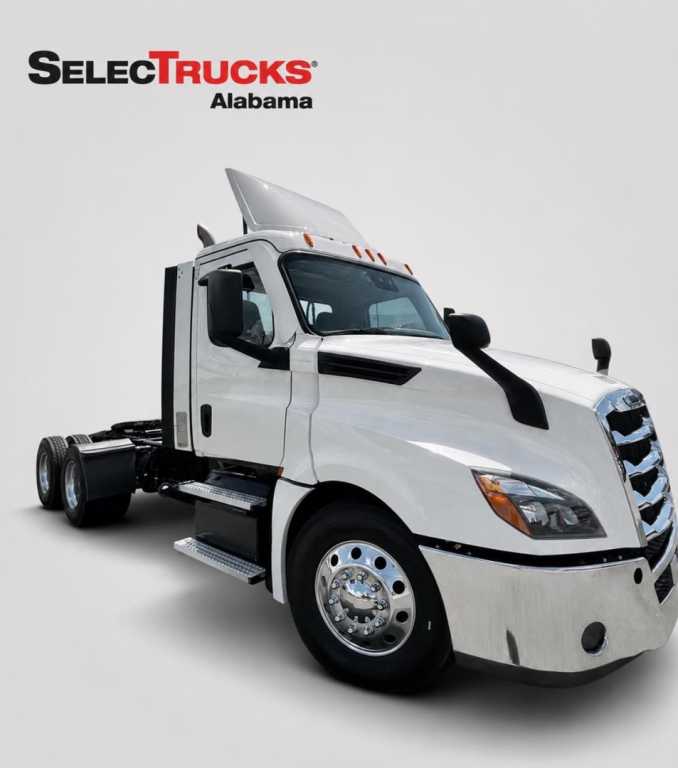
2021 Freightliner Cascadia 126
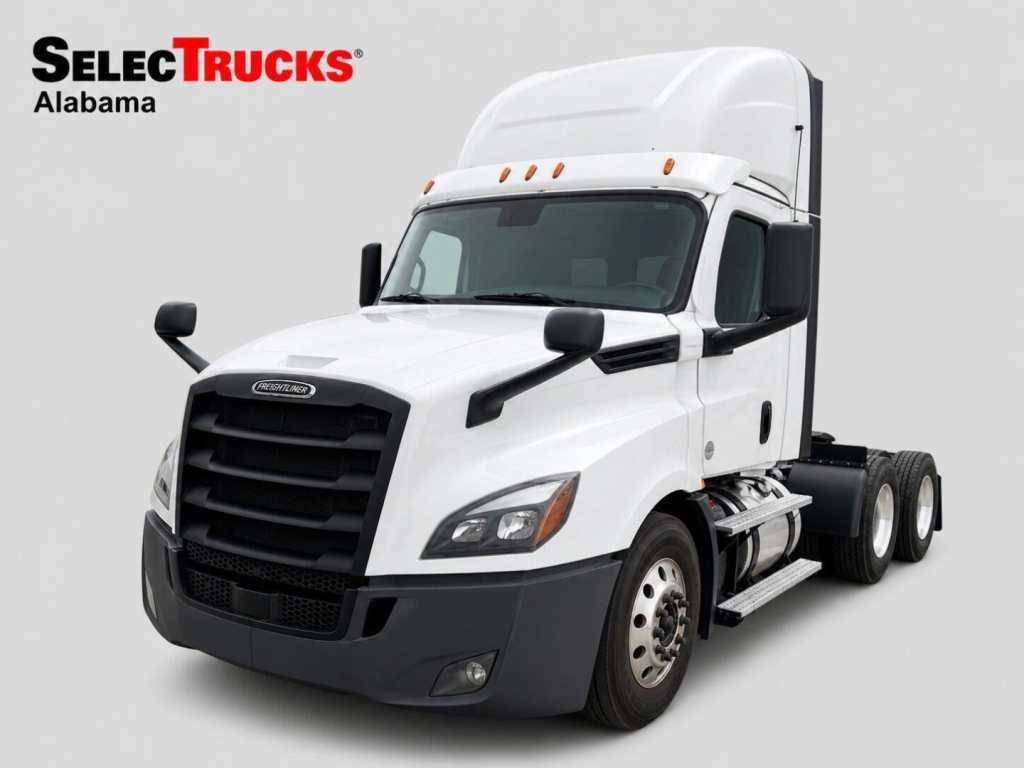
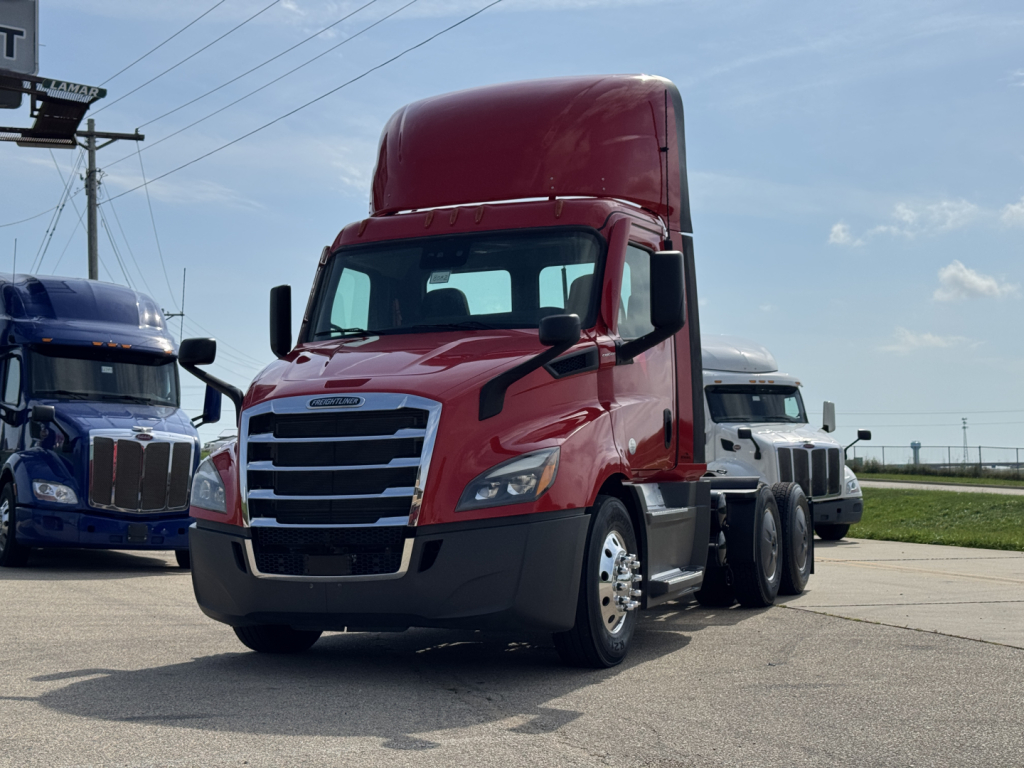

Selling a used freightliner day cab truck? List your used freightliner day cab truck for sale and reach thousands of commercial buyers.
Used Freightliner Day Cab Trucks
Frequently Asked Questions about Used Freightliner Day Cab Trucks
What is the most common engine and transmission setup in a used Freightliner day cab?
One of the most common configurations is a Detroit DD13 diesel engine paired with a Detroit DT12 automated manual transmission. That setup is popular because it balances fuel economy, durability, and driver acceptance in regional and local service. Horsepower around 450 is common in highway-oriented day cabs, while transmission calibration, rear axle ratio, and wheelbase have a major impact on how the truck performs in stop-and-go work versus longer regional lanes.
What should I check first on a used Freightliner day cab?
Start with the truck’s application-related specs before focusing on appearance. Confirm wheelbase, axle rating, rear axle ratio, fifth wheel type, suspension, and fuel capacity to make sure the truck fits the trailers and routes you run. Then review maintenance history, fault codes, aftertreatment condition, tire wear, brake condition, and signs of frame or cab damage. On a used Freightliner, buyers should also verify emissions system service history, transmission performance, and the operation of any collision mitigation or driver-assist systems.
Is a Freightliner Cascadia day cab good for regional hauling?
Yes. The Freightliner Cascadia day cab is one of the strongest choices for regional hauling because it is widely spec'd for highway efficiency, driver comfort, and easy fleet serviceability. Common configurations include tandem axle 6x4 drivetrains, air ride suspension, 12-speed automated transmissions, and wheelbases in the mid-170-inch to 180-inch range. Those specs work well for short regional turns, drop-and-hook freight, dedicated lanes, and terminal-based operations where a sleeper is not necessary.
How do axle ratio and wheelbase affect a used day cab’s performance?
Rear axle ratio and wheelbase change how the truck behaves more than many buyers expect. A faster ratio such as 2.41 generally favors fuel economy and highway cruising, while a deeper ratio such as 3.08 can improve launch feel and versatility depending on load and route. Wheelbases around 174 to 180 inches are common on used Freightliner day cabs and usually provide a good compromise between trailer swing clearance, ride quality, and maneuverability in yards and city approaches.
Are used Freightliner day cab trucks a good fit for drayage and local work?
They often are. A used Freightliner day cab is well suited for drayage, P&D, and local shuttle work because the shorter cab layout improves visibility and maneuvering compared with a sleeper tractor. Many are spec'd with sliding fifth wheels, tandem rear axles, air ride suspension, and practical fuel capacity for full-day operation. Buyers in port or metro service should pay close attention to emissions compliance, turning radius, and the condition of the clutch or AMT driveline components because those trucks often see frequent starts, stops, and low-speed yard movement.