
Used Freightliner Day Cab Trucks For Sale in Florida
Browse used Freightliner day cab trucks in Florida. Compare specs, wheelbases, engines, and axle setups for regional and local haul work.
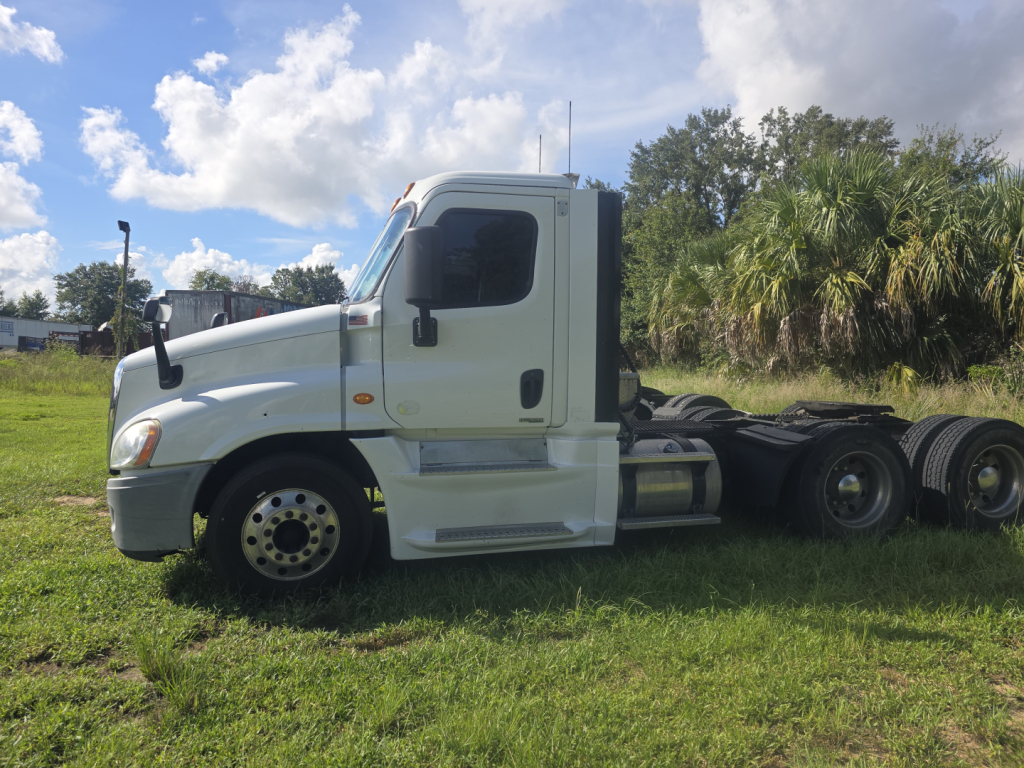
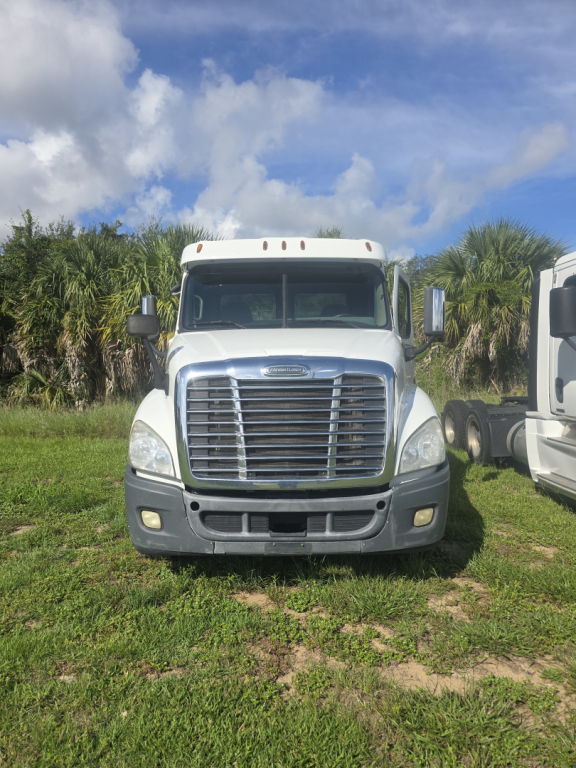
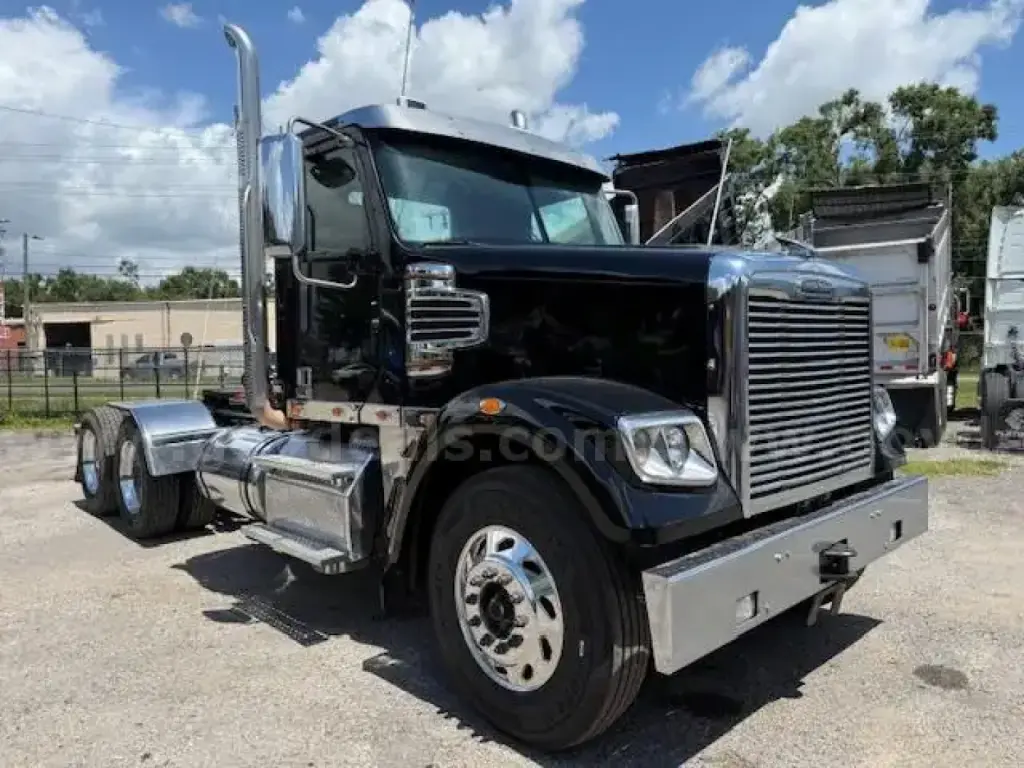
Selling a used freightliner day cab truck? List your used freightliner day cab truck for sale and reach thousands of commercial buyers.
Used Freightliner Day Cab Trucks in Florida
A buyer should start with the cab and chassis layout before looking at paint or trim. Wheelbase, rear axle ratio, suspension type, fifth wheel placement, and fuel capacity all affect how a day cab performs in real work. Shorter wheelbases are easier around docks, terminals, and city routes, while longer setups can improve ride quality and frame space for larger tanks or specialized equipment. Many used Freightliner day cabs are spec'd with Detroit diesel engines such as the DD13 or DD15, often paired with Eaton Fuller manual transmissions or automated manuals. Horsepower ratings, torque output, and transmission gearing should match the trailer weights and duty cycle you plan to run.
Freightliner day cabs are commonly found in Cascadia and Coronado configurations, with each appealing to a different operation. A Cascadia day cab is generally chosen for fuel economy, driver comfort, and fleet-friendly maintenance access. A Coronado day cab tends to attract buyers who want a heavier vocational feel, a more traditional set-back axle look, or a truck spec'd for tougher regional service. On any used truck, the important checkpoints are engine hours, emissions system history, cooling system condition, clutch or transmission wear, suspension bushings, steering components, brake life, and signs of frame modification. In Florida, rust is usually less of a problem than in northern states, but sun exposure, corrosion from coastal environments, and air conditioning performance deserve close attention.
For a buyer comparing multiple used Freightliner day cab trucks for sale, the best value usually comes from matching the spec to the job instead of buying on mileage alone. A well-maintained higher-mileage truck with complete service records, clean ECM data, and the right axle and wheelbase configuration can be a better fit than a lower-mileage unit with the wrong gearing or frame setup. If the truck will spend time in container service, tanker work, flatbed hauling, or drop-and-hook regional freight, confirm the PTO options, axle ratings, tire size, and fifth wheel travel meet that application. The right used Freightliner day cab should be easy to service, correctly spec'd for the load, and efficient enough to stay profitable in daily operation.
Frequently Asked Questions about Used Freightliner Day Cab Trucks in Florida
What is a Freightliner day cab truck used for?
A Freightliner day cab is typically used for local and regional hauling where the driver returns home daily and does not need a sleeper. Common applications include port drayage, LTL routes, tanker work, flatbed service, dump trailer pulls, dedicated customer shuttles, and city-to-city freight. Their shorter overall length and lighter cab design make them practical for operations that need maneuverability and frequent loading or unloading.
What should I check on a used Freightliner day cab before buying?
The most important items are drivetrain condition, chassis spec, and maintenance history. Review engine make and horsepower, transmission type, rear axle ratio, suspension, wheelbase, and GVWR or GCWR to confirm the truck matches your loads. Then inspect service records, ECM reports, emissions system repairs, clutch wear if manual, tire condition, brake life, frame integrity, fifth wheel wear, and signs of oil, coolant, or air leaks. A day cab used in heavy stop-and-go service can show different wear than one used on steady regional lanes.
Are Freightliner Cascadia and Coronado day cabs different?
Yes. The Freightliner Cascadia day cab is generally known for aerodynamic efficiency, fleet-oriented serviceability, and broad parts availability. The Freightliner Coronado day cab has a more traditional conventional design and is often associated with heavier-duty specs or buyers who prefer a classic hooded truck layout. The better choice depends on your application, preferred drivetrain, maintenance approach, and how important fuel economy is in your operation.
What engine and transmission combinations are common in used Freightliner day cabs?
Many used Freightliner day cabs are equipped with Detroit engines, especially the DD13 and DD15, although Cummins-powered units can also be found in some model years and specs. Transmissions commonly include Eaton Fuller 10-speed and 13-speed manuals, along with automated manual options in later fleet trucks. The right combination depends on terrain, gross combination weight, driver preference, and whether the truck will be used in city work, regional freight, or heavier vocational service.
Why are day cabs a good fit for Florida operations?
Florida routes often involve regional miles, port access, distribution centers, agricultural hauling, and dense metro traffic around cities like Miami, Tampa, Orlando, and Jacksonville. A day cab fits these conditions well because it is easier to maneuver, lighter than a comparable sleeper tractor, and often better suited to short-haul duty cycles. Buyers in Florida should still pay close attention to cooling system performance, air conditioning output, and corrosion exposure in coastal environments.