
Used Freightliner Day Cab Trucks For Sale in Georgia
Shop used Freightliner day cab trucks in Georgia. Compare Cascadia specs, DD13 power, axle setups, and features for regional and local haul work.
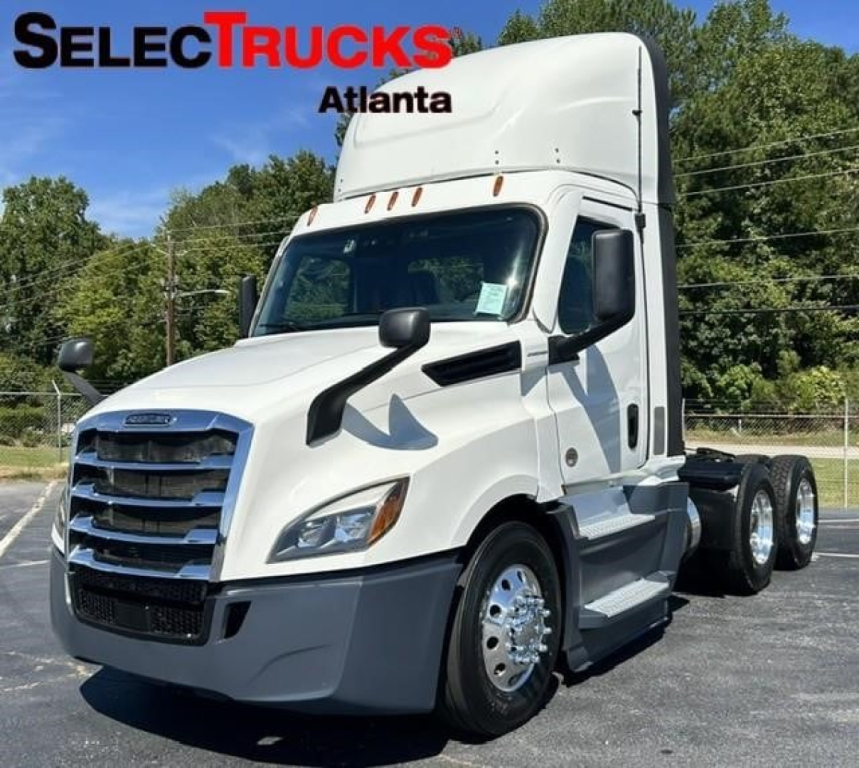
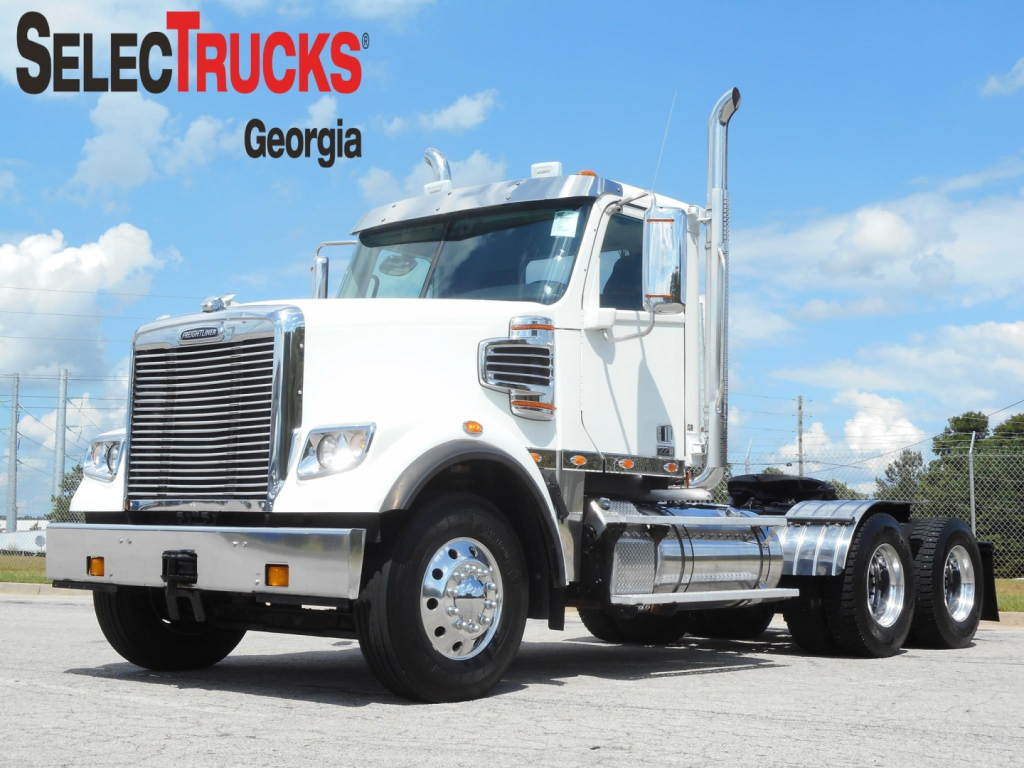
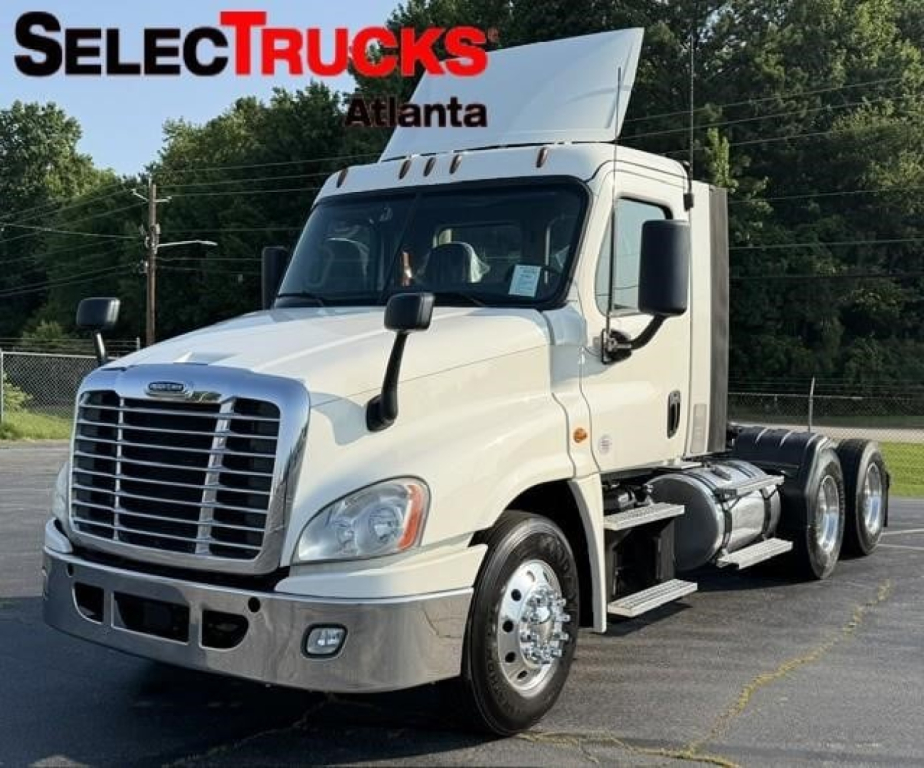
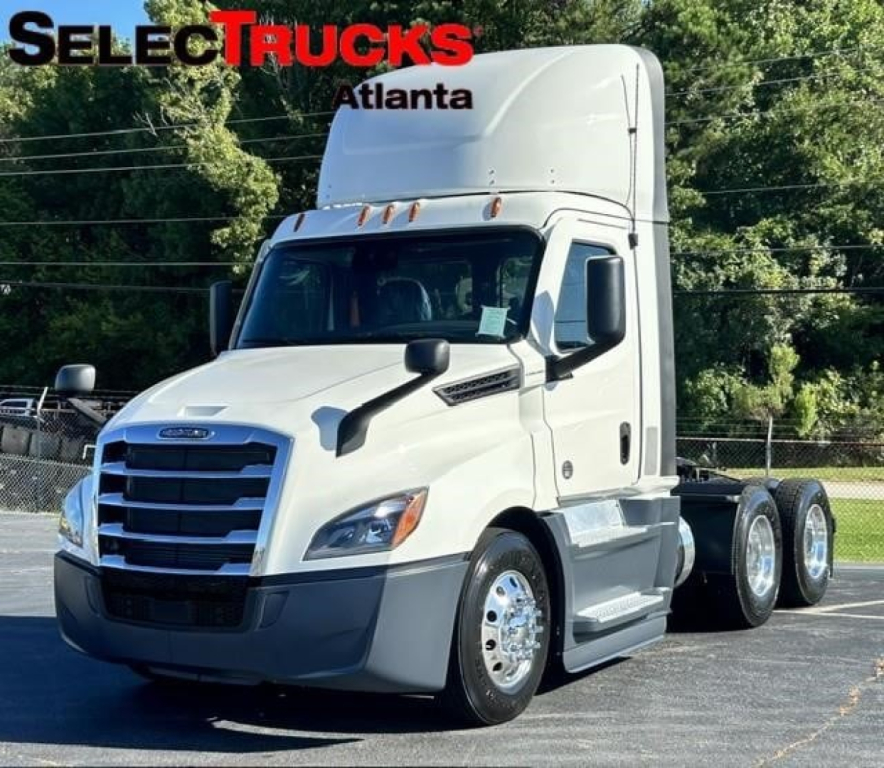
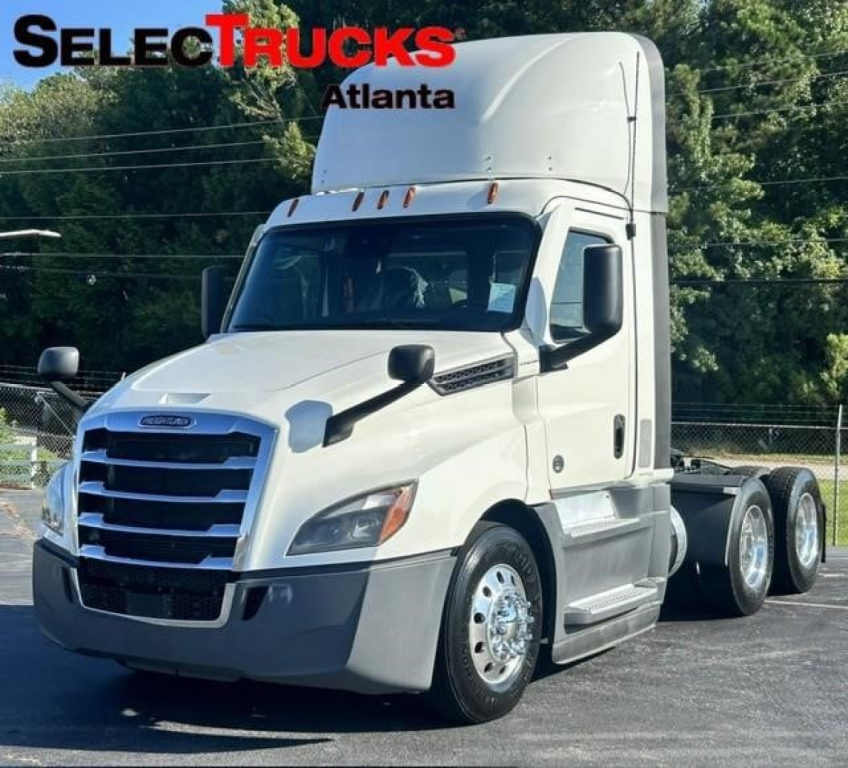

Selling a used freightliner day cab truck? List your used freightliner day cab truck for sale and reach thousands of commercial buyers.
Used Freightliner Day Cab Trucks in Georgia
A lot of buyers start with the powertrain, and that is the right place to begin. Late-model Freightliner day cabs commonly show up with Detroit DD13 engines paired to DT12 automated transmissions, a combination well suited to regional applications where fuel economy and easy drivability matter. Some older units may have different engine ratings, wheelbases, or rear axle ratios, so it helps to match the truck to the lane. A lighter spec with a DD13 can be a strong fit for dry van or reefer work at legal weights, while a heavier vocational or higher-GVWR setup may be better for more demanding payloads or frequent city starts. Pay attention to horsepower, torque, transmission calibration, axle ratio, and whether the truck is set up as a tandem axle day cab or a lighter single axle configuration.
Cab and chassis details make a real difference in daily use. Buyers often look for air ride suspension, aluminum wheels, power windows and mirrors, heated mirrors, Bluetooth radio, and driver-assist systems on newer Cascadias. On used Freightliner day cabs, it is also smart to check wheelbase, fifth wheel position, frame condition, tire wear, brake life, and whether the truck has been maintained for fleet service intervals. If the truck will be used for drop-and-hook or multiple trailer lengths, kingpin setting compatibility and fifth wheel slider requirements matter. If it is going into dedicated regional service, look closely at aerodynamics, idle management, and any safety tech such as collision mitigation or side guard assist.
Freightliner has a strong foothold in the Southeast, which is a practical advantage for used truck buyers in Georgia. Dealer support, aftermarket parts access, and technician familiarity are generally strong, and that can reduce downtime over the life of the truck. The best used Freightliner day cab for sale is not just the newest one. It is the one with the right engine rating, axle spec, maintenance history, and cab configuration for the freight it will pull every day.
Frequently Asked Questions about Used Freightliner Day Cab Trucks in Georgia
What is a Freightliner day cab truck best used for?
A Freightliner day cab is best suited for local and regional work where the driver returns home daily and does not need a sleeper. Common applications include dry van, reefer, container drayage, dedicated fleet routes, LTL, and short-haul freight. The day cab layout reduces weight and overall length, which can improve maneuverability and payload flexibility compared with a sleeper tractor.
What engine and transmission are common in used Freightliner day cabs?
Many used Freightliner day cab trucks, especially Cascadia models, are equipped with Detroit DD13 engines and DT12 automated manual transmissions. That combination is widely used in regional fleets because it offers a good mix of fuel economy, driver acceptance, and service support. Older or different-spec trucks may have other engine ratings or transmissions, so buyers should verify horsepower, torque, transmission model, and axle ratio against the intended application.
What should I inspect on a used Freightliner day cab before buying?
Focus on maintenance history, engine hours, fault codes, aftertreatment performance, transmission operation, suspension wear, brake condition, tire wear pattern, and frame integrity. Also inspect the fifth wheel, driveline, and rear axle seals, and confirm the wheelbase and fifth wheel placement fit the trailers you plan to pull. On newer trucks, make sure driver-assist and emissions systems are functioning properly, because those components can affect uptime and repair costs.
Is a Freightliner Cascadia day cab a good choice for Georgia regional hauling?
Yes, the Cascadia day cab is a strong fit for Georgia regional freight because it combines aerodynamics, driver comfort, and broad service support across the Southeast. It works well for interstate lanes, urban pickups and deliveries, and dedicated routes where fuel economy and uptime matter. Buyers should still choose the correct axle and powertrain spec for the freight, since metro delivery, drayage, and highway regional work can require different setups.
How do I choose the right axle and wheelbase setup on a day cab?
Start with trailer type, gross combination weight, turning requirements, and how often the truck will operate in tight yards or city streets. Tandem axle day cabs are common for standard over-the-road trailer work and higher weight applications, while single axle trucks can make sense for lighter regional jobs. Wheelbase affects ride, trailer gap, and maneuverability, so it should be matched to the trailer length, kingpin setting, and loading environment.