
Used Freightliner Trucks For Sale in Vermont
Browse used Freightliner trucks for sale in Vermont, including vocational and highway models with specs, applications, and buying tips.
Learn more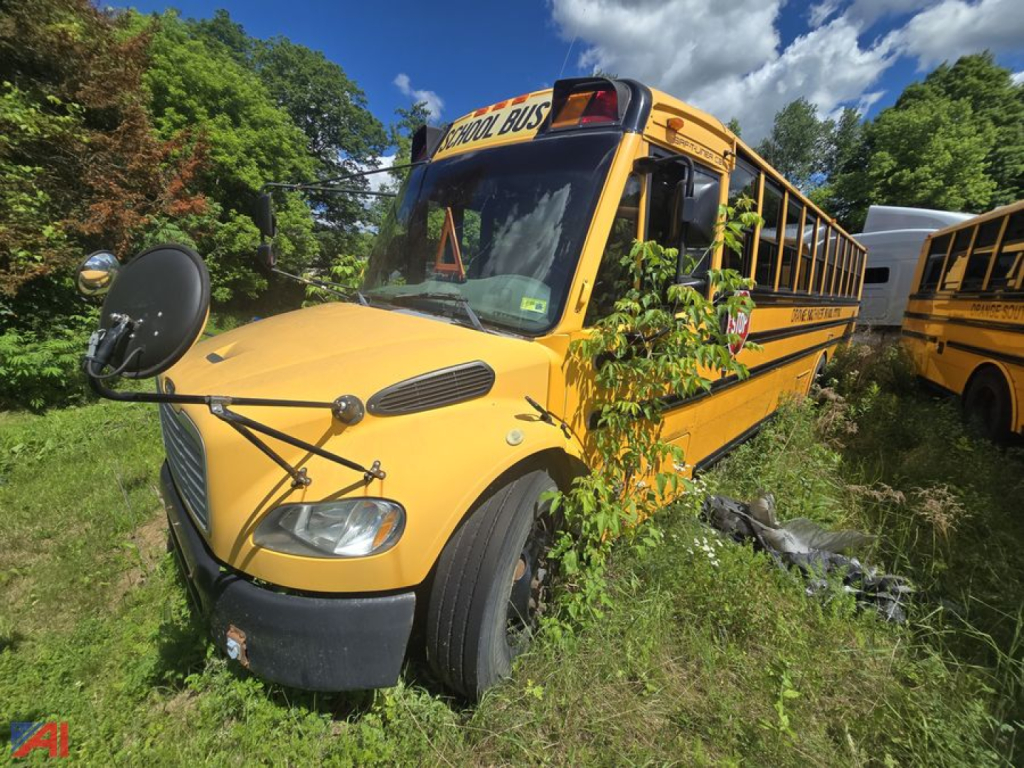
Have used freightliner truck to sell? List it here to reach thousands of buyers.
About Used Freightliner Trucks in Vermont
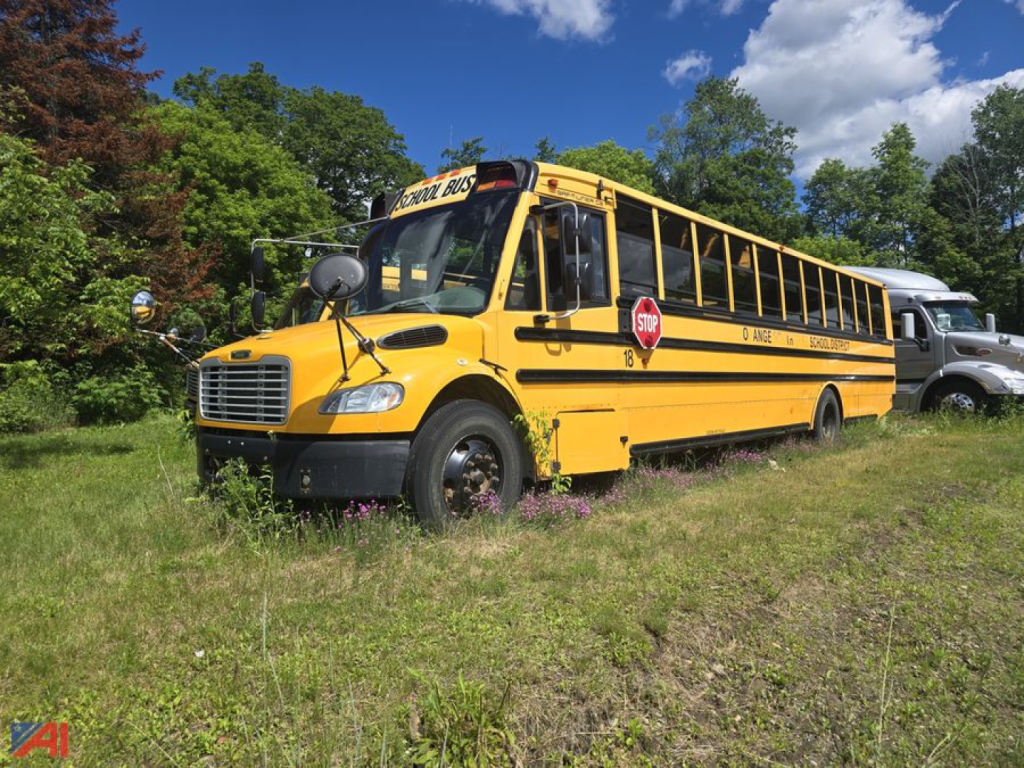
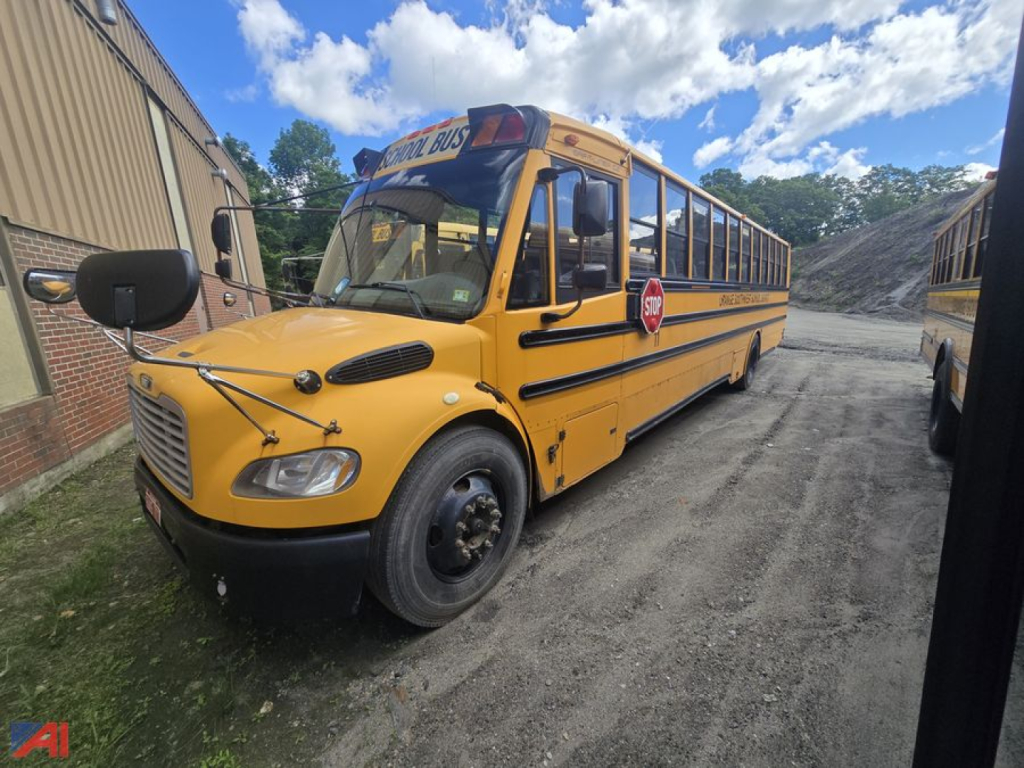
In the used market, common Freightliner platforms include Cascadia highway tractors, M2 medium-duty trucks, 108SD and 114SD vocational units, and specialty configurations such as school bus chassis. Vermont buyers often need to think beyond basic mileage and consider corrosion exposure, cold-weather starting performance, frame condition, brake and suspension wear, and how the truck was used in prior service. A former municipal, school, regional delivery, or construction truck can each have very different idle hours, PTO usage, maintenance patterns, and seasonal wear. On medium-duty and bus-derived Freightliner units, service history on brakes, suspension components, cooling systems, and electrical accessories matters as much as engine hours.
Powertrain choices are one of the biggest decision points on a used Freightliner truck. Depending on the model and year, buyers may see Detroit diesel engines, Cummins options, and automated or manual transmissions paired with a range of rear axle ratios. The right setup depends on the work. A highway tractor benefits from a fuel-efficient spec with manageable gearing for interstate speeds, while a vocational or local-service truck may need lower gears, heavier suspensions, locking differentials, and a PTO-capable transmission. Buyers should also review GVWR or GCWR, front axle capacity, wheelbase, cab configuration, and any upfit details such as van bodies, dump bodies, utility equipment, or passenger transport seating.
A used Freightliner can be a strong value when the spec matches the job and the truck has been maintained with consistency. Look closely at tire wear patterns, DPF and emissions service records, steering play, air system health, rust around cab mounts and crossmembers, and any signs of body or frame modification. Freightliner trucks are also known by model names more than by make alone, so comparing a Cascadia to an M2 or a B2-based unit is really a comparison of entirely different applications. The best buying approach is to start with duty cycle, route type, payload, and body requirement, then narrow down to the Freightliner chassis that fits that work in Vermont conditions.
Frequently Asked Questions
What should I look for first when buying a used Freightliner truck in Vermont?
Start with the truck’s original application and chassis spec, because that tells you more than the make alone. Confirm the model, GVWR or GCWR, engine, transmission, axle ratings, wheelbase, and any body or vocational equipment. In Vermont, rust, cold-weather wear, brake condition, suspension wear, and maintenance documentation are especially important. Service history for emissions components, cooling systems, and electrical systems can be a major factor in long-term operating cost.
What are the most common used Freightliner truck models buyers may find?
Common used Freightliner trucks include the Cascadia for highway use, the M2 series for medium-duty and local delivery work, and the 108SD or 114SD for heavier vocational service. Buyers may also see bus-based Freightliner chassis such as B2 school bus platforms, along with specialty bodies and municipal applications. Each model serves a different role, so comparing listings should focus on intended use rather than model year alone.
Is a used Freightliner better for highway freight or vocational work?
Freightliner has strong representation in both segments, so the answer depends on the specific chassis. A Cascadia is typically geared toward linehaul and regional freight with an emphasis on aerodynamics and fuel economy. An M2 or SD-series truck is more likely to fit dump, utility, municipal, plow, service, or delivery work. The best choice comes from matching axle capacity, suspension, gearing, and cab setup to the job you need done.
How important are engine and transmission specs on a used Freightliner?
They are critical because they determine operating cost, drivability, and job suitability. A highway truck with an efficient engine and automated manual transmission may be ideal for interstate routes, but that same spec may be less effective for stop-and-go vocational work or PTO applications. Buyers should verify horsepower, torque, transmission type, rear axle ratio, and emissions system history before making a decision. Those details affect fuel burn, maintenance planning, and resale value.
Are used Freightliner bus chassis and truck chassis evaluated the same way?
They share some of the same inspection priorities, including engine condition, transmission performance, brake wear, frame integrity, and service records, but the application changes what matters most. A bus chassis should be evaluated closely for passenger-related equipment, door systems, seating condition, electrical accessories, and idle-hour related wear. A truck chassis usually places more emphasis on payload capacity, body integration, PTO use, and frame suitability for the work.